

Hydraulic flange seals play an important role in preventing fluid leaks and maintaining reliable connections in hydraulic systems. They create a sealing barrier between mating components, helping hydraulic equipment operate efficiently under pressure. From construction machinery to industrial manufacturing equipment, the right flange seal can make a significant difference in system performance and maintenance costs.
However, not all hydraulic flange seals are the same. Different designs and materials are suited to different pressure levels, temperatures, hydraulic fluids, and installation requirements. Understanding these differences helps engineers, maintenance technicians, and equipment manufacturers choose the right seal for their applications.
In this guide, we’ll explore the common types of hydraulic flange seals, the materials used to manufacture them, their main applications, and the factors to consider when selecting and maintaining them.
What Are Hydraulic Flange Seals?
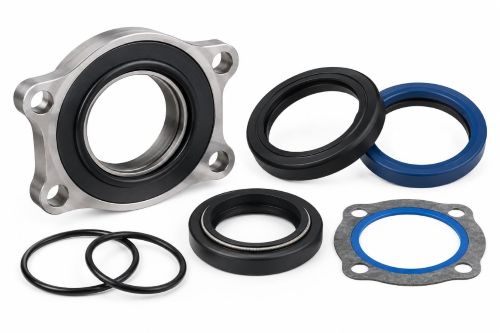
Hydraulic flange seals are sealing components installed between compatible flange surfaces in a hydraulic system. Their primary purpose is to prevent hydraulic fluid from escaping through the connection while helping the assembly withstand its intended operating conditions.
A typical hydraulic flange connection consists of two mating surfaces secured together with bolts or other specified fastening hardware. The seal sits between these surfaces and creates a barrier against fluid leakage when the connection is assembled correctly.
Hydraulic flange seals are commonly used in hydraulic pumps, motors, valves, cylinders, hose assemblies, and manifolds. They are particularly important in systems where fluid leakage can reduce efficiency, contaminate surrounding equipment, or create maintenance problems.
The seal’s performance depends on several factors, including its material, dimensions, design, and compatibility with the flange connection. Even a high-quality seal may fail prematurely if it is incorrectly sized or installed on damaged flange surfaces.
How Do Hydraulic Flange Seals Work?
Hydraulic flange seals work by filling or closing the small gaps between mating surfaces. Depending on the design, the seal may compress, deform, or become energized by fluid pressure to create an effective sealing barrier.
When a flange assembly is tightened according to the manufacturer’s specifications, the seal is held in its intended position. The resulting contact pressure helps prevent hydraulic fluid from passing through the interface.
In an O-ring flange connection, for example, the O-ring is compressed within a designated groove. This compression creates the initial seal, while system pressure can help strengthen the sealing action within the design’s operating limits.
Several factors influence how well the seal performs:
1. Seal compression: Too little compression may cause leakage, while excessive compression can damage the seal.
2. Surface condition: Scratches, corrosion, and contamination can interfere with proper sealing.
3. Fastener tightening: Uneven or incorrect bolt tightening can create inconsistent contact pressure.
4. Operating pressure: Pressure fluctuations and sudden spikes can place additional stress on the seal.
5. Material compatibility: The seal must withstand the hydraulic fluid and expected temperature range.
Correct installation and compatible components are just as important as the seal material itself.
Common Types of Hydraulic Flange Seals
Hydraulic flange seals are available in several designs. The right choice depends on the flange standard, sealing geometry, operating conditions, and equipment manufacturer’s requirements.
1. O-Ring Flange Seals
O-ring flange seals are among the most widely used sealing solutions in hydraulic equipment. They have a circular cross-section and are typically manufactured from elastomeric materials such as nitrile rubber or fluorocarbon rubber.
In a common SAE-style split flange connection, an O-ring sits in a machined groove on the flange head. When the flange is secured to its mating surface, the O-ring compresses to create a leak-resistant connection.
O-ring flange seals are popular because they are compact, relatively easy to replace, and effective when correctly sized and installed. They are commonly found in hydraulic pumps, valves, motors, and hose assemblies.
However, O-rings must match the specified groove dimensions and material requirements. An incorrect cross-section, unsuitable hardness, or incompatible compound can lead to leakage, extrusion, or premature wear.
2. Flat Flange Seals and Gaskets
Flat flange seals are positioned between two relatively flat mating surfaces. Depending on the application, they may be made from elastomers, fiber-based materials, PTFE, or other suitable sealing materials.
These seals work by compressing between the flange faces to close potential leakage paths. Their performance depends on the material’s ability to maintain sealing contact under the applied load and operating conditions.
Flat seals and gaskets are used in selected hydraulic assemblies where the connection is specifically designed for this type of sealing arrangement. They should not automatically replace O-rings in connections that require a grooved O-ring design.
When selecting a flat flange seal, consider the flange surface finish, available sealing area, required compression, fluid compatibility, and operating pressure.
3. Bonded Seals
Bonded seals typically consist of a metal washer with an elastomeric sealing element bonded to its inner or sealing edge. The metal portion provides support, while the elastomer creates the sealing contact.
These seals are commonly used in threaded hydraulic connections, such as certain ports and fittings, where the design specifies a bonded sealing washer. They can help prevent leakage around the connection when installed correctly.
Although bonded seals are useful in many hydraulic applications, they are not interchangeable with every hydraulic flange seal. Their suitability depends on the connection design and the manufacturer’s specifications.
Before choosing a bonded seal for a flange assembly, confirm that the sealing geometry and installation requirements are compatible.
4. Profiled and Specialty Flange Seals
Some hydraulic systems require seals with specially designed cross-sections or additional sealing features. These may include shaped elastomeric profiles, composite seals, or other designs developed for particular equipment and connection geometries.
Specialty seals can be useful when standard O-rings or flat seals do not meet the application’s requirements. Their design may address specific challenges involving pressure, temperature, movement, chemical exposure, or installation constraints.
Because these seals can be application-specific, it is important to follow the equipment manufacturer’s drawings and specifications rather than selecting a replacement based only on visual similarity.
5. High-Pressure Hydraulic Flange Seals
High-pressure hydraulic systems require sealing components that can maintain reliable contact without excessive deformation or extrusion.
Depending on the design, high-pressure flange seals may use suitable elastomers, reinforced or composite constructions, or specialized sealing geometries. The flange, groove, fasteners, and seal must work together as a complete assembly.
Seal extrusion is one potential failure mode. It occurs when sealing material is forced into an unintended gap under pressure. Correct groove dimensions, suitable material hardness, and appropriate extrusion resistance help reduce this risk.
It is important to remember that a seal’s material or design alone does not establish the pressure rating of the entire connection. The rated limits of the complete flange assembly must be verified.
Checkout these other resources ⬇️⬇️⬇️
What Are NPT Hydraulic Bulkhead Fittings and How Do They Work?
International Fuel Fittings: Types, Standards, and Applications
What Is the Purpose of a Hydraulic Motor Flanges?
Common Materials Used in Hydraulic Flange Seals
Material selection directly affects sealing performance, service life, and compatibility with hydraulic fluids. Different compounds have different strengths and limitations, so the best option depends on the operating environment.
1. Nitrile Rubber (NBR)
Nitrile rubber, commonly known as NBR, is widely used in hydraulic sealing applications because it offers a practical balance of flexibility, oil resistance, and cost.
It is generally compatible with many petroleum-based hydraulic oils and is available in compounds designed for different operating conditions. This makes it a common choice for hydraulic fittings, flange O-rings, and other sealing components.
However, NBR is not suitable for every fluid or temperature range. Exposure to incompatible chemicals, excessive heat, or unsuitable operating conditions can cause swelling, hardening, or deterioration.
2. Fluorocarbon Rubber (FKM)
Fluorocarbon rubber, commonly referred to as FKM, is used in applications that require good resistance to elevated temperatures and certain oils or chemicals.
Depending on the compound, FKM can be suitable for hydraulic systems operating under more demanding thermal conditions than those typically handled by standard NBR seals.
However, FKM is not universally compatible with all hydraulic fluids. Low-temperature flexibility and chemical resistance can vary between formulations, so the specific compound should be checked against the application’s requirements.
3. Ethylene Propylene Diene Monomer (EPDM)
EPDM is valued for its resistance to weathering, ozone, and many water-based fluids. It can be useful in hydraulic or fluid-handling applications where the media is compatible with the selected compound.
One important limitation is that standard EPDM compounds are generally unsuitable for petroleum-based mineral oils. Using the wrong material can cause swelling, softening, or seal failure.
For this reason, EPDM should only be selected after confirming the fluid type and the manufacturer’s compatibility guidance.
4. Polytetrafluoroethylene (PTFE)
PTFE is known for its low friction and broad chemical resistance. It is used in specialized sealing applications where elastomeric materials may not provide the required chemical or thermal performance.
PTFE seals can be suitable for certain demanding environments, but their mechanical behavior differs from that of rubber. Depending on the design, PTFE may require specific groove geometry, loading conditions, or additional sealing features to maintain reliable performance.
PTFE should therefore be selected based on the complete sealing arrangement rather than chemical resistance alone.
5. Polyurethane (PU)
Polyurethane is valued for its mechanical strength and abrasion resistance. It is commonly used in hydraulic sealing applications where wear resistance is important.
Its suitability for flange sealing depends on the seal design, fluid compatibility, temperature range, and pressure requirements. Polyurethane is not automatically the best choice for every flange connection, especially where a particular elastomer or sealing profile is specified.
6. Metal and Composite Sealing Materials
Some specialized hydraulic connections use metal seals or composite sealing structures designed for particular pressure, temperature, or environmental requirements.
These designs may be used where conventional elastomeric seals are unsuitable or where the connection requires a specific type of sealing mechanism.
Material selection must account for the mating surfaces, contact forces, system pressure, and the potential effects of corrosion or thermal expansion. Metal and composite seals are generally application-specific and should be selected according to the relevant engineering specifications.
Key Applications of Hydraulic Flange Seals
Hydraulic flange seals are used across many industries because flange connections provide a practical way to join hydraulic components while allowing maintenance and replacement when necessary.
1. Hydraulic Pumps and Motors
Hydraulic pumps and motors depend on secure fluid connections to operate properly. Flange seals help prevent external leakage at compatible inlet, outlet, and other port connections.
A damaged seal can lead to fluid loss, contamination, and additional maintenance work. Selecting the correct seal and following the specified installation procedure helps maintain reliable operation.
2. Hydraulic Cylinders
Hydraulic cylinders convert fluid pressure into mechanical movement. Their systems may include flange connections that link hoses, pipes, valves, or other hydraulic components.
Flange seals help prevent leakage at these connections and support the cleanliness of the surrounding equipment. The seal must match the connection design and withstand the expected pressure and temperature conditions.
3. Hydraulic Hoses and Flange Connections
Hydraulic hose assemblies with flange-style ends are commonly used to connect hydraulic equipment, especially where secure connections and suitable flow capacity are required.
A compatible flange seal creates the sealing barrier between the hose-end flange and the mating port. Correct alignment and fastening are important because misalignment or uneven tightening can damage the seal or cause leakage.
In mobile equipment, vibration and pressure cycling can add stress to the connection. Proper hose routing, secure mounting, and routine inspections help reduce the risk of premature failure.
4. Hydraulic Valves and Manifolds
Valves control the direction, pressure, and flow of hydraulic fluid, while manifolds distribute fluid between different parts of the system.
Flange seals and other specified sealing elements help prevent leakage at compatible connections. Proper sealing is particularly important in compact assemblies where leakage can contaminate nearby components or make fault diagnosis more difficult.
5. Construction and Agricultural Machinery
Excavators, loaders, tractors, harvesters, and other heavy-duty machines rely on hydraulic systems for lifting, steering, digging, and implement control.
These machines often operate in dusty, wet, or high-vibration environments. Hydraulic flange seals must be selected to suit the equipment’s fluid, pressure, temperature, and service requirements.
Regular inspection is also important because damaged seals can allow hydraulic fluid to escape and dirt to accumulate around the connection.
6. Industrial Machinery and Manufacturing Equipment
Hydraulic presses, material-handling systems, production machinery, and industrial power units commonly use flange connections in their hydraulic circuits.
Reliable sealing helps minimize fluid loss and supports consistent equipment operation. For machinery that runs for extended periods, choosing suitable seals and following a planned maintenance schedule can help reduce unexpected downtime.
How to Choose the Right Hydraulic Flange Seal
Choosing a hydraulic flange seal involves more than matching its diameter. The seal must be compatible with the connection and suitable for the system’s actual operating conditions.
1. Identify the Flange Standard and Design
Start by identifying the flange connection used in the equipment. SAE-style flange connections, DIN-related designs, and other hydraulic connection systems may have different dimensions and sealing arrangements.
Check the relevant standard, manufacturer’s drawing, groove geometry, and specified seal profile. A seal that looks similar to the original may still have the wrong dimensions.
2. Check the Operating Pressure
Determine the normal working pressure and account for pressure fluctuations or spikes. The seal must be suitable for these conditions when installed in the specified flange assembly.
High-pressure applications may require particular attention to material hardness, extrusion resistance, groove dimensions, and the condition of the mating surfaces.
Always verify the pressure limits of the complete connection rather than relying on a general material rating.
3. Consider the Operating Temperature
Temperature affects the flexibility, strength, and service life of sealing materials. Excessive heat can accelerate aging, while low temperatures can reduce flexibility in some compounds.
Consider the normal operating temperature, short-term temperature peaks, ambient conditions, and any temperature changes during startup or shutdown.
Choose a seal compound rated for the full expected temperature range.
4. Verify Hydraulic Fluid Compatibility
The seal material must be compatible with the hydraulic fluid used in the system. Mineral-based hydraulic oils, water-glycol fluids, synthetic fluids, and other media can affect sealing materials differently.
Check the manufacturer’s compatibility data for the exact compound. Do not assume that all rubber materials perform equally well with the same fluid.
Also consider additives, cleaning agents, and other substances that may come into contact with the seal during operation or maintenance.
5. Confirm Seal Dimensions and Hardness
Correct dimensions are essential for proper sealing. Verify the seal’s inside diameter, cross-section, profile, and any specified tolerances.
Material hardness also matters. A seal that is too soft may be more vulnerable to extrusion under certain conditions, while a material that is too hard may not provide the intended sealing behavior in a particular design.
Use the original specifications or the equipment manufacturer’s replacement recommendations whenever possible.
6. Evaluate Installation and Maintenance Requirements
Consider how the seal will be installed, inspected, and replaced. Some designs are straightforward to service, while others require specific tools or procedures.
For equipment used in demanding environments, the availability of compatible replacement seals and clear maintenance instructions can also influence purchasing decisions.
Common Causes of Hydraulic Flange Seal Failure
Even a correctly selected seal can fail if the connection is damaged, installed incorrectly, or operated outside its intended limits.
Common causes include:
1. Incorrect sizing: A seal that does not match the groove or flange design may not create sufficient sealing contact.
2. Wrong material: Incompatible fluids or temperatures can cause swelling, hardening, cracking, or loss of elasticity.
3. Excessive pressure: Pressure spikes or unsuitable groove geometry may cause the seal to extrude or become damaged.
4. Uneven bolt tightening: Uneven clamping can prevent the flange surfaces from seating properly.
5. Damaged flange faces: Scratches, corrosion, dents, and other defects can create leakage paths.
6. Installation damage: Twisting, cutting, pinching, or stretching a seal can compromise its performance.
7. Contamination: Dirt and debris can damage the seal or interfere with the mating surfaces.
8. Aging and wear: Heat, chemical exposure, compression set, and normal service conditions can gradually reduce sealing performance.
When a flange connection leaks, replacing the seal may solve the problem, but it is important to identify the underlying cause. If the flange faces are damaged or the fasteners are incorrectly installed, a new seal alone may not provide a lasting solution.
Hydraulic Flange Seal Installation and Maintenance Tips
Proper installation helps the seal perform as intended and can reduce the risk of premature failure.
Clean the connection before assembly. Remove dirt, old sealing material, and other contamination from the flange faces and grooves. Avoid introducing debris into the hydraulic system.
Inspect the flange surfaces. Check for scratches, corrosion, dents, and other defects that could interfere with sealing. Replace or repair components according to the manufacturer’s recommendations.
Use the correct replacement seal. Confirm the material, dimensions, and profile before installation. Do not substitute a seal simply because it fits approximately.
Avoid installation damage. Install the seal carefully and use approved tools or lubricants where specified. Do not twist, pinch, stretch, or force the seal into place.
Follow the correct tightening procedure. Use the specified fasteners, tightening sequence, and torque requirements. Avoid guessing the torque value, as it depends on the particular flange assembly.
Check for leaks after installation. Follow the equipment manufacturer’s commissioning and inspection procedure. Never use your hands to search for leaks in a pressurized hydraulic system because high-pressure fluid can penetrate the skin and cause serious injury.
Replace compromised seals. Seals that are cut, cracked, permanently deformed, or otherwise damaged should generally be replaced rather than reused.
Store spare seals correctly. Keep replacement seals in suitable packaging, away from excessive heat, sunlight, ozone, moisture where relevant, and contamination. Follow the storage guidance for the particular material.
These practices help maintain reliable sealing and make it easier to identify potential problems before they lead to larger equipment issues.
Hydraulic Flange Seals vs. Other Hydraulic Seals
Hydraulic flange seals are sometimes confused with other sealing components because many designs use similar materials. The main difference is how each seal fits into the connection and creates a sealing barrier.
Hydraulic flange seals vs. O-rings: An O-ring is a seal with a circular cross-section, not necessarily a separate category from flange seals. Many hydraulic flange seals are O-rings installed in a designated flange groove. Other flange connections use different sealing designs.
Hydraulic flange seals vs. bonded seals: Bonded seals combine an elastomeric sealing element with a metal washer and are commonly used in specified threaded connections. A flange connection may require a different seal profile or arrangement.
Hydraulic flange seals vs. flat gaskets: Flat gaskets seal between mating surfaces by compressing across a broader area. They are appropriate only when the connection is designed for that type of sealing element.
The most important consideration is compatibility. The correct seal must match the connection geometry, operating conditions, and manufacturer’s requirements.
Frequently Asked Questions
What is the main purpose of a hydraulic flange seal?
The main purpose of a hydraulic flange seal is to prevent hydraulic fluid from leaking between compatible mating flange surfaces. It helps maintain system cleanliness, reduce fluid loss, and support reliable equipment operation.
What material is best for hydraulic flange seals?
There is no single best material for every application. NBR is commonly used with many petroleum-based hydraulic oils, while FKM may suit certain higher-temperature applications. EPDM, PTFE, polyurethane, and other materials serve different requirements. The final choice should be based on fluid compatibility, temperature, pressure, and the specified seal design.
Are hydraulic flange seals suitable for high-pressure systems?
Yes, appropriately designed and specified flange seals are used in high-pressure hydraulic systems. However, the seal must be compatible with the flange geometry and operating conditions. The pressure rating of the complete connection must be verified before use.
How often should hydraulic flange seals be replaced?
Replacement intervals depend on operating conditions, equipment usage, seal material, and manufacturer recommendations. Seals should be inspected during scheduled maintenance and replaced when they show damage, deterioration, or other signs of compromised performance.
Can a damaged hydraulic flange seal be reused?
A damaged or permanently deformed seal should generally be replaced. Reusing a compromised seal can lead to recurring leakage and additional maintenance. Follow the equipment manufacturer’s instructions when servicing the connection.
How can I prevent hydraulic flange seal leakage?
Use the correct seal dimensions and material, keep the mating surfaces clean, inspect for damage, and follow the specified installation and tightening procedures. Also make sure the system operates within the pressure and temperature limits of the complete assembly.
How do I determine the correct hydraulic flange seal size?
Check the equipment documentation, flange standard, groove dimensions, and original seal specifications. If these details are unavailable, consult the equipment or seal manufacturer. Selecting a seal by appearance alone can lead to poor sealing or installation problems.
Conclusion
Hydraulic flange seals are essential components in hydraulic systems, helping prevent fluid leakage and maintain reliable connections across industrial and mobile equipment. Their performance depends on choosing the correct design, material, and dimensions for the application.
O-ring flange seals, flat seals, bonded seals, and specialty designs each serve different purposes. Materials such as NBR, FKM, EPDM, PTFE, and polyurethane also have distinct properties that affect their suitability for specific fluids, temperatures, and operating conditions.
Before selecting a hydraulic flange seal, verify the connection standard, pressure requirements, fluid compatibility, and installation specifications. Proper installation and routine inspection can further reduce leakage and extend service life.
For equipment manufacturers, hydraulic system integrators, and component distributors, working with a reliable hydraulic fittings and sealing component supplier can help ensure that the selected products match the intended application. Always confirm product dimensions, material specifications, and performance requirements before ordering or installing replacement seals.
Post time: Oct-13-2026