

Hydraulic systems rely on strong, reliable connections to move fluid safely under pressure. A small problem at a connection point can lead to leaks, pressure loss, equipment downtime, or even component failure. That is why choosing the right hydraulic fitting is an important part of system design.
DIN 3865 hydraulic fittings are designed for dependable tube connections in hydraulic applications. They are commonly used in industrial machinery, mobile equipment, construction machinery, and other systems where secure and leak-resistant connections are required.
But what exactly are DIN 3865 hydraulic fittings, how do they work, and where are they used? This guide explains everything you need to know.
What Are DIN 3865 Hydraulic Fittings?
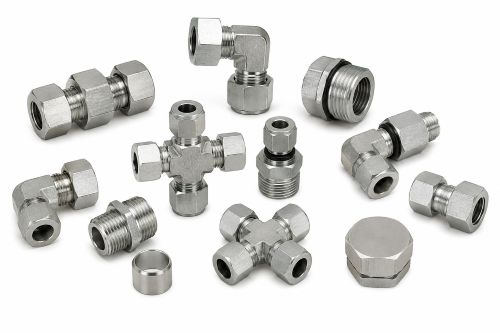
DIN 3865 hydraulic fittings are fittings designed according to the requirements associated with the DIN 3865 standard for hydraulic tube connections. They provide a secure connection between hydraulic tubes, hoses, valves, cylinders, pumps, and other components.
Their primary purpose is simple: connect hydraulic components while containing pressurized fluid and minimizing the risk of leakage.
Depending on the design, DIN hydraulic fittings can be available in different configurations, sizes, materials, and connection options. This allows them to be used in a wide range of hydraulic systems.
They are especially valuable in applications where vibration, pressure, temperature changes, and mechanical loads can place stress on hydraulic connections.
Main Components of DIN 3865 Hydraulic Fittings
Although hydraulic fittings may look relatively simple, several parts work together to create a reliable connection.
1. Fitting Body
The fitting body is the main structural component. It provides the connection between the hydraulic tube and another component in the system.
Fitting bodies are manufactured in different shapes, including straight, elbow, tee, and other configurations. The selected shape depends on the layout of the hydraulic circuit.
2. Sealing Area
The sealing area prevents hydraulic fluid from escaping through the connection.
A proper seal is essential because hydraulic systems can operate at significant pressures. Even a small sealing problem can eventually become a serious leak.
The exact sealing method depends on the fitting design and connection configuration.
3. Tube Connection
The tube connection section secures the hydraulic tube to the fitting. Proper tube preparation and installation are important for achieving a dependable connection.
A tube that is incorrectly cut, damaged, contaminated, or poorly aligned can affect the performance of the entire fitting.
4. Threads
Threads allow the fitting to be securely connected to another component or adapter.
Thread size and type must always be compatible with the mating component. Using mismatched threads can result in leakage, damaged threads, or an unsafe connection.
How Do DIN 3865 Hydraulic Fittings Work?
The working principle is based on creating a mechanically secure and properly sealed connection between hydraulic components.
During installation, the hydraulic tube is prepared and inserted into the appropriate fitting connection. The fitting components are then assembled and tightened according to the applicable installation procedure.
As the connection is tightened, the fitting secures the tube and creates the necessary sealing contact. Once installed correctly, the connection can withstand hydraulic pressure while preventing fluid from escaping.
The process can be summarized as follows:
1. Select the correct fitting for the application.
2. Prepare and inspect the hydraulic tube.
3. Insert the tube into the fitting correctly.
4. Assemble the fitting components.
5. Tighten the connection according to the recommended procedure.
6. Inspect the completed connection.
7. Test the hydraulic system for leaks when required.
The quality of the final connection depends heavily on proper tube preparation, correct fitting selection, cleanliness, alignment, and installation.
Types of DIN 3865 Hydraulic Fittings
DIN hydraulic fittings are available in different configurations to accommodate various hydraulic circuit designs.
Straight Fittings
Straight fittings are used when two components or tubes need to be connected in a direct line.
They are one of the simplest fitting configurations and are useful where the hydraulic line does not need to change direction.
Elbow Fittings
Elbow fittings allow hydraulic lines to change direction.
Common configurations include 45-degree and 90-degree elbows. They are useful when space is limited or when the hydraulic circuit requires a change in routing.
Tee Fittings
Tee fittings have three connection points and are used to branch one hydraulic line into two paths or combine hydraulic lines, depending on the system design.
They are commonly used in circuits that require fluid distribution between multiple components.
Cross Fittings
Cross fittings provide four connection points. They can be used when several hydraulic lines need to be connected at a common location.
Adapters and Reducers
Adapters help connect components with different connection requirements. Reducers can be used when the hydraulic circuit transitions between different tube or connection sizes.
When using adapters, it is important to verify thread compatibility, pressure ratings, material compatibility, and sealing requirements.
Key Features of DIN 3865 Hydraulic Fittings
DIN 3865 hydraulic fittings are valued for several characteristics that make them suitable for demanding hydraulic applications.
High-Pressure Performance
Hydraulic systems often operate under substantial pressure. Properly selected fittings help maintain secure connections and contain hydraulic fluid during operation.
However, the actual working pressure depends on the specific fitting, size, material, connection configuration, and manufacturer specifications.
Reliable Sealing
A reliable sealing system helps minimize fluid leakage. This is particularly important in hydraulic equipment where pressure loss can affect performance.
Mechanical Strength
Hydraulic fittings must withstand more than fluid pressure. They can also experience vibration, mechanical loads, temperature changes, and movement.
Properly selected fittings provide a strong connection that can handle these operating conditions.
Compact Design
Many hydraulic fittings have relatively compact designs, making them useful in machinery where installation space is limited.
Multiple Configurations
The availability of different shapes and sizes makes it easier to design hydraulic circuits around existing equipment and space limitations.
Benefits of DIN 3865 Hydraulic Fittings
Using the right hydraulic fitting can provide several advantages.
1. Reduced Risk of Leakage
A correctly installed fitting creates a secure connection that helps prevent hydraulic fluid from escaping.
Reducing leakage is important for both equipment performance and maintenance.
2. Improved System Reliability
A dependable connection helps maintain consistent hydraulic pressure and fluid flow.
This can contribute to more reliable operation of pumps, cylinders, motors, valves, and other hydraulic components.
3. Long Service Life
The service life of a fitting depends on material, operating conditions, installation quality, and maintenance. Selecting a suitable material and configuration can help the fitting perform reliably for an extended period.
4. Resistance to Vibration
Hydraulic machinery often produces vibration. A properly installed connection helps maintain system integrity under normal operating conditions.
5. Easier Maintenance
Standardized hydraulic fittings can make inspection, replacement, and servicing easier, especially in systems that use multiple compatible components.
Where Are DIN 3865 Hydraulic Fittings Used?
DIN hydraulic fittings can be found in many types of hydraulic equipment and machinery.
Typical applications include:
1. Construction machinery
2. Agricultural equipment
3. Industrial machinery
4. Mobile hydraulic systems
5. Material-handling equipment
6. Manufacturing systems
7. Hydraulic power units
8. Heavy-duty machinery
9. Machine tools
10. Fluid power equipment
Their use is not limited to one industry. The correct application depends on the fitting’s specifications and whether they match the requirements of the hydraulic system.
DIN 3865 Hydraulic Fittings vs. Other Hydraulic Fittings
Not all hydraulic fittings are interchangeable. Different standards use different connection designs, thread forms, and sealing methods.
For example, DIN fittings may be compared with BSP, JIC, and NPT fittings. While these fittings can perform similar basic functions, their connection geometry and specifications can differ significantly.
DIN vs. BSP
BSP fittings are widely used in hydraulic and industrial applications, particularly in markets where British Standard Pipe threads are common.
DIN fittings follow German/European standardization requirements and may use different connection and sealing designs.
DIN vs. JIC
JIC fittings commonly use a 37-degree flare connection. Their sealing principle differs from many DIN-style hydraulic connections.
DIN vs. NPT
NPT fittings use tapered pipe threads. They are widely used in North American applications but should not be treated as directly interchangeable with other thread standards simply because the thread sizes appear similar.
Always identify the fitting standard before replacing or connecting hydraulic components.
Materials Used for DIN Hydraulic Fittings
The material of a hydraulic fitting can have a major effect on its durability and suitability for a particular environment.
Carbon Steel
Carbon steel is widely used because it provides good mechanical strength and is generally a cost-effective option for many hydraulic applications.
With a suitable protective surface treatment, carbon steel fittings can provide good resistance to corrosion under normal operating conditions.
Stainless Steel
Stainless steel fittings are useful in environments where corrosion resistance is especially important.
They may be selected for applications involving moisture, aggressive environments, or specific fluid and cleanliness requirements.
Surface Finishes
Hydraulic fittings may also receive protective surface treatments. Zinc-based finishes, for example, can improve corrosion resistance on steel components.
The appropriate material and surface finish should be selected according to the operating environment and manufacturer’s specifications.
How to Choose the Right DIN 3865 Hydraulic Fitting
Choosing a hydraulic fitting should involve more than simply matching the physical size.
Consider the following factors:
Tube Size
First, identify the outside diameter and other relevant dimensions of the hydraulic tube.
Thread Type and Size
Confirm that the fitting thread matches the mating component. Never assume that similar-looking threads are interchangeable.
Working Pressure
Check the fitting’s rated working pressure and make sure it is appropriate for the hydraulic system.
Do not select a fitting based only on the maximum pressure of the machine. The rating of the complete connection must be considered.
Temperature
Operating temperature can affect materials, seals, and overall fitting performance. Select components that are suitable for the expected temperature range.
Material
Consider whether carbon steel, stainless steel, or another material is appropriate for the application.
Fitting Configuration
Choose a straight, elbow, tee, adapter, or other configuration according to the hydraulic circuit layout.
Fluid Compatibility
The fitting and sealing materials should be compatible with the hydraulic fluid being used.
Installation Tips for DIN 3865 Hydraulic Fittings
Even a high-quality fitting can perform poorly if it is installed incorrectly.
Here are some practical installation tips:
1. Inspect the fitting before installation.
2. Check the tube for scratches, dents, or deformation.
3. Cut and prepare the tube correctly.
4. Keep threads and sealing surfaces clean.
5. Make sure the tube is properly aligned.
6. Avoid forcing components together.
7. Follow the manufacturer’s tightening instructions.
8. Do not rely on excessive tightening to stop a leak.
9. Inspect the finished connection before applying full system pressure.
10. Perform a pressure or leak test when required.
Proper installation is one of the most important factors in achieving reliable hydraulic performance.
Common Problems With DIN Hydraulic Fittings
Even properly designed hydraulic systems can develop connection problems over time.
Hydraulic Fluid Leakage
Leakage can result from damaged sealing surfaces, incorrect assembly, loose connections, excessive tightening, contamination, or component damage.
The fitting should be inspected carefully rather than simply tightened further.
Damaged Threads
Cross-threading, incorrect thread matching, excessive tightening, or repeated installation can damage threads.
Always verify thread specifications before installation.
Incorrect Tube Installation
A poorly prepared or incorrectly positioned tube can prevent the fitting from creating a reliable connection.
Tube ends should be clean, properly prepared, and free from damage.
Loose Connections
Vibration and improper installation can contribute to connection loosening.
Regular inspection can help identify problems before they become major failures.
Corrosion
Exposure to moisture, chemicals, salt, and other environmental conditions can cause corrosion.
Choosing the appropriate material and surface treatment can help extend fitting life.
Maintenance Tips for DIN 3865 Hydraulic Fittings
Regular maintenance can help identify potential problems before they lead to hydraulic system downtime.
During routine inspections, look for:
1. Fluid leakage
2. Corrosion
3. Damaged threads
4. Cracked or deformed components
5. Tube movement
6. Unusual vibration
7. Damaged seals
8. Loose connections
If a fitting is visibly damaged or has developed a persistent leak, replacement may be safer than attempting to repair it.
Always follow the equipment and fitting manufacturer’s maintenance recommendations.
Frequently Asked Questions
What are DIN 3865 hydraulic fittings?
DIN 3865 hydraulic fittings are hydraulic connection components designed according to the applicable DIN 3865 requirements. They are used to create secure connections between hydraulic tubes and other components.
What is DIN 3865 used for?
DIN 3865 relates to hydraulic tube connection technology and is associated with fittings used in hydraulic systems. Specific applications depend on the fitting design, size, and system requirements.
Are DIN 3865 fittings suitable for high-pressure systems?
They can be used in high-pressure hydraulic applications when the specific fitting is correctly rated for the required operating conditions. Always check the manufacturer’s pressure rating before installation.
What materials are DIN hydraulic fittings made from?
Common materials include carbon steel and stainless steel. Material selection depends on pressure, environment, corrosion requirements, temperature, and application.
How do DIN hydraulic fittings prevent leaks?
They use a designed connection and sealing arrangement to create a secure fluid-tight connection. Proper tube preparation, correct assembly, and appropriate tightening are essential for reliable sealing.
How do I choose the correct DIN hydraulic fitting?
Start by checking the tube size, connection type, thread specifications, working pressure, temperature, material, hydraulic fluid, and fitting configuration. Manufacturer specifications should always be used for final selection.
Can DIN hydraulic fittings be reused?
Reuse depends on the fitting design, condition, and manufacturer’s instructions. Components with damaged threads, sealing surfaces, or other signs of wear should generally be replaced rather than reused.
Conclusion
DIN 3865 hydraulic fittings play an important role in creating reliable connections within hydraulic systems. Their purpose is to securely connect tubes and components while helping contain pressurized hydraulic fluid.
Understanding their design and working principle makes it easier to select, install, and maintain the right fitting for a particular application.
When choosing DIN hydraulic fittings, pay close attention to tube size, thread type, pressure rating, temperature, material, sealing method, and application requirements. Proper installation and regular inspection are equally important for preventing leaks and maintaining system reliability.
With the right fitting and proper installation practices, DIN hydraulic connections can provide dependable performance in demanding industrial and mobile hydraulic applications.
Post time: Aug-21-2026