

Hydraulic systems power everything from construction and agricultural equipment to industrial machinery. While major components like pumps and cylinders do the heavy work, hydraulic connectors ensure fluid flows safely and efficiently throughout the system.
Straight hydraulic connectors are among the most widely used fitting types. Their simple design provides a direct, leak-free connection between hoses, tubes, and hydraulic components. Whether you’re building, repairing, or maintaining a hydraulic system, understanding these connectors can improve reliability and reduce downtime.
This guide covers what straight hydraulic connectors are, how they work, their common types, benefits, applications, and tips for choosing the right one.
What Are Straight Hydraulic Connectors?
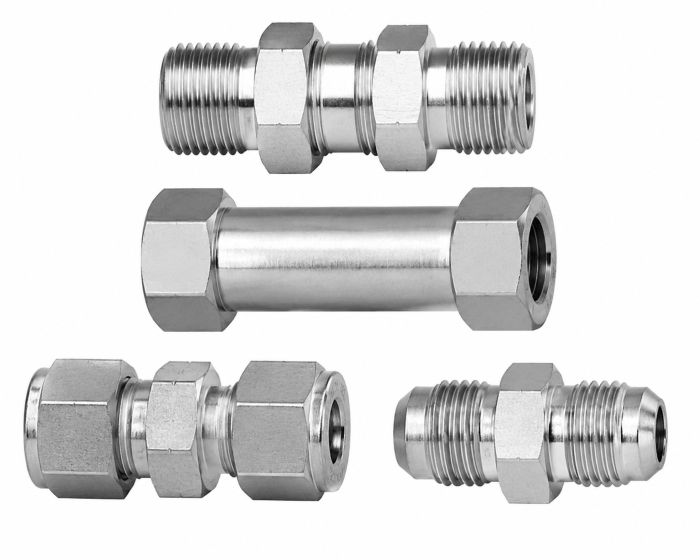
Straight hydraulic connectors are fittings designed to join two hydraulic components in a straight-line configuration. Unlike elbow or tee fittings that redirect fluid flow, straight connectors allow hydraulic oil to pass directly from one component to another with minimal restriction.
These connectors are commonly used to connect:
1. Hydraulic hoses
2. Steel hydraulic tubes
3. Pumps
4. Cylinders
5. Valves
6. Filters
7. Manifolds
8. Hydraulic power units
Their straightforward design makes them one of the most versatile and widely used hydraulic fittings across virtually every industry that relies on fluid power.
Basic Design
Although straight hydraulic connectors come in many sizes and standards, they generally share the same core features:
1. A straight body that provides a direct flow path
2. Male, female, or compression-style connections
3. Precision-machined threads
4. Integrated sealing surfaces
5. High-strength metal construction
6. Pressure-rated design for hydraulic applications
Depending on the application, sealing may be achieved through:
➡️ O-ring seals
➡️ 37-degree flare connections
➡️ 24-degree bite ring fittings
➡️ Bonded seals
➡️ Metal-to-metal contact
Each sealing method is designed to prevent hydraulic fluid leakage while maintaining pressure under demanding operating conditions.
Why Straight Hydraulic Connectors Matter
Hydraulic systems often operate at pressures ranging from 2,000 to over 6,000 PSI. Even a minor leak can reduce efficiency, contaminate the work environment, increase maintenance costs, and create safety hazards.
Straight hydraulic connectors help prevent these issues by providing:
1. Reliable leak-free sealing
2. Strong mechanical connections
3. Consistent hydraulic flow
4. Easy installation and maintenance
5. Long service life under high pressure
Because they introduce minimal flow restriction, straight connectors also help maintain system efficiency by reducing unnecessary pressure losses.
How Straight Hydraulic Connectors Work
Although their design appears simple, straight hydraulic connectors play a critical role in maintaining hydraulic pressure and preventing leaks.
Step 1: Connecting Two Components
The connector joins two hydraulic components, such as a hose and a valve or a tube and a pump. Both ends are carefully aligned to ensure a proper fit.
Step 2: Engaging the Threads
The threaded portions are tightened according to the manufacturer’s torque specifications. Proper thread engagement ensures both mechanical strength and sealing integrity.
Step 3: Creating the Seal
Depending on the connector type, sealing occurs through:
1. An O-ring compressed against a flat surface
2. A flare seated against a matching cone
3. A bite ring gripping the hydraulic tube
4. Metal-to-metal sealing surfaces
This seal prevents hydraulic fluid from escaping even under extremely high operating pressures.
Step 4: Maintaining Hydraulic Pressure
Once installed, the connector becomes an integral part of the hydraulic circuit. It withstands continuous pressure, vibration, temperature changes, and mechanical stress while keeping the system sealed.
Step 5: Allowing Smooth Fluid Flow
Because the connector maintains a straight internal passage, hydraulic oil flows with minimal turbulence or pressure drop. This helps maximize system efficiency and ensures components receive the required hydraulic pressure.
Main Types of Straight Hydraulic Connectors
Not all straight hydraulic connectors are the same. Different designs are intended for specific connection methods, equipment types, and pressure requirements.
Male Straight Connectors
Male straight connectors feature external threads that screw directly into female ports or adapters. They are among the most common hydraulic fittings and are available in various thread standards, including BSP, NPT, JIC, SAE, and metric.
Common Applications:
➡️ Hydraulic pumps
➡️ Directional control valves
➡️ Cylinders
➡️ Pressure gauges
➡️ Hydraulic manifolds
Advantages:
➡️ Easy installation
➡️ Secure threaded connection
➡️ Wide compatibility
➡️ Excellent pressure resistance
Female Straight Connectors
Female straight connectors contain internal threads designed to accept male fittings. They are commonly used on hoses, manifolds, and hydraulic equipment requiring removable connections.
Benefits:
➡️ Quick assembly
➡️ Reliable sealing
➡️ Simplified maintenance
➡️ Strong mechanical connection
Tube Straight Connectors
Tube connectors are designed specifically for rigid hydraulic tubing rather than flexible hoses. Many use compression or bite-ring technology, where a ferrule grips the tube as the fitting is tightened.
DIN 2353 bite-type fittings are widely used in industrial hydraulic systems because they provide excellent resistance to vibration and pressure.
Common Uses:
➡️ Industrial machinery
➡️ Manufacturing equipment
➡️ Mobile hydraulics
➡️ Hydraulic power units
Hose Straight Connectors
Hose straight connectors join hydraulic hoses to pumps, cylinders, valves, and other system components. They are available in crimped, reusable, and permanent styles depending on the hose type and application.
They are especially common in:
➡️ Construction equipment
➡️ Agricultural machinery
➡️ Mining equipment
➡️ Material handling systems
Bulkhead Straight Connectors
Bulkhead connectors allow hydraulic lines to pass safely through panels, machine frames, or equipment enclosures while maintaining a secure seal.
These fittings help organize hydraulic routing, improve equipment accessibility, and protect hoses and tubes from unnecessary movement.
Common Thread Types Used in Straight Hydraulic Connectors
One of the most important factors when selecting a straight hydraulic connector is ensuring the thread type matches your hydraulic system. Using an incompatible thread can result in leaks, damaged components, and costly downtime.
Below are the most common thread standards used in hydraulic applications.
1. BSPP (British Standard Parallel Pipe)
BSPP (British Standard Parallel Pipe) connectors feature parallel threads that require an additional sealing method, such as a bonded washer or O-ring, to create a leak-free connection.
These connectors are widely used in Europe, Asia, Australia, and many international hydraulic systems.
Advantages:
1. Reliable sealing with bonded seals or O-rings
2. Easy installation and maintenance
3. Common in industrial hydraulic equipment
4. Suitable for medium- and high-pressure applications
2. BSPT (British Standard Taper Pipe)
Unlike BSPP, BSPT connectors have tapered threads that tighten as they are screwed together. The taper helps create a pressure-resistant seal.
BSPT fittings are often found in industrial hydraulic systems and general fluid transfer applications.
Advantages:
1. Strong mechanical grip
2. Good pressure resistance
3. Widely available worldwide
4. Suitable for various hydraulic installations
3. NPT (National Pipe Thread)
NPT is one of the most commonly used thread standards in North America. Its tapered thread design creates a tight seal as the threads engage, often with the help of thread sealant or PTFE tape.
You’ll commonly find NPT connectors in:
1. Industrial equipment
2. Construction machinery
3. Agricultural equipment
4. Hydraulic power units
Advantages:
1. Excellent availability
2. Strong sealing performance
3. Widely accepted in North American industries
4. JIC 37° Flare
JIC (Joint Industry Council) connectors use a 37-degree flare seating surface instead of relying solely on thread sealing. As the male and female flare surfaces tighten together, they create a durable metal-to-metal seal.
JIC fittings are popular because they are easy to disconnect and reconnect without significantly affecting sealing performance.
Advantages:
➡️ Reusable design
➡️ Excellent vibration resistance
➡️ Reliable high-pressure sealing
➡️ Easy field maintenance
5. ORFS (O-Ring Face Seal)
ORFS connectors use an O-ring located on the face of the fitting to create an exceptionally reliable seal. When tightened, the O-ring compresses against the flat mating surface, preventing fluid leakage even under severe operating conditions.
These fittings are commonly used in heavy-duty hydraulic systems where leak prevention is critical.
Advantages:
➡️ Outstanding leak resistance
➡️ Excellent for high-pressure systems
➡️ Performs well under vibration
➡️ Reduced maintenance requirements
6. Metric DIN Connectors
Metric DIN connectors are widely used in European hydraulic equipment and comply with standards such as DIN 2353. Many use a bite-ring compression design that securely grips the hydraulic tube while creating a pressure-tight seal.
These fittings are commonly found in:
➡️ Industrial automation
➡️ Mobile hydraulics
➡️ Manufacturing equipment
➡️ Heavy machinery
Advantages:
1. High-pressure capability
2. Excellent vibration resistance
3. Precise engineering
4. Long service life
Materials Used in Straight Hydraulic Connectors
The material used to manufacture a hydraulic connector directly affects its strength, corrosion resistance, durability, and overall lifespan. Choosing the right material depends on the operating environment, hydraulic fluid, pressure rating, and maintenance requirements.
1. Carbon Steel
Carbon steel is the most commonly used material for hydraulic connectors because it offers an excellent balance of strength, durability, and affordability.
Most carbon steel fittings are treated with protective coatings such as zinc plating or zinc-nickel plating to improve corrosion resistance.
Benefits include:
➡️ High tensile strength
➡️ Excellent pressure resistance
➡️ Cost-effective solution
➡️ Suitable for most industrial hydraulic systems
2. Stainless Steel
Stainless steel connectors are preferred for harsh environments where moisture, chemicals, or saltwater exposure can cause corrosion.
These fittings are commonly used in:
1. Marine hydraulics
2. Food processing equipment
3. Chemical plants
4. Pharmaceutical manufacturing
5. Offshore installations
Benefits include:
1. Outstanding corrosion resistance
2. Long service life
3. Low maintenance
4. Excellent appearance
3. Brass
Although brass is not typically used in extremely high-pressure hydraulic systems, it remains a good choice for lower-pressure hydraulic and pneumatic applications.
Its natural corrosion resistance makes it ideal for environments where rust prevention is important.
Common applications include:
➡️ Light hydraulic systems
➡️ Lubrication equipment
➡️ Pneumatic machinery
➡️ Instrumentation
4. Specialty Alloys
Some demanding applications require connectors made from specialized alloys designed to withstand extreme temperatures, corrosive chemicals, or exceptionally high pressures.
Industries using specialty alloys include:
➡️ Oil and gas
➡️ Aerospace
➡️ Offshore drilling
➡️ Heavy industrial processing
Although these materials are more expensive, they provide exceptional durability under the toughest operating conditions.
Benefits of Straight Hydraulic Connectors
Straight hydraulic connectors may seem like simple components, but they play a major role in the overall performance and reliability of hydraulic systems. Their practical design delivers several important advantages across a wide range of applications.
1. Leak-Free Connections
One of the biggest advantages of straight hydraulic connectors is their ability to create secure, leak-resistant seals. Whether they use O-rings, flare fittings, or bite-ring technology, these connectors help prevent hydraulic fluid loss.
Reducing leaks offers several benefits:
➡️ Improved workplace safety
➡️ Lower fluid consumption
➡️ Cleaner equipment
➡️ Reduced environmental impact
➡️ Lower maintenance costs
2. Excellent High-Pressure Performance
Modern hydraulic systems often operate under extremely high pressures. Straight connectors are specifically engineered to withstand these demanding conditions without compromising sealing performance.
Quality connectors maintain their integrity even when exposed to:
➡️ Pressure spikes
➡️ Continuous vibration
➡️ Heavy mechanical loads
➡️ Frequent pressure cycling
3. Easy Installation
Because they connect components in a straight line, these fittings are generally easier to install than angled connectors.
Their straightforward design allows technicians to:
➡️ Assemble systems faster
➡️ Replace fittings more easily
➡️ Perform maintenance efficiently
➡️ Reduce installation errors
4. Improved Hydraulic Efficiency
Straight connectors provide a direct path for hydraulic fluid, minimizing turbulence and unnecessary flow restrictions.
This efficient flow helps:
➡️ Reduce pressure loss
➡️ Improve equipment responsiveness
➡️ Increase system efficiency
➡️ Maintain consistent hydraulic performance
5. Long Service Life
High-quality hydraulic connectors are built from durable materials that resist wear, vibration, and corrosion.
When properly installed and maintained, they can provide years of dependable service, even in demanding industrial environments.
6. Lower Maintenance Costs
Reliable connectors reduce the likelihood of leaks, fitting failures, and unexpected downtime. Over time, this translates into lower repair costs and improved equipment productivity.
For businesses that rely on hydraulic machinery, minimizing maintenance interruptions can significantly improve operational efficiency.
Common Applications of Straight Hydraulic Connectors
Straight hydraulic connectors are found in nearly every industry that relies on hydraulic power. Their simple yet durable design makes them suitable for both stationary and mobile equipment operating under demanding conditions.
Whether the system powers heavy construction machinery or precision manufacturing equipment, these connectors ensure hydraulic fluid flows safely and efficiently between components.
Construction Equipment
Construction machinery operates in harsh environments where dust, vibration, and heavy loads are constant challenges. Straight hydraulic connectors provide dependable connections that can withstand these demanding conditions while maintaining consistent hydraulic pressure.
Common equipment includes:
➡️ Excavators
➡️ Bulldozers
➡️ Wheel loaders
➡️ Backhoes
➡️ Cranes
➡️ Skid steer loaders
These connectors are commonly used in hydraulic cylinders, boom controls, steering systems, and auxiliary hydraulic circuits.
Agricultural Machinery
Modern farming depends heavily on hydraulic systems to operate equipment efficiently. Straight hydraulic connectors help power implements and attachments that perform planting, harvesting, spraying, and material handling.
Typical agricultural applications include:
1. Tractors
2. Harvesters
3. Balers
4. Seeders
5. Sprayers
6. Front-end loaders
Because agricultural equipment often works outdoors in wet, muddy, and dusty environments, corrosion-resistant connectors are especially valuable.
Manufacturing and Industrial Equipment
Hydraulic systems play a vital role in factory automation and industrial production. Straight hydraulic connectors provide reliable fluid transfer while helping maintain precision and efficiency.
Common industrial equipment includes:
1. Hydraulic presses
2. Injection molding machines
3. CNC machines
4. Metal forming equipment
5. Material handling systems
6. Robotic production lines
Their ability to maintain stable pressure contributes to accurate and repeatable machine performance.
Mining Equipment
Mining operations place extraordinary demands on hydraulic components. Equipment often operates continuously under high pressure while exposed to dirt, rocks, moisture, and vibration.
Straight hydraulic connectors are widely used in:
1. Drilling rigs
2. Hydraulic shovels
3. Crushers
4. Underground mining equipment
5. Haul trucks
6. Loaders
High-quality connectors reduce the risk of hydraulic failures that could interrupt production or compromise worker safety.
Oil and Gas Industry
Hydraulic systems are essential in both onshore and offshore oil and gas operations. Straight hydraulic connectors are used in control systems, drilling equipment, valves, and high-pressure hydraulic circuits.
In these environments, connectors must withstand:
1. High operating pressures
2. Corrosive chemicals
3. Saltwater exposure
4. Extreme temperatures
Stainless steel connectors are often preferred because of their superior corrosion resistance.
Marine Applications
Marine hydraulic systems require components that can resist corrosion while delivering dependable performance. Straight hydraulic connectors are commonly found in:
1. Hydraulic steering systems
2. Deck machinery
3. Winches
4. Cranes
5. Stabilizers
6. Hatch covers
Choosing corrosion-resistant materials helps extend service life in saltwater environments.
Material Handling Equipment
Warehouses and logistics facilities rely on hydraulic equipment to move heavy loads safely and efficiently.
Straight hydraulic connectors are commonly used in:
➡️ Forklifts
➡️ Lift tables
➡️ Scissor lifts
➡️ Pallet handling equipment
➡️ Warehouse automation systems
Reliable hydraulic connections help minimize downtime and keep operations running smoothly.
How to Choose the Right Straight Hydraulic Connector
Selecting the correct hydraulic connector is about more than matching thread sizes. The right choice ensures system safety, minimizes maintenance, and improves long-term performance.
Here are the key factors to consider before making a selection.
1. Operating Pressure
Always verify that the connector’s pressure rating meets or exceeds your system’s maximum operating pressure. Using an underrated fitting can lead to leaks, premature wear, or catastrophic failure.
2. Thread Compatibility
Hydraulic connectors are available in a variety of thread standards, including BSPP, BSPT, NPT, JIC, ORFS, and Metric DIN. Mixing incompatible thread types can damage components and compromise sealing performance.
Before installation, confirm:
➡️ Thread type
➡️ Thread size
➡️ Thread pitch
➡️ Sealing method
3. Tube or Hose Size
The connector must match the outside diameter of the hydraulic tube or the inside diameter of the hose. Incorrect sizing can restrict flow, reduce efficiency, or create unsafe pressure conditions.
4. Material Selection
Choose a material that matches your operating environment:
1. Carbon steel for general industrial use
2. Stainless steel for marine, food processing, and corrosive environments
3. Brass for lower-pressure hydraulic and pneumatic applications
4. Specialty alloys for extreme conditions
5. Hydraulic Fluid Compatibility
Not all sealing materials are compatible with every hydraulic fluid. Ensure that the connector and its seals can withstand the specific fluid used in your system, whether it’s mineral oil, synthetic fluid, or biodegradable hydraulic oil.
6. Temperature Range
Hydraulic systems may operate in freezing outdoor conditions or near high-temperature industrial processes. Select connectors and sealing materials rated for your system’s expected temperature range.
7. Corrosion Resistance
If equipment operates outdoors or in environments exposed to moisture, chemicals, or saltwater, corrosion-resistant materials and protective coatings can significantly extend connector life.
8. Industry Standards
Using connectors manufactured to recognized standards helps ensure compatibility, safety, and consistent performance. Look for compliance with standards such as DIN, ISO, and SAE.
9. Installation Space
Although straight connectors are compact, available space should still be considered. Ensure there is enough room for proper installation, tightening, and future maintenance.
10. Maintenance Requirements
Connectors that are easy to inspect, disconnect, and replace can reduce maintenance time and minimize equipment downtime.
Installation Best Practices
Even the highest-quality hydraulic connector can fail if it is installed incorrectly. Proper installation helps maximize sealing performance, extend component life, and prevent costly leaks.
Before Installation
Preparation is the first step toward a reliable hydraulic connection.
Before assembling the system:
1. Inspect all connectors for damage or defects.
2. Clean threads, ports, and sealing surfaces thoroughly.
3. Verify that thread types and sizes are compatible.
4. Check that O-rings or seals are in good condition.
5. Replace any worn or damaged components before installation.
During Installation
Careful assembly helps protect both the connector and the hydraulic system.
Follow these best practices:
1. Align the connector properly before threading.
2. Hand-tighten first to avoid cross-threading.
3. Use the correct torque recommended by the manufacturer.
4. Avoid over-tightening, which can damage threads or sealing surfaces.
5. Do not force mismatched thread types together.
After Installation
Once the connector is installed:
1. Perform a pressure test before returning the equipment to service.
2. Inspect all connections for leaks.
3. Monitor the system during initial operation.
4. Recheck torque if recommended after the first operating cycle.
Routine inspections during scheduled maintenance can identify minor issues before they become major problems.
Common Problems and Troubleshooting
Even high-quality straight hydraulic connectors can develop problems over time due to improper installation, wear, contamination, or harsh operating conditions. Identifying these issues early can help prevent costly equipment downtime, hydraulic fluid loss, and safety risks.
Below are some of the most common problems associated with straight hydraulic connectors, along with their likely causes and recommended solutions.
|
Problem |
Possible Cause |
Recommended Solution |
|
Hydraulic fluid leaks |
Damaged O-ring, worn seal, loose connection, or incorrect thread type |
Replace the damaged seal, verify thread compatibility, and tighten the connector to the manufacturer’s recommended torque. |
|
Loose hydraulic connection |
Insufficient tightening, vibration, or improper installation |
Reinstall the connector using the correct torque specifications and inspect for vibration-related damage. |
|
Cross-threading |
Connector installed at an angle or incompatible threads forced together |
Replace the damaged connector and port if necessary. Always hand-thread fittings first before using tools. |
|
Corrosion or rust |
Exposure to moisture, chemicals, or saltwater |
Replace corroded connectors with stainless steel or corrosion-resistant coated fittings suitable for the environment. |
|
Pressure loss |
Internal blockage, undersized connector, or partially closed hydraulic circuit |
Inspect the connector for debris, verify the correct fitting size, and clean or replace blocked components. |
|
Connector cracks or deformation |
Excessive system pressure, impact damage, or over-tightening |
Replace the connector immediately and verify that the fitting is properly rated for the operating pressure. |
|
Damaged sealing surfaces |
Scratches, dents, or improper handling during installation |
Replace damaged components and protect sealing surfaces from impact or contamination during assembly. |
|
Excessive vibration |
Poorly supported hydraulic lines or loose fittings |
Secure hydraulic hoses and tubes with appropriate clamps and inspect the connector for wear caused by vibration. |
|
Premature connector failure |
Incorrect material selection, incompatible hydraulic fluid, or operating beyond design limits |
Choose connectors with the appropriate material, pressure rating, and seal compatibility for your application. |
|
Difficulty during installation |
Dirty threads, damaged threads, or incorrect connector size |
Clean all threaded components, inspect for damage, and confirm the correct thread standard and size before installation. |
Preventive Maintenance Tips
Many connector-related problems can be avoided through regular inspection and proper maintenance. Consider the following best practices:
1. Inspect hydraulic connectors routinely for signs of leaks, corrosion, or mechanical damage.
2. Clean connectors and surrounding components to prevent dirt and debris from entering the hydraulic system.
3. Replace worn O-rings and seals during scheduled maintenance.
4. Verify that fittings remain tightened to the recommended torque, especially on equipment exposed to constant vibration.
5. Avoid mixing different thread standards, such as BSP, NPT, JIC, or Metric, unless they are specifically designed to be compatible.
6. Use only connectors that meet the required pressure rating and industry standards for your hydraulic system.
7. Replace connectors showing cracks, excessive corrosion, or thread damage rather than attempting temporary repairs.
When Should You Replace a Straight Hydraulic Connector?
Although hydraulic connectors are built for long service life, they should be replaced immediately if you notice:
1. Persistent hydraulic leaks after re-tightening
2. Cracked or deformed fitting bodies
3. Damaged or stripped threads
4. Excessive corrosion or pitting
5. Worn or damaged sealing surfaces
6. Signs of fatigue caused by repeated pressure cycles
7. Connectors that no longer meet the system’s pressure or performance requirements
Replacing a worn connector before it fails is far less expensive than dealing with unexpected downtime, equipment damage, or hydraulic fluid contamination.
Conclusion
Straight hydraulic connectors are essential for creating secure, leak-free connections that keep hydraulic systems operating efficiently and reliably. By selecting the right connector type, thread standard, material, and following proper installation and maintenance practices, you can improve system performance, reduce downtime, and extend equipment life.
Investing in high-quality, standards-compliant hydraulic connectors ensures long-lasting performance across a wide range of industrial and mobile hydraulic applications.
Post time: Jul-20-2026