

Hydraulic pump plugs are small components, but they play an important role in keeping hydraulic systems sealed, protected, and ready for reliable operation. They are commonly used to close unused ports, seal openings during maintenance, prevent contamination, and protect internal passages from dirt and moisture.
Because hydraulic pumps operate under different pressures and conditions, pump plugs are available in various designs, thread types, materials, and sealing configurations. Choosing the right plug depends on more than simply matching its outside diameter to a port.
This guide covers the common types of hydraulic pump plugs, their applications, materials, and the key factors to consider when selecting one.
What Is a Hydraulic Pump Plug?
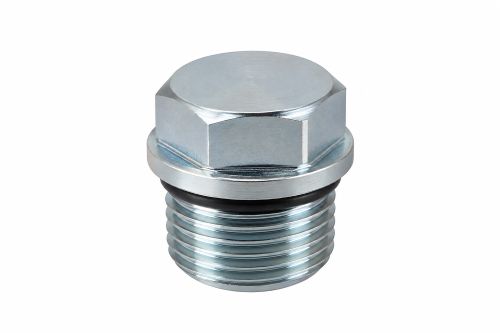
A hydraulic pump plug is a component used to close or seal an opening on a hydraulic pump, pump housing, manifold, or related hydraulic component. Depending on the design, the plug may be permanently installed or removed periodically during inspection, servicing, or system maintenance.
Many hydraulic pumps have ports that are not used in every application. Instead of leaving these openings exposed, a suitable plug can be installed to prevent hydraulic fluid from escaping and contaminants from entering the system.
Pump plugs can use different connection methods, including threaded designs. Common thread standards include NPT, BSP, metric, and SAE-related configurations. Some plugs also use O-rings, bonded seals, or other sealing elements to improve leak resistance.
The correct plug should always be selected according to the pump manufacturer’s specifications, including thread, pressure, temperature, fluid compatibility, and sealing requirements.
Common Types of Hydraulic Pump Plugs
Hydraulic pump plugs come in several configurations. The most suitable type depends on the pump design, installation space, operating conditions, and maintenance requirements.
1. Threaded Hydraulic Pump Plugs
Threaded plugs are among the most common designs. They screw directly into a threaded port on the pump or hydraulic component.
The plug may have external or internal features that allow it to be tightened with a wrench, socket, or hex key. Threaded plugs are popular because they are relatively simple to install and can provide a secure mechanical connection when properly matched to the port.
Different hydraulic systems may use NPT, BSP, metric, SAE, or other thread configurations. The thread type should always be confirmed before installation because similar-looking threads are not necessarily interchangeable.
Typical applications include:
➡️ Closing unused pump ports
➡️ Sealing hydraulic manifold openings
➡️ Protecting threaded passages during equipment storage
➡️ Temporary closure during maintenance
➡️ Hydraulic pump and valve assemblies
2. Hex Head Hydraulic Pump Plugs
Hex head plugs feature a six-sided external head that can be tightened or removed with a wrench or socket.
This design is useful where regular maintenance or inspection is expected. The external hex provides a convenient tool-engagement surface and can make installation easier in accessible locations.
Hex head plugs are commonly manufactured from carbon steel, stainless steel, or other materials suitable for hydraulic applications. Some versions also include a sealing washer or other sealing element.
They are frequently used on pumps, hydraulic blocks, manifolds, reservoirs, and other components where a robust and serviceable plug is needed.
3. Allen Head or Socket Hydraulic Pump Plugs
Allen head plugs, also called socket-head plugs, have a recessed hexagonal opening that accepts an Allen key or hex driver.
Their main advantage is their compact design. Since the tool engagement is located inside the plug rather than on an external hex head, they can be useful in areas where installation space is limited.
For example, a pump may have a port positioned close to another component, making it difficult to use a conventional wrench. A socket-head plug can provide a practical alternative.
These plugs are often used in compact hydraulic manifolds, pumps, valve blocks, and other assemblies where space is restricted.
4. Hydraulic Magnetic Pump Plugs
Magnetic plugs contain a magnet designed to attract ferrous metal particles present in hydraulic fluid.
As hydraulic components wear, small metal particles can sometimes enter the fluid. A magnetic plug can collect ferrous debris around the magnetic element, making it easier to detect signs of component wear during maintenance.
Magnetic plugs are particularly useful in systems where contamination monitoring is important. During servicing, technicians can remove the plug and inspect the collected particles.
They are commonly found in:
➡️ Hydraulic reservoirs
➡️ Gear housings
➡️ Pump assemblies
➡️ Transmission and lubrication systems
➡️ Industrial hydraulic equipment
A magnetic plug does not replace proper hydraulic filtration. Instead, it can provide an additional method of detecting and controlling ferrous contamination.
5. Hydraulic Drain Plugs
Drain plugs are designed to close an opening used for draining hydraulic fluid during maintenance.
A drain plug needs to provide a reliable seal while also allowing relatively easy removal when the hydraulic fluid needs to be replaced or the system needs to be serviced.
Depending on the equipment design, drain plugs may include an external hex head, internal socket, magnetic element, O-ring, bonded seal, or other sealing arrangement.
Drain plugs are commonly used on hydraulic reservoirs, pump housings, gear cases, and other fluid-containing components.
6. Sealing Hydraulic Pump Plugs
Some hydraulic pump plugs are specifically designed with an integrated sealing element. This can include an O-ring, bonded seal, sealing washer, or another type of elastomeric component.
The sealing method is important because the plug’s threads alone may not provide the required fluid-tight connection.
For example, an O-ring can seal between mating surfaces while the threads provide the mechanical connection. A bonded seal can also provide sealing around a threaded connection and is commonly used in hydraulic applications.
When selecting a sealing plug, the sealing material should be compatible with the hydraulic fluid, operating temperature, and pressure conditions.
Checkout these other resources ⬇️⬇️⬇️
Understanding Hydraulic Cylinder Gland Caps and Their Role
Hydraulic Flare Caps: Types, Uses, and Applications
What Are Hydraulic Steering End Caps Used For?
Hydraulic Pump Plug Materials
Material selection is another important consideration. Hydraulic pump plugs are available in several materials, with carbon steel and stainless steel being common choices.
Carbon Steel
Carbon steel plugs are widely used in industrial hydraulic systems because they provide good mechanical strength and can be cost-effective for general applications.
Many carbon steel plugs receive a protective surface treatment, such as zinc plating, to improve corrosion resistance.
Stainless Steel
Stainless steel plugs are useful where corrosion resistance is especially important. They may be selected for outdoor equipment, humid environments, chemical-processing applications, or systems where greater resistance to corrosion is required.
However, stainless steel should still be selected based on the specific application and compatibility requirements.
Brass
Brass plugs are used in some hydraulic and fluid-handling applications where their material properties are appropriate. They can provide good corrosion resistance and are often used in applications with less demanding mechanical requirements.
The material should always be matched to the pressure, temperature, fluid, and mechanical requirements of the system.
Applications of Hydraulic Pump Plugs
Hydraulic pump plugs are used across many types of equipment. Their exact application depends on the pump and system design.
Construction Equipment
Excavators, loaders, cranes, and other construction machines use hydraulic pumps and circuits with multiple ports. Plugs can be used to close unused openings or protect ports during service.
Agricultural Machinery
Tractors, harvesters, sprayers, and other agricultural equipment rely heavily on hydraulic systems. Hydraulic pump plugs can help protect unused ports and facilitate maintenance.
Industrial Hydraulic Systems
Industrial machinery often contains pumps, valves, manifolds, cylinders, and hydraulic power units. Plugs are used throughout these systems to seal unused connections and provide access for maintenance.
Mobile Hydraulic Equipment
Mobile equipment can operate in dusty, wet, and demanding environments. Properly installed plugs can help prevent contaminants from entering open hydraulic passages.
Hydraulic Maintenance and Repair
During maintenance, hydraulic components may be disconnected from hoses or other equipment. Suitable plugs can temporarily close openings and help reduce fluid loss and contamination.
How to Choose the Right Hydraulic Pump Plug
Selecting a pump plug should begin with the specifications of the hydraulic port rather than the appearance of the plug.
Check the Thread Type and Size
The thread must match the port correctly. Common options include NPT, BSP, metric, and SAE-related threads.
A plug that appears to fit but uses the wrong thread can damage the port, create leakage, or fail to withstand operating conditions.
Check the Pressure Rating
The plug should be suitable for the pressure of the application. A component intended for a low-pressure application should not automatically be used in a high-pressure hydraulic circuit.
Always check the manufacturer’s pressure specifications and application requirements.
Select the Appropriate Material
Consider the working environment, hydraulic fluid, temperature, corrosion exposure, and mechanical loads.
Carbon steel may be suitable for many general applications, while stainless steel may be preferable in more corrosive environments.
Consider the Sealing Method
Determine whether the port requires an O-ring, bonded seal, sealing washer, thread sealant, or another sealing method.
Using the wrong sealing arrangement can result in leakage even when the thread itself is correct.
Consider Installation Space
If the plug is located in a confined area, a socket-head design may be more practical than an external hex plug.
The available tool clearance should be considered before selecting the plug.
Check Temperature and Fluid Compatibility
The plug material and any sealing element must be compatible with the hydraulic fluid and operating temperature.
This is particularly important when the plug uses elastomeric seals, because different sealing materials have different temperature and fluid-resistance characteristics.
Problems Caused by Using the Wrong Hydraulic Pump Plug
Using an incorrectly selected plug can create several problems.
Hydraulic leakage is one of the most obvious. An incorrect thread or sealing arrangement can allow hydraulic oil to escape.
Thread damage can occur when incompatible threads are forced together. This may permanently damage the pump housing or port.
Plug loosening can happen when the connection is not properly designed or tightened. Vibration and pressure cycling can make the problem worse.
Corrosion can affect plugs installed in wet, outdoor, or chemically aggressive environments if the material or surface treatment is unsuitable.
Contamination is another concern. A damaged or poorly sealed plug may allow dirt, water, or other contaminants to enter the hydraulic circuit.
For these reasons, a hydraulic pump plug should be treated as a functional hydraulic component rather than simply a piece of hardware used to fill an opening.
Installation and Maintenance Tips
Before installing a hydraulic pump plug, clean the port and inspect the threads for damage. Dirt or metal particles around the connection can interfere with proper sealing.
If the plug uses an O-ring or other seal, inspect the seal before installation. Replace damaged, hardened, or worn sealing elements.
Install the plug according to the manufacturer’s recommended procedure and tightening torque. Avoid excessive tightening, as over-torquing can damage threads, seals, or the pump housing.
After installation, inspect the connection for leakage once the hydraulic system is operating.
During routine maintenance, check plugs for corrosion, damaged threads, worn seals, or signs of fluid leakage. Magnetic plugs should also be inspected for unusual amounts of metal debris, which may indicate wear elsewhere in the hydraulic system.
Hydraulic Pump Plugs vs. Hydraulic Caps
Hydraulic plugs and hydraulic caps can perform similar protective functions, but they are not necessarily the same component.
A plug is generally designed to close an opening or port, often by engaging with internal threads or another connection inside the opening. A cap generally fits over or onto a port, fitting, or external connection.
The correct terminology depends on the component design and manufacturer’s specifications. When purchasing replacement parts, it is more important to verify the connection dimensions, thread type, sealing method, and application than to rely on the name alone.
Final Thoughts
Hydraulic pump plugs are simple components with an important job. They can close unused ports, prevent fluid leakage, protect hydraulic passages from contamination, and provide convenient access during maintenance.
Common designs include threaded plugs, hex head plugs, socket-head plugs, magnetic plugs, drain plugs, and plugs with integrated sealing elements. The right choice depends on the hydraulic pump, port design, pressure, material, sealing method, temperature, and operating environment.
For reliable performance, always verify the plug specifications against the hydraulic pump manufacturer’s requirements. A correctly matched plug can help maintain a clean, sealed, and dependable hydraulic system.
Post time: Sep-28-2026