

Hydraulic systems depend on secure connections to move fluid safely and efficiently. A small leak or poorly installed fitting can reduce system performance, cause pressure loss, and lead to costly downtime. This is why choosing the right tube fitting is important.
Hydraulic bite type tube fittings are widely used for connecting hydraulic tubes in industrial and mobile hydraulic systems. They use a cutting ring, also called a ferrule, to grip the tube and create a reliable mechanical connection.
In this guide, we will explain what hydraulic bite type tube fittings are, how they work, their main types, applications, benefits, and how to choose and install them correctly.
What Are Hydraulic Bite Type Tube Fittings?
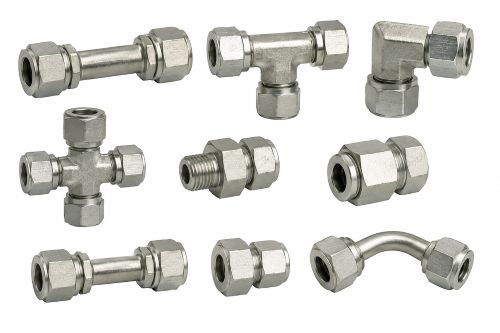
Hydraulic bite type tube fittings are mechanical fittings designed to connect hydraulic tubes without welding or flaring the tube. They typically consist of a fitting body, cutting ring, and nut.
During installation, the tube is inserted into the fitting body, and the nut is tightened. As the nut moves forward, the cutting ring is forced onto the tube. The ring creates a controlled bite into the tube surface, securing it firmly inside the fitting.
At the same time, the fitting’s sealing surfaces create a tight connection that helps prevent hydraulic fluid from escaping.
These fittings are commonly available in different sizes, configurations, materials, and pressure ratings to meet the requirements of various hydraulic applications.
How Do Hydraulic Bite Type Tube Fittings Work?
The working principle of a bite type fitting is relatively simple.
First, the hydraulic tube is cut to the required length and properly prepared. The tube is then inserted completely into the fitting body. When the nut is tightened, the cutting ring moves forward and grips the outside surface of the tube.
The ring creates a mechanical connection between the tube and fitting. This prevents the tube from pulling out during normal hydraulic operation.
The sealing action takes place between the fitting components and the tube connection. When correctly assembled, the fitting provides a secure and leak-resistant connection capable of handling demanding hydraulic conditions.
Proper tube preparation and assembly are essential. Incorrect tightening, damaged tubing, or mismatched components can result in leaks or connection failure.
Main Types of Hydraulic Bite Type Tube Fittings
Hydraulic bite type tube fittings are available in many configurations. Choosing the right type depends on the tube layout and the requirements of the hydraulic system.
1. Straight Bite Type Fittings
Straight fittings connect two components in a straight line. They are commonly used where the hydraulic tube and connected component are aligned.
They are useful for simple tube connections and are available in various tube and thread sizes.
2. Elbow Bite Type Fittings
Elbow fittings change the direction of a hydraulic tube. Common configurations include 45-degree and 90-degree elbows.
They are useful when tubing needs to be routed around equipment, components, or confined spaces. Proper routing can also help reduce unnecessary bends and improve system organization.
3. Tee Bite Type Fittings
Tee fittings have three connection points and are used when one hydraulic line needs to branch into two lines.
They are commonly found in hydraulic circuits where fluid needs to be distributed between multiple components.
4. Cross Bite Type Fittings
Cross fittings provide four connection points. They can be used when several hydraulic lines need to connect at a common point.
Their application depends on the hydraulic circuit design and available space.
5. Bulkhead Bite Type Fittings
Bulkhead fittings are designed to pass hydraulic tubing through a panel, wall, or equipment frame.
They are particularly useful in machines where hydraulic lines need to move between separate compartments while maintaining a secure connection.
6. Union and Reducer Fittings
Union fittings connect two tubes of the same size, while reducer fittings connect tubes with different outside diameters.
These fittings are useful when extending hydraulic tubing or adapting a hydraulic circuit to different tube sizes.
Common Materials Used in Bite Type Tube Fittings
Material selection is important because hydraulic fittings operate under different pressures, temperatures, and environmental conditions.
Carbon Steel
Carbon steel is one of the most common materials for hydraulic bite type fittings. It offers good strength and is suitable for many general-purpose hydraulic applications.
Surface treatments such as zinc plating may be used to improve corrosion resistance.
Stainless Steel
Stainless steel fittings provide excellent corrosion resistance and are suitable for harsh environments.
They are often used in applications involving moisture, chemicals, marine environments, food-processing equipment, or other conditions where corrosion resistance is important.
Brass
Brass may be used for certain lower-pressure or specialized applications. Its suitability depends on the hydraulic fluid, pressure, temperature, and system requirements.
The fitting material should always be selected according to the operating conditions rather than cost alone.
Common Thread and Tube Standards
Hydraulic bite type fittings are manufactured according to different standards and dimensional systems.
Metric bite type fittings are widely used in industrial hydraulic applications. DIN 2353 and ISO 8434-1 are commonly associated with bite type tube connection systems.
These fittings are often available in different series, including Light Series (L) and Heavy Series (S). The appropriate series depends on the tube size, pressure requirements, and applicable standard.
Thread type is also important. A fitting with the wrong thread cannot create a reliable connection, even if the outside dimensions appear similar.
Before installation, always verify:
1. Tube outside diameter
2. Thread size
3. Thread type
4. Fitting series
5. Applicable standard
6. Pressure rating
7. Material
Never assume that two fittings are interchangeable simply because they look similar.
Applications of Hydraulic Bite Type Tube Fittings
Hydraulic bite type tube fittings are used across many industries because they provide practical and reliable tube connections.
Construction Equipment
Excavators, loaders, cranes, and other construction machines use hydraulic systems to control movement and power.
Bite type fittings can be used to connect hydraulic tubing in these demanding applications.
Agricultural Machinery
Tractors, harvesters, sprayers, and other agricultural equipment use hydraulic circuits for steering, lifting, and other functions.
Reliable tube connections help these machines operate efficiently in challenging environments.
Industrial Hydraulic Systems
Manufacturing equipment, hydraulic presses, machine tools, and production machinery often require secure tube connections.
Bite type fittings can provide an efficient alternative to welded or flared tube connections.
Mobile Hydraulics
Mobile hydraulic equipment experiences vibration, movement, and changing operating conditions. Properly selected and installed bite type fittings can help maintain reliable tube connections.
Mining and Heavy-Duty Machinery
Mining and heavy-duty equipment often operates under demanding conditions. Fittings used in these systems must be selected according to pressure, vibration, temperature, and environmental requirements.
Hydraulic Power Units
Hydraulic power units use tubing and fittings to connect pumps, valves, reservoirs, and actuators. Bite type fittings can be used in suitable tube connection applications within these systems.
Benefits of Hydraulic Bite Type Tube Fittings
1. Reliable Leak Prevention
A correctly assembled bite type fitting creates a secure connection that helps prevent hydraulic fluid leakage.
Reducing leaks is important because hydraulic fluid loss can lower system efficiency and create maintenance problems.
2. High-Pressure Performance
Many bite type fitting systems are designed for demanding hydraulic applications.
However, actual pressure capability depends on the fitting series, tube size, material, design, and manufacturer specifications. Always check the rated working pressure before selecting a fitting.
3. Easy Installation
Bite type fittings do not normally require tube welding or flaring. This can simplify installation and reduce the need for specialized equipment.
Correct tube preparation and assembly are still essential for achieving a reliable connection.
4. Vibration Resistance
Hydraulic machinery often produces vibration. A properly assembled bite type connection provides a mechanical grip on the tube that helps maintain connection integrity during normal operation.
5. Versatile Configurations
These fittings are available in straight, elbow, tee, cross, bulkhead, union, and reducer configurations.
This variety makes it easier to design hydraulic tube layouts for different equipment configurations.
6. Easy Maintenance
Bite type fittings can be inspected and serviced during routine hydraulic system maintenance. Damaged or worn components can be replaced according to the manufacturer’s recommendations.
Hydraulic Bite Type Tube Fittings vs. Other Tube Fittings
Different hydraulic tube connection methods have different advantages.
Bite type fittings use a cutting ring to grip the tube and create a mechanical connection.
Compression fittings generally use a ferrule or compression element that is compressed around the tube during tightening.
Flared fittings create a seal by forming the end of the tube into a flare that mates with the fitting.
Welded connections permanently join components through welding and may be appropriate for certain specialized applications.
The best option depends on pressure requirements, tube material, installation conditions, service environment, maintenance needs, and applicable standards.
How to Choose the Right Hydraulic Bite Type Tube Fittings
Choosing the correct fitting involves more than simply matching the tube size.
1. Check the Tube Outside Diameter
Measure or verify the tube’s outside diameter. Bite type fittings are designed for specific tube dimensions, so the fitting must match the tube correctly.
2. Determine the Pressure Requirement
Identify the system’s normal and maximum working pressure.
Choose a fitting and tube combination with an appropriate pressure rating and safety margin based on the manufacturer’s specifications.
3. Select the Correct Series
Determine whether the application requires a Light Series or Heavy Series fitting. The correct choice depends on tube dimensions, pressure, and the relevant standard.
4. Choose the Right Material
Carbon steel may be suitable for many general applications, while stainless steel can be preferable in corrosive environments.
5. Confirm the Thread Type
Make sure the fitting thread matches the mating component. Check thread size, profile, and standard before installation.
6. Consider Temperature and Fluid Compatibility
Hydraulic fluid type and operating temperature can affect material and seal selection.
The fitting should be compatible with the hydraulic fluid and expected temperature range.
7. Consider the Installation Environment
Think about vibration, moisture, chemicals, temperature changes, available space, and exposure to contaminants.
These factors can influence the best fitting material and configuration.
Installation Tips for Bite Type Tube Fittings
Correct installation is critical for leak-free hydraulic connections.
Step 1: Prepare the Tube
Cut the tube cleanly and squarely. Avoid creating excessive deformation at the tube end.
Step 2: Remove Burrs
Remove internal and external burrs after cutting. Clean the tube to remove metal particles, dirt, and other contaminants.
Step 3: Inspect the Components
Check the fitting body, cutting ring, and nut for damage. Do not install visibly damaged components.
Step 4: Insert the Tube
Insert the tube fully into the fitting body according to the manufacturer’s assembly instructions.
Step 5: Tighten Correctly
Tighten the fitting according to the manufacturer’s specified procedure. Avoid guessing the tightening amount because different fitting designs may require different assembly methods.
Step 6: Inspect the Connection
After assembly, inspect the connection and perform the appropriate pressure or leak test before placing the hydraulic system into normal service.
Never tighten a pressurized hydraulic connection.
Common Problems and Troubleshooting
Hydraulic Fluid Leakage
Leaks may result from incorrect assembly, damaged components, contaminated sealing surfaces, improper tube preparation, or using the wrong fitting.
Inspect the connection and follow the manufacturer’s recommended assembly procedure.
Tube Slippage
If the tube moves or pulls out, the fitting may have been incorrectly assembled or the wrong components may have been used.
Verify tube dimensions and inspect the cutting ring and fitting.
Damaged Cutting Ring
A damaged cutting ring may fail to grip and seal the tube correctly. Replace damaged components rather than attempting to reuse them.
Difficult Assembly
Difficulty assembling the fitting can indicate an incorrect tube size, incompatible components, damaged threads, or improper alignment.
Do not force the fitting together. Check that all components are correct before continuing.
Corrosion
Corrosion can weaken fittings and affect their service life. In corrosive environments, consider stainless steel or another suitable corrosion-resistant material.
Maintenance Best Practices
Regular maintenance can help extend the service life of hydraulic fittings.
Inspect fittings periodically for:
1. Hydraulic fluid leaks
2. Corrosion
3. Cracks or visible damage
4. Tube movement
5. Loose components
6. Damaged threads
7. Signs of vibration or mechanical stress
Keep fittings and surrounding components clean so leaks and damage can be identified easily.
If a fitting or cutting ring is damaged, replace it with the correct component rather than trying to repair it. Always follow the manufacturer’s maintenance and replacement recommendations.
Frequently Asked Questions
Are hydraulic bite type tube fittings suitable for high-pressure systems?
Yes, many bite type fitting systems are designed for high-pressure hydraulic applications. However, pressure capability varies by fitting series, tube size, material, and manufacturer. Always verify the rated working pressure before use.
What is the purpose of the cutting ring?
The cutting ring grips the outside surface of the hydraulic tube when the fitting is tightened. This creates a mechanical connection and contributes to the overall sealing performance of the fitting.
Can bite type tube fittings be reused?
Some bite type fittings may be disassembled and reused under specific conditions, but the cutting ring and other components should be inspected carefully. If any component is damaged or the manufacturer does not permit reuse, replacement is recommended.
What is the difference between Light Series and Heavy Series fittings?
Light and Heavy Series fittings differ in their dimensional design and typical pressure applications. The correct series should be selected based on tube size, system pressure, and the applicable fitting standard.
How can I prevent leaks in bite type tube fittings?
Use the correct tube and fitting size, prepare the tube properly, keep components clean, install the fitting according to manufacturer instructions, and use the specified tightening procedure.
How do I choose the correct bite type fitting size?
Start by identifying the tube outside diameter. Then confirm the fitting series, thread size, thread type, pressure rating, material, and applicable standard.
Conclusion
Hydraulic bite type tube fittings provide a practical and reliable way to connect hydraulic tubing in a wide range of applications. Their mechanical gripping design, variety of configurations, and availability in different materials and sizes make them suitable for many industrial and mobile hydraulic systems.
For the best performance, always select fittings based on tube size, pressure, material, thread type, temperature, fluid compatibility, and applicable standards. Proper tube preparation and installation are equally important.
When correctly selected, installed, and maintained, hydraulic bite type tube fittings can help create secure, efficient, and long-lasting hydraulic connections.
Post time: Aug-12-2026