

Hydraulic systems rely on many small components to operate safely and efficiently, and hydraulic plugs are one of them. Although they may seem simple, these components play an important role in sealing unused ports, preventing fluid leakage, and keeping contaminants out of hydraulic circuits.
Zinc plated hydraulic plugs are especially popular because they combine the strength of steel with the added corrosion protection provided by zinc plating. They are commonly used in construction equipment, agricultural machinery, industrial hydraulic systems, mobile equipment, and many other applications.
In this guide, we will look at what zinc plated hydraulic plugs are, how they work, their main features, applications, benefits, and the factors to consider when choosing the right plug.
What Are Zinc Plated Hydraulic Plugs?
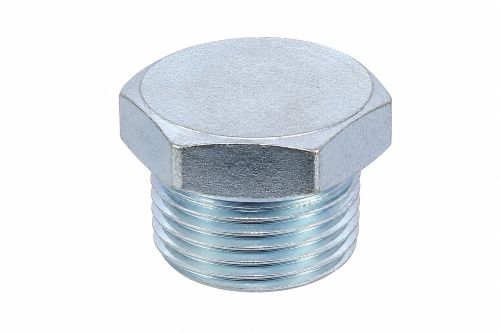
Zinc plated hydraulic plugs are threaded components designed to close and seal hydraulic ports. They are commonly manufactured from carbon steel and then treated with a zinc coating to improve resistance to corrosion and surface oxidation.
A hydraulic plug may be installed in a port that is temporarily unused, permanently closed, or being protected during transportation and maintenance. Depending on the design, the plug may use a threaded connection, O-ring, bonded seal, or another sealing method.
The zinc coating acts as a protective layer over the steel surface. This makes the plug more resistant to moisture and environmental exposure than untreated carbon steel.
Different designs are available to suit different hydraulic systems, including metric, BSP, NPT, and other thread configurations.
How Do Zinc Plated Hydraulic Plugs Work?
The basic function of a hydraulic plug is straightforward: it closes a hydraulic port and helps prevent fluid from escaping while keeping unwanted contaminants from entering.
During installation, the plug is screwed into a compatible port. The threads provide mechanical engagement, while the sealing surface or seal creates the necessary barrier against hydraulic fluid.
The exact sealing principle depends on the plug design. Some plugs rely on tapered threads, while others use an O-ring, bonded seal, or another sealing element.
Proper thread compatibility is essential. A plug with the wrong thread type or size may not seal correctly and can damage the port.
The zinc coating does not create the hydraulic seal itself. Instead, its primary purpose is to protect the plug’s steel surface from corrosion and environmental deterioration.
Main Features of Zinc Plated Hydraulic Plugs
Zinc plated hydraulic plugs are available in many sizes and configurations, but several features are common across the product range.
1. Corrosion-Resistant Zinc Coating
One of the main advantages of zinc plating is improved protection against corrosion. The zinc layer helps shield the underlying steel from moisture and oxygen.
This is particularly useful for hydraulic equipment exposed to outdoor conditions, humidity, dust, and industrial environments.
However, zinc plating is not a substitute for proper material selection in extremely corrosive environments. In such conditions, stainless steel or another corrosion-resistant material may be more appropriate.
2. Strong Steel Construction
Most zinc plated hydraulic plugs use steel as the base material. Steel provides good mechanical strength and durability, making it suitable for demanding hydraulic applications.
The combination of a strong steel body and protective zinc finish provides a practical balance between performance, durability, and cost.
3. Different Thread Options
Hydraulic systems use different thread standards, so zinc plated plugs are available in various thread configurations.
Common options can include:
➡️ Metric threads
➡️ BSP threads
➡️ NPT threads
➡️ Other application-specific thread standards
It is important to identify the port thread accurately before selecting a plug. Similar-looking threads are not necessarily interchangeable.
4. Reliable Sealing
Depending on the design, zinc plated hydraulic plugs can use different sealing methods.
Common configurations include:
➡️ O-ring seals
➡️ Bonded seals
➡️ Tapered threads
➡️ Metal-to-metal sealing
➡️ Captive sealing arrangements
The correct sealing method depends on the hydraulic port and the plug design.
5. Compact Design
Many hydraulic plugs feature compact bodies that allow them to be installed in areas where space is limited.
Hex-head and internal-hex designs are particularly practical because they can be installed using standard tools or Allen keys, depending on the configuration.
6. Pressure Capability
Hydraulic plugs can be designed for a wide range of pressure requirements. However, the actual pressure rating depends on the material, thread size, sealing method, design, and manufacturer specifications.
Always check the manufacturer’s rated working pressure before using a plug in a high-pressure hydraulic system.
Types of Zinc Plated Hydraulic Plugs
There is no single hydraulic plug design suitable for every application. Different systems require different sealing and installation configurations.
Hex Head Hydraulic Plugs
Hex head plugs have an external hexagonal head that allows a wrench or spanner to be used during installation and removal.
They are commonly used where there is enough clearance around the plug for a tool.
Internal Hex Hydraulic Plugs
Internal hex plugs have a socket inside the plug body. This design is useful where external tool clearance is limited.
Their compact profile makes them a good choice for hydraulic manifolds and other assemblies with restricted space.
O-Ring Seal Plugs
O-ring plugs use an elastomeric seal to create a reliable barrier between the plug and the port.
They can provide effective sealing when correctly installed and when the O-ring material is compatible with the hydraulic fluid and operating temperature.
Bonded Seal Plugs
Bonded seal plugs use a metal washer combined with an elastomeric sealing element. When tightened, the seal is compressed against the port surface.
This design is commonly used in hydraulic applications where dependable static sealing is required.
Tapered Thread Plugs
Tapered thread plugs create a seal through the interaction of the mating threads. Depending on the thread standard and application, a suitable thread sealant may also be required.
Care should be taken during installation because excessive tightening can damage the port or plug.
Captive Seal Plugs
Captive seal plugs incorporate the sealing element into the plug design so that it remains in position during installation.
This can simplify handling and help reduce the chance of losing a small sealing component during maintenance.
Applications of Zinc Plated Hydraulic Plugs
Because of their durability and corrosion protection, zinc plated hydraulic plugs are used across many industries.
Construction Equipment
Excavators, loaders, cranes, backhoes, and other construction machines contain numerous hydraulic circuits.
Plugs can be used to close unused ports, protect connections during maintenance, and prevent contamination when hydraulic components are disconnected.
Agricultural Machinery
Tractors, harvesters, sprayers, and other agricultural equipment rely heavily on hydraulic systems.
Zinc plated plugs can help protect hydraulic ports from moisture, dirt, and other contaminants encountered in agricultural environments.
Material Handling Equipment
Forklifts, lifting platforms, and other material handling equipment use hydraulic circuits for lifting and positioning.
Hydraulic plugs can be used during maintenance and component replacement to protect open connections.
Industrial Hydraulic Systems
Manufacturing machinery, hydraulic presses, machine tools, and automated equipment often contain hydraulic manifolds, valves, pumps, and actuators.
Plugs can be used to close unused ports and maintain the integrity of the hydraulic circuit.
Mobile Hydraulic Equipment
Mobile hydraulic systems used in trucks, utility vehicles, and specialized machinery may be exposed to vibration, moisture, dust, and changing weather conditions.
The zinc plated finish can provide useful protection for general-purpose applications.
Advantages of Zinc Plated Hydraulic Plugs
Choosing the right plug can make maintenance easier and help protect hydraulic equipment. Zinc plated hydraulic plugs offer several practical benefits.
Improved Corrosion Protection
The zinc coating provides additional protection against corrosion compared with untreated carbon steel.
This can be particularly valuable when components are exposed to moisture or outdoor conditions.
Good Mechanical Strength
Steel construction provides the strength needed for many hydraulic applications.
A properly selected plug can withstand the mechanical forces associated with installation and normal system operation.
Cost-Effective Performance
Zinc plated carbon steel is generally a cost-effective option for many general-purpose hydraulic applications.
It provides a useful combination of strength, corrosion protection, and affordability.
Long Service Life
When properly selected and installed, zinc plated hydraulic plugs can provide long-term service.
Their service life depends on factors such as the operating environment, pressure, temperature, hydraulic fluid, installation quality, and exposure to corrosion.
Protection Against Contamination
An open hydraulic port can allow dust, moisture, metal particles, and other contaminants to enter the system.
Installing a suitable hydraulic plug helps protect the port and hydraulic circuit from unnecessary contamination.
Easy Installation
Many zinc plated hydraulic plugs feature hex or internal-hex designs that make installation and removal relatively straightforward.
Using the correct tool and following the manufacturer’s torque recommendations can help prevent damage.
Zinc Plated Hydraulic Plugs vs. Stainless Steel Plugs
One common question is whether zinc plated steel or stainless steel is the better choice.
Zinc plated hydraulic plugs are often selected for general-purpose applications because they offer good mechanical strength and corrosion protection at a competitive cost.
Stainless steel plugs, on the other hand, provide superior corrosion resistance and may be preferred in highly corrosive environments or applications where long-term exposure to aggressive conditions is expected.
The best choice depends on the application.
For standard industrial, mobile, agricultural, and construction applications, zinc plated steel can be a practical option. For marine, chemical, or particularly corrosive environments, stainless steel may be worth considering.
How to Choose the Right Zinc Plated Hydraulic Plug
Selecting a hydraulic plug involves more than choosing the correct diameter. Several specifications should be checked before installation.
Check the Thread Type and Size
First, identify the thread used by the hydraulic port.
Check both the thread standard and size. For example, a metric thread should not be treated as interchangeable with a similarly sized inch-based thread.
Check the Pressure Rating
Make sure the plug is rated for the system’s working pressure.
If the system experiences pressure spikes or other demanding conditions, consider these factors when selecting the component.
Consider the Sealing Method
Determine whether the port requires an O-ring, bonded seal, tapered thread, or another sealing configuration.
Using the wrong sealing method can result in leakage or component damage.
Consider Temperature
Operating temperature can affect both the plug material and sealing element.
If the plug uses an O-ring or other elastomeric seal, make sure the seal material is suitable for the temperature range.
Check Hydraulic Fluid Compatibility
The plug and sealing materials should be compatible with the hydraulic fluid being used.
This is especially important when the plug includes an elastomeric sealing element.
Consider Installation Space
If the plug is installed in a confined area, an internal hex or compact design may be more practical than a large external hex head.
Installation Tips for Zinc Plated Hydraulic Plugs
Proper installation is important for achieving a reliable seal and avoiding thread damage.
Follow these general practices:
1. Clean the hydraulic port before installation.
2. Inspect the plug for damage or contamination.
3. Confirm that the thread type and size are correct.
4. Check the O-ring or sealing element if applicable.
5. Install the plug carefully to avoid cross-threading.
6. Use the correct installation tool.
7. Tighten the plug according to the manufacturer’s recommended torque.
10. Avoid excessive tightening.
11. Inspect the connection after installation.
12. Check for hydraulic leakage when the system is returned to service.
13. Never force a plug into a port if the threads do not engage smoothly.
Maintenance and Inspection
Zinc plated hydraulic plugs generally require little maintenance, but regular inspection can help identify potential problems before they become serious.
During routine maintenance, check for:
1. Visible corrosion
2. Damaged zinc coating
3. Hydraulic fluid leakage
4. Damaged threads
5. Worn or cracked seals
6. Signs of over-tightening
7. Contamination around the connection
If the plug or sealing element is damaged, replacement is usually preferable to attempting to repair it.
Common Problems and How to Avoid Them
Hydraulic Leakage
Leaks can result from an incorrect thread, damaged seal, improper installation, or insufficient tightening.
Always verify the plug specification and sealing method before installation.
Corrosion
Although zinc plating provides corrosion protection, prolonged exposure to moisture, chemicals, or harsh environments can eventually damage the coating.
For severe environments, consider whether stainless steel or another material would be more appropriate.
Thread Damage
Cross-threading and excessive torque can damage both the plug and hydraulic port.
Start threading by hand whenever possible and ensure the plug engages smoothly before applying a tool.
Difficult Removal
Over-tightening, corrosion, or thread damage can make a plug difficult to remove.
Using the manufacturer’s recommended torque during installation can help reduce this risk.
Zinc Plated Hydraulic Plug Specifications to Check
Before purchasing or installing a zinc plated hydraulic plug, review the following specifications:
➡️ Plug type
➡️ Base material
➡️ Zinc plating type
➡️ Thread standard
➡️ Thread size
➡️ Seal type
➡️ Pressure rating
➡️ Temperature range
➡️ Overall dimensions
➡️ Head style
➡️ Hydraulic fluid compatibility
➡️ Applicable standards
➡️ Manufacturer specifications
Paying attention to these details can prevent compatibility problems and help ensure reliable performance.
Best Practices for Using Zinc Plated Hydraulic Plugs
A few simple practices can make hydraulic plugs more reliable and easier to maintain.
Always match the plug to the port rather than selecting one based only on appearance. Use the correct sealing method and follow the recommended torque specifications.
Keep unused plugs clean and dry before installation. During maintenance, protect open hydraulic ports from dirt and moisture.
It is also important to inspect plugs periodically, particularly on equipment that operates outdoors or in dusty environments.
If the application involves highly corrosive chemicals, saltwater, or other aggressive conditions, evaluate whether zinc plated steel provides enough corrosion resistance.
Frequently Asked Questions
What are zinc plated hydraulic plugs used for?
Zinc plated hydraulic plugs are used to close and seal hydraulic ports. They can also protect unused or disconnected ports from dirt, moisture, and other contaminants.
Are zinc plated hydraulic plugs corrosion resistant?
Yes. Zinc plating provides a protective coating that improves the corrosion resistance of steel. However, the level of protection depends on the plating specification and operating environment.
What are zinc plated hydraulic plugs made from?
Many zinc plated hydraulic plugs are manufactured from carbon steel and finished with a zinc protective coating.
Can zinc plated hydraulic plugs handle high pressure?
Some are designed for high-pressure hydraulic applications, but pressure capability varies by product. Always check the manufacturer’s working pressure rating before installation.
How do I choose the correct hydraulic plug size?
Identify the hydraulic port’s thread standard and size, then select a compatible plug. You should also consider the sealing method, pressure rating, temperature, and available installation space.
Are zinc plated hydraulic plugs suitable for outdoor equipment?
They can be suitable for many general-purpose outdoor hydraulic applications. However, highly corrosive environments may require a more corrosion-resistant material or finish.
What is the difference between zinc plated and stainless steel hydraulic plugs?
Zinc plated steel plugs generally provide a good balance of strength, corrosion protection, and cost. Stainless steel plugs typically offer higher corrosion resistance but may cost more.
Can hydraulic plugs be reused?
Reuse depends on the plug design and condition. A plug with damaged threads, worn sealing surfaces, or a damaged O-ring should be replaced rather than reused.
Conclusion
Zinc plated hydraulic plugs may be small components, but they serve an important purpose in hydraulic systems. They help close unused ports, prevent fluid leakage, protect connections from contamination, and support reliable equipment maintenance.
Their combination of steel strength, zinc corrosion protection, practical designs, and cost-effective performance makes them suitable for many construction, agricultural, industrial, and mobile hydraulic applications.
When choosing a zinc plated hydraulic plug, always consider the thread standard, size, pressure rating, sealing method, temperature, hydraulic fluid, and operating environment. With the right specification and proper installation, these simple components can provide dependable service and help keep hydraulic systems protected.
Post time: Aug-22-2026