

Hydraulic fittings are essential components that connect hoses, tubes, and pipes within hydraulic systems. They must withstand high pressure while providing leak-free performance in demanding environments. Although the material of a hydraulic fitting is important, its surface coating also plays a major role in determining durability, corrosion resistance, and overall service life.
Two of the most common protective finishes used on carbon steel hydraulic fittings are zinc plating and nickel plating. Both coatings help protect the fitting from corrosion, but they differ in performance, appearance, cost, and suitability for different environments.
If you’re deciding between zinc-plated hydraulic fittings and nickel-plated fittings, this guide explains how each option works, their advantages and disadvantages, and which one is best for your hydraulic application.
What Are Zinc-Plated Hydraulic Fittings?
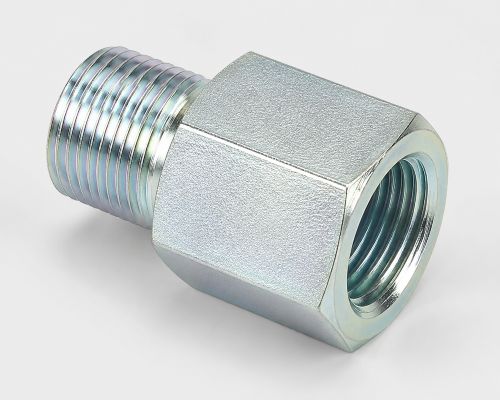
Zinc-plated hydraulic fittings are carbon steel fittings coated with a thin layer of zinc through an electroplating process. The zinc acts as a sacrificial coating, meaning it corrodes before the underlying steel, helping prevent rust and extending the fitting’s lifespan.
Modern zinc-plated fittings often include a clear, yellow, or black trivalent chromium (Cr3) passivation layer to improve corrosion resistance while meeting environmental regulations.
Benefits of Zinc-Plated Hydraulic Fittings
Some of the biggest advantages include:
1. Excellent corrosion protection for general industrial environments
2. Affordable compared to other protective coatings
3. Readily available in a wide range of sizes and thread types
4. Good resistance to moisture and oxidation
5. Suitable for most indoor and light outdoor hydraulic applications
Because of their balance between performance and affordability, zinc-plated hydraulic fittings are widely used across many industries.
Common Applications
Typical uses include:
1. Agricultural equipment
2. Construction machinery
3. Manufacturing equipment
4. Material handling systems
5. Mobile hydraulic equipment
6. Automotive hydraulic systems
What Are Nickel-Plated Hydraulic Fittings?
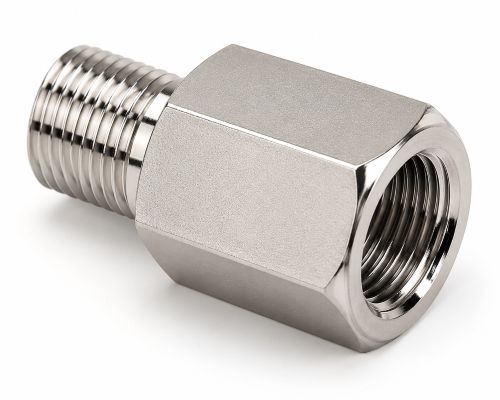
Nickel-plated fittings are manufactured by depositing a layer of nickel over the steel surface. Nickel forms a hard, durable protective barrier that provides superior resistance to corrosion, wear, and certain chemicals compared to standard zinc plating.
Nickel plating is commonly selected for hydraulic systems operating in harsh environments where moisture, chemicals, or salt exposure are significant concerns.
Benefits of Nickel-Plated Hydraulic Fittings
Key advantages include:
1. Outstanding corrosion resistance
2. Better resistance to abrasion and wear
3. Improved protection against chemicals
4. Attractive bright metallic finish
5. Longer service life in demanding environments
Although nickel-plated fittings generally cost more, their durability often results in lower maintenance and replacement costs over time.
Common Applications
Nickel-plated fittings are frequently used in:
1. Marine hydraulic systems
2. Offshore equipment
3. Food processing machinery
4. Chemical plants
5. Pharmaceutical manufacturing
6. Coastal construction equipment
7. High-humidity industrial facilities
Zinc-Plated Hydraulic Fittings vs Nickel-Plated Fittings
While both finishes protect steel hydraulic fittings, they perform differently depending on the operating environment.
Corrosion Resistance
Corrosion protection is one of the primary reasons for applying a protective coating.
Zinc-Plated Hydraulic Fittings:
Zinc protects steel by sacrificing itself when exposed to moisture and oxygen. Even if small scratches occur, the surrounding zinc continues protecting the steel to some extent.
For normal industrial environments, zinc plating offers excellent corrosion protection at an economical cost.
However, prolonged exposure to saltwater, coastal air, fertilizers, or aggressive chemicals can shorten its lifespan.
Nickel-Plated Fittings:
Nickel provides a dense protective barrier that slows corrosion and offers excellent resistance to moisture, chemicals, and oxidation.
In marine environments or facilities with constant humidity, nickel plating generally lasts significantly longer than zinc plating.
Winner: Nickel-Plated Fittings
Appearance
Appearance may not affect performance, but it can influence purchasing decisions.
Zinc-Plated Finish:
➡️ Silver-gray appearance
➡️ Slightly matte finish
➡️ Industrial look
Nickel-Plated Finish:
➡️ Bright silver finish
➡️ Smooth reflective surface
➡️ Premium appearance
Nickel-plated fittings are often preferred where equipment appearance matters.
Winner: Nickel-Plated Fittings
Wear Resistance
Hydraulic fittings are often assembled and disassembled during maintenance. Repeated wrench contact can damage protective coatings.
Nickel plating is harder than zinc plating and better resists:
➡️ Scratches
➡️ Abrasion
➡️ Surface wear
➡️ Frequent maintenance
This makes nickel-plated fittings an excellent choice for systems requiring regular servicing.
Winner: Nickel-Plated Fittings
Cost
Price is often one of the biggest deciding factors.
Zinc-Plated Hydraulic Fittings:
➡️ Lower manufacturing cost
➡️ Lower purchase price
➡️ Excellent value for general applications
Nickel-Plated Fittings:
➡️ Higher initial investment
➡️ Longer service life
➡️ Reduced maintenance expenses
For many indoor hydraulic systems, zinc plating provides the best balance between cost and performance.
Winner: Zinc-Plated Hydraulic Fittings (for affordability)
Chemical Resistance
Industrial hydraulic systems may encounter oils, cleaning agents, fertilizers, solvents, and mild chemicals.
Nickel plating generally offers greater resistance to chemical attack than zinc plating, making it more suitable for demanding industrial environments.
Winner: Nickel-Plated Fittings
Environmental Performance
Environmental conditions greatly influence coating life.
Zinc-Plated Hydraulic Fittings perform well in:
➡️ Indoor facilities
➡️ Dry climates
➡️ Standard manufacturing plants
➡️ General construction equipment
Nickel-Plated Fittings perform best in:
➡️ Marine environments
➡️ Coastal regions
➡️ High-humidity locations
➡️ Chemical processing facilities
➡️ Outdoor equipment exposed to severe weather
Comparison Table
|
Feature |
Zinc-Plated Hydraulic Fittings |
Nickel-Plated Fittings |
|
Corrosion Resistance |
Good |
Excellent |
|
Wear Resistance |
Good |
Excellent |
|
Chemical Resistance |
Moderate |
High |
|
Appearance |
Silver-gray |
Bright silver |
|
Cost |
Lower |
Higher |
|
Outdoor Performance |
Good |
Excellent |
|
Marine Applications |
Limited |
Highly Recommended |
|
Maintenance |
Moderate |
Low |
|
Expected Service Life |
Good |
Longer |
Advantages of Zinc-Plated Hydraulic Fittings
Zinc plating remains the most widely used finish for hydraulic fittings because it offers excellent value.
Its advantages include:
1. Lower overall cost
2. Reliable corrosion protection
3. Easy availability
4. Suitable for most industrial hydraulic systems
5. Good balance of durability and affordability
6. Ideal for large equipment fleets
Advantages of Nickel-Plated Fittings
Nickel plating offers premium protection where equipment operates in challenging environments.
Benefits include:
1. Superior corrosion resistance
2. Increased durability
3. Better scratch resistance
4. Longer operating life
5. Reduced maintenance requirements
6. Excellent performance in humid and marine environments
7. Professional, high-quality appearance
When Should You Choose Zinc-Plated Hydraulic Fittings?
Zinc-plated hydraulic fittings are an excellent choice for many standard hydraulic systems because they provide reliable protection at an affordable price. While they may not offer the same level of corrosion resistance as nickel-plated fittings, they perform exceptionally well in environments where exposure to harsh elements is limited.
You should consider zinc-plated hydraulic fittings if your application involves:
Indoor Industrial Equipment
Manufacturing facilities, warehouses, and assembly plants generally have controlled environments with limited exposure to moisture. Zinc-plated fittings provide more than enough corrosion protection for these conditions.
Agricultural Machinery
Many tractors, harvesters, and farm implements use zinc-plated hydraulic fittings because they offer dependable performance while keeping equipment costs manageable.
Construction Equipment
Excavators, loaders, forklifts, and other construction machines often rely on zinc-plated fittings for their balance of durability and affordability.
Budget-Conscious Projects
If you’re building or maintaining multiple hydraulic systems, zinc-plated fittings can significantly reduce equipment costs without sacrificing performance in standard operating conditions.
General Hydraulic Systems
Hydraulic power units, presses, lifting equipment, and industrial automation systems commonly use zinc-plated fittings due to their proven reliability.
When Should You Choose Nickel-Plated Fittings?
Nickel-plated hydraulic fittings are designed for environments where corrosion, humidity, and chemical exposure present ongoing challenges. Although they require a higher upfront investment, they often provide a lower total cost of ownership because of their extended service life.
Nickel-plated fittings are recommended for:
Marine Applications
Saltwater is one of the most aggressive corrosive environments for steel components. Nickel plating provides superior protection for hydraulic systems used on boats, ships, offshore platforms, and docks.
Coastal Environments
Equipment operating near the ocean experiences constant exposure to salty air, which accelerates corrosion. Nickel-plated fittings offer significantly better durability under these conditions.
Chemical Processing Facilities
Hydraulic systems in chemical plants are often exposed to corrosive substances that can quickly degrade ordinary protective coatings. Nickel plating provides an additional layer of defense.
Food and Beverage Equipment
Many food processing facilities use nickel-plated fittings because they are easier to clean and provide enhanced resistance to moisture and cleaning chemicals.
High-Humidity Environments
Paper mills, wastewater treatment plants, textile factories, and similar facilities benefit from the superior moisture resistance of nickel-plated fittings.
Factors to Consider Before Choosing
Selecting the right hydraulic fitting involves more than simply comparing coating types. Consider the following factors before making your decision.
1. Operating Environment
Ask yourself:
1. Will the equipment be used indoors or outdoors?
2. Is it exposed to rain, humidity, or saltwater?
3. Are chemicals present?
4. Will it experience frequent washing?
The harsher the environment, the greater the advantage of nickel plating.
2. Budget
For standard industrial applications, zinc-plated hydraulic fittings provide excellent value.
However, if premature corrosion could lead to expensive downtime or replacement costs, investing in nickel-plated fittings may save money over the long term.
3. Maintenance Requirements
Equipment that receives regular maintenance and inspections can often perform well with zinc-plated fittings.
For equipment located in remote areas where maintenance opportunities are limited, nickel-plated fittings offer greater peace of mind.
4. Equipment Lifespan
Consider how long the equipment is expected to remain in service.
For long-term installations, premium corrosion protection often justifies the additional investment.
5. Industry Standards
Some industries have strict requirements regarding corrosion resistance, hygiene, or environmental performance. Always verify whether your hydraulic system must comply with specific standards before selecting a coating.
Maintenance Tips for Both Types of Hydraulic Fittings
Proper maintenance can significantly extend the life of both zinc-plated and nickel-plated hydraulic fittings.
Inspect Regularly
Check fittings for:
➡️ Rust
➡️ Surface damage
➡️ Cracks
➡️ Leaks
➡️ Loose connections
Early detection prevents larger hydraulic failures.
Keep Fittings Clean
Remove dirt, grease, and contaminants that may trap moisture and accelerate corrosion.
Avoid Damaging the Coating
Using incorrect tools during installation can scratch or chip the protective finish. Once the base steel is exposed, corrosion may begin.
Always use properly sized hydraulic wrenches and follow the manufacturer’s recommended torque specifications.
Replace Damaged Components
If a fitting shows significant corrosion or coating failure, replace it rather than attempting repairs.
Store Spare Fittings Correctly
Store unused hydraulic fittings in clean, dry conditions away from excessive humidity to preserve their protective coating before installation.
Common Mistakes to Avoid
Even high-quality hydraulic fittings can fail prematurely if they are improperly selected or installed.
Avoid these common mistakes:
Choosing Based Only on Price
The least expensive fitting isn’t always the most economical in the long run. Consider maintenance costs and service life as well.
Ignoring Environmental Conditions
Using zinc-plated fittings in highly corrosive environments may result in premature rust and more frequent replacements.
Mixing Incompatible Materials
Different metals can create galvanic corrosion under certain conditions. Always verify material compatibility within your hydraulic system.
Damaging the Protective Finish During Installation
Scratches and gouges reduce the effectiveness of both zinc and nickel coatings.
Skipping Routine Inspections
Small signs of corrosion can quickly become hydraulic leaks if left unchecked.
Frequently Asked Questions
Are nickel-plated fittings stronger than zinc-plated fittings?
The coating itself does not significantly increase the fitting’s structural strength. However, nickel plating offers greater surface hardness and wear resistance, making the fitting more durable in harsh environments.
Which coating lasts longer?
Nickel plating generally lasts longer, particularly in humid, marine, or chemically aggressive environments. Zinc plating provides excellent durability for standard industrial applications.
Can zinc-plated hydraulic fittings be used outdoors?
Yes. Zinc-plated fittings perform well outdoors under normal conditions, but continuous exposure to saltwater, coastal air, or harsh chemicals may reduce their lifespan.
Are nickel-plated fittings worth the additional cost?
For demanding environments where corrosion is a major concern, the longer service life and reduced maintenance often justify the higher purchase price.
Which fittings are best for marine applications?
Nickel-plated hydraulic fittings are typically the preferred option because they provide superior protection against saltwater corrosion.
Do protective coatings affect hydraulic performance?
No. Zinc and nickel plating primarily protect the fitting’s exterior. Hydraulic sealing performance depends on the fitting design, machining accuracy, and proper installation.
Conclusion
Both zinc-plated hydraulic fittings and nickel-plated fittings offer reliable corrosion protection, but the best choice depends on your application. Zinc-plated hydraulic fittings are a cost-effective option for general industrial use, while nickel-plated fittings provide superior durability in marine, chemical, and high-humidity environments.
By considering your operating conditions, budget, and maintenance needs, you can choose the right fitting to maximize the performance and lifespan of your hydraulic system.
Post time: Jul-31-2026