

Hydraulic systems operate in demanding industries such as construction, agriculture, manufacturing, mining, and marine applications, where corrosion can significantly impact performance and service life. Rust weakens components, damages sealing surfaces, contaminates hydraulic fluid, and can lead to leaks or costly equipment failures.
To address these challenges, many engineers choose nickel-plated hydraulic fittings. The protective nickel coating improves resistance to moisture, chemicals, and oxidation, helping fittings last longer and require less maintenance.
In this guide, you’ll learn what nickel-plated hydraulic fittings are, how they resist corrosion, and why they are a reliable choice for demanding hydraulic applications.
What Are Nickel-Plated Hydraulic Fittings?
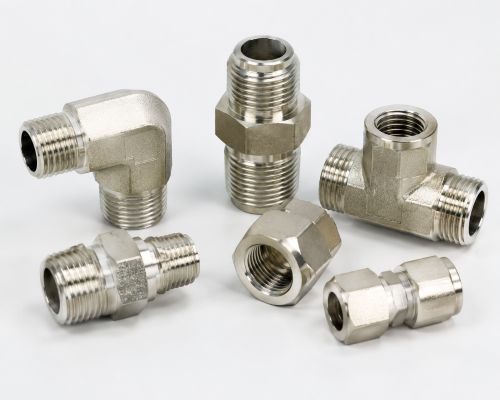
Nickel-plated hydraulic fittings are hydraulic connectors coated with a thin layer of nickel to protect the underlying metal from corrosion and wear. These fittings perform the same essential function as standard hydraulic fittings, creating secure, leak-free connections between hoses, tubes, valves, cylinders, and other hydraulic components, but with the added benefit of superior surface protection.
The nickel coating forms a durable barrier that shields the base material from moisture, oxygen, chemicals, and other contaminants that typically cause rust and oxidation.
Because of their enhanced durability, nickel-plated hydraulic fittings are commonly used in applications where equipment is exposed to harsh environments or operates for extended periods with minimal maintenance.
How Is Nickel Plating Applied?
Nickel plating is typically applied through an electroplating or electroless plating process.
During manufacturing, the fitting is thoroughly cleaned to remove oils, dirt, and surface impurities. The clean fitting is then coated with a controlled layer of nickel, creating a smooth and uniform finish across the entire surface.
Depending on the application, manufacturers may apply different plating thicknesses to meet varying corrosion resistance requirements. High-quality plating ensures complete coverage, including threads and sealing surfaces, without affecting dimensional accuracy.
The finished fitting features a bright metallic appearance while gaining improved resistance to:
1. Rust
2. Oxidation
3. Surface wear
4. Minor scratches
5. Chemical exposure
Common Base Materials
Nickel plating can be applied to several types of hydraulic fitting materials.
Carbon Steel
Carbon steel is the most common base material for nickel-plated hydraulic fittings. It offers excellent strength and pressure resistance while remaining cost-effective. Since untreated carbon steel is susceptible to rust, nickel plating greatly extends its service life.
Alloy Steel
Heavy-duty hydraulic systems often use alloy steel fittings because of their exceptional strength. Nickel plating further improves durability by protecting the surface from corrosion in demanding industrial environments.
Brass
Some brass hydraulic fittings are nickel-plated to improve appearance and provide additional resistance to tarnishing, oxidation, and chemical exposure.
Stainless Steel
Although stainless steel naturally resists corrosion, certain applications use nickel-plated stainless steel fittings to achieve a brighter finish, improve wear resistance, or meet specific industry requirements.
Common Types of Nickel-Plated Hydraulic Fittings
Nickel plating is available on nearly every major hydraulic fitting design.
Straight Fittings
Straight fittings connect hydraulic hoses or tubes in a direct line and are commonly used in hydraulic power units, pumps, and valves.
Elbow Fittings
Available in 45-degree and 90-degree configurations, elbow fittings help route hydraulic lines through tight spaces while reducing hose stress.
Tee Fittings
Tee fittings divide hydraulic flow into multiple directions, making them useful in complex hydraulic circuits.
Hydraulic Adapters
Adapters connect hydraulic components with different thread types or sizes, allowing greater flexibility when designing or modifying hydraulic systems.
Banjo Fittings
Banjo fittings provide compact fluid connections in applications with limited installation space, making them popular in mobile equipment.
Hose Fittings
Nickel-plated hose fittings create reliable connections between hydraulic hoses and system components while resisting environmental corrosion.
Plugs and Caps
Protective plugs and caps prevent contaminants from entering unused hydraulic ports during transportation, storage, or maintenance.
Why Corrosion Resistance Matters in Hydraulic Systems
Corrosion is more than a cosmetic issue. It directly impacts the safety, efficiency, and reliability of hydraulic equipment.
When corrosion develops on hydraulic fittings, it gradually damages sealing surfaces, weakens threaded connections, and introduces contaminants into the hydraulic fluid. These problems often go unnoticed until they lead to leaks, pressure loss, or component failure.
In industries where equipment operates continuously, even a minor hydraulic leak can result in costly downtime, expensive repairs, and reduced productivity.
Choosing corrosion-resistant fittings is one of the simplest ways to improve the long-term reliability of a hydraulic system.
The Effects of Corrosion
Fluid Contamination
As corrosion forms inside hydraulic fittings, tiny rust particles can enter the hydraulic fluid. These particles circulate throughout the system, damaging pumps, valves, cylinders, and seals.
Contaminated hydraulic fluid also accelerates wear on precision components and shortens the lifespan of expensive equipment.
Seal Deterioration
Rust creates rough surfaces that damage O-rings and sealing materials.
Once seals begin to wear, hydraulic fluid can escape, resulting in leaks and pressure loss.
Reduced Pressure Performance
Hydraulic systems rely on precise pressure control. Corrosion weakens threaded connections and sealing surfaces, making it difficult to maintain consistent operating pressure.
Over time, reduced pressure can decrease equipment performance and increase energy consumption.
Premature Component Failure
Corrosion weakens the structural integrity of hydraulic fittings.
If left unchecked, fittings may crack, seize, or fail under pressure, potentially causing serious equipment damage and safety hazards.
Increased Maintenance Costs
Replacing corroded fittings is only part of the expense.
Maintenance teams may also need to replace damaged hoses, clean contaminated hydraulic fluid, inspect neighboring components, and repair related system damage.
Common Causes of Corrosion
Understanding what causes corrosion helps explain why nickel-plated hydraulic fittings are such a valuable investment.
Moisture
Water is one of the leading causes of corrosion. Rain, condensation, washdowns, and high humidity continuously expose hydraulic fittings to moisture.
Saltwater Exposure
Marine equipment operates in one of the harshest environments possible.
Saltwater dramatically accelerates corrosion, making high-quality protective coatings essential for offshore machinery, ships, docks, and coastal equipment.
Industrial Chemicals
Manufacturing facilities often expose hydraulic equipment to cleaning agents, acids, solvents, and industrial chemicals that can damage unprotected metal surfaces.
Humid Environments
High humidity allows moisture to remain on metal surfaces for extended periods, increasing the likelihood of oxidation.
Outdoor Equipment
Construction, forestry, mining, and agricultural equipment regularly encounter mud, rain, snow, dust, and changing weather conditions that promote corrosion.
Temperature Fluctuations
Repeated heating and cooling create condensation on hydraulic components, providing ideal conditions for rust formation.
How Nickel Plating Improves Corrosion Resistance
Nickel plating significantly increases the durability of hydraulic fittings by forming a protective layer between the environment and the underlying metal.
Instead of allowing moisture and oxygen to directly attack the base material, the nickel coating acts as a durable shield.
Creates a Protective Barrier
The nickel coating blocks moisture, oxygen, and airborne contaminants from reaching the steel beneath.
Since corrosion requires direct contact between the metal and its environment, reducing that exposure greatly slows the corrosion process.
This protective barrier is particularly valuable in outdoor equipment that frequently experiences rain, humidity, or frequent washing.
Improves Surface Hardness
Nickel is harder than many untreated base metals.
This added hardness helps hydraulic fittings resist scratches, abrasions, and minor impacts that could otherwise expose bare metal to corrosion.
Maintaining an intact coating is essential because damaged surfaces provide entry points for rust to develop.
Reduces Rust Formation
Because moisture has difficulty reaching the base metal, rust forms much more slowly on nickel-plated hydraulic fittings than on untreated steel fittings.
This longer-lasting protection helps maintain both appearance and structural integrity throughout years of service.
Enhances Chemical Resistance
Many hydraulic systems operate near fuels, lubricants, hydraulic oils, coolants, and industrial chemicals.
Nickel plating offers improved resistance to many of these substances, reducing the likelihood of surface degradation caused by chemical exposure.
Extends Service Life
Perhaps the greatest advantage of nickel plating is longevity.
Hydraulic fittings that remain free from corrosion continue to provide secure, leak-free connections for longer periods, reducing replacement frequency and lowering overall maintenance costs.
As a result, equipment owners benefit from increased uptime, improved reliability, and a better return on investment.
Key Benefits of Nickel-Plated Hydraulic Fittings
When selecting hydraulic fittings, durability and reliability are just as important as compatibility and pressure ratings. While standard fittings perform well in many applications, nickel-plated hydraulic fittings offer additional advantages that make them an excellent choice for harsh operating environments.
Excellent Corrosion Protection
The primary advantage of nickel-plated hydraulic fittings is their superior resistance to corrosion. The nickel coating acts as a protective shield that isolates the base metal from moisture, oxygen, and corrosive substances.
This protection helps prevent rust from forming on the fitting’s surface, even when exposed to rain, humidity, industrial chemicals, or washdown procedures. As a result, the fittings maintain their structural integrity and continue to provide reliable sealing performance over a longer period.
Longer Equipment Life
Corrosion is one of the leading causes of premature hydraulic component failure. By minimizing rust and oxidation, nickel-plated fittings help extend the lifespan of not only the fittings themselves but also the surrounding hydraulic system.
Since clean, corrosion-free fittings reduce the risk of leaks and contamination, hydraulic pumps, valves, cylinders, and hoses experience less wear over time.
Improved Wear Resistance
Hydraulic systems often require routine maintenance, during which fittings are disconnected and reinstalled multiple times. This repeated handling can damage ordinary metal surfaces.
Nickel plating increases surface hardness, making the fittings more resistant to scratches, abrasions, and thread wear. The added durability helps preserve sealing surfaces and threaded connections, ensuring consistent performance after repeated servicing.
Professional Appearance
Nickel-plated hydraulic fittings have a bright, polished finish that gives hydraulic systems a clean and professional appearance.
Beyond aesthetics, the smooth metallic surface also makes it easier to detect dirt, oil leaks, corrosion, or physical damage during routine inspections. This allows maintenance personnel to identify potential issues before they become serious problems.
Reduced Maintenance Costs
Hydraulic downtime is expensive. Corroded fittings often require replacement, and severe corrosion may also damage nearby hoses, seals, or hydraulic components.
By resisting corrosion more effectively than untreated fittings, nickel-plated hydraulic fittings reduce maintenance frequency and replacement costs. Equipment owners spend less time performing repairs and more time keeping machinery in operation.
Reliable Leak-Free Performance
Hydraulic systems rely on secure, leak-free connections to maintain pressure and efficiency. Corrosion can damage sealing surfaces and threads, eventually causing fluid leaks.
Because nickel plating preserves these critical surfaces, hydraulic fittings maintain their sealing performance longer, even under demanding operating conditions.
Nickel-Plated vs. Zinc-Plated Hydraulic Fittings
Nickel plating and zinc plating are two of the most common protective coatings used on hydraulic fittings. Although both improve corrosion resistance, they serve different purposes and perform differently depending on the operating environment.
Understanding these differences can help you select the right fitting for your application.
|
Feature |
Nickel-Plated Hydraulic Fittings |
Zinc-Plated Hydraulic Fittings |
|
Corrosion Resistance |
Excellent |
Good |
|
Surface Hardness |
High |
Moderate |
|
Wear Resistance |
Excellent |
Good |
|
Appearance |
Bright silver finish |
Blue, clear, or yellow finish |
|
Chemical Resistance |
Better |
Moderate |
|
Service Life |
Longer in harsh environments |
Suitable for general use |
|
Cost |
Higher |
More economical |
Corrosion Resistance
Nickel plating generally provides better long-term corrosion resistance than conventional zinc plating. While zinc protects steel through sacrificial corrosion, nickel forms a harder protective barrier that slows moisture penetration.
This makes nickel-plated fittings especially suitable for humid, coastal, and chemically aggressive environments.
Surface Durability
Nickel plating produces a harder surface that better resists scratches, abrasion, and repeated assembly. Zinc coatings are softer and may wear more quickly under heavy use.
Cost Considerations
Nickel-plated hydraulic fittings typically cost more due to the additional plating process and improved performance.
However, in environments where corrosion causes frequent maintenance or replacement, the higher initial investment is often offset by reduced downtime and longer service life.
Which Should You Choose?
Choose nickel-plated hydraulic fittings if your equipment:
1. Operates outdoors year-round
2. Works in humid environments
3. Is exposed to chemicals
4. Operates near seawater
5. Requires maximum durability
6. Has limited maintenance access
Choose zinc-plated fittings if your equipment:
1. Operates indoors
2. Works in clean industrial environments
3. Experiences limited moisture exposure
4. Requires a lower-cost solution
Industries That Benefit from Nickel-Plated Hydraulic Fittings
Because of their excellent corrosion resistance and durability, nickel-plated hydraulic fittings are widely used across numerous industries.
Construction Equipment
Construction machinery regularly operates in mud, rain, dust, and extreme weather conditions.
Common applications include:
➡️ Excavators
➡️ Backhoes
➡️ Bulldozers
➡️ Wheel loaders
➡️ Skid steer loaders
➡️ Cranes
Nickel-plated fittings help prevent rust caused by constant outdoor exposure while maintaining reliable hydraulic performance.
Agriculture
Agricultural equipment often works in wet fields, fertilizer-rich environments, and varying weather conditions.
Typical equipment includes:
➡️ Tractors
➡️ Harvesters
➡️ Balers
➡️ Sprayers
➡️ Seed drills
➡️ Irrigation systems
The corrosion-resistant coating helps reduce maintenance during busy planting and harvesting seasons.
Marine Applications
Marine environments are among the harshest for hydraulic components due to continuous saltwater exposure.
Nickel-plated hydraulic fittings are commonly used in:
➡️ Fishing vessels
➡️ Offshore platforms
➡️ Shipboard hydraulic systems
➡️ Dock equipment
➡️ Marine cranes
Their improved resistance to salt-induced corrosion makes them a preferred choice for coastal operations.
Manufacturing
Manufacturing facilities depend on hydraulic systems to operate production equipment continuously.
Examples include:
➡️ Hydraulic presses
➡️ Injection molding machines
➡️ CNC equipment
➡️ Material handling systems
➡️ Industrial automation
Nickel-plated fittings help reduce downtime caused by corrosion-related maintenance.
Mining Equipment
Mining machinery operates in abrasive, dirty, and moisture-rich environments.
Typical applications include:
➡️ Hydraulic drills
➡️ Underground loaders
➡️ Haul trucks
➡️ Rock crushers
➡️ Excavation equipment
The added durability of nickel plating helps these machines withstand demanding operating conditions.
Transportation
Heavy-duty transportation equipment also benefits from corrosion-resistant hydraulic fittings.
Applications include:
➡️ Commercial trucks
➡️ Trailers
➡️ Hydraulic lift gates
➡️ Waste collection vehicles
➡️ Construction transport equipment
Reliable hydraulic connections improve safety and reduce maintenance throughout the vehicle’s service life.
How to Choose the Right Nickel-Plated Hydraulic Fittings
Selecting the right hydraulic fitting involves more than simply matching thread sizes. Several factors should be considered to ensure safe, leak-free, and long-lasting system performance.
Select the Correct Thread Type
Hydraulic systems use various thread standards, including:
1. BSPP
2. BSPT
3. NPT
4. SAE
5. JIC
6. ORFS
7. Metric threads
Using the wrong thread type can result in poor sealing, leaks, or thread damage. Always verify thread specifications before installation.
Verify Pressure Ratings
Every hydraulic fitting is designed for a specific maximum working pressure.
Choose fittings that meet or exceed your system’s operating pressure to maintain safety and reliability.
Check Material Compatibility
Consider both the hydraulic fluid and the operating environment.
Ensure the fitting material is compatible with:
1. Petroleum-based hydraulic oils
2. Synthetic fluids
3. Water-glycol fluids
4. Biodegradable hydraulic fluids
Also evaluate exposure to chemicals, saltwater, and moisture.
Choose the Correct Size
Proper sizing includes:
1. Hose diameter
2. Tube outside diameter
3. Thread size
4. Thread pitch
5. Port dimensions
Incorrect sizing may lead to pressure loss, restricted flow, or leakage.
Buy from a Trusted Manufacturer
High-quality nickel plating requires precise manufacturing processes.
When selecting a supplier, look for:
1. Consistent plating quality
2. Precision machining
3. International quality certifications
4. Pressure-tested products
5. Reliable technical support
Working with an experienced hydraulic fitting manufacturer helps ensure long-term system reliability.
Installation Tips for Nickel-Plated Hydraulic Fittings
Even the highest-quality nickel-plated hydraulic fittings can fail prematurely if they are installed incorrectly. Proper installation ensures leak-free connections, preserves the protective nickel coating, and maximizes the service life of the entire hydraulic system.
Follow these best practices during installation.
Inspect the Fittings Before Installation
Before installing any fitting, carefully inspect it for signs of damage that may have occurred during transportation or storage.
Check for:
1. Scratches or chips in the nickel plating
2. Damaged threads
3. Dents or cracks
4. Dirt or debris inside the fitting
5. Damaged sealing surfaces
Never install a fitting that has visible defects, as even minor damage can compromise sealing performance and corrosion resistance.
Clean the Threads and Connection Points
Contaminants such as dirt, metal shavings, dust, or old sealant can prevent a proper seal and introduce particles into the hydraulic system.
Before assembly:
1. Wipe the fitting with a clean, lint-free cloth.
2. Clean threaded ports thoroughly.
3. Remove any old thread sealant if reusing compatible components.
4. Ensure hydraulic hoses and tubes are free from contamination.
Maintaining a clean hydraulic system helps reduce wear on pumps, valves, and cylinders.
Use the Correct Torque Specifications
Overtightening is one of the most common causes of hydraulic fitting failure.
Applying excessive torque can:
➡️ Damage threads
➡️ Distort sealing surfaces
➡️ Crack fittings
➡️ Crush O-rings
➡️ Reduce the effectiveness of the nickel coating
Always tighten fittings according to the manufacturer’s recommended torque values using a calibrated torque wrench whenever possible.
Avoid Damaging the Nickel Coating
Although nickel plating is highly durable, it is not indestructible.
When installing fittings:
➡️ Use the correct wrench size.
➡️ Avoid striking fittings with hammers.
➡️ Do not clamp plated surfaces directly in a vise without protective jaws.
➡️ Prevent metal-to-metal scraping whenever possible.
➡️ Protecting the coating helps maintain maximum corrosion resistance.
Perform Leak Testing
After installation, test the hydraulic system before placing equipment into full operation.
Start by:
1. Pressurizing the system gradually
2. Inspecting each connection
3. Checking for leaks
4. Monitoring pressure stability
Correcting small installation issues immediately can prevent expensive repairs later.
Maintenance Best Practices
Routine maintenance plays an important role in maximizing the lifespan of nickel-plated hydraulic fittings. Although the nickel coating provides excellent corrosion resistance, regular inspections help identify problems before they affect system performance.
Perform Regular Visual Inspections
Inspect hydraulic fittings during scheduled maintenance intervals.
Look for:
1. Surface scratches
2. Coating damage
3. Rust spots
4. Oil leaks
5. Loose fittings
6. Thread damage
Early detection allows damaged components to be replaced before they lead to hydraulic failure.
Keep Fittings Clean
Hydraulic fittings often accumulate dirt, grease, mud, and chemical residues during normal operation.
Cleaning the fittings periodically helps:
1. Preserve the protective coating
2. Improve visual inspections
3. Prevent contaminants from entering the hydraulic system
4. Use non-abrasive cleaning methods that will not damage the nickel finish.
Monitor for Corrosion
Although nickel plating significantly reduces corrosion, no protective coating lasts forever.
Pay special attention to:
1. Coastal installations
2. Outdoor machinery
3. Chemical processing facilities
4. Mining equipment
If corrosion begins to develop, replace the fitting before it compromises the hydraulic system.
Replace Damaged Components Promptly
Never continue using fittings that show signs of:
➡️ Deep scratches
➡️ Cracked plating
➡️ Bent threads
➡️ Persistent leakage
➡️ Structural damage
Replacing one fitting is far less expensive than repairing a failed hydraulic system.
Maintain Clean Hydraulic Fluid
Corrosion resistance extends beyond external surfaces.
Maintaining clean hydraulic fluid helps prevent internal corrosion and reduces wear throughout the system.
Regularly:
1. Replace hydraulic filters.
2. Monitor fluid condition.
3. Change hydraulic oil according to maintenance schedules.
4. Prevent water contamination.
Common Myths About Nickel-Plated Hydraulic Fittings
Several misconceptions surround nickel-plated hydraulic fittings. Understanding the facts helps equipment owners make better purchasing decisions.
Myth 1: Nickel-Plated Hydraulic Fittings Never Rust
Nickel plating dramatically improves corrosion resistance, but it does not make fittings completely immune to corrosion.
If the coating becomes damaged or the fitting is exposed to extremely aggressive environments for extended periods, corrosion can eventually occur. Proper installation and maintenance remain essential.
Myth 2: Nickel Plating Is Only for Appearance
While nickel-plated fittings have an attractive metallic finish, their primary purpose is protection.
The coating improves:
➡️ Corrosion resistance
➡️ Wear resistance
➡️ Surface hardness
➡️ Service life
➡️ Chemical resistance
The improved appearance is simply an additional benefit.
Myth 3: Only Marine Equipment Needs Nickel-Plated Hydraulic Fittings
Marine environments certainly benefit from nickel plating, but they are far from the only application.
Nickel-plated hydraulic fittings are widely used in:
➡️ Construction
➡️ Agriculture
➡️ Manufacturing
➡️ Mining
➡️ Transportation
➡️ Material handling
➡️ Industrial automation
Any equipment exposed to moisture or corrosive conditions can benefit from the added protection.
Myth 4: Nickel-Plated Fittings Are Too Expensive
Although nickel-plated fittings generally have a higher purchase price than standard zinc-plated fittings, they often lower the total cost of ownership.
Longer service life, fewer replacements, and reduced maintenance can offset the higher upfront investment, especially in demanding environments.
Frequently Asked Questions
Are nickel-plated hydraulic fittings better than zinc-plated fittings?
Both coatings provide corrosion protection, but nickel-plated hydraulic fittings generally offer better corrosion resistance, greater surface hardness, and longer service life in harsh environments. Zinc-plated fittings are suitable for general-purpose applications, while nickel plating is often preferred for demanding industrial conditions.
Can nickel-plated hydraulic fittings be used outdoors?
Yes. Nickel-plated hydraulic fittings are an excellent choice for outdoor equipment because they resist rain, humidity, dirt, and temperature fluctuations better than untreated steel fittings. They are commonly used on construction, agricultural, and transportation equipment.
Are nickel-plated hydraulic fittings suitable for high-pressure systems?
Yes. The nickel coating does not reduce the pressure rating of the fitting. As long as the fitting is manufactured to the appropriate specifications and pressure requirements, it can be safely used in high-pressure hydraulic systems.
How long does nickel plating last?
The lifespan of nickel plating depends on factors such as coating thickness, operating environment, maintenance practices, and chemical exposure. Under normal industrial conditions, high-quality nickel-plated fittings can provide many years of reliable service.
Do nickel-plated hydraulic fittings require special maintenance?
No. They require the same routine maintenance as other hydraulic fittings, including regular inspections, cleaning, leak checks, and timely replacement of damaged components. Proper care helps preserve the protective coating and extend service life.
Can the nickel coating wear off?
Over time, repeated mechanical wear, abrasive environments, or improper handling may gradually damage the coating. However, high-quality nickel plating is designed to withstand normal operating conditions and offers excellent durability when installed and maintained correctly.
Conclusion
Corrosion can significantly reduce the performance and lifespan of hydraulic systems, making the right fittings essential for long-term reliability. Nickel-plated hydraulic fittings offer excellent corrosion resistance, improved durability, and dependable leak-free performance in demanding environments.
By choosing high-quality fittings and following proper installation and maintenance practices, you can extend equipment life, reduce downtime, and keep your hydraulic system operating efficiently for years to come.
Post time: Jul-30-2026