

Hydraulic systems power some of the most demanding machinery in the world—from construction equipment and mining vehicles to manufacturing lines and agricultural machines. These systems rely on precision, pressure, and durability to function effectively. However, one often-overlooked challenge can quietly undermine their performance: vibration.
In high-vibration environments, standard hydraulic fittings are prone to loosening, leaking, and ultimately failing. That’s where vibration-resistant hydraulic fittings come in. Designed specifically to withstand dynamic forces, these specialized components play a critical role in maintaining system integrity and reducing costly downtime.
In this complete guide, we’ll explore what vibration-resistant hydraulic fittings are, how they work, their benefits, and how to choose the right one for your application.
What Are Vibration Resistant Hydraulic Fittings?
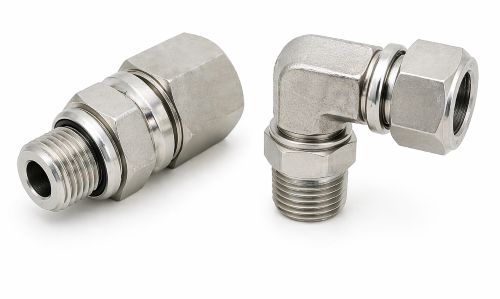
Vibration-resistant hydraulic fittings are specially engineered connectors used in hydraulic systems to maintain secure, leak-free connections even under constant vibration and mechanical stress.
Unlike standard fittings, which can gradually loosen over time when exposed to movement, vibration-resistant designs incorporate features that prevent loosening, absorb shock, and maintain a tight seal.
Key Characteristics:
1. Anti-loosening mechanisms that keep connections secure
2. Advanced sealing technologies to prevent leaks
3. Durable materials that resist fatigue and cracking
4. Design flexibility to handle dynamic motion
These fittings are essential in environments where equipment is exposed to continuous movement, pulsation, or external forces.
Why Vibration Is a Problem in Hydraulic Systems
Vibration is unavoidable in many hydraulic applications. It can originate from internal components like pumps and motors or from external sources such as rough terrain or nearby machinery.
Common Sources of Vibration:
1. Engine operation
2. Hydraulic pumps and pressure fluctuations
3. Mechanical movement and load shifts
4. Environmental factors (e.g., uneven surfaces, impacts)
Effects on Hydraulic Systems:
1. Loosening of threaded connections
2. Fluid leaks and pressure loss
3. Accelerated wear and metal fatigue
4. Cracks in fittings or tubing
Over time, even minor vibrations can lead to significant failures. The cost isn’t just in repairs, it includes downtime, lost productivity, and potential safety hazards.
Key Features of Vibration Resistant Hydraulic Fittings
What sets these fittings apart is their ability to maintain integrity under stress. Here are the most important features:
1. Anti-Loosening Designs
Many vibration-resistant fittings use mechanical locking systems such as wedge-lock washers or thread-locking geometries that prevent rotation and loosening.
2. Enhanced Sealing Technology
High-quality seals, such as O-rings or face seals, ensure a tight, leak-proof connection even under fluctuating pressure.
3. High-Strength Materials
Materials like stainless steel and alloy steel provide excellent resistance to fatigue, corrosion, and mechanical stress.
4. Shock Absorption
Some fittings are designed to absorb or dampen vibration, reducing the stress transferred to the connection point.
5. Corrosion Resistance
Protective coatings or corrosion-resistant materials extend the lifespan of fittings in harsh environments.
Types of Vibration-Resistant Hydraulic Fittings
Different applications require different fitting types. Here are the most commonly used options:
1. Flareless Fittings
➡️ Use compression to create a seal
➡️ Ideal for high-pressure systems
➡️ Resistant to vibration-induced loosening
2. Compression Fittings
➡️ Utilize ferrules to grip tubing
➡️ Provide strong resistance to movement
➡️ Easy to install and maintain
3. O-Ring Face Seal (ORFS) Fittings
➡️ Offer excellent leak prevention
➡️ Ideal for high-pressure and high-vibration environments
➡️ Common in heavy-duty applications
4. Bite-Type Fittings
➡️ Feature a ferrule that “bites” into the tubing
➡️ Provide strong mechanical grip
➡️ Suitable for extreme vibration conditions
5. Quick-Connect Couplings with Locking Mechanisms
➡️ Allow fast connection/disconnection
➡️ Include locking features to prevent accidental release
➡️ Useful in applications requiring frequent maintenance
Benefits of Using Vibration-Resistant Hydraulic Fittings
Investing in the right fittings delivers measurable advantages:
Improved Reliability
Secure connections reduce the likelihood of unexpected failures.
Reduced Maintenance Costs
Fewer leaks and breakdowns mean less time and money spent on repairs.
Longer Equipment Lifespan
Minimized wear and tear helps extend the life of hydraulic systems.
Enhanced Safety
Leak-free systems reduce the risk of accidents, especially in high-pressure environments.
Better Performance
Stable connections ensure consistent pressure and system efficiency.
Common Applications
Vibration-resistant hydraulic fittings are used across a wide range of industries:
1. Construction Equipment (excavators, loaders, cranes)
2. Mining Machinery (drills, haul trucks)
3. Agricultural Equipment (tractors, harvesters)
4. Oil and Gas Operations
5. Manufacturing and Automation Systems
6. Transportation (rail, marine, off-road vehicles)
Any environment with constant motion or heavy mechanical stress can benefit from these fittings.
How to Choose the Right Vibration-Resistant Fitting
Selecting the correct fitting is crucial for optimal performance. Here are key factors to consider:
1. Operating Conditions
Evaluate pressure levels, temperature ranges, and vibration intensity.
2. Material Compatibility
Ensure the fitting material is compatible with the hydraulic fluid and environment.
3. Connection Type and Size
Choose fittings that match your system’s specifications and standards.
4. Application Requirements
Consider whether the system requires flexibility, frequent disconnection, or high durability.
5. Industry Standards
Look for fittings that meet recognized certifications and quality standards.
6. Supplier Reliability
Work with reputable manufacturers known for quality and performance.
Installation Best Practices
Even the best fittings can fail if installed incorrectly. Follow these guidelines:
1. Use proper torque specifications
2. Avoid over-tightening or under-tightening
3. Ensure all components are clean and free of debris
4. Use the correct tools for installation
5. Double-check alignment and fit
6. Proper installation is critical to achieving vibration resistance.
Maintenance and Inspection Tips
Regular maintenance helps prevent unexpected failures:
1. Inspect fittings for leaks or loosening
2. Check for signs of corrosion or wear
3. Replace damaged seals promptly
4. Schedule routine system inspections
Preventive maintenance is far more cost-effective than emergency repairs.
Common Mistakes to Avoid
Avoid these common pitfalls:
1. Using standard fittings in high-vibration environments
2. Ignoring early warning signs like minor leaks
3. Improper installation techniques
4. Selecting the wrong fitting type or material
These mistakes can quickly lead to system failure and increased costs.
Conclusion
Vibration-resistant hydraulic fittings are more than just a specialized component. They are a critical investment in system reliability, safety, and performance. In environments where vibration is unavoidable, choosing the right fittings can mean the difference between smooth operation and costly downtime.
By understanding their features, benefits, and applications, you can make informed decisions that protect your equipment and optimize performance.
FAQs
1. What makes a hydraulic fitting vibration-resistant?
Features like locking mechanisms, advanced seals, and durable materials help prevent loosening and leaks under vibration.
2. Are vibration-resistant fittings more expensive?
They may have a higher upfront cost, but they reduce long-term maintenance and downtime expenses.
3. Can they be used in all hydraulic systems?
Yes, but they are especially beneficial in high-vibration environments.
4. How often should fittings be inspected?
Regular inspections should be part of routine maintenance, frequency depends on operating conditions.
5. What is the most common cause of fitting failure?
Vibration-induced loosening and improper installation are among the leading causes.
Post time: Apr-21-2026