

In hydraulic systems, even small components can make a significant difference in equipment protection, connection reliability, and maintenance efficiency. Tube adapter caps and tube plugs are two examples. Although they may look similar, they serve different purposes and are designed for different connection requirements.
Tube adapter caps are generally used to cover exposed fitting ends and protect them from dust, moisture, debris, and physical damage. Tube plugs, on the other hand, are designed to close compatible openings or ports and may provide a pressure-tight seal when specifically designed for that purpose.
Understanding the differences between these components helps engineers, maintenance technicians, and purchasing teams select the right product for their applications. In this guide, we’ll explore their designs, functions, materials, applications, and the key factors to consider when choosing between them.
What Is a Tube Adapter Cap?
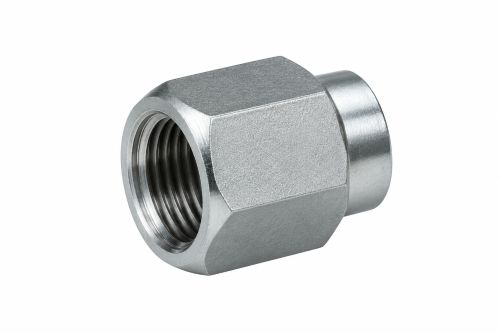
A tube adapter cap is a protective component designed to cover the exposed end of a compatible tube adapter, hydraulic fitting, or connection. Its main purpose is to keep the connection clean and protect important surfaces when the equipment is not in use.
During manufacturing, transportation, storage, and equipment maintenance, hydraulic connections can be exposed to dust, metal particles, moisture, and other contaminants. These contaminants may interfere with sealing performance or enter the hydraulic system during assembly. A suitable adapter cap helps reduce these risks.
Tube adapter caps come in different shapes and configurations depending on the connection they protect. Some feature internal threads that engage with a compatible threaded end, while others use a push-on or slip-on design. The correct style depends on the adapter geometry and the intended application.
Key Features of Tube Adapter Caps
Protective cap body: The main body covers the exposed connection and helps shield it from external contamination and handling damage.
Connection features: Depending on the design, a cap may have internal threads, an external profile, or another feature that allows it to fit securely over the intended connection.
Sealing surfaces: Some caps include an O-ring or another sealing element to improve protection against moisture and contaminants. However, not every protective cap is designed to create a fluid-tight or pressure-rated seal.
Material and surface finish: Common materials include carbon steel, stainless steel, brass, and suitable plastics. Metal caps may have protective finishes to improve corrosion resistance.
Tube adapter caps are particularly useful for hydraulic equipment manufacturers, fitting suppliers, repair workshops, and maintenance teams that need to keep connection points protected before installation or during periods of inactivity.
What Is a Tube Plug?
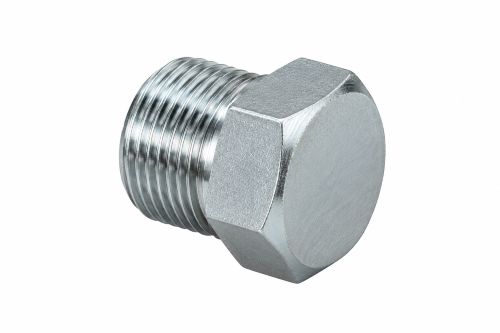
A tube plug is a component designed to close a compatible opening, port, or fitting connection. Depending on its construction, it may be used for temporary closure, contamination prevention, or operational sealing in a hydraulic or fluid-handling system.
Unlike a cap that generally covers an exposed connection end, a plug typically fits into an opening or engages with the corresponding connection. Threaded tube plugs, for example, screw into compatible threaded ports. Other designs may use an O-ring, a bonded seal, a sealing washer, or a metal-to-metal sealing surface.
The exact design determines how the plug functions and whether it can safely contain system pressure. A protective plug intended for storage should not automatically be treated as a pressure-rated component.
Key Features of Tube Plugs
Plug body: The main body fits into or engages with the opening that needs to be closed.
Threaded or insertion section: Depending on the design, the plug may feature external threads, internal threads, or another compatible engagement structure.
Sealing elements: Some plugs use O-rings, bonded seals, or sealing washers to prevent fluid leakage. Others rely on a specified metal-to-metal or thread-sealing arrangement.
Installation features: A hex head, internal socket, or other drive feature may allow the plug to be installed and removed with the appropriate tool.
Tube plugs are widely used in hydraulic manifolds, valves, adapters, pumps, cylinders, and other equipment with ports or openings that need to be closed.
Tube Adapter Caps vs. Tube Plugs: Key Differences
Although tube adapter caps and tube plugs can both help protect hydraulic connections, their designs and intended uses are different. The following sections explain the main distinctions.
1. Design and Structure
The most noticeable difference is how each component fits onto or into a connection.
A tube adapter cap is generally designed to cover the end of an adapter or fitting. It protects the exposed connection surface, including threads and sealing areas, from external damage and contamination.
A tube plug is generally designed to fit into a compatible opening or port. Its shape and engagement features allow it to close that opening. Depending on the connection design, the plug may also incorporate a sealing element to prevent fluid from escaping.
For example, a threaded protective cap may fit over the male end of a hydraulic adapter, while a threaded plug may screw into an unused port on a hydraulic manifold.
The two products may have similar external shapes, but their connection geometry determines whether they can be used for a particular application.
2. Primary Function
Tube adapter caps and tube plugs serve different primary purposes.
The main function of a tube adapter cap is to protect a connection. It helps keep contaminants away from exposed threads and sealing surfaces during storage, shipping, assembly, and maintenance.
A tube plug is primarily intended to close an opening. Depending on its specification, it may prevent contamination from entering the port or provide a fluid-tight seal when the system is operating.
For example, a manufacturer shipping hydraulic assemblies may install protective caps on exposed adapters before packaging. In contrast, a maintenance technician may install a specified pressure-rated plug in an unused hydraulic manifold port.
Understanding this distinction is essential because a component suitable for protecting a fitting during transportation may not be suitable for containing hydraulic pressure.
3. Installation Method
Installation requirements depend on the specific design and connection standard.
Tube adapter caps are installed over or onto compatible connection ends. Some can be fitted by hand, while threaded versions may require engagement with the corresponding external threads. Their installation should provide secure protection without damaging the fitting.
Tube plugs are installed into compatible openings. Threaded plugs must match the port’s thread type and size. If the plug relies on an O-ring, bonded seal, or sealing washer, the relevant sealing surfaces must be clean and undamaged.
For pressure-bearing applications, follow the manufacturer’s installation instructions and specified torque requirements. Over-tightening can damage threads, distort sealing surfaces, or compromise the sealing element.
4. Sealing Performance
Sealing performance is another important difference, particularly in hydraulic systems where fluid leakage can affect safety, efficiency, and equipment reliability.
A protective tube adapter cap may provide a degree of environmental protection, but not all caps are designed to seal fluids or withstand internal pressure. Some are intended only for keeping connections clean during transport and storage.
Tube plugs may be designed for operational sealing, but their performance depends on the plug’s construction, the port design, and the sealing method.
Common sealing arrangements include:
➡️ O-rings: Provide sealing when correctly matched to the groove, mating surface, fluid, and operating conditions.
➡️ Bonded seals and sealing washers: Create a seal at a compatible contact surface.
➡️ Tapered threads: May provide sealing through the specified thread design and an approved sealing method.
➡️ Metal-to-metal sealing surfaces: Rely on the geometry and condition of precisely matched surfaces.
The thread type alone does not always determine the sealing method. For example, straight threads may require a separate seal, while certain tapered threads are designed to seal through their threaded engagement when installed correctly.
Always check the component specification before using either a cap or a plug in a pressurized system.
5. Materials and Surface Finishes
Tube adapter caps and tube plugs are manufactured from a range of materials to suit different operating environments.
Carbon steel is widely used in industrial hydraulic applications because of its strength and practicality. Protective surface treatments, such as zinc plating, can improve corrosion resistance.
Stainless steel is suitable for applications requiring greater corrosion resistance, including equipment exposed to moisture or certain demanding environments. The appropriate grade still depends on the fluid, temperature, and exposure conditions.
Brass may be used in compatible fluid systems where its material properties are suitable for the application.
Engineering plastics are also common in protective caps and plugs, particularly when the goal is to protect connection ends during shipping, storage, or assembly.
Surface finishes vary by material and intended use. Metal components may be plated, passivated, or treated with other suitable finishes.
When selecting a material, consider the operating environment, hydraulic fluid compatibility, corrosion exposure, temperature, and whether the component will be used for protection or pressure containment.
6. Typical Applications
Tube adapter caps and tube plugs are used throughout industrial manufacturing and fluid power systems, but they are commonly applied in different situations.
Tube adapter caps are often used for:
➡️ Protecting exposed hydraulic adapters during transportation and storage.
➡️ Keeping fitting threads and sealing surfaces clean before assembly.
➡️ Reducing contamination risks during equipment manufacturing.
➡️ Protecting spare hydraulic components stored in warehouses.
➡️ Covering connection ends during maintenance and equipment servicing.
Tube plugs are often used for:
➡️ Closing unused ports in hydraulic manifolds and valve blocks.
➡️ Sealing compatible openings in pumps, cylinders, and adapters.
➡️ Closing specified hydraulic connections during system assembly.
➡️ Preventing fluid leakage from ports designed to be plugged.
➡️ Supporting maintenance and repair when a port must remain closed.
These are general applications rather than strict limitations. Some caps are engineered for fluid sealing, and some plugs are intended only for protection. Always select the component according to its actual design and rating.
Quick Comparison: Tube Adapter Caps vs. Tube Plugs
Here’s a quick comparison between tube adapter caps and tube plugs:
|
Feature |
Tube Adapter Cap |
Tube Plug |
|
Basic design |
Generally covers a connection end |
Generally fits into a compatible opening |
|
Primary purpose |
Protects exposed connection surfaces |
Closes an opening or port |
|
Common use |
Shipping, storage, and assembly protection |
Port closure and, where specified, fluid sealing |
|
Connection style |
Threaded, push-on, or other compatible design |
Threaded or another design matching the port |
|
Sealing capability |
Depends on the cap’s design and rating |
Depends on the plug’s design and rating |
|
Typical materials |
Carbon steel, stainless steel, brass, and plastics |
Carbon steel, stainless steel, brass, and other specified materials |
|
Selection priorities |
Connection geometry, protective fit, and environmental exposure |
Port compatibility, sealing method, and pressure rating |
When Should You Use a Tube Adapter Cap?
A tube adapter cap is generally the better choice when the primary goal is protecting an exposed connection rather than closing a port for normal system operation.
During Shipping and Storage
Hydraulic fittings may travel through multiple stages of manufacturing, packaging, transportation, and distribution before reaching the end user. Protective caps help reduce the risk of damage and contamination during these stages.
They can also protect components stored as spare parts until they are needed for installation or repair.
During Equipment Assembly
Hydraulic equipment often includes connections that are machined or installed before the complete system is assembled. Capping exposed ends helps keep them clean while other components are being fitted.
This is particularly useful in manufacturing environments where dust, machining residue, and handling can affect connection cleanliness.
During Maintenance
When a hydraulic assembly is disconnected for inspection or repair, suitable protective caps can help protect exposed connection ends. This reduces the chance of dirt entering the system during servicing.
Choose a cap that matches the connection profile and provides the required level of protection. Remove temporary protective caps before operation unless the component is specifically designed and approved for continued service.
When Should You Use a Tube Plug?
A tube plug is generally appropriate when an opening or port needs to be closed with a component designed for that purpose.
Closing Unused Hydraulic Ports
Manifolds, valve blocks, and other hydraulic components may have ports that are not required in a particular configuration. A compatible plug can close these openings according to the equipment design.
For pressure-bearing applications, the plug must have the appropriate pressure rating and sealing arrangement.
Preventing Fluid Leakage
When a hydraulic port must remain closed during normal operation, a specified sealing plug may help prevent fluid leakage.
The correct thread, seal type, installation procedure, and pressure rating are essential. A plug that fits mechanically may still be unsuitable if its sealing arrangement does not match the port.
Supporting Equipment Maintenance
Tube plugs may also be used during equipment servicing or system modifications when a port needs to be closed. The appropriate component depends on whether the closure is temporary or permanent, whether pressure will be present, and what the manufacturer’s instructions require.
Do not use an ordinary protective plug as a substitute for a properly rated pressure-containing component.
How to Choose Between a Tube Adapter Cap and a Tube Plug
Choosing the correct component starts with understanding the connection and the job it needs to perform. The following factors can help narrow the options.
1. Identify the Connection Type
Determine whether you need to protect an exposed fitting end or close an opening.
Check the connection’s dimensions, thread specifications, and applicable standard. Common hydraulic connection types include JIC, BSP, NPT, and metric threads, but these standards are not automatically interchangeable.
Do not rely on appearance alone. Confirm the connection specifications before ordering a cap or plug.
2. Define the Intended Application
Ask whether the component is needed for shipping, storage, assembly, maintenance, or normal system operation.
If the goal is to protect an exposed adapter from contamination, a compatible protective cap may be appropriate. If an unused port must remain closed during operation, select a plug specifically designed for that connection and its operating conditions.
3. Check Material Compatibility
Consider the fluid, temperature, moisture exposure, and surrounding environment.
For example, carbon steel with a suitable protective finish may be appropriate for many general industrial applications. Stainless steel may be preferable where corrosion resistance is especially important.
The selected material must also be compatible with the fluid and any sealing materials used in the assembly.
4. Verify Sealing Requirements and Pressure Rating
This step is particularly important for hydraulic applications.
Confirm whether the component is intended only for protection or is rated to contain system pressure. Check the manufacturer’s technical documentation for the maximum working pressure, temperature limits, and installation requirements.
Never assume that a cap or plug can withstand hydraulic pressure simply because its threads fit the connection.
5. Evaluate Product Quality and Manufacturing Consistency
For manufacturers, distributors, and bulk buyers, product consistency is an important purchasing consideration.
Look for accurate dimensions, properly formed threads, suitable material specifications, reliable surface finishes, and appropriate quality control procedures.
If you require special thread configurations, particular materials, or customized finishes, ask the manufacturer whether those options are available and request technical documentation where needed.
Common Mistakes to Avoid
Even a small fitting accessory can create problems if it is incorrectly selected or installed. Avoid these common mistakes when choosing tube adapter caps and tube plugs.
Using a protective cap as a pressure-rated plug. A cap designed for shipping protection may not withstand internal pressure. Verify its intended use and rating.
Choosing the wrong thread size or type. Similar-looking threads can have different pitches, profiles, or sealing requirements. Confirm the connection standard before installation.
Ignoring the sealing method. A plug may require a specific O-ring, bonded seal, washer, or thread-sealing arrangement. Using the wrong method can result in leakage.
Selecting an unsuitable material. Poor material compatibility can lead to corrosion, seal deterioration, or premature component failure.
Over-tightening the component. Excessive torque may damage threads or sealing surfaces. Follow the manufacturer’s instructions.
Reusing damaged components. Cracked caps, distorted threads, worn seals, and damaged plugs should be inspected and replaced when necessary.
Paying attention to these details helps improve connection protection and reduce avoidable maintenance issues.
Frequently Asked Questions
1. Are tube adapter caps and tube plugs interchangeable?
Not necessarily. Tube adapter caps generally cover exposed connection ends, while tube plugs generally fit into compatible openings or ports. Their connection geometry and intended functions differ, so they should only be substituted when the manufacturer confirms compatibility and suitability for the application.
2. Can a tube adapter cap withstand hydraulic pressure?
Only if it is specifically designed and rated for the intended pressure conditions. Many protective caps are intended for shipping, storage, or contamination prevention rather than pressure containment. Always check the manufacturer’s specifications before using a cap in an operating hydraulic system.
3. Do tube plugs require O-rings?
No. Some tube plugs use O-rings, while others rely on bonded seals, sealing washers, tapered threads, or metal-to-metal sealing surfaces. The required arrangement depends on the plug design and the port standard.
4. What materials are commonly used for tube adapter caps and tube plugs?
Common materials include carbon steel, stainless steel, brass, and engineering plastics. The best option depends on the application, fluid compatibility, corrosion exposure, temperature, and whether the component must withstand operating pressure.
5. How do I choose the correct size for a tube adapter cap or tube plug?
Identify the connection or port type, measure the relevant dimensions, and confirm the thread size, pitch, and sealing arrangement. Consult the fitting manufacturer’s documentation to verify compatibility rather than relying on visual similarity alone.
Conclusion
Tube adapter caps and tube plugs may appear similar, but they serve different purposes in hydraulic and industrial fluid systems. Tube adapter caps generally protect exposed connection ends from contamination and physical damage, while tube plugs are designed to close compatible ports or openings and may provide operational sealing when properly specified.
The right choice depends on the connection geometry, intended application, material compatibility, sealing requirements, and operating pressure. Selecting the correct component helps protect hydraulic equipment, maintain connection integrity, and support reliable system operation.
For manufacturers, distributors, and equipment builders, working with an experienced hydraulic fittings supplier can simplify product selection and sourcing. Sannke offers hydraulic fitting solutions for a range of industrial connection requirements. When sourcing tube adapter caps or tube plugs, confirm the required specifications, materials, connection standards, and application conditions to ensure the selected products meet your needs.
Post time: Oct-22-2026