

Hydraulic systems are the backbone of many industries, powering everything from construction machinery to industrial automation. However, these systems often operate under harsh conditions where shock loads, pressure spikes, and constant vibration are unavoidable.
Over time, these forces can weaken connections, cause leaks, and lead to costly failures. That’s where shock resistant hydraulic connectors come in. Designed to withstand extreme operating conditions, these specialized fittings play a crucial role in maintaining system integrity and performance.
In this guide, you’ll learn what shock resistant hydraulic connectors are, how they work, and why they are essential for modern hydraulic systems.
What Are Shock Resistant Hydraulic Connectors?
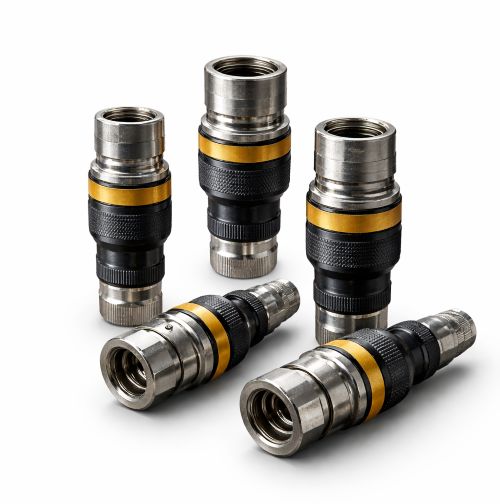
Shock resistant hydraulic connectors are specially engineered fittings designed to withstand vibration, mechanical shock, and pressure fluctuations without loosening or failing.
Unlike standard hydraulic fittings, these connectors are built with:
1. Enhanced structural strength
2. Advanced sealing systems
3. Vibration-resistant designs
They are widely used in industries such as:
1. Construction
2. Mining
3. Agriculture
4. Manufacturing
Their primary goal is simple: ensure reliable, leak-free performance even under extreme stress.
Why Shock and Vibration Are a Problem in Hydraulic Systems
Hydraulic systems are rarely static. They experience continuous movement and pressure changes that can compromise standard fittings.
Common Sources of Shock and Vibration
1. Heavy machinery movement
2. Engine operation
3. Sudden valve closures (water hammer effect)
4. External impacts and load shifts
Problems Caused
1. Loosening of threaded connections
2. Seal degradation and failure
3. Hydraulic fluid leaks
4. Increased maintenance costs
5. Reduced equipment lifespan
Without proper protection, these issues can escalate quickly, leading to unexpected downtime and safety risks.
Key Features of Shock Resistant Hydraulic Connectors
Shock resistant connectors are designed with durability and performance in mind. Key features include:
1. Reinforced Materials
High-strength steel or stainless steel construction for maximum durability.
2. Vibration-Resistant Threads
Special thread designs that reduce loosening under continuous movement.
3. Advanced Sealing Mechanisms
➡️ O-ring face seals
➡️ Metal-to-metal sealing surfaces
These ensure tight sealing even under pressure spikes.
4. Flexibility and Stress Distribution
Some designs allow slight movement to absorb stress instead of transferring it.
5. Corrosion and Wear Resistance
Protective coatings or materials that extend service life in harsh environments.
How Shock Resistant Hydraulic Connectors Work
These connectors are engineered to absorb and manage mechanical stress rather than fail under it.
They work by:
1. Minimizing micro-movements that cause loosening
2. Maintaining consistent sealing under dynamic loads
3. Distributing stress across the connector body
Compared to standard fittings, they provide greater stability and long-term reliability, especially in high-impact applications.
Types of Shock Resistant Hydraulic Connectors
Different applications require different connector designs. Common types include:
Flexible Hose Connectors
Allow movement and reduce stress on rigid connections.
Swivel Fittings
Enable rotation, preventing torsional stress buildup.
Compression Fittings with Vibration Resistance
Provide secure sealing even under fluctuating pressure.
Quick-Connect Couplings
Designed for fast connection and disconnection in demanding environments.
Application-Specific Designs
Custom connectors tailored for extreme conditions or specialized machinery.
Benefits of Using Shock Resistant Hydraulic Connectors
Investing in the right connectors offers significant advantages:
1. Improved System Reliability – Reduced risk of failure
2. Lower Maintenance Costs – Fewer repairs and replacements
3. Enhanced Safety – Minimized risk of leaks and accidents
4. Longer Equipment Lifespan – Less wear on system components
5. Operational Efficiency – Less downtime and higher productivity
For both engineers and buyers, these benefits translate into better performance and cost savings over time.
Common Applications
Shock resistant hydraulic connectors are essential in environments where stress and vibration are unavoidable:
1. Construction equipment (excavators, loaders)
2. Mining machinery
3. Agricultural equipment (tractors, harvesters)
4. Industrial automation systems
5. Transportation and mobile hydraulics
In these applications, reliability is not optional—it’s critical.
How to Choose the Right Shock Resistant Hydraulic Connector
Selecting the right connector requires careful consideration:
1. Operating Conditions
➡️ Pressure levels
➡️ Temperature range
2. Vibration Intensity
Assess how much movement and shock the system experiences.
3. Compatibility
Ensure the connector matches existing fittings and system standards.
4. Material Selection
➡️ Steel for strength
➡️ Stainless steel for corrosion resistance
➡️ Brass for lighter applications
5. Standards and Certifications
Look for compliance with industry standards to ensure quality and safety.
Installation Best Practices
Even the best connector can fail if installed incorrectly.
1. Use proper torque specifications
2. Avoid over-tightening
3. Ensure correct alignment
4. Apply thread sealants when required
5. Double-check connections after installation
Proper installation is key to maximizing performance and longevity.
Maintenance and Inspection Tips
Routine maintenance helps prevent unexpected failures:
1. Inspect connectors regularly for wear or loosening
2. Check for leaks or corrosion
3. Clean components to prevent buildup
4. Replace worn parts before failure occurs
Proactive maintenance reduces downtime and extends system life.
Common Mistakes to Avoid
Avoid these common pitfalls:
1. Using standard fittings in high-shock environments
2. Ignoring manufacturer guidelines
3. Mixing incompatible fitting types
4. Poor installation practices
These mistakes can lead to premature failure and costly repairs.
Conclusion
Shock resistant hydraulic connectors are more than just components, they are critical safeguards in demanding hydraulic systems. By resisting vibration, absorbing shock, and maintaining secure seals, they help prevent failures, reduce maintenance costs, and improve overall system performance.
Whether you’re an engineer designing a system, a buyer sourcing components, or a beginner learning the basics, understanding these connectors is essential for making informed decisions.
Investing in the right hydraulic connectors today can save significant time, money, and risk in the long run.
Post time: Apr-20-2026