

In industrial fluid and gas systems, even the smallest connection point can have a significant impact on performance, safety, and efficiency. A poorly sealed fitting can lead to leaks, pressure loss, equipment damage, and costly downtime. That’s why selecting the right fitting technology is essential for maintaining reliable operations.
Among the many connection solutions available today, NPT Bite Type Fittings have become a trusted choice for industries that require secure, leak-free, and durable tube connections. From hydraulic systems and chemical processing plants to instrumentation lines and pneumatic applications, these fittings are designed to withstand demanding operating conditions while ensuring optimal performance.
In this guide, we’ll explore what NPT Bite Type Fittings are, how they work, their key advantages, common applications, and important factors to consider when selecting and installing them.
What Are NPT Bite Type Fittings?
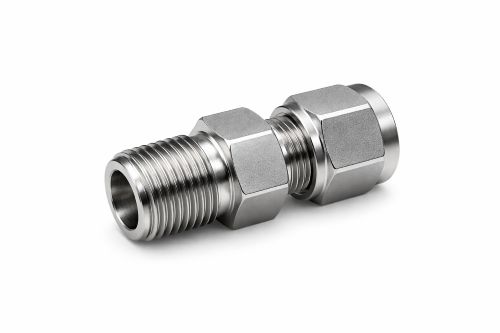
NPT Bite Type Fittings are mechanical tube fittings that combine the sealing capabilities of a bite-type ferrule system with National Pipe Thread (NPT) connections. They are designed to create a strong and reliable connection between tubing and threaded components within a fluid or gas system.
The term “NPT” refers to National Pipe Tapered Thread, a widely used thread standard in North America. The tapered thread design helps create a tight seal when connected to compatible threaded ports or fittings.
The “bite type” mechanism refers to the ferrule’s ability to grip or “bite” into the outer surface of the tube when the fitting is tightened. This creates a secure mechanical hold while simultaneously forming a leak-resistant seal.
Unlike welded connections, NPT Bite Type Fittings offer a simpler installation process and can often be disassembled for maintenance or system modifications.
Main Components of an NPT Bite Type Fitting
To understand how these fittings function, it helps to become familiar with their primary components.
Fitting Body
The fitting body serves as the main housing that connects to the threaded system through NPT threads. It contains the internal seating surfaces that interact with the ferrule during assembly.
Nut
The nut applies compression force when tightened. As it moves forward along the fitting body threads, it pushes the ferrule into position.
Ferrule
The ferrule is the key component responsible for creating the bite and seal. Depending on the design, fittings may use a single ferrule or a double ferrule system.
The ferrule grips the tubing securely and prevents movement under pressure or vibration.
Tubing
The tubing carries the fluid or gas through the system. Proper tube material, size, and wall thickness are essential for achieving optimal fitting performance.
How Do NPT Bite Type Fittings Work?
The effectiveness of NPT Bite Type Fittings lies in their simple yet highly engineered design.
Step 1: Tube Insertion
The tube is inserted into the fitting body until it reaches the internal shoulder or stop. Proper insertion ensures that the ferrule engages the tube at the correct position.
Step 2: Nut Tightening
Once the tube is properly seated, the nut is tightened according to the manufacturer’s specifications.
As the nut advances, it pushes the ferrule forward into the fitting body.
Step 3: Ferrule Compression
The geometry of the fitting body causes the ferrule to compress around the tube.
This compression creates a controlled “bite” into the tube’s outer surface. The ferrule deforms slightly, establishing a strong mechanical grip without damaging the tubing when installed correctly.
Step 4: Seal Formation
As the ferrule grips the tube, it simultaneously forms a metal-to-metal seal.
This dual action creates:
➡️ Excellent leak resistance
➡️ Strong tube retention
➡️ High-pressure capability
➡️ Resistance to vibration and shock
The result is a durable connection capable of maintaining system integrity even under challenging operating conditions.
Why Is the Bite Mechanism So Effective?
One of the primary reasons engineers choose bite-type fittings is their ability to combine mechanical strength with sealing performance.
Unlike fittings that rely solely on thread sealants or gaskets, bite-type fittings create a direct mechanical connection between the tube and fitting assembly.
This design offers several benefits:
1. Reduced risk of leaks
2. Greater resistance to pressure fluctuations
3. Improved vibration tolerance
4. Enhanced system reliability
5. Longer service life
The ferrule’s grip helps prevent tube pullout, making these fittings especially useful in systems subject to movement or mechanical stress.
Key Features of NPT Bite Type Fittings
Leak-Proof Sealing
The ferrule creates a highly reliable seal that minimizes fluid or gas leakage, even in demanding applications.
High Pressure Performance
Many NPT Bite Type Fittings are designed for high-pressure environments, making them suitable for hydraulic systems and process instrumentation.
Vibration Resistance
Industrial machinery often generates significant vibration. The bite-type design helps maintain connection integrity under these conditions.
Easy Installation
Compared to welded joints, bite-type fittings are relatively simple to install and require fewer specialized tools.
Reusability
Many fittings can be disconnected and reassembled when maintenance or system modifications are necessary.
Corrosion Resistance
Stainless steel variants offer excellent resistance to corrosion, making them suitable for harsh industrial environments.
Advantages of Using NPT Bite Type Fittings
Improved Safety
Leaks in industrial systems can create serious safety hazards. By providing dependable sealing performance, NPT Bite Type Fittings help reduce operational risks.
Reduced Maintenance Costs
A properly installed fitting requires minimal maintenance and can significantly reduce repair expenses caused by leaks or connection failures.
Long-Term Durability
High-quality fittings are designed to withstand years of service in demanding operating environments.
Reliable Tube Retention
The ferrule’s gripping action ensures the tube remains securely positioned, even under pressure fluctuations.
Versatility
These fittings are compatible with a wide range of tubing materials and industrial systems.
Cost Efficiency
Their combination of easy installation, durability, and low maintenance requirements contributes to lower overall lifecycle costs.
Common Applications of NPT Bite Type Fittings
Because of their reliability and performance, NPT Bite Type Fittings are used across numerous industries.
Oil and Gas Industry
These fittings are commonly found in:
1. Instrumentation lines
2. Pressure monitoring systems
3. Control panels
4. Process piping networks
Chemical Processing Plants
Corrosion-resistant stainless steel fittings are widely used for handling aggressive chemicals and process fluids.
Hydraulic Systems
High-pressure hydraulic applications require secure connections capable of withstanding significant operating pressures.
Pneumatic Systems
Compressed air systems benefit from the leak-free sealing capabilities of bite-type fittings.
Power Generation
Power plants use these fittings in instrumentation systems, control circuits, and fluid handling equipment.
Water Treatment Facilities
Reliable connections are critical for water purification and treatment processes.
Pharmaceutical and Food Processing
Stainless steel fittings are often selected for applications where cleanliness, corrosion resistance, and reliability are essential.
NPT Bite Type Fittings vs. Other Fitting Types
NPT Bite Type Fittings vs. Compression Fittings
While both fitting types create tube connections, bite-type fittings generally provide stronger tube retention and better performance in high-pressure environments.
NPT Bite Type Fittings vs. Welded Connections
Welded joints offer permanent connections but require skilled labor and additional installation time.
Bite-type fittings provide:
➡️ Faster installation
➡️ Easier maintenance
➡️ Greater flexibility
➡️ Reduced downtime
NPT Bite Type Fittings vs. BSP Fittings
The primary difference lies in thread standards.
1. NPT uses tapered threads commonly used in North America.
2. BSP uses British Standard Pipe threads commonly found in Europe and many international markets.
Proper thread compatibility is essential to prevent leakage and installation issues.
How to Choose the Right NPT Bite Type Fitting
Selecting the correct fitting involves several considerations.
Operating Pressure
Always verify that the fitting’s pressure rating exceeds your system’s maximum operating pressure.
Temperature Range
Extreme temperatures can affect material performance and sealing effectiveness.
Tube Material Compatibility
Ensure compatibility between the ferrule material and the tubing material.
Size Requirements
Select fittings that match the tube diameter and thread size specifications of your system.
Material Selection
Common options include:
➡️ Stainless Steel 304
➡️ Stainless Steel 316
➡️ Brass
➡️ Carbon Steel
The operating environment often determines the most suitable material.
Industry Standards
Choose fittings that comply with relevant industry standards and quality certifications.
Installation Best Practices
Proper installation is critical for achieving maximum performance.
Inspect Components
Check all parts for damage, contamination, or manufacturing defects before assembly.
Prepare the Tube Properly
Ensure the tube is:
➡️ Clean
➡️ Round
➡️ Free from burrs
➡️ Correctly cut
Follow Manufacturer Guidelines
Always adhere to recommended tightening procedures and torque specifications.
Avoid Over-Tightening
Excessive tightening can damage the ferrule, tubing, or fitting body.
Perform Leak Testing
Test the system after installation to verify connection integrity.
Common Problems and Troubleshooting
Leakage
Possible causes include:
1. Improper installation
2. Damaged ferrules
3. Incorrect tube insertion
4. Thread compatibility issues
Tube Slippage
This often occurs when the ferrule has not been properly tightened or seated.
Corrosion
Selecting unsuitable materials for the operating environment can lead to premature corrosion.
Thread Damage
Cross-threading or excessive force can compromise sealing performance and connection strength.
Maintenance Tips for Long-Term Reliability
Routine maintenance helps extend fitting life and improve system performance.
Recommended practices include:
1. Conducting regular visual inspections
2. Checking for signs of leakage
3. Monitoring vibration-related wear
4. Replacing damaged components promptly
5. Cleaning fittings when necessary
6. Properly storing replacement parts
Preventive maintenance can significantly reduce the risk of unexpected system failures.
Conclusion
NPT Bite Type Fittings play a critical role in modern fluid and gas handling systems. Their unique combination of NPT threaded connections and bite-type ferrule technology provides secure, leak-resistant, and durable tube connections suitable for a wide range of industrial applications.
Whether used in hydraulic systems, chemical processing plants, oil and gas facilities, or instrumentation networks, these fittings deliver dependable performance under challenging conditions. Their ease of installation, strong mechanical grip, vibration resistance, and long service life make them a preferred choice for engineers and maintenance professionals worldwide.
By selecting the right fitting, following proper installation practices, and performing routine maintenance, organizations can maximize system reliability while minimizing downtime and operating costs.
Frequently Asked Questions
What does NPT stand for?
NPT stands for National Pipe Tapered Thread, a standardized thread design widely used in North America for fluid and gas connections.
Are NPT Bite Type Fittings reusable?
Many high-quality NPT Bite Type Fittings can be disassembled and reused, provided the components remain in good condition.
Can these fittings handle high-pressure applications?
Yes. NPT Bite Type Fittings are commonly used in high-pressure hydraulic, pneumatic, and instrumentation systems.
Which material is best for corrosive environments?
Stainless Steel 316 is generally preferred for corrosive environments due to its excellent corrosion resistance.
How can you prevent leaks?
Proper tube preparation, correct installation procedures, appropriate tightening, and regular inspections are key to preventing leaks.
What industries commonly use NPT Bite Type Fittings?
Industries include oil and gas, chemical processing, pharmaceuticals, power generation, water treatment, manufacturing, and industrial automation.
Post time: Jun-11-2026