

Hydraulic systems rely on secure, leak-free connections to operate safely and efficiently. Among the many types of hydraulic fittings available today, JIC fittings remain one of the most widely used standards across industries due to their durability, reliability, and ease of maintenance.
One of the most critical factors in achieving a reliable hydraulic connection is applying the correct torque. Improper torque can lead to serious problems such as hydraulic leaks, cracked fittings, premature component wear, equipment downtime, and even complete system failure. Over-tightening can damage the fitting seat or threads, while under-tightening often causes leaks and vibration-related loosening.
In this comprehensive guide, you’ll learn what JIC fittings are, why torque specifications matter, how to properly tighten hydraulic fittings, common installation mistakes to avoid, and best practices for maintaining leak-free hydraulic connections.
What Are JIC Fittings?
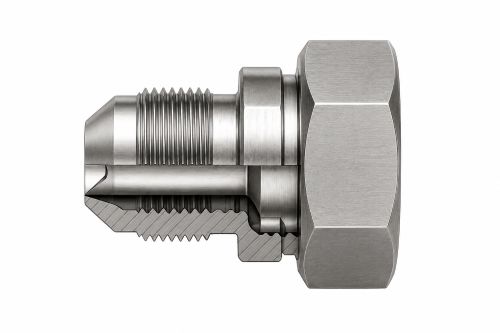
JIC fittings, short for Joint Industry Council fittings, are a type of hydraulic connection that uses a 37-degree flare seating surface to create a metal-to-metal seal. They are commonly used in high-pressure hydraulic applications because they provide dependable sealing performance and can be disconnected and reused multiple times.
The 37-degree flare design is what distinguishes JIC fittings from other connection styles. When properly tightened, the male and female flare seats compress together to form a strong seal capable of handling substantial hydraulic pressure.
JIC fittings are commonly found in:
1. Hydraulic systems
2. Industrial machinery
3. Agricultural equipment
4. Automotive applications
5. Construction equipment
6. Fluid transfer systems
Key Features of JIC Fittings
Metal-to-Metal Sealing
JIC fittings create a seal through direct metal contact rather than relying solely on thread sealing compounds. This helps improve reliability under high-pressure conditions.
Reusable Connections
Unlike some hydraulic fittings that are designed for one-time use, JIC fittings can typically be disconnected and reused if the sealing surfaces remain undamaged.
High-Pressure Performance
JIC fittings are engineered to withstand demanding hydraulic pressures, making them suitable for industrial and heavy-duty applications.
Easy Maintenance
Their straightforward design allows technicians to install, inspect, and replace components quickly.
Common Materials Used
JIC fittings are manufactured using several materials depending on the application requirements:
➡️ Carbon steel
➡️ Stainless steel
➡️ Brass
➡️ Aluminum
Each material has different pressure capabilities, corrosion resistance, and torque requirements.
Why Torque Specs Matter for JIC Fittings
Applying the proper torque to JIC fittings is essential for maintaining hydraulic system integrity. Incorrect torque is one of the leading causes of hydraulic fitting failures.
Preventing Hydraulic Leaks
Under-tightened fittings often fail to fully seat the flare surfaces together. This allows hydraulic fluid to seep through the connection, especially under pressure cycling and vibration.
Leaks can lead to:
1. Loss of hydraulic pressure
2. Reduced system efficiency
3. Fluid contamination
4. Environmental hazards
5. Increased operating costs
Even small leaks can worsen over time if not corrected promptly.
Avoiding Over-Tightening Damage
Many technicians mistakenly assume tighter connections are always better. In reality, excessive torque can seriously damage the fitting.
Over-tightening may cause:
1. Thread damage
2. Cracked flare seats
3. Distorted fitting bodies
4. Permanent deformation
5. Reduced sealing effectiveness
Once the sealing surface becomes distorted, the fitting may never seal properly again.
Maintaining System Safety
Hydraulic systems often operate at extremely high pressures. A failed fitting connection can create dangerous conditions including fluid injection injuries, equipment damage, and sudden machine failure.
Proper torque helps ensure:
1. Safe hydraulic operation
2. Reduced equipment downtime
3. Improved operator safety
4. Reliable system performance
Improving Fitting Lifespan
Correctly torqued fittings typically last much longer than improperly installed connections. Proper installation reduces wear, prevents fatigue, and minimizes stress on hydraulic components.
Benefits include:
1. Longer service life
2. Lower maintenance costs
3. Fewer replacement parts
4. Improved equipment reliability
Understanding JIC Torque Specifications
Before tightening hydraulic fittings, it’s important to understand what torque specifications actually mean and which factors influence the recommended values.
What Torque Specs Mean
Torque is the rotational force applied to tighten a fastener or fitting. In hydraulic systems, torque determines how tightly the flare surfaces compress together to create the seal.
Torque is commonly measured in:
➡️ Foot-pounds (ft-lbs)
➡️ Inch-pounds (in-lbs)
➡️ Newton-meters (Nm)
Using the proper torque value ensures the fitting seals correctly without damaging the connection.
Factors That Affect Torque Values
Several factors influence the recommended torque specification for a JIC fitting.
Fitting Size
Larger fittings require greater tightening force because they have larger sealing surfaces and threads.
For example:
➡️ A -4 JIC fitting requires far less torque than a -16 fitting.
➡️ Higher thread diameters need more rotational force to properly seat.
Material Type
Different materials respond differently to torque.
1. Steel fittings can generally tolerate higher torque values.
2. Aluminum fittings require lower torque to prevent deformation.
3. Stainless steel fittings may be prone to galling if improperly lubricated.
Lubrication
Lubricated threads reduce friction, which changes how torque is transferred into clamping force.
Dry threads and lubricated threads can produce very different sealing pressures even at the same torque setting.
Operating Pressure
High-pressure hydraulic systems may require stricter installation procedures and closer adherence to manufacturer recommendations.
Standard JIC Fitting Torque Chart
Torque charts provide general installation guidelines for common fitting sizes. However, manufacturer specifications should always take priority because torque recommendations may vary by material, coating, and application.
SAE standards are commonly referenced for hydraulic fitting installation.
|
Dash Size |
Thread Size |
Recommended Torque (ft-lbs) |
|
-4 |
7/16-20 |
11–12 |
|
-6 |
9/16-18 |
18–20 |
|
-8 |
3/4-16 |
37–43 |
|
-10 |
7/8-14 |
55–65 |
|
-12 |
1-1/16-12 |
75–85 |
|
-16 |
1-5/16-12 |
110–130 |
Notes About Torque Charts:
1. Always verify torque values with the fitting manufacturer.
2. Torque requirements may vary depending on fitting material.
3. Specialized hydraulic systems may require unique installation procedures.
4. Never estimate torque by feel alone on critical hydraulic systems.
How to Properly Tighten JIC Fittings
Correct installation procedures are essential for leak-free hydraulic connections.
Tools You Need
Before installation, gather the proper tools:
➡️ Torque wrench
➡️ Backup wrench
➡️ Clean hydraulic fittings
➡️ Thread cleaning materials
➡️ Safety equipment
Using proper tools helps prevent fitting damage and inaccurate torque application.
Step-by-Step Installation Process
Step 1: Inspect the Fittings
Carefully inspect all fitting components before assembly.
Look for:
➡️ Cracks
➡️ Damaged threads
➡️ Scratched flare seats
➡️ Corrosion
➡️ Contamination
Never install damaged fittings.
Step 2: Clean Threads and Sealing Surfaces
Dirt and debris can interfere with sealing performance.
Use clean lint-free materials to remove:
➡️ Dirt
➡️ Metal particles
➡️ Hydraulic residue
➡️ Contaminants
Clean sealing surfaces improve reliability.
Step 3: Hand Tighten First
Always start threading by hand to prevent cross-threading.
The fitting should rotate smoothly without excessive resistance.
If resistance occurs early, stop immediately and inspect the threads.
Step 4: Use Proper Torque Wrench Settings
Use a calibrated torque wrench to tighten the fitting according to the manufacturer’s specification.
Apply torque gradually and evenly while using a backup wrench to prevent twisting connected tubing or components.
Step 5: Inspect for Leaks
After installation:
➡️ Pressurize the hydraulic system
➡️ Inspect the connection carefully
➡️ Check for seepage or leaks
➡️ Monitor the fitting during operation
Leak testing helps verify proper installation.
Common JIC Torque Mistakes
Even experienced technicians sometimes make installation errors that compromise hydraulic performance.
Over-Tightening
Over-tightening is one of the most common hydraulic fitting mistakes.
Signs of Damage:
1. Cracked fittings
2. Flattened flare seats
3. Distorted threads
4. Persistent leaks despite tightening
The idea that “tighter is better” is false in hydraulic systems.
Under-Tightening
Insufficient torque often results in hydraulic seepage and vibration loosening.
Common symptoms include:
1. Wet fittings
2. Dripping hydraulic fluid
3. Pressure loss
4. Loose connections after operation
Using Incorrect Torque Charts
Not all JIC fittings use identical torque values.
Manufacturer-specific differences may exist due to:
1. Material variations
2. Surface coatings
3. Design tolerances
4. Pressure ratings
Always reference the correct documentation.
Ignoring Material Differences
Aluminum fittings generally require lower torque than steel fittings.
Applying steel torque values to aluminum components can cause severe damage.
Reusing Damaged Fittings
Even reusable fittings have limits.
Never reuse fittings with:
1. Damaged flare seats
2. Cracked bodies
3. Stripped threads
4. Severe corrosion
Damaged fittings significantly increase the risk of seal failure.
JIC Fittings vs Other Hydraulic Fittings
Understanding how JIC fittings compare to other hydraulic connection types helps technicians choose the best option for specific applications.
JIC vs ORFS Fittings
ORFS (O-Ring Face Seal) fittings use an elastomeric O-ring to create the seal, while JIC fittings rely on metal-to-metal flare contact.
Key Differences:
|
Feature |
JIC |
ORFS |
|
Sealing Method |
37° flare |
O-ring face seal |
|
Leak Resistance |
Good |
Excellent |
|
Reusability |
High |
High |
|
Contamination Sensitivity |
Moderate |
Lower |
|
Torque Precision |
Important |
Very important |
ORFS fittings are often preferred in applications with severe vibration because they provide superior leak resistance.
JIC vs NPT Fittings
NPT (National Pipe Thread) fittings use tapered threads to seal.
Key Differences:
|
Feature |
JIC |
NPT |
|
Seal Type |
Flare seat |
Thread interference |
|
Thread Sealant Needed |
No |
Usually yes |
|
Reusability |
Better |
Limited |
|
Leak Prevention |
Excellent |
Moderate |
JIC fittings typically offer more reliable sealing in hydraulic systems.
JIC vs AN Fittings
AN (Army-Navy) fittings closely resemble JIC fittings because both use 37-degree flare designs.
Similarities:
➡️ Similar flare angles
➡️ Comparable appearance
➡️ Similar installation methods
Key Distinctions:
AN fittings are manufactured to military specifications with tighter tolerances, while JIC fittings are generally intended for industrial hydraulic applications.
Although they may appear interchangeable in some situations, compatibility should always be verified.
Best Practices for Leak-Free JIC Connections
Following proven installation practices significantly reduces hydraulic failures.
Use Proper Alignment
Misaligned hydraulic lines place stress on fittings and sealing surfaces.
Avoid:
➡️ Side loading
➡️ Excessive bending
➡️ Forced alignment
Proper alignment improves sealing reliability.
Avoid Excessive Vibration
Vibration can loosen hydraulic fittings over time.
Secure hydraulic lines using:
➡️ Clamps
➡️ Supports
➡️ Proper routing
Reducing vibration helps maintain torque integrity.
Replace Worn Components
Inspect flare seats and threads regularly for wear.
Replace fittings showing:
➡️ Scoring
➡️ Cracks
➡️ Corrosion
➡️ Distortion
Preventive replacement reduces unexpected failures.
Follow Manufacturer Specifications
Never rely on guesswork for hydraulic fitting installation.
Always follow:
➡️ Manufacturer torque charts
➡️ Hydraulic system guidelines
➡️ SAE recommendations
Perform Routine Maintenance
Scheduled inspections help identify issues before failures occur.
Routine maintenance should include:
➡️ Leak inspections
➡️ Torque verification
➡️ Hose condition checks
➡️ Fitting inspections
Troubleshooting JIC Fitting Problems
Even properly installed fittings can occasionally develop problems due to wear, vibration, or system conditions.
Persistent Leaks After Tightening
Possible causes include:
1. Damaged flare seat
2. Improper alignment
3. Cracked fitting
4. Surface contamination
Further tightening may worsen the issue rather than solve it.
Cracked Fittings
Cracks are commonly caused by excessive torque or mechanical stress.
Inspect for:
1. Hairline fractures
2. Distorted threads
3. Deformed seating surfaces
Replace cracked fittings immediately.
Galling on Stainless Steel Fittings
Stainless steel fittings are susceptible to galling, a condition where metal surfaces seize together due to friction.
Causes:
➡️ Lack of lubrication
➡️ Excessive tightening
➡️ High friction between stainless threads
Prevention:
➡️ Use compatible lubricants
➡️ Tighten slowly
➡️ Follow torque specifications carefully
Loose Connections During Operation
Hydraulic vibration may gradually loosen fittings.
Solutions include:
1. Improving line support
2. Reducing vibration
3. Rechecking torque
4. Inspecting for component movement
Frequently Asked Questions (FAQ)
What torque should JIC fittings be tightened to?
Torque values vary depending on fitting size, material, and manufacturer recommendations. Always consult the appropriate torque chart or manufacturer specification.
Can you over-tighten a JIC fitting?
Yes. Over-tightening can crack fittings, distort flare seats, damage threads, and create leaks.
Do JIC fittings need thread sealant?
Typically, no. JIC fittings seal at the 37-degree flare seat rather than the threads.
Are AN fittings and JIC fittings interchangeable?
They are similar in design but manufactured to different standards and tolerances. Compatibility should be verified before interchange.
How do you stop a JIC fitting from leaking?
Inspect for damaged flare seats, improper alignment, contamination, and incorrect torque. Replacing damaged components often resolves persistent leaks.
Should hydraulic fittings be lubricated before tightening?
Some manufacturers recommend lubrication for certain materials or applications. Always follow manufacturer guidelines because lubrication changes torque characteristics.
Conclusion
Proper torque specifications are critical for achieving safe, reliable, and leak-free hydraulic connections. JIC fittings are widely trusted across hydraulic systems because of their durability, reusability, and strong sealing performance, but even the best fittings can fail if installed incorrectly.
Using the correct torque helps prevent leaks, cracked fittings, equipment downtime, and premature system wear. It also improves hydraulic safety and extends the lifespan of both fittings and hydraulic components.
Always use manufacturer-recommended torque charts, proper installation techniques, and routine maintenance practices to ensure long-term hydraulic system reliability.
Correct installation today can prevent costly hydraulic failures tomorrow.
Post time: May-21-2026