

Hydraulic systems rely on accurate pressure monitoring to maintain safety, efficiency, and peak performance. Hydraulic test port fittings provide a secure connection for pressure gauges and diagnostic tools, making routine maintenance and troubleshooting faster and more reliable.
However, the quality of these fittings depends largely on the supplier behind them. Choosing the right Hydraulic Test Port Fittings Exporter ensures you receive precision-engineered products, consistent quality, dependable delivery, and expert technical support.
In this guide, we’ll explain what hydraulic test port fittings are, the key factors to consider when selecting an exporter, and why Sannke is a trusted choice for businesses seeking high-quality hydraulic fittings worldwide.
What Are Hydraulic Test Port Fittings?
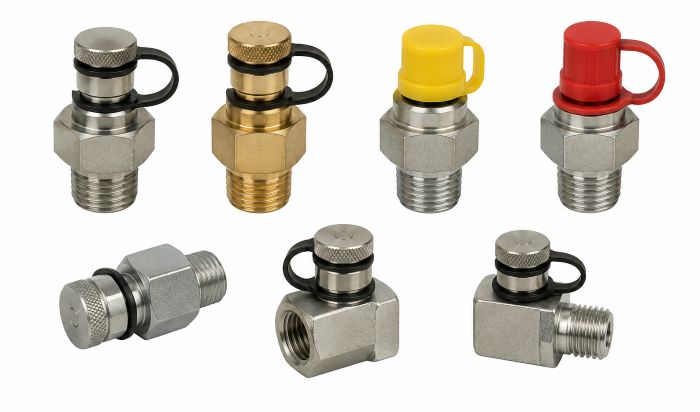
Hydraulic test port fittings are specially designed connectors that allow technicians to measure hydraulic pressure safely without interrupting system operation. They provide a secure connection point for pressure gauges, sensors, and diagnostic equipment, enabling maintenance teams to identify issues before they become costly failures.
These fittings simplify troubleshooting while helping maintain system efficiency and safety.
How Hydraulic Test Port Fittings Work
A hydraulic test port fitting is installed at strategic locations within a hydraulic circuit. During inspection or maintenance, technicians connect a compatible pressure gauge or testing hose directly to the test port.
This design allows real-time pressure readings without dismantling the hydraulic line, reducing downtime and minimizing the risk of fluid leakage.
Because hydraulic systems often operate under extremely high pressure, test port fittings must be manufactured with exceptional precision to ensure leak-free performance and dependable sealing.
Common Applications
Hydraulic test port fittings are widely used across numerous industries, including:
1. Construction equipment
2. Agricultural machinery
3. Mining equipment
4. Industrial automation
5. Manufacturing plants
6. Marine hydraulic systems
7. Oil and gas equipment
8. Material handling machinery
9. Mobile hydraulic vehicles
10. Forestry equipment
In every application, reliable test ports improve maintenance efficiency and help prevent unexpected equipment failures.
Why Choosing the Right Hydraulic Test Port Fittings Exporter Matters
Selecting an exporter should involve much more than comparing prices. Product quality, manufacturing consistency, delivery reliability, and technical expertise all have a direct impact on your hydraulic system’s performance.
Here are the key reasons why your choice of exporter matters.
1. Consistent Product Quality
Hydraulic components operate under demanding conditions where even minor manufacturing defects can lead to leaks, pressure loss, or complete system failure.
An experienced Hydraulic Test Port Fittings Exporter invests in:
➡️ Precision CNC machining
➡️ Strict dimensional inspections
➡️ Advanced quality control systems
➡️ Pressure testing
➡️ Leak testing
➡️ Material verification
These measures ensure every fitting performs as intended.
2. Improved Equipment Reliability
High-quality test port fittings maintain secure connections under extreme operating pressures.
Reliable fittings help prevent:
➡️ Hydraulic oil leaks
➡️ Pressure drops
➡️ Seal failures
➡️ Unexpected downtime
➡️ Costly equipment repairs
Better components ultimately extend the service life of hydraulic systems.
3. Lower Long-Term Costs
Although premium fittings may have a slightly higher initial purchase price, they significantly reduce long-term operating expenses by minimizing:
➡️ Maintenance frequency
➡️ Replacement costs
➡️ Production interruptions
➡️ Emergency repairs
➡️ Warranty claims
Investing in quality delivers better overall value.
4. Reliable Global Supply Chain
Industrial buyers depend on suppliers that can consistently meet production schedules.
A dependable Hydraulic Test Port Fittings Exporter should offer:
➡️ Stable inventory management
➡️ Efficient production planning
➡️ Flexible order quantities
➡️ International shipping expertise
➡️ On-time delivery
Reliable logistics help manufacturers avoid costly production delays.
5. Engineering and Technical Support
Experienced exporters provide more than products, they serve as technical partners.
Professional support may include:
➡️ Product selection assistance
➡️ Thread compatibility guidance
➡️ Material recommendations
➡️ Pressure rating advice
➡️ Custom engineering solutions
➡️ OEM development support
This expertise helps buyers select the most appropriate fittings for their applications.
Key Factors to Consider When Choosing a Hydraulic Test Port Fittings Exporter
With many suppliers available worldwide, buyers should evaluate several important criteria before making a purchasing decision.
1. Manufacturing Experience
Experience often reflects manufacturing maturity and quality consistency.
Look for exporters with:
➡️ Extensive industry knowledge
➡️ Modern production facilities
➡️ Skilled engineering teams
➡️ Established export experience
➡️ Proven customer success
Companies with years of hydraulic manufacturing expertise are generally better equipped to meet demanding industry requirements.
2. Product Quality Standards
Quality should always be your highest priority.
A reputable exporter implements strict inspection procedures throughout production.
These typically include:
➡️ Incoming material inspection
➡️ In-process dimensional checks
➡️ Thread verification
➡️ Pressure testing
➡️ Leak testing
➡️ Final product inspection
Every production stage should follow documented quality procedures.
3. Material Options
Different applications require different materials.
A professional exporter should offer multiple options, including:
➡️ Carbon Steel
An economical solution for general industrial applications.
Benefits include:
1. High strength
2. Excellent durability
3. Cost effectiveness
➡️ Stainless Steel
Ideal for corrosive environments.
Advantages include:
1. Superior corrosion resistance
2. Longer service life
3. Marine compatibility
4. Food-grade applications
➡️ Brass
Suitable for lighter-duty hydraulic systems where corrosion resistance is important.
➡️ Zinc-Plated Steel
One of the most common choices for industrial hydraulic systems due to its balance of strength and corrosion protection.
4. Thread Standards Available
Hydraulic systems around the world use different thread standards.
A qualified Hydraulic Test Port Fittings Exporter should provide compatibility with Metric, NPT, BSP, SAE, UNF, and JIC-compatible configurations.
Offering a comprehensive range simplifies sourcing for global customers.
5. Pressure Ratings
Pressure capability is another critical factor.
Exporters should clearly specify operating pressure ranges for every fitting.
Products should be suitable for:
1. Low-pressure hydraulic systems
2. Medium-pressure industrial equipment
3. High-pressure hydraulic applications
Choosing fittings with appropriate pressure ratings enhances both safety and performance.
6. Customization Capabilities
Many OEMs and equipment manufacturers require fittings tailored to their specific systems. A reliable exporter should be able to provide customized solutions, such as:
➡️ Custom thread sizes
➡️ Special dimensions
➡️ Stainless steel or specialty materials
➡️ Protective surface coatings
➡️ Laser logo engraving
➡️ Private-label packaging
➡️ OEM and ODM manufacturing
Customization ensures the fittings meet both technical requirements and branding needs.
7. Production Capacity and Lead Times
A supplier’s ability to fulfill orders on time is just as important as product quality. Delayed shipments can disrupt production schedules and increase operating costs.
Consider whether the exporter can provide:
➡️ Stable production capacity
➡️ Flexible order quantities
➡️ Fast sample production
➡️ Consistent lead times
➡️ Reliable inventory management
A dependable exporter should also communicate clearly about production schedules and delivery timelines.
Why Sannke Stands Out as a Leading Hydraulic Test Port Fittings Exporter
Among the many exporters serving the global hydraulic industry, Sannke has earned a strong reputation for delivering dependable hydraulic fittings that meet the demanding requirements of OEMs, distributors, and industrial customers.
Sannke combines advanced manufacturing technology, strict quality control, and customer-focused service to provide solutions that perform reliably in challenging hydraulic environments.
Key strengths include:
1. Precision CNC machining for consistent dimensional accuracy.
2. High-quality carbon steel and stainless steel material options.
3. Comprehensive range of hydraulic test port fittings and related hydraulic components.
4. Strict quality inspection throughout every production stage.
5. Support for OEM and custom manufacturing projects.
6. Competitive pricing without compromising product quality.
7. Efficient global export and logistics capabilities.
Responsive technical support to help customers select the right fittings for their applications.
Certifications Every Reliable Exporter Should Have
Certifications demonstrate a manufacturer’s commitment to quality, compliance, and continuous improvement. Before choosing a Hydraulic Test Port Fittings Exporter, verify that they meet recognized international standards.
ISO 9001 Quality Management
ISO 9001 certification confirms that the manufacturer follows a structured quality management system, helping ensure consistent production processes and product quality.
RoHS Compliance
RoHS compliance verifies that products are manufactured with restricted levels of hazardous substances, making them suitable for many international markets.
REACH Compliance
REACH compliance demonstrates adherence to European regulations regarding the safe use of chemicals in manufactured products.
Material Test Certificates (MTC)
Material certificates provide traceability for raw materials, allowing buyers to verify the chemical composition and mechanical properties of each batch.
Pressure and Inspection Reports
Leading exporters often provide documentation such as:
1. Pressure testing reports
2. Leak testing results
3. Dimensional inspection reports
4. Surface treatment verification
5. Third-party inspection certificates (upon request)
These reports give buyers additional confidence in product quality and compliance.
Questions to Ask Before Choosing a Hydraulic Test Port Fittings Exporter
Asking the right questions can help you identify a supplier that meets your quality, technical, and delivery requirements.
Consider asking:
1. How long have you been manufacturing hydraulic fittings?
2. What materials do you offer for hydraulic test port fittings?
3. Which thread standards are available?
4. What pressure ratings do your fittings support?
5. What quality control procedures do you follow?
6. Can you provide pressure testing or inspection reports?
7. Do you offer OEM and custom manufacturing services?
8. What certifications does your company hold?
9. Can you provide product samples before bulk production?
10. What are your standard production lead times?
11. Which countries do you currently export to?
12. What packaging options are available for international shipments?
13. Do you provide technical support during product selection?
The answers to these questions will help you compare suppliers more effectively and reduce the risks associated with international sourcing.
Frequently Asked Questions
What is a hydraulic test port fitting used for?
It provides a safe connection point for measuring hydraulic pressure, performing diagnostics, and maintaining hydraulic systems without dismantling components.
What materials are commonly used?
Most hydraulic test port fittings are manufactured from carbon steel, stainless steel, or brass, depending on the application’s pressure and environmental requirements.
Which thread types are available?
Common thread standards include BSPP, BSPT, NPT, Metric, SAE, and UNF.
How can I identify a reliable hydraulic test port fittings exporter?
Look for manufacturers with proven industry experience, modern production facilities, comprehensive quality control, international certifications, and responsive technical support.
Can hydraulic test port fittings be customized?
Yes. Many leading exporters, including Sannke, offer customized thread types, materials, finishes, dimensions, laser marking, and private-label packaging.
Why are pressure tests important?
Pressure testing verifies that fittings can safely withstand their rated operating conditions, helping reduce the risk of leaks and equipment failures.
Conclusion
Selecting the right hydraulic test port fittings exporter is a critical decision that directly affects the safety, efficiency, and reliability of hydraulic systems. Beyond competitive pricing, buyers should evaluate manufacturing expertise, quality control, certifications, customization capabilities, and global logistics support.
Among the many exporters in the market, Sannke distinguishes itself through precision manufacturing, strict quality assurance, premium materials, OEM capabilities, and dependable international service. Its commitment to delivering high-quality hydraulic fittings makes it a trusted partner for OEMs, distributors, and industrial buyers worldwide.
If you’re looking for a long-term supplier that prioritizes performance, consistency, and customer satisfaction, Sannke is a top choice for hydraulic test port fittings and a comprehensive range of hydraulic connection solutions.
Post time: Jul-10-2026