

Hydraulic systems rely on secure connections to move pressurized fluid safely and efficiently. Even a small opening in a hydraulic circuit can lead to fluid leakage, contamination, or pressure loss. This is where hydraulic flange plugs become useful.
Hydraulic flange plugs are designed to seal and protect unused hydraulic ports, flange connections, and openings during operation, maintenance, transportation, or storage. They help keep hydraulic systems clean while reducing the risk of leaks and damage.
In this guide, we will explain what hydraulic flange plugs are, how they work, their main types and applications, the materials used to manufacture them, and how to choose the right plug for your hydraulic system.
What Are Hydraulic Flange Plugs?
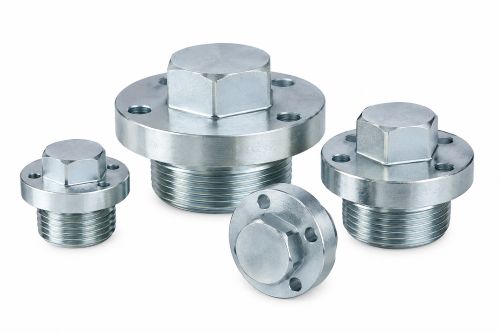
Hydraulic flange plugs are sealing components used to close an open hydraulic flange port or connection. They are commonly used when a hydraulic port is not connected to a hose, tube, pipe, or other component.
Depending on the design, a flange plug may use a sealing surface, O-ring, bonded seal, or another sealing element to create a secure connection.
These plugs are particularly useful in hydraulic systems where unused ports need to remain closed. By sealing the opening, the plug can help prevent hydraulic fluid from escaping and stop dirt, dust, moisture, and other contaminants from entering the system.
Hydraulic flange plugs are available in different sizes, materials, designs, and pressure ratings. The correct choice depends on the flange standard, system pressure, fluid type, temperature, and operating environment.
Main Components of a Hydraulic Flange Plug
Although hydraulic flange plugs may look simple, several components can work together to provide a reliable seal.
1. Plug Body
The plug body is the main structural part of the component. It is designed to fit the corresponding flange connection and withstand the mechanical and pressure conditions of the application.
Common materials include carbon steel and stainless steel. The material selected depends on factors such as pressure, corrosion resistance, temperature, and environmental conditions.
2. Sealing Surface
The sealing surface creates contact between the plug and the mating flange. A properly designed sealing surface helps prevent fluid from escaping through the connection.
The condition of both the plug and flange sealing surfaces is important. Scratches, dents, dirt, or other damage can affect sealing performance.
3. O-Ring or Other Seal
Some hydraulic flange plugs use an O-ring or another elastomeric seal to improve sealing performance.
The seal material should be compatible with the hydraulic fluid and operating temperature. Nitrile rubber and fluorocarbon materials, for example, are commonly used in hydraulic sealing applications, but the correct material should always be selected according to the manufacturer’s specifications.
4. Fastening or Retaining Features
Depending on the design, a hydraulic flange plug may use bolts, threads, retaining features, or another method to hold it securely in place.
Proper fastening is important because an incorrectly installed plug may leak or become loose during operation.
How Do Hydraulic Flange Plugs Work?
The basic purpose of a hydraulic flange plug is simple: close an opening and maintain a reliable seal.
When installed correctly, the plug covers the open flange connection. Its sealing element or sealing surface creates a barrier that prevents hydraulic fluid from passing through the opening.
In pressurized systems, the plug must be capable of handling the pressure generated by the hydraulic circuit. The flange design, plug material, sealing method, fasteners, and installation procedure all influence the overall performance of the connection.
A hydraulic flange plug also acts as a barrier against external contaminants. Keeping an unused port closed can help prevent dust, moisture, metal particles, and other debris from entering the hydraulic system.
Types of Hydraulic Flange Plugs
Hydraulic flange plugs come in several designs. Choosing the right type requires understanding the flange connection and the application’s requirements.
SAE Flange Plugs
SAE flange plugs are designed for hydraulic flange connections commonly used in industrial and mobile hydraulic equipment.
They are available in different sizes and pressure classes. Always confirm the applicable flange standard and pressure requirements before selecting a plug.
SAE Code 61 Flange Plugs
Code 61 flange connections are widely used in hydraulic systems. Plugs designed for these connections provide a way to close unused ports while maintaining the appropriate connection geometry.
The plug should match the flange size and pressure requirements of the system.
SAE Code 62 Flange Plugs
Code 62 flange connections are designed for higher-pressure applications than standard Code 61 configurations in many applications.
When selecting a Code 62 flange plug, pay close attention to the pressure rating, size, material, and sealing arrangement.
Split-Flange Plugs
Split-flange designs are commonly used with hydraulic flange assemblies. A split flange allows the connection to be secured with bolts while the plug closes the opening.
These designs can be convenient for maintenance because the flange assembly can generally be accessed without removing an entire hydraulic line.
Threaded Flange Plugs
Some plugs use threaded connections rather than a bolted flange arrangement. Threaded designs are available in various thread standards and sizes.
It is important to match the thread type, size, and sealing method correctly. Mixing incompatible thread standards can result in leakage or connection damage.
Protective Flange Plugs
Protective plugs are often used during transportation, manufacturing, storage, and equipment assembly.
Their primary purpose may be contamination and physical protection rather than sealing a pressurized operating system. Therefore, a protective plug should not automatically be treated as a pressure-rated hydraulic plug.
What Are Hydraulic Flange Plugs Used For?
Hydraulic flange plugs have several practical applications across hydraulic equipment and industrial systems.
Sealing Unused Hydraulic Ports
One of the most common applications is closing a hydraulic port that is not currently being used.
For example, a hydraulic manifold may have several ports even though only some are connected in a particular system configuration. A suitable flange plug can close the unused connection.
Preventing Contamination
Hydraulic fluid cleanliness is important for the reliable operation of pumps, valves, cylinders, and other components.
An open hydraulic port provides an easy path for dirt and moisture to enter the system. Installing a suitable plug helps create a physical barrier against external contaminants.
Maintenance and Repairs
Hydraulic flange plugs can be useful during maintenance and repair work.
When a hydraulic line or component is removed, the exposed connection may need to be sealed temporarily. A suitable plug can help prevent fluid loss and contamination while the technician works on the equipment.
Always depressurize the hydraulic system before removing or installing components.
Transportation and Storage
Hydraulic components are often transported before being installed on machinery. Open ports can be exposed to dust, moisture, and physical damage during shipping.
Protective flange plugs can help keep these connections clean and protected until installation.
Hydraulic System Testing
During assembly or testing, some hydraulic ports may remain unused. Plugs can close these openings so that the system can be configured correctly for testing.
However, the plug must be specifically suitable for the pressure and testing conditions. A simple protective cap should never be used as a substitute for a properly rated pressure component.
Benefits of Using Hydraulic Flange Plugs
Using the correct hydraulic flange plugs can provide several advantages.
1. Reduce the Risk of Leakage
A properly selected and installed plug can close an unused hydraulic connection and reduce the risk of fluid leakage.
2. Protect Against Contamination
Plugs help prevent dirt, dust, moisture, and other foreign materials from entering unused hydraulic ports.
3. Support Hydraulic System Cleanliness
Keeping ports sealed is an important part of maintaining cleanliness during manufacturing, assembly, maintenance, and storage.
4. Simplify Maintenance
Plugs provide a practical way to temporarily close connections when components or hoses are removed.
5. Protect Hydraulic Connections
Protective plugs can help shield exposed connection areas from physical damage and environmental conditions.
6. Improve System Reliability
Proper sealing and contamination control can contribute to more reliable hydraulic equipment operation.
Materials Used for Hydraulic Flange Plugs
The material of a hydraulic flange plug affects its strength, corrosion resistance, durability, and suitability for different environments.
Carbon Steel
Carbon steel is widely used for hydraulic components because it provides good mechanical strength and durability.
Many carbon steel hydraulic flange plugs are also treated with protective coatings to improve corrosion resistance.
Stainless Steel
Stainless steel is a good option for applications where corrosion resistance is particularly important.
It can be useful in harsh environments, outdoor applications, and systems exposed to moisture or corrosive conditions.
Plastic and Polymer Materials
Plastic or polymer plugs are often used for temporary protection during transportation and storage.
They are lightweight and can provide effective contamination protection, but they may not be suitable for high-pressure hydraulic service.
Seal Materials
If a flange plug uses an elastomeric seal, the seal material must be compatible with the hydraulic fluid, temperature, and operating conditions.
Choosing the wrong seal material can result in swelling, hardening, cracking, or premature failure.
Hydraulic Flange Plug Pressure Ratings
Pressure rating is one of the most important factors when selecting a hydraulic flange plug.
A plug intended only for transportation or contamination protection may not be designed to withstand hydraulic pressure. In contrast, a pressure-rated hydraulic flange plug must be designed and specified for the system’s operating conditions.
When checking pressure requirements, consider:
1. Normal working pressure
2. Maximum system pressure
3. Pressure spikes
4. Hydraulic fluid type
5. Operating temperature
6. Flange size and standard
7. Plug material
8. Seal design
9. Fastening method
Never assume that a plug is suitable for a particular pressure simply because it physically fits the flange. Always follow the manufacturer’s pressure specifications.
How to Choose the Right Hydraulic Flange Plug
Selecting a hydraulic flange plug involves more than choosing a plug that looks like it will fit.
1. Check the Flange Size
Start by identifying the correct flange size. An incorrect size can result in poor sealing or an incompatible connection.
2. Identify the Flange Standard
Determine which flange standard your system uses. SAE flange connections, for example, have specific dimensional and application requirements.
3. Confirm the Pressure Rating
Choose a plug rated for the actual operating conditions of the hydraulic system.
4. Select the Right Material
Consider whether carbon steel, stainless steel, or another material is appropriate for the environment.
5. Check Seal Compatibility
If the plug uses an O-ring or other seal, verify that the seal material is compatible with the hydraulic fluid and operating temperature.
6. Consider Environmental Conditions
Outdoor equipment, marine environments, chemical exposure, and high-humidity applications may require better corrosion resistance.
7. Consider Installation Requirements
Make sure you understand how the plug is installed and what fastening or torque requirements apply.
How to Install a Hydraulic Flange Plug
Proper installation is essential for reliable sealing.
Step 1: Depressurize the System
Before working on a hydraulic connection, shut down the equipment and release stored hydraulic pressure according to the manufacturer’s safety procedure.
Step 2: Clean the Connection
Remove dirt, oil residue, metal particles, and other contamination from the flange and surrounding area.
Step 3: Inspect the Plug
Check the plug for cracks, dents, corrosion, damaged threads, or other visible problems. If it uses an O-ring or seal, inspect the seal for damage.
Step 4: Position the Plug
Place the plug correctly against or into the corresponding flange connection.
Avoid forcing the component into position. If it does not fit correctly, verify the size and connection type.
Step 5: Secure the Plug
Tighten the plug or flange fasteners according to the manufacturer’s recommended procedure and torque specifications.
Over-tightening can damage threads, seals, or flange components, while insufficient tightening can lead to leakage.
Step 6: Inspect the Connection
After installation, check that the plug is correctly positioned and securely fastened.
Step 7: Test for Leakage
When the system is returned to service, inspect the connection carefully for signs of leakage.
Common Problems With Hydraulic Flange Plugs
Even a high-quality plug can experience problems if the wrong component is selected or installed incorrectly.
Hydraulic Fluid Leakage
Leakage may result from a damaged seal, incorrect plug size, damaged sealing surfaces, insufficient tightening, or excessive tightening.
The connection should be depressurized before inspection or repair.
Damaged or Worn Seals
O-rings and other seals can deteriorate over time because of temperature, fluid compatibility issues, pressure, or mechanical damage.
Replace damaged seals with the correct specification.
Incorrect Plug Size
A plug that is too large, too small, or otherwise incompatible with the flange connection may not seal properly.
Always verify dimensions and connection standards before installation.
Corrosion
Exposure to water, chemicals, salt, or humid environments can cause corrosion.
Selecting a corrosion-resistant material or protective finish can help improve service life.
Improper Installation
Incorrect torque, poor alignment, contaminated sealing surfaces, and damaged components can all contribute to sealing problems.
Following the manufacturer’s installation instructions is the best way to avoid these issues.
Hydraulic Flange Plugs vs. Hydraulic Flange Caps
Hydraulic flange plugs and flange caps are both used to close or protect hydraulic connections, but their designs can differ.
A flange plug generally closes an opening or port within a hydraulic connection. A flange cap typically fits over the outside of a flange or connection.
The choice depends on the connection design and the intended application.
For example, a protective cap may be appropriate for preventing contamination during storage, while a pressure-rated flange plug may be required to close a hydraulic port during operation.
The terms can sometimes be used differently by manufacturers, so always check the product’s technical specifications rather than relying only on the name.
Maintenance Tips for Hydraulic Flange Plugs
Regular inspection can help identify problems before they cause larger hydraulic issues.
Here are some useful maintenance practices:
1. Inspect plugs for corrosion and physical damage.
2. Check seals for cracks, wear, or deformation.
3. Keep flange surfaces clean.
4. Replace damaged or degraded seals.
5. Verify that fasteners remain secure.
6. Avoid reusing damaged sealing components.
7. Store spare plugs in a clean and dry environment.
8. Use protective plugs during transportation and storage when appropriate.
9. Follow the manufacturer’s installation and maintenance recommendations.
Frequently Asked Questions
What is the purpose of a hydraulic flange plug?
A hydraulic flange plug is used to close and seal an unused hydraulic flange connection or port. It can help prevent fluid leakage and protect the system from contamination.
Can hydraulic flange plugs be used in high-pressure systems?
Yes, some hydraulic flange plugs are designed for high-pressure applications. However, the specific plug must have a pressure rating suitable for the system. A general protective plug should not be used in a pressurized hydraulic circuit unless it is specifically rated for that application.
What materials are hydraulic flange plugs made from?
Hydraulic flange plugs are commonly manufactured from carbon steel or stainless steel. Protective plugs may also be made from plastic or polymer materials.
How do I choose the correct hydraulic flange plug size?
Identify the flange size, connection standard, pressure rating, and sealing method. Always compare these specifications with the manufacturer’s product data before selecting a plug.
Are hydraulic flange plugs reusable?
Some plugs may be reusable if they remain undamaged and the manufacturer permits reuse. However, sealing elements such as O-rings may need to be replaced. Damaged or deformed plugs should not be reused.
Can hydraulic flange plugs prevent hydraulic fluid contamination?
Yes. A properly installed plug can help prevent dirt, dust, moisture, and other contaminants from entering an unused hydraulic port.
What is the difference between a hydraulic flange plug and a flange cap?
A flange plug generally closes an opening or port, while a flange cap typically covers the outside of a flange or connection. The exact terminology can vary between manufacturers.
Conclusion
Hydraulic flange plugs may be small components, but they play an important role in protecting and sealing hydraulic systems. They can help close unused ports, reduce leakage risks, prevent contamination, and protect connections during maintenance, transportation, and storage.
Choosing the right plug requires careful consideration of the flange size, connection standard, pressure rating, material, seal type, hydraulic fluid, temperature, and operating environment.
For the best results, always use a hydraulic flange plug that is specifically designed and rated for your application. Proper installation and regular inspection are equally important for maintaining a safe, clean, and reliable hydraulic system.
Post time: Sep-09-2026