

Forklifts rely on powerful hydraulic systems to lift, lower, and transport heavy loads with precision. At the heart of these systems are hydraulic fittings, small yet essential components that connect hoses, pipes, and tubes while maintaining pressure and fluid flow.
Choosing the right hydraulic fittings for forklifts isn’t just a technical detail, it directly impacts performance, safety, and operational efficiency. In this guide, we’ll explore the different types of hydraulic fittings used in forklifts, their functions, materials, and how to select the right one for your needs.
What Are Hydraulic Fittings?
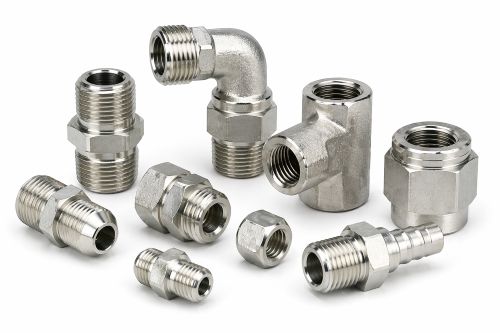
Hydraulic fittings are connectors used to join various components within a hydraulic system, such as hoses, pipes, and tubes. Their primary role is to ensure a secure, leak-free connection while allowing hydraulic fluid to flow under high pressure.
These fittings typically consist of:
1. Threads – to connect and secure components
2. Seals – to prevent leaks
3. Body – the main structure that holds everything together
Without properly functioning fittings, a forklift’s hydraulic system cannot operate efficiently or safely.
Why Hydraulic Fittings Matter in Forklifts
Hydraulic fittings play a crucial role in forklift operation. Here’s why they matter:
1. Performance: Proper fittings ensure consistent pressure and smooth lifting operations
2. Safety: Faulty fittings can lead to dangerous leaks or sudden system failures
3. Cost Efficiency: Prevent fluid loss, reduce downtime, and minimize repair expenses
4. Compliance: Meet industry and safety standards for hydraulic systems
Even a small fitting failure can disrupt an entire operation, making proper selection and maintenance essential.
Main Types of Hydraulic Fittings Used in Forklifts
1. Threaded Hydraulic Fittings
Threaded fittings are among the most common types used in forklift hydraulic systems. They connect components through threaded connections that create a tight seal.
Common Types:
➡️ BSP (British Standard Pipe)
Advantages:
➡️ Widely available
➡️ Cost-effective
➡️ Easy to install
Limitations:
➡️ Can loosen under vibration
➡️ Require proper sealing techniques
Applications: Used in general-purpose connections throughout forklift hydraulic systems.
2. Flanged Hydraulic Fittings
Flanged fittings use a flange connection secured with bolts, making them ideal for high-pressure applications.
Key Features:
➡️ Strong, durable connection
➡️ Excellent for large-diameter hoses
➡️ Designed for high-pressure systems
Benefits:
➡️ Reduced risk of leaks
➡️ Long-lasting performance
Applications: Commonly used in heavy-duty forklifts and high-pressure hydraulic lines.
3. Quick-Connect (Quick Couplers) Fittings
Quick-connect fittings allow for fast and easy connection and disconnection without the need for tools.
How They Work:
➡️ Push-and-click mechanism
➡️ Internal valves prevent fluid leakage when disconnected
Benefits:
➡️ Saves time during maintenance
➡️ Minimizes downtime
➡️ Enhances operator convenience
Applications: Ideal for attachments and components that require frequent removal or replacement.
4. Compression Hydraulic Fittings
Compression fittings create a seal by compressing a ferrule against the pipe or tube.
Components:
➡️ Nut
➡️ Ferrule (ring)
➡️ Fitting body
Advantages:
➡️ No welding required
➡️ Reliable and secure seal
➡️ Easy to assemble
Applications: Used in medium-pressure systems and where frequent disassembly is not required.
5. Push-to-Connect Fittings
Push-to-connect fittings (also known as push-fit fittings) allow for quick installation by simply pushing the tube into the fitting.
Advantages:
➡️ Extremely easy to install
➡️ No tools required
➡️ Saves installation time
Limitations:
➡️ Not suitable for very high-pressure systems
➡️ Less durable in harsh environments
Applications: Best suited for lighter-duty forklift systems or auxiliary hydraulic functions.
Materials Used in Hydraulic Fittings
The material of a hydraulic fitting significantly affects its durability and performance.
1. Steel: Strong and durable; ideal for high-pressure environments
2. Stainless Steel: Excellent corrosion resistance; suitable for harsh or outdoor conditions
3. Brass: For low-pressure applications; resistant to corrosion but less durable than steel
Selecting the right material ensures longer service life and better system reliability.
Key Factors When Choosing Hydraulic Fittings for Forklifts
When selecting hydraulic fittings, consider the following:
1. Pressure Rating: Ensure the fitting can handle system pressure
2. Fluid Compatibility: Check compatibility with hydraulic fluids
3. Temperature Range: Consider operating conditions
4. Thread Type & Size: Match existing system specifications
5. Environment: Exposure to dust, moisture, or chemicals
6. Manufacturer Standards: Follow OEM recommendations
Choosing the wrong fitting can lead to leaks, system inefficiency, or even equipment failure.
Common Problems and Failure Causes
Hydraulic fittings can fail for several reasons:
1. Improper fitting selection
2. Thread damage or wear
3. Corrosion and contamination
4. Incorrect installation
5. Over-tightening or under-tightening
Regular inspection helps detect these issues before they escalate.
Maintenance Tips for Hydraulic Fittings
To extend the lifespan of your forklift’s hydraulic fittings:
1. Inspect fittings regularly for leaks or damage
2. Replace worn or corroded components immediately
3. Use proper torque when tightening
4. Keep fittings clean and free from contaminants
5. Schedule routine maintenance checks
Preventive maintenance reduces downtime and improves operational efficiency.
Safety Considerations
Hydraulic systems operate under high pressure, making safety critical.
1. Always use the correct fitting type
2. Never attempt repairs under pressure
3. Wear protective gear during maintenance
4. Follow manufacturer guidelines and safety standards
Ignoring safety precautions can lead to serious injuries and costly damage.
Conclusion
Hydraulic fittings may be small components, but they play a vital role in forklift performance, safety, and efficiency. From threaded and flanged fittings to quick-connect and compression types, each serves a specific purpose within the hydraulic system.
By understanding the different types of hydraulic fittings and selecting the right ones for your forklift, you can reduce downtime, improve safety, and extend the life of your equipment. Regular maintenance and proper installation further ensure your hydraulic system operates at peak performance.
Frequently Asked Questions (FAQs)
1. What is the most common hydraulic fitting used in forklifts?
Threaded fittings, particularly NPT and BSP, are the most commonly used due to their versatility and availability.
2. How do I identify hydraulic fitting types?
Check the thread type, size, and sealing method. Manufacturer manuals can also help identify the correct fitting.
3. Can I mix different hydraulic fitting standards?
It’s not recommended, as mismatched fittings can cause leaks and system failure.
Post time: Apr-22-2026