

Hydraulic systems rely on secure connections to keep fluid contained and equipment operating safely. When a hydraulic port is not being used, it needs to be closed properly to prevent leaks, contamination, and damage. This is where hydraulic DIN compression plugs come in.
Choosing the right plug is not simply a matter of finding one that looks similar to the port. Thread diameter, thread pitch, connection standard, sealing method, material, and pressure requirements all need to be considered.
For beginners, understanding hydraulic DIN compression plugs sizes can make the selection process much easier. This guide explains how these plugs are sized, how to identify the correct size, what measurements matter, and what mistakes to avoid.
What Are Hydraulic DIN Compression Plugs?
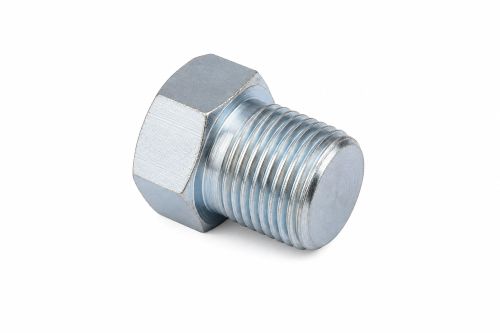
Hydraulic DIN compression plugs are components used to close or seal hydraulic ports, fitting connections, and unused openings in fluid power systems. They are designed to provide a secure connection and help prevent hydraulic fluid from escaping.
The term “DIN” refers to standards developed by the German Institute for Standardization (Deutsches Institut für Normung). DIN standards are widely used for hydraulic fittings and connections, particularly in industrial and mobile hydraulic equipment.
Depending on the design, a compression plug may use a threaded connection together with a sealing element to create a reliable seal. Common materials include carbon steel and stainless steel.
These plugs are often used during:
1. Hydraulic system maintenance
2. Equipment assembly
3. Repair work
4. Temporary port closure
5. Manifold construction
6. Hydraulic machinery manufacturing
7. Protection of unused hydraulic connections
Although the plug itself may be a small component, using the wrong size can result in leakage or damage to the mating port.
Why Do Hydraulic DIN Compression Plug Sizes Matter?
Correct sizing is one of the most important factors when selecting a hydraulic plug.
A plug that is too large will not fit the port. A plug that is too small may not engage the threads correctly. Even if the thread diameter appears correct, an incorrect thread pitch or sealing arrangement can still cause problems.
Choosing the correct hydraulic DIN compression plug size helps provide:
Proper Thread Engagement
The plug must match the mating thread correctly. Proper engagement helps the connection withstand pressure and mechanical loads.
Reliable Sealing
The correct plug and sealing arrangement help prevent hydraulic fluid from leaking around the connection.
Pressure Performance
Hydraulic systems can operate at substantial pressures. A properly matched plug is essential for maintaining the integrity of the closed port.
Port Protection
A suitable plug protects an unused hydraulic port from dirt, moisture, and other contaminants.
Easier Maintenance
Using standardized and correctly sized plugs makes future maintenance and component replacement much easier.
Understanding Hydraulic DIN Compression Plug Sizes
One of the first things beginners should understand is that a hydraulic plug size is not always represented by one measurement.
Several dimensions can be important, including:
1. Thread diameter
2. Thread pitch
3. Thread length
4. Overall plug length
5. Hex or wrench size
6. Sealing diameter
7. Nominal connection size
For metric hydraulic connections, thread dimensions are commonly expressed in millimeters. For example, a designation such as M12 generally refers to a metric thread with a nominal diameter of approximately 12 mm.
However, the designation alone does not always provide enough information to identify a compatible hydraulic plug.
The thread pitch is also important. Two threads can have the same nominal diameter but different pitches, meaning they are not necessarily interchangeable.
This is why it is better to identify the complete connection specification instead of selecting a plug based only on diameter.
Common Hydraulic DIN Compression Plug Sizes
Hydraulic DIN compression plugs can be available in a wide range of metric sizes. Depending on the applicable DIN connection, design, and manufacturer, common metric thread sizes may include:
➡️ M8
➡️ M10
➡️ M12
➡️ M14
➡️ M16
➡️ M18
➡️ M20
➡️ M22
➡️ M24
➡️ Larger metric sizes for larger hydraulic connections
The exact size range varies between manufacturers and individual product series.
For example, an M12 plug is not automatically compatible with every hydraulic port that appears to be approximately 12 mm. The thread pitch, connection design, sealing surface, and applicable standard must also match.
For this reason, always check the manufacturer’s dimensional chart before ordering.
Hydraulic DIN Compression Plugs Size Chart
A size chart can make identification easier, but it should be used as a starting point rather than a universal compatibility chart.
|
Hydraulic Plug Size |
Nominal Thread Diameter |
Important Information |
|
M8 |
8 mm |
Verify thread pitch and connection design |
|
M10 |
10 mm |
Match the exact mating thread |
|
M12 |
12 mm |
Common metric size; verify specifications |
|
M14 |
14 mm |
Confirm pitch and sealing arrangement |
|
M16 |
16 mm |
Check applicable DIN connection |
|
M18 |
18 mm |
Verify complete thread specification |
|
M20 |
20 mm |
Confirm port and plug compatibility |
|
M22 |
22 mm |
Check thread pitch and sealing method |
|
M24 |
24 mm |
Verify dimensions before installation |
Important: The sizes above are nominal metric thread diameters, not a substitute for an applicable DIN dimensional standard or manufacturer-specific product chart. Always verify the exact dimensions of the plug and mating port before installation.
Thread Size vs. Nominal Size
This is an area that can confuse people who are new to hydraulic fittings.
A product may be described using a nominal size, while the actual thread diameter is a different measurement.
For example, an M16 thread has a nominal diameter of approximately 16 mm, but other dimensions of the fitting—including its head size, sealing diameter, or overall length—will be different.
Therefore, when someone asks for a “16 mm plug,” it is important to clarify what they mean.
Are they referring to:
1. A 16 mm thread diameter?
2. A 16 mm port?
3. A 16 mm wrench size?
4. A nominal hydraulic connection size?
These measurements should not be treated as interchangeable.
How to Identify a Hydraulic DIN Compression Plug Size
If you have an existing plug or hydraulic port but do not know its size, you can identify it through several measurements.
1. Measure the Thread Diameter
Use a caliper to measure the outside diameter of a male thread.
For an internal threaded port, measure the internal diameter carefully and use it together with other measurements to identify the thread.
2. Determine the Thread Pitch
Thread pitch describes the distance between adjacent threads.
A metric thread pitch can be measured using a thread pitch gauge. This is one of the easiest ways to distinguish between threads that have similar diameters.
For example, two metric threads could have the same nominal diameter but different pitches.
3. Measure the Thread Length
Thread length can also affect compatibility, particularly where the plug must engage to a specified depth.
A plug that is too long may interfere with internal components, while insufficient engagement may result in an unreliable connection.
4. Check the Sealing Method
Look at how the connection creates its seal.
Depending on the design, hydraulic connections may use:
➡️ O-rings
➡️ Bonded seals
➡️ Sealing rings
➡️ Metal-to-metal sealing surfaces
➡️ Other sealing arrangements
The sealing method should match the mating connection.
5. Compare the Measurements With the Manufacturer’s Specifications
Once you have the measurements, compare them with the manufacturer’s product catalog or dimensional drawing.
This is the safest way to confirm the correct plug.
How to Choose the Right Hydraulic DIN Compression Plug Size
Selecting the correct size involves more than matching a single measurement.
Match the Thread Diameter
First, make sure the plug has the correct nominal thread diameter.
Match the Thread Pitch
Next, confirm that the pitch is compatible. Never assume that two threads with the same diameter will fit each other.
Confirm the DIN Standard
Check which DIN standard applies to the hydraulic connection. Different connection designs may have different dimensions and sealing arrangements.
Check the Sealing Method
Make sure the plug’s sealing system is appropriate for the mating port.
Consider Operating Pressure
The plug must be suitable for the hydraulic system’s working pressure. Pressure capability depends on factors such as plug design, material, size, and the complete connection.
Select the Appropriate Material
Carbon steel is widely used for general industrial applications because it provides good strength and durability.
Stainless steel is often selected when increased corrosion resistance is important, such as in harsh or humid environments.
Verify the Manufacturer’s Dimensions
Always compare the plug with the manufacturer’s technical drawing or product specification before purchasing.
Carbon Steel vs. Stainless Steel DIN Compression Plugs
Material selection is another important consideration.
Carbon Steel
Carbon steel DIN compression plugs are commonly used in industrial hydraulic systems. They offer good mechanical strength and are often a cost-effective choice.
Many carbon steel hydraulic plugs are also supplied with protective surface treatments to improve corrosion resistance.
Stainless Steel
Stainless steel plugs offer better corrosion resistance than standard carbon steel options. They can be useful in environments where exposure to moisture, chemicals, or corrosive conditions is a concern.
Stainless steel may cost more, but its corrosion resistance can make it a better choice for demanding applications.
The correct material depends on the environment, hydraulic fluid, pressure, temperature, and equipment requirements—not simply the plug size.
Common Mistakes When Selecting Hydraulic DIN Compression Plug Sizes
Even experienced users can make mistakes when replacing hydraulic plugs. Some of the most common include:
Choosing a Plug Based Only on Diameter
Matching the diameter without checking thread pitch can result in an incompatible connection.
Mixing Different Thread Standards
Metric, BSP, NPT, and other thread standards should not be assumed to be interchangeable.
Ignoring the Sealing Method
A correctly sized thread can still leak if the sealing arrangement does not match the port.
Assuming Similar-Looking Plugs Are Compatible
Hydraulic plugs can look almost identical while having different thread specifications or sealing designs.
Ignoring Pressure Requirements
A plug used in a low-pressure application may not be suitable for a high-pressure hydraulic system.
Over-Tightening the Plug
Applying excessive torque can damage the plug, port threads, or sealing surface.
Failing to Check Manufacturer Specifications
Product dimensions and available sizes can vary. A manufacturer’s technical documentation should always take priority over a generic size chart.
Installation Tips for Hydraulic DIN Compression Plugs
Once you have selected the correct plug, proper installation is just as important.
Start by cleaning the hydraulic port and removing dirt, metal particles, or old sealing material.
Inspect both the plug and port for damaged threads. Do not install a component with visibly damaged threads.
Check the sealing element before installation. Replace damaged or worn seals rather than trying to reuse them when the manufacturer’s instructions call for replacement.
Thread the plug into the port carefully by hand first. If it does not start smoothly, stop and check the thread compatibility.
Once properly engaged, tighten the plug according to the manufacturer’s recommended torque. Avoid excessive force.
After installation, inspect the connection and hydraulic system for signs of leakage during operation.
Where Are Hydraulic DIN Compression Plugs Used?
Hydraulic DIN compression plugs are used in many types of equipment and fluid power applications.
Common examples include:
1. Construction machinery
2. Agricultural equipment
3. Industrial hydraulic systems
4. Mobile hydraulic equipment
5. Manufacturing machinery
6. Hydraulic manifolds
7. Hydraulic valve systems
8. Heavy equipment
9. Maintenance and repair applications
They can be used to permanently close unused ports or temporarily protect connections during assembly, transportation, and maintenance.
How Can You Avoid Hydraulic Plug Sizing Problems?
The easiest way to avoid sizing problems is to treat identification as a complete specification rather than a single number.
Before ordering, record:
1. Thread diameter
2. Thread pitch
3. Applicable DIN standard
4. Sealing method
5. Thread length
6. Material requirements
7. Working pressure
8. Temperature requirements
9. Hydraulic fluid compatibility
With this information, it becomes much easier to select a suitable plug.
Frequently Asked Questions
What sizes do hydraulic DIN compression plugs come in?
Hydraulic DIN compression plugs are available in various metric sizes, depending on the connection standard and manufacturer. Common sizes may include M8 through M24, with larger options available for some applications.
How do I know which DIN compression plug size I need?
Identify the port’s thread diameter, thread pitch, sealing method, and applicable DIN connection. Then compare these specifications with the manufacturer’s product dimensions.
Are all metric hydraulic plugs interchangeable?
No. Metric plugs can have different thread pitches, sealing designs, dimensions, and connection standards. Matching the nominal diameter alone is not sufficient.
How do I measure a hydraulic DIN compression plug?
Use a caliper to measure the thread diameter and a thread pitch gauge to identify the pitch. You should also check thread length and sealing dimensions before comparing the measurements with a manufacturer’s specifications.
Can DIN compression plugs be used in high-pressure hydraulic systems?
They can be, but suitability depends on the specific plug design, material, connection, and manufacturer’s pressure rating. Always verify the rated working pressure before using a plug in a high-pressure system.
Which is better, carbon steel or stainless steel?
Neither is universally better. Carbon steel is often a practical choice for general hydraulic applications, while stainless steel provides greater corrosion resistance for demanding environments.
Can I replace a DIN plug with an NPT or BSP plug?
Not without confirming compatibility. Different thread standards have different dimensions and thread profiles. Using an incompatible plug can cause leakage, thread damage, or connection failure.
Conclusion
Understanding hydraulic DIN compression plugs sizes is essential when working with hydraulic systems. While identifying the nominal thread diameter is a good starting point, it is only one part of the selection process.
You should also verify the thread pitch, applicable DIN standard, sealing method, dimensions, material, and pressure requirements. Taking a few minutes to confirm these details can prevent leaks, damaged threads, and costly maintenance problems.
For the best results, always use the manufacturer’s dimensional drawings and technical specifications when selecting a hydraulic DIN compression plug. The correct size and connection design will provide a more secure, reliable, and long-lasting hydraulic installation.
Post time: Sep-04-2026