

DIN compression plugs are small but important components used in hydraulic and fluid systems. They are designed to close unused ports, seal connections, and help protect hydraulic circuits from leaks and contamination.
Choosing the right plug is not simply a matter of finding one that looks similar to the existing fitting. DIN compression plug specifications such as size, thread type, material, sealing method, pressure rating, and temperature range all need to match the application.
In this guide, we will look at the most important specifications to consider and explain how to choose the right DIN compression plug for a hydraulic system.
What Is a DIN Compression Plug?
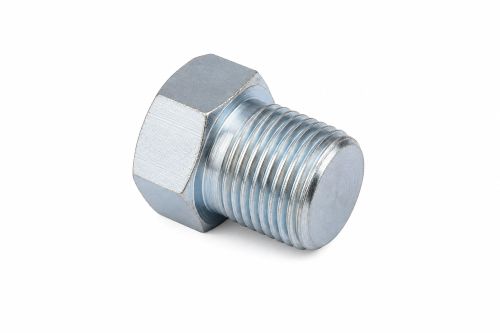
A DIN compression plug is a hydraulic fitting used to close or seal a tube connection, port, or unused fitting. These plugs are commonly manufactured according to German DIN standards and are widely used in industrial and mobile hydraulic applications.
Depending on the design, a compression plug may use a threaded connection, compression-style sealing arrangement, O-ring, sealing ring, or another sealing method.
The main purpose is simple: provide a secure closure while preventing hydraulic fluid from escaping and contaminants from entering the system.
DIN compression plugs are available in different sizes, thread configurations, materials, and finishes. Therefore, checking the technical specifications is essential before installation.
Key DIN Compression Plug Specifications
Several specifications determine whether a DIN compression plug is suitable for a particular application.
1. Size and Dimensions
Size is one of the first specifications to check. DIN compression plugs are available in different nominal sizes to accommodate different hydraulic ports and tube connections.
The correct size depends on factors such as:
1. Port size
2. Tube outside diameter
3. Thread diameter
4. Plug length
5. Hex or wrench size
6. Sealing surface dimensions
Using the wrong size can result in poor sealing, thread damage, or complete incompatibility.
When replacing an existing plug, it is best to identify the fitting standard and verify the dimensions using the manufacturer’s technical drawing rather than relying only on visual comparison.
2. Thread Specifications
Thread compatibility is critical in hydraulic systems. DIN compression plugs can be manufactured with metric thread configurations and other thread arrangements depending on the specific fitting standard.
Important thread specifications include:
1. Thread type
2. Thread diameter
3. Thread pitch
4. Thread length
5. Thread form
6. Male or female configuration
Metric threads that appear similar can still have different pitches. A plug with the correct diameter but incorrect pitch may not engage properly and can damage the port.
For this reason, always verify both thread diameter and pitch before purchasing or installing a DIN compression plug.
3. Material
The material of the plug affects strength, durability, corrosion resistance, and overall service life.
Common materials include carbon steel and stainless steel.
Carbon steel is widely used because it provides good mechanical strength at a relatively economical cost. It is suitable for many general-purpose hydraulic applications.
Stainless steel offers much better corrosion resistance and is often selected for demanding environments where moisture, chemicals, or corrosive fluids may be present.
The correct material depends on the operating environment, hydraulic fluid, pressure, temperature, and required service life.
4. Surface Finish
Surface finish is another important specification, particularly for carbon steel plugs.
Common finishes include:
1. Zinc plating
2. Zinc-nickel plating
3. Other protective coatings
4. Stainless steel natural finishes
Zinc-plated plugs are popular for general industrial applications because the coating helps improve resistance to corrosion and environmental exposure.
For applications exposed to moisture, salt, chemicals, or harsh outdoor conditions, a more corrosion-resistant material or coating may be appropriate.
5. Pressure Rating
Hydraulic systems can operate at very high pressures, so the plug must be capable of handling the system’s working pressure.
A manufacturer’s specification may identify:
1. Maximum working pressure
2. Proof pressure
3. Burst pressure
4. Recommended operating pressure
These values should not be confused. A component’s burst pressure, for example, is not the pressure at which it should normally be operated.
The plug should have an appropriate working-pressure rating for the hydraulic circuit. Factors such as size, material, thread design, temperature, and sealing method can affect pressure performance.
Never assume that two plugs with the same dimensions have the same pressure rating.
DIN Standards Related to Compression Plugs
The term “DIN” refers to standards developed by the German Institute for Standardization. DIN standards help establish consistent dimensions, designs, materials, and performance requirements for many industrial components.
Several DIN standards are relevant to hydraulic fittings and connections. DIN 2353, for example, is associated with metric tube fittings used in hydraulic systems, while DIN 3852 covers certain types of threaded ports and sealing arrangements.
However, it is important to remember that not every product described as a “DIN plug” follows exactly the same specification.
When selecting a replacement, check the specific DIN standard, fitting series, thread, sealing design, and manufacturer’s dimensions.
DIN Compression Plug Size and Thread Selection
Selecting the correct plug starts with identifying the connection that needs to be closed.
If you are replacing an existing plug, check:
1. The fitting or port standard.
2. The nominal size.
3. Thread diameter.
4. Thread pitch.
5. Thread length.
6. Sealing method.
7. Required pressure rating.
If the original fitting is unavailable, measurements may be necessary. Thread gauges, calipers, and manufacturer dimension charts can help identify the correct specification.
It is also important not to confuse metric threads with BSP or NPT threads. They may appear similar, but their dimensions and thread profiles are different.
DIN Compression Plug Materials: Which One Should You Choose?
Material selection depends heavily on the application.
Carbon Steel
Carbon steel is a common choice for hydraulic plugs because it offers:
➡️ Good mechanical strength
➡️ Good durability
➡️ Cost efficiency
➡️ Wide availability
With an appropriate protective coating, carbon steel plugs can provide reliable performance in many industrial hydraulic systems.
Stainless Steel
Stainless steel is preferred when corrosion resistance is especially important.
It can be a good choice for applications involving:
➡️ High humidity
➡️ Outdoor exposure
➡️ Marine environments
➡️ Chemical exposure
➡️ Corrosive operating conditions
The main disadvantage is usually the higher cost compared with standard carbon steel.
Zinc-Plated Steel
Zinc-plated steel provides a practical balance between cost, durability, and corrosion protection.
The zinc coating helps protect the underlying steel from environmental corrosion, making these plugs suitable for many general hydraulic applications.
However, the exact corrosion resistance depends on the plating system, coating thickness, environment, and exposure conditions.
DIN Compression Plug Pressure Ratings
Pressure rating should always be considered together with the rest of the fitting specifications.
A plug used in a low-pressure system may not be suitable for a high-pressure hydraulic circuit. Similarly, a component’s pressure rating can change depending on temperature and installation conditions.
Before selecting a plug, confirm:
1. System working pressure
2. Maximum pressure
3. Operating temperature
4. Plug material
5. Thread specification
6. Sealing arrangement
7. Manufacturer’s rated pressure
The safest approach is to use the manufacturer’s published technical data rather than estimating pressure capability from the plug’s size or appearance.
Temperature and Fluid Compatibility
Hydraulic systems can operate across a wide range of temperatures. Temperature can affect both the plug material and any sealing element used with it.
When a DIN compression plug includes an elastomeric seal, the seal material should be compatible with the hydraulic fluid and expected temperature range.
Consider:
1. Minimum operating temperature
2. Maximum operating temperature
3. Hydraulic oil type
4. Chemical compatibility
5. Seal material
6. Environmental exposure
A plug that works well in one hydraulic application may not be appropriate for another if the fluid or temperature conditions are significantly different.
Sealing Methods
The sealing method is another major part of DIN compression plug specifications.
Depending on the design, sealing may be achieved through:
➡️ Metal-to-metal contact
➡️ O-rings
➡️ Sealing rings
➡️ Bonded seals
➡️ Other sealing elements
The sealing method must match the port and fitting design. Adding an inappropriate seal or thread sealant can sometimes interfere with proper seating.
For reliable performance, follow the manufacturer’s installation instructions for the specific plug.
Common Applications of DIN Compression Plugs
DIN compression plugs are used across many industries and hydraulic systems.
Common applications include:
Hydraulic Machinery
They can close unused hydraulic ports on pumps, valves, manifolds, cylinders, and other components.
Construction Equipment
Excavators, loaders, cranes, and other construction machines use hydraulic circuits containing numerous fittings and ports.
Agricultural Machinery
Tractors, harvesters, sprayers, and other agricultural equipment can use hydraulic plugs for port closure and maintenance.
Industrial Equipment
Manufacturing machinery, hydraulic power units, automation systems, and production equipment may also use DIN-style plugs.
Hydraulic Manifolds
Plugs are often used to close unused passages or ports in hydraulic manifolds and valve blocks.
Maintenance and Servicing
During maintenance, plugs can help prevent contamination from entering an open hydraulic connection.
Benefits of DIN Compression Plugs
Using the correct DIN compression plug provides several practical advantages.
Reliable Sealing
A correctly matched plug helps prevent hydraulic fluid leakage from unused ports and connections.
Protection Against Contamination
A closed port can help prevent dust, dirt, moisture, and other contaminants from entering the hydraulic system.
Durable Construction
Metal plugs are designed to withstand the mechanical and environmental demands of hydraulic applications when correctly specified.
Corrosion Resistance
Plated steel and stainless steel options can provide improved resistance to corrosion.
Easy Maintenance
Plugs can make it easier to isolate and close unused connections during maintenance or system modifications.
Standardized Compatibility
When correctly matched to the relevant DIN specification, the plug can provide reliable compatibility with standardized hydraulic components.
How to Choose the Right DIN Compression Plug
Choosing the right plug becomes much easier when you follow a systematic process.
First, identify the port. Determine the fitting or port standard and connection type.
Next, confirm the size. Check the nominal size, thread diameter, and other important dimensions.
Then, verify the thread. Make sure the diameter and pitch are correct.
Select the appropriate material. Carbon steel may be suitable for general applications, while stainless steel can be better for corrosive environments.
Check the sealing method. Make sure the plug’s sealing design matches the port.
Verify pressure and temperature ratings. The plug must be suitable for the actual operating conditions.
Consider the environment. Moisture, chemicals, outdoor exposure, and temperature extremes can influence material and finish selection.
Finally, compare the manufacturer’s technical specifications before ordering.
DIN Compression Plug vs. Other Hydraulic Plugs
DIN compression plugs are not interchangeable with every other type of hydraulic plug.
DIN vs. NPT Plugs
NPT uses a tapered pipe thread system commonly found in North American applications. DIN hydraulic connections may use different metric dimensions and sealing designs.
A DIN plug should not simply be substituted with an NPT plug because the threads may not match.
DIN vs. BSP Plugs
BSP threads are commonly used in British-standard hydraulic and fluid systems. Although BSP and metric threads can sometimes appear similar, they are not automatically interchangeable.
Always verify the thread specification before installation.
DIN vs. SAE Plugs
SAE hydraulic fittings use standards and connection designs that differ from many DIN fittings. SAE plugs may use O-ring, flare, or other sealing arrangements depending on the fitting type.
The correct plug should always be selected according to the actual port specification.
Common Mistakes When Selecting DIN Compression Plugs
Even a small fitting can cause problems when the wrong specification is selected.
Some common mistakes include:
1. Choosing the wrong thread size.
2. Confusing metric and imperial threads.
3. Ignoring thread pitch.
4. Selecting the wrong sealing method.
5. Using a plug with an inadequate pressure rating.
6. Choosing unsuitable materials.
7. Ignoring operating temperature.
8. Assuming every DIN plug has the same dimensions.
9. Selecting a plug based only on appearance.
10. Failing to check the manufacturer’s specifications.
Avoiding these mistakes can save time, reduce leakage problems, and prevent damage to hydraulic components.
Installation Tips for DIN Compression Plugs
Proper installation is just as important as choosing the right plug.
Before installation, clean the port and remove dirt or debris. Inspect the threads and sealing surface for damage.
During installation:
1. Make sure the plug matches the port specification.
2. Check the sealing element if one is supplied.
3. Start the plug by hand to avoid cross-threading.
4. Use the correct wrench or installation tool.
5. Tighten according to the manufacturer’s recommended torque.
6. Avoid excessive tightening.
7. Inspect the connection after installation.
8. Check for leakage when the hydraulic system is returned to service.
9. Overtightening can damage threads, sealing surfaces, or the fitting itself.
Maintenance and Inspection
DIN compression plugs generally require little maintenance, but periodic inspection is useful in demanding hydraulic systems.
Look for:
➡️ Corrosion
➡️ Fluid leakage
➡️ Damaged threads
➡️ Deformed sealing surfaces
➡️ Cracked or damaged seals
➡️ Mechanical damage
➡️ Signs of excessive wear
If a plug is removed during maintenance, inspect it before reinstalling it. A damaged or heavily corroded plug should normally be replaced rather than reused.
DIN Compression Plug Specifications Checklist
Before purchasing a DIN compression plug, review the following specifications:
|
Specification |
What to Check |
|
Standard |
Applicable DIN standard |
|
Size |
Nominal port or tube size |
|
Thread |
Diameter, type, and pitch |
|
Material |
Carbon steel, stainless steel, etc. |
|
Finish |
Zinc plating or other coating |
|
Seal |
O-ring, sealing ring, metal seal, etc. |
|
Pressure |
Maximum working pressure |
|
Temperature |
Operating temperature range |
|
Fluid |
Hydraulic fluid compatibility |
|
Application |
Intended operating environment |
Having these details available makes it much easier to identify the correct product.
Frequently Asked Questions
What are DIN compression plugs used for?
DIN compression plugs are primarily used to close and seal hydraulic ports, tube connections, and unused fitting openings. They can also help protect open connections from contamination during maintenance.
What materials are DIN compression plugs available in?
Common materials include carbon steel and stainless steel. Carbon steel plugs may also receive protective coatings such as zinc plating to improve corrosion resistance.
How do I determine the correct DIN compression plug size?
Start by identifying the applicable DIN standard and port type. Then verify the nominal size, thread diameter, thread pitch, dimensions, and sealing method using a manufacturer’s technical drawing or specification chart.
Are DIN compression plugs suitable for high-pressure hydraulic systems?
They can be, but suitability depends on the specific product. Always check the manufacturer’s rated working pressure and make sure it meets or exceeds the requirements of the hydraulic system.
Can I use a DIN compression plug with an NPT or BSP port?
Not necessarily. DIN, NPT, and BSP connections can have different thread dimensions and sealing designs. Using an incompatible plug can cause leakage or thread damage. If different standards need to be connected, a suitable adapter may be required.
Do DIN compression plugs require a seal?
That depends on the plug and port design. Some connections use an O-ring, sealing ring, or other sealing element, while others rely on a specific metal sealing arrangement. Always follow the manufacturer’s specifications.
How can I prevent leaks when installing a DIN compression plug?
Use the correct plug, inspect the sealing surfaces, install any required sealing element correctly, and tighten the plug to the manufacturer’s recommended torque. Avoid both under-tightening and overtightening.
Conclusion
Understanding DIN compression plug specifications is essential when selecting a reliable plug for a hydraulic system. Size, thread dimensions, material, surface finish, sealing method, pressure rating, and temperature compatibility all play a role in determining whether a plug is suitable for a particular application.
For general hydraulic systems, zinc-plated carbon steel can provide a practical combination of strength, durability, and corrosion protection. Stainless steel may be a better option when the operating environment is especially corrosive.
Most importantly, never select a DIN compression plug based on appearance alone. Always verify the applicable DIN standard and manufacturer’s technical specifications before installation. Choosing the correct plug helps provide dependable sealing, protect hydraulic ports, and support safe and efficient system operation.
Post time: Aug-24-2026