

Hydraulic systems depend on secure, leak-free connections to operate safely and efficiently. Even a small sealing component can have a major impact on system performance. A hydraulic bonded seal plug is commonly used to close unused hydraulic ports and prevent fluid from escaping. However, choosing the right plug is not simply a matter of finding one that fits the thread.
One of the most important factors to consider is the hydraulic bonded seal plug pressure rating.
If the plug cannot safely handle the pressure of the hydraulic system, it may leak, deform, or fail during operation. On the other hand, selecting a properly rated plug provides a more reliable connection and helps reduce maintenance problems.
This guide explains what pressure rating means, which factors affect it, and how to choose the right hydraulic bonded seal plug for your application.
What Is a Hydraulic Bonded Seal Plug?
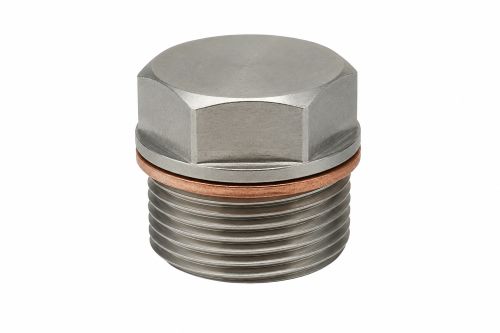
A hydraulic bonded seal plug is a threaded component designed to close an unused port, opening, or connection point in a hydraulic system. It typically consists of a metal plug body and a bonded sealing washer.
The bonded washer generally has an elastomer sealing element bonded to a metal ring. When the plug is tightened into the port, the seal is compressed against the sealing surface. This helps prevent hydraulic oil from escaping through the connection.
Hydraulic bonded seal plugs are commonly used in:
1. Hydraulic manifolds
2. Pumps and valves
3. Cylinders
4. Hydraulic power units
5. Construction equipment
6. Agricultural machinery
7. Industrial machinery
8. Mobile hydraulic equipment
Depending on the application, plugs may be manufactured from carbon steel, stainless steel, or other suitable materials.
What Does Hydraulic Bonded Seal Plug Pressure Rating Mean?
The pressure rating indicates the pressure that a component is designed to withstand under specified operating conditions.
For a hydraulic bonded seal plug, this rating depends on more than the plug itself. The thread, plug material, sealing washer, port design, temperature, hydraulic fluid, and installation method can all affect performance.
It is also important to understand that working pressure, proof pressure, and burst pressure are not the same thing.
Working Pressure
Working pressure is the pressure at which the component is designed to operate safely during normal service.
When selecting a hydraulic bonded seal plug, the working pressure is usually the most important rating to consider.
Proof Pressure
Proof pressure is generally a test pressure used to verify that a component can withstand a specified pressure without unacceptable leakage, permanent deformation, or other problems.
It should not automatically be treated as the pressure at which the component can operate continuously.
Burst Pressure
Burst pressure refers to the pressure at which a component may fail or rupture during testing.
Burst pressure is not a recommended operating pressure. Using burst pressure as the basis for normal operation can create a serious safety risk.
For this reason, always check the manufacturer’s technical documentation to understand exactly what each pressure figure represents.
Why Pressure Rating Matters
Choosing the correct pressure rating is essential for maintaining a reliable hydraulic connection.
1. Preventing Hydraulic Oil Leaks
Hydraulic systems can operate at high pressures, and inadequate sealing can result in oil leakage.
A plug that is not suitable for the system’s pressure may allow the bonded seal to lose its effectiveness. Persistent leakage can contaminate equipment, waste hydraulic fluid, and increase maintenance requirements.
2. Protecting Hydraulic Components
A hydraulic system is made up of interconnected components. A failed plug can affect more than the port where it is installed.
A pressure-related failure can release hydraulic fluid suddenly and potentially damage nearby components or equipment.
3. Improving System Reliability
A correctly selected plug provides a stable seal under the expected operating conditions.
This is particularly important in equipment exposed to vibration, temperature changes, pressure fluctuations, and continuous operation.
4. Supporting Workplace Safety
Hydraulic fluid under pressure can be hazardous. A component failure may result in a high-pressure fluid release.
Using components with appropriate pressure ratings and installing them according to manufacturer specifications helps reduce unnecessary risks.
Factors That Affect Hydraulic Bonded Seal Plug Pressure Rating
Pressure capability is influenced by several factors. Looking at the pressure rating alone without considering the complete application can lead to an unsuitable selection.
Plug Material
The material used to manufacture the plug affects its strength, durability, and resistance to environmental conditions.
Carbon steel is widely used for hydraulic applications because it provides good mechanical strength and can be cost-effective. Stainless steel may be preferred when corrosion resistance is especially important.
However, material alone does not determine the pressure rating. The complete plug design and manufacturer’s specifications must also be considered.
Thread Type and Size
Thread compatibility is another critical consideration.
Depending on the hydraulic system, you may encounter metric, BSP, NPT, or other thread standards. The plug must match the corresponding port in thread type, size, and sealing arrangement.
A plug that appears to fit but uses an incompatible thread should not be forced into the port. Incorrect threads can damage the connection and compromise sealing performance.
Bonded Seal Material
The bonded seal is responsible for creating the leak-resistant interface between the plug and port.
The elastomer used in the seal must be compatible with the hydraulic fluid and operating temperature.
A seal that is chemically incompatible with the fluid may deteriorate, swell, harden, or lose its sealing capability over time.
Plug Design
The geometry and construction of the plug can also influence pressure performance.
Important design features may include:
1. Thread engagement
2. Wall thickness
3. Sealing surface
4. Plug head design
5. Bonded washer configuration
6. Manufacturing tolerances
Two plugs with similar dimensions may not necessarily have the same pressure rating.
Operating Temperature
Temperature should not be overlooked when selecting a bonded seal plug.
High or low temperatures can affect the mechanical properties of the plug material and the performance of the elastomer sealing element.
If the hydraulic system operates at elevated temperatures, verify that both the plug and bonded seal are suitable for the expected temperature range.
Hydraulic Fluid
Not every sealing material is compatible with every hydraulic fluid.
Consider the type of fluid used in the system and confirm that the bonded seal material is appropriate for it.
Fluid compatibility becomes particularly important in specialized hydraulic applications involving synthetic fluids or other non-standard media.
How to Choose the Right Hydraulic Bonded Seal Plug Pressure Rating
Selecting the correct pressure rating becomes easier when you follow a systematic process.
Step 1: Determine the System’s Operating Pressure
Start by identifying the normal operating pressure of the hydraulic system.
Check the equipment documentation, hydraulic schematic, or manufacturer’s specifications if available.
Do not rely on assumptions based on the equipment size or application alone.
Step 2: Identify Maximum and Peak Pressure
Hydraulic pressure is not always constant.
Pressure spikes can occur when valves operate, cylinders change direction, loads change suddenly, or other components create transient pressure conditions.
Therefore, consider the maximum pressure the plug may experience rather than looking only at average operating pressure.
Step 3: Choose an Appropriate Pressure Margin
The selected plug should have a working pressure rating that is suitable for the actual application.
Do not select a component whose normal working pressure is equal to or below the system’s expected maximum pressure.
The appropriate margin depends on the application, applicable standards, manufacturer recommendations, and system design. Always follow the manufacturer’s stated limits rather than applying an arbitrary safety factor.
Step 4: Verify the Thread Specification
Before ordering or installing the plug, confirm:
1. Thread type
2. Thread size
3. Thread pitch where applicable
4. Port standard
5. Sealing method
6. Plug dimensions
Correct pressure capability is not useful if the plug cannot form the correct connection with the hydraulic port.
Step 5: Check the Bonded Seal
Make sure the sealing washer is compatible with the application.
Check its:
➡️ Material
➡️ Size
➡️ Temperature range
➡️ Fluid compatibility
➡️ Condition
A damaged or incorrectly sized bonded seal can cause leakage even when the metal plug itself has an adequate pressure rating.
Step 6: Confirm the Manufacturer’s Specifications
This is one of the most important steps.
Review the manufacturer’s technical datasheet or product documentation before making a final selection.
Check whether the listed pressure is:
➡️ Maximum working pressure
➡️ Proof pressure
➡️ Burst pressure
➡️ Pressure rating for a specific configuration
If the pressure rating is unclear, contact the manufacturer or supplier rather than making an assumption.
Does a Larger Plug Always Handle More Pressure?
Not necessarily.
It is tempting to assume that a larger hydraulic bonded seal plug must have a higher pressure rating, but size alone does not determine pressure capability.
Pressure performance can depend on:
1. Material strength
2. Thread design
3. Thread engagement
4. Wall thickness
5. Sealing configuration
6. Manufacturing quality
7. Operating temperature
8. Applicable design standards
For this reason, never choose a plug based only on its physical size. Always check the actual technical specifications.
Hydraulic Bonded Seal Plug Pressure Rating by Application
Different hydraulic applications have different operating requirements.
Low-Pressure Hydraulic Systems
Lower-pressure systems may have less demanding requirements, but proper thread and seal compatibility are still essential.
A plug should always be selected according to the actual operating conditions rather than assuming that a low-pressure application requires minimal specifications.
Medium-Pressure Hydraulic Systems
Medium-pressure applications require careful attention to working pressure, sealing performance, material selection, and installation torque.
Pressure fluctuations should also be considered.
High-Pressure Hydraulic Systems
High-pressure applications require even greater attention to component specifications.
The plug should have a verified working pressure suitable for the system, and the entire connection—including the port and bonded seal—must be appropriate for the operating conditions.
For critical high-pressure applications, avoid relying on generic pressure claims. Use documented specifications from a reputable manufacturer.
Mobile Hydraulic Equipment
Excavators, forklifts, agricultural machinery, loaders, and other mobile equipment can experience vibration, shock loads, and pressure fluctuations.
For these applications, pressure rating should be considered together with mechanical durability, temperature, corrosion resistance, and sealing reliability.
Industrial Hydraulic Equipment
Industrial machinery may operate continuously for long periods. Hydraulic power units, presses, manufacturing equipment, and automated machinery therefore require reliable connections that can maintain performance over extended operating cycles.
Installation Practices That Affect Pressure Performance
Even a properly rated hydraulic bonded seal plug can perform poorly if it is installed incorrectly.
Follow these basic practices:
1. Clean the port and plug before installation.
2. Inspect the threads for damage, contamination, or excessive wear.
3. Use the correct bonded seal for the plug and application.
4. Position the seal correctly against the sealing surface.
5. Apply the manufacturer’s specified installation torque.
6. Avoid excessive tightening, which can damage threads or the seal.
7. Inspect the connection after installation.
8. Check for leakage during controlled system operation.
Correct torque is especially important. Over-tightening does not necessarily create a better seal and can actually damage the connection.
Common Mistakes When Selecting Pressure Ratings
Several mistakes can lead to poor plug selection.
Choosing Based Only on Size
A larger plug is not automatically a higher-pressure plug.
Confusing Proof Pressure With Working Pressure
A proof-test value should not be treated as a continuous operating pressure.
Ignoring Pressure Spikes
Selecting a plug based only on average pressure can overlook short-duration pressure peaks.
Mixing Thread Standards
Different thread standards may look similar but have important dimensional differences.
Ignoring Seal Compatibility
The metal plug may be suitable while the bonded seal material is incompatible with the hydraulic fluid or temperature.
Reusing Damaged Seals
A deformed, cracked, hardened, or otherwise damaged bonded seal should generally be replaced rather than reused.
Relying on Unverified Pressure Claims
Pressure ratings should come from reliable technical documentation. If a supplier does not clearly identify the pressure basis or test conditions, ask for clarification before using the component.
How to Check a Hydraulic Bonded Seal Plug Before Installation
A quick inspection can help prevent installation problems.
Before installing the plug, verify:
1. Correct part number
2. Correct thread size
3. Correct thread type
4. Appropriate plug material
5. Correct bonded seal
6. Suitable pressure rating
7. Suitable temperature range
8. Fluid compatibility
9. Undamaged threads
10. Undamaged sealing surfaces
If any specification is uncertain, stop and verify it before installation.
When Should You Replace a Hydraulic Bonded Seal Plug?
Replacement may be necessary when the plug shows visible damage, corrosion, damaged threads, or other signs of deterioration.
The bonded seal should also be inspected. If it is cracked, flattened, hardened, damaged, or otherwise compromised, replacing it is usually the safer option.
A plug may also need to be replaced when system operating conditions change. For example, if a hydraulic system is modified to operate at a higher pressure or temperature, previously installed components should be reviewed to confirm that they remain suitable.
Frequently Asked Questions
What is the pressure rating of a hydraulic bonded seal plug?
The pressure rating varies according to the plug design, material, thread, sealing arrangement, size, and manufacturer. Always refer to the manufacturer’s technical specifications for the specific plug.
How do I know which pressure rating I need?
Determine the system’s normal operating pressure and maximum expected pressure, including pressure spikes. Then select a plug with a suitable documented working pressure rating according to the manufacturer’s recommendations.
Can a bonded seal plug be used in high-pressure hydraulic systems?
Yes, some bonded seal plugs are designed for high-pressure applications. However, suitability must be confirmed from the manufacturer’s specifications for the exact plug, seal, thread, and application.
Does plug material affect pressure rating?
Yes. Material affects mechanical strength and durability, but pressure rating is determined by the complete component design rather than material alone.
Does thread size affect pressure capability?
Thread size and design can influence pressure performance, but a larger thread does not automatically mean a higher pressure rating. Always check the manufacturer’s rating.
What is the difference between working pressure and burst pressure?
Working pressure is the pressure at which a component is designed to operate under specified conditions. Burst pressure is associated with failure testing and should not be used as the normal operating limit.
Can I reuse a hydraulic bonded seal plug?
The answer depends on the plug and application. The bonded sealing washer should be inspected carefully, and many applications call for replacing the seal whenever the connection is disturbed. Follow the manufacturer’s recommendations.
How does temperature affect bonded seal performance?
Temperature can affect both the plug material and elastomer. Excessive heat or unsuitable low temperatures can change seal properties and reduce sealing performance.
Where can I find the manufacturer’s pressure rating?
Pressure ratings are normally available in product datasheets, technical catalogs, specifications, or installation documentation. If the information is not clearly provided, contact the manufacturer or supplier before using the plug.
Conclusion
Choosing the correct hydraulic bonded seal plug pressure rating is an important part of building and maintaining a reliable hydraulic system.
The right selection should not be based on pressure alone. You also need to consider the plug material, thread type and size, bonded seal material, hydraulic fluid, operating temperature, installation method, and pressure fluctuations.
Most importantly, distinguish between working pressure, proof pressure, and burst pressure. A pressure value listed in a product specification does not necessarily represent the safe continuous operating pressure.
By checking the manufacturer’s specifications and matching the plug to the actual hydraulic system requirements, you can reduce leakage risks, improve connection reliability, and support safer equipment operation.
When in doubt, choose documented specifications over assumptions. A correctly rated and properly installed hydraulic bonded seal plug is a small component that can make a big difference to the overall performance of a hydraulic system.
Post time: Sep-03-2026