

Hydraulic systems rely on precision-engineered components to operate safely and efficiently. Among these components, hydraulic banjo fittings are valued for their compact design and ability to connect hydraulic lines in tight spaces. However, choosing the correct hydraulic banjo fitting size is just as important as selecting the right fitting type. An incorrect size can lead to leaks, restricted fluid flow, pressure loss, or even system failure.
Whether you’re replacing an existing fitting or designing a new hydraulic system, understanding hydraulic banjo fitting sizes helps ensure proper compatibility and long-term performance. This guide explains the different dimensions, common sizes, thread standards, and applications to help you make the right choice.
What Is a Hydraulic Banjo Fitting?
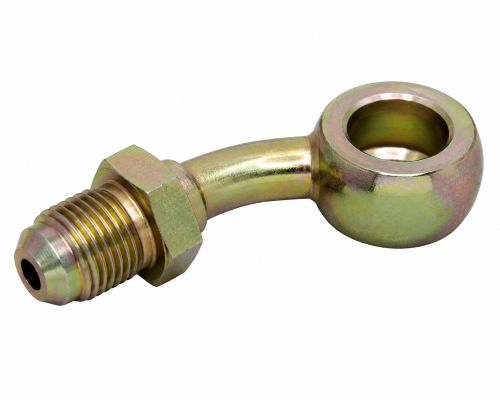
A hydraulic banjo fitting is a specialized hydraulic connector that allows fluid to flow through a hollow bolt and into a circular fitting body. Unlike traditional straight fittings, banjo fittings can rotate before tightening, making installation easier in confined spaces.
Their compact design makes them ideal for hydraulic systems where space is limited or where hose routing requires a low-profile connection.
Main Components
A hydraulic banjo fitting consists of several essential parts:
1. Banjo Body
The circular fitting body contains the fluid passage and connects to the hydraulic hose or tube.
2. Banjo Bolt
The hollow banjo bolt passes through the fitting body, allowing hydraulic fluid to flow while securing the assembly.
3. Sealing Washers
Copper washers or bonded sealing washers create a leak-free seal between the fitting and the hydraulic component.
4. Hose or Tube Connection
The opposite end of the fitting connects to a hydraulic hose or rigid tube using the appropriate thread or crimp connection.
Common Applications of Hydraulic Banjo Fittings
Hydraulic banjo fittings are used across many industries because of their versatility and compact footprint.
Common applications include:
1. Construction machinery
2. Agricultural equipment
3. Industrial hydraulic systems
4. Material handling equipment
5. Hydraulic power units
6. Automotive hydraulic braking systems
7. Steering systems
8. Marine hydraulic equipment
Their ability to redirect hydraulic lines without requiring additional elbows makes them especially valuable in space-constrained installations.
Why Hydraulic Banjo Fitting Sizes Matter
Selecting the correct hydraulic banjo fitting size affects far more than installation. It directly impacts the safety, efficiency, and lifespan of your hydraulic system.
1. Proper Flow Capacity
Hydraulic fluid must move freely throughout the system. An undersized fitting can restrict flow, reducing machine performance and increasing heat generation.
2. Pressure Handling
Every fitting is designed to withstand specific operating pressures. Using the correct size ensures the fitting safely handles the required hydraulic pressure.
3. Leak Prevention
Properly matched bolt diameters, threads, and sealing washers create reliable seals that minimize leakage.
4. Component Compatibility
Correct sizing ensures compatibility with:
➡️ Hydraulic hoses
➡️ Pumps
➡️ Cylinders
➡️ Valves
➡️ Hydraulic manifolds
➡️ Equipment ports
Understanding Hydraulic Banjo Fitting Dimensions
Several measurements determine whether a hydraulic banjo fitting is suitable for your application.
Banjo Bolt Diameter
The bolt diameter is one of the most important sizing factors.
Common metric sizes include:
|
Bolt Size |
Typical Applications |
|---|---|
|
M8 |
Small hydraulic circuits |
|
M10 |
Light-duty equipment |
|
M12 |
Mobile hydraulics |
|
M14 |
Medium-pressure systems |
|
M16 |
Construction equipment |
|
M18 |
Industrial machinery |
|
M20 |
Heavy-duty hydraulics |
|
M22 |
Large hydraulic circuits |
|
M24 |
High-flow applications |
Larger bolt diameters generally support higher flow rates and increased pressure capacity.
Thread Size
Hydraulic banjo fittings are manufactured with several thread standards, including:
2. BSPP (British Standard Pipe Parallel)
3. BSPT (British Standard Pipe Taper)
Matching the correct thread type is essential because threads that appear similar may not seal properly together.
Banjo Eye Diameter
The banjo eye is the circular opening where the bolt passes through.
Important measurements include:
➡️ Internal diameter
➡️ External diameter
➡️ Eye thickness
These dimensions must match the selected banjo bolt for proper sealing and structural integrity.
Hose Connection Size
Hydraulic banjo fittings are available for various hose sizes, including:
➡️ DN4
➡️ DN6
➡️ DN8
➡️ DN10
➡️ DN12
➡️ DN16
➡️ Inch-based hose sizes
➡️ Tube outside diameters
Choosing the correct hose size maintains proper hydraulic flow and minimizes pressure loss.
Overall Dimensions
Other important dimensions include:
➡️ Total fitting thickness
➡️ Overall width
➡️ Clearance requirements
➡️ Offset angle
These measurements become especially important in compact hydraulic systems.
Standard Hydraulic Banjo Fitting Size Chart
The table below provides a general reference for commonly used hydraulic banjo fitting sizes.
|
Banjo Bolt |
Thread Type |
Typical Hose Size |
Common Applications |
General Pressure Range |
|
M8 |
Metric |
DN4 |
Small machinery |
Low to medium |
|
M10 |
Metric |
DN6 |
Agricultural equipment |
Medium |
|
M12 |
Metric |
DN8 |
Construction equipment |
Medium to high |
|
M14 |
Metric |
DN10 |
Industrial hydraulics |
High |
|
M16 |
Metric |
DN12 |
Heavy machinery |
High |
|
M18 |
Metric |
DN16 |
Mining equipment |
High |
|
M20 |
Metric |
Large bore |
Heavy-duty hydraulics |
High |
|
M22–M24 |
Metric |
Large bore |
High-flow systems |
Very high |
Always consult the manufacturer’s specifications for exact pressure ratings and dimensions.
Metric vs Imperial Hydraulic Banjo Fitting Sizes
Hydraulic banjo fittings are available in both metric and imperial standards.
Metric Sizes
Metric fittings are commonly used throughout:
➡️ Europe
➡️ Asia
➡️ Australia
They are measured in millimeters and typically use ISO or DIN standards.
Advantages include:
➡️ Easy sizing
➡️ International standardization
➡️ Wide availability
Imperial Sizes
Imperial fittings remain common in North America and some older equipment.
Examples include:
➡️ BSP
➡️ NPT
➡️ SAE
These fittings use inch-based measurements and specific thread profiles.
Comparison
|
Metric |
Imperial |
|
Measured in millimeters |
Measured in inches |
|
Common in European equipment |
Common in North American equipment |
|
ISO/DIN standards |
SAE/NPT/BSP standards |
|
Easy international replacement |
Widely used in legacy equipment |
Mixing metric and imperial fittings is never recommended.
How to Measure Hydraulic Banjo Fitting Sizes
Accurate measurements help prevent costly mistakes.
Step 1: Measure the Banjo Bolt Diameter
Use a vernier caliper to measure the bolt’s outside diameter.
Step 2: Identify the Thread Pitch
Use a thread gauge to determine thread spacing and profile.
Step 3: Measure the Banjo Eye
Record both the internal and external diameters.
Step 4: Determine the Hose Size
Measure the hose’s inside diameter or check the hose markings.
Step 5: Verify Overall Dimensions
Confirm fitting thickness and available installation clearance.
Recommended Measuring Tools
Professional installers typically use:
➡️ Vernier calipers
➡️ Thread gauges
➡️ Micrometers
➡️ Steel rulers
➡️ Hydraulic thread identification kits
Common Hydraulic Banjo Fitting Sizes and Their Applications
M10 Banjo Fittings
Often found in compact hydraulic systems and agricultural equipment where moderate flow rates are sufficient.
M12 Banjo Fittings
Widely used in mobile hydraulic equipment, including loaders and excavators.
M14 Banjo Fittings
Suitable for industrial machinery requiring increased pressure capacity.
M16 Banjo Fittings
Frequently used in construction and heavy-duty hydraulic equipment.
M18 to M24 Banjo Fittings
Designed for large hydraulic systems requiring higher flow rates and greater pressure resistance, such as mining, marine, and industrial applications.
Factors to Consider When Choosing Hydraulic Banjo Fitting Sizes
Selecting the correct size involves more than matching bolt diameters.
Consider the following:
Operating Pressure
Ensure the fitting’s pressure rating meets or exceeds your system requirements.
Hydraulic Fluid
Verify material compatibility with the hydraulic fluid being used.
Flow Rate
Choose a fitting that supports the required fluid volume without creating unnecessary restrictions.
Thread Compatibility
Never force mismatched threads together.
Material Selection
Common materials include:
1. Carbon steel
2. Stainless steel
3. Brass (for certain low-pressure applications)
Material choice depends on pressure, environment, and corrosion resistance requirements.
Corrosion Resistance
Outdoor, marine, and chemical-processing environments often require stainless steel fittings.
Temperature
High-temperature hydraulic systems may require specialized sealing materials.
Industry Standards
Choose fittings that comply with applicable ISO, DIN, SAE, or BSP standards for your equipment.
Common Sizing Mistakes to Avoid
Avoid these common errors when selecting hydraulic banjo fittings:
1. Choosing the wrong thread type
2. Confusing BSP and NPT threads
3. Ignoring thread pitch
4. Using incorrect sealing washers
5. Mixing metric and imperial fittings
6. Selecting fittings based only on appearance
7. Over-tightening banjo bolts
8. Under-tightening fittings, leading to leaks
Taking accurate measurements before purchasing can prevent expensive downtime and component damage.
Industries That Commonly Use Hydraulic Banjo Fittings
Hydraulic banjo fittings are found in a wide range of industries.
These include:
➡️ Agriculture
➡️ Construction
➡️ Mining
➡️ Manufacturing
➡️ Material handling
➡️ Forestry
➡️ Marine operations
➡️ Automotive hydraulic systems
➡️ Heavy industrial equipment
Their compact design makes them especially valuable where installation space is limited.
Installation Tips for Different Banjo Fitting Sizes
Proper installation is essential for safe operation.
Follow these best practices:
1. Inspect threads before assembly.
2. Always install new sealing washers when replacing a fitting.
3. Tighten the banjo bolt to the manufacturer’s recommended torque.
4. Ensure the fitting is correctly aligned before final tightening.
5. Avoid cross-threading during installation.
6. Pressure-test the hydraulic system after installation.
7. Correct installation significantly reduces the risk of leaks and premature component failure.
Maintenance Best Practices
Routine maintenance extends the service life of hydraulic banjo fittings.
Maintenance recommendations include:
1. Inspect fittings regularly for leaks.
2. Check banjo bolt torque during scheduled maintenance.
3. Replace damaged sealing washers promptly.
4. Remove corrosion before it affects sealing surfaces.
5. Replace worn or damaged fittings immediately.
6. Keep hydraulic systems clean to prevent contamination.
Preventive maintenance helps maintain hydraulic system efficiency while reducing unexpected downtime.
Frequently Asked Questions
What are the most common hydraulic banjo fitting sizes?
The most commonly used sizes include M10, M12, M14, M16, M18, and M20. The appropriate size depends on the equipment, flow requirements, and operating pressure.
How do I identify my hydraulic banjo fitting size?
Measure the banjo bolt diameter, determine the thread type and pitch, check the banjo eye dimensions, and verify the hose connection size using precision measuring tools.
Can metric and BSP banjo fittings be interchanged?
No. Although some dimensions may appear similar, metric and BSP threads have different profiles and sealing methods. Using incompatible fittings can result in leaks and thread damage.
What happens if I use the wrong banjo fitting size?
An incorrect size can cause restricted fluid flow, pressure loss, leaks, premature wear, and potential hydraulic system failure.
Are hydraulic banjo fittings suitable for high-pressure systems?
Yes. When properly sized and manufactured from suitable materials, hydraulic banjo fittings are designed to operate safely in many high-pressure hydraulic applications. Always use fittings with pressure ratings that meet your system’s requirements.
What material is best for hydraulic banjo fittings?
Carbon steel is widely used for its strength and cost-effectiveness, while stainless steel offers superior corrosion resistance for marine, food processing, and harsh industrial environments.
How often should banjo sealing washers be replaced?
Sealing washers should generally be replaced whenever the banjo fitting is disassembled. Installing new washers helps maintain a reliable, leak-free seal.
Conclusion
Choosing the correct hydraulic banjo fitting size is essential for maintaining hydraulic system performance, safety, and reliability. By understanding bolt diameters, thread standards, hose sizes, and overall fitting dimensions, you can select components that provide secure connections and efficient fluid flow.
Always verify compatibility with your equipment specifications and follow proper installation practices to maximize the lifespan of your hydraulic system and minimize the risk of leaks or downtime.
Post time: Jul-29-2026