

Hydraulic systems depend on secure, leak-resistant connections to operate safely and efficiently. Even a small unused port can become a source of fluid leakage if it is not properly sealed. This is where carbon steel DIN compression plugs play an important role.
Designed to close hydraulic ports and connection points, these plugs provide a practical sealing solution for many industrial and mobile hydraulic applications. Their carbon steel construction offers a useful combination of strength, durability, and cost efficiency.
But choosing the right plug involves more than simply matching the size. Thread type, sealing method, pressure rating, material, surface treatment, and application conditions all need to be considered.
In this guide, we’ll explain what carbon steel DIN compression plugs are, how they work, their main benefits, applications, installation considerations, and how to choose the right option for your hydraulic system.
What Are Carbon Steel DIN Compression Plugs?
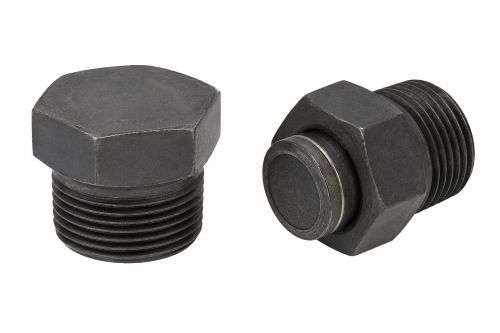
A carbon steel DIN compression plug is a hydraulic fitting designed to close an unused port or connection point. It is manufactured from carbon steel and produced according to applicable DIN dimensional or connection requirements.
The plug creates a secure closure that helps prevent hydraulic fluid from escaping through an unused connection. Depending on the design, sealing may be achieved through a dedicated sealing element, sealing ring, or a specially designed sealing surface.
These plugs are commonly used in:
1. Hydraulic manifolds
2. Valves
3. Pumps
4. Hydraulic cylinders
5. Power units
6. Hydraulic machinery
7. Mobile equipment
8. Industrial fluid systems
The “DIN” designation is important because DIN standards help define dimensions, connection configurations, and other characteristics. However, not every DIN compression plug has the same specifications, so the exact standard and manufacturer’s technical data should always be checked before selection.
How Do Carbon Steel DIN Compression Plugs Work?
The basic purpose of a compression plug is simple: close and seal an unused hydraulic connection.
The plug is inserted into a compatible port and tightened according to the manufacturer’s instructions. As the connection is tightened, the sealing surfaces or sealing components create contact that prevents hydraulic fluid from passing through the connection.
A properly installed plug needs to provide two things:
1. Mechanical connection – The threads or connection geometry must securely hold the plug in the port.
2. Fluid sealing – The sealing arrangement must prevent hydraulic oil from escaping.
The quality of the seal depends on several factors, including thread compatibility, sealing-surface condition, proper installation, and the correct tightening procedure.
For this reason, simply forcing a plug into a port because it “looks like it fits” is not recommended. Hydraulic connections are engineered systems, and even small differences in thread or sealing geometry can result in leakage or component damage.
Main Components of a Carbon Steel DIN Compression Plug
Although compression plugs are relatively compact, each part contributes to their performance.
1. Plug Body
The body provides the main structural support for the plug. It must withstand the mechanical loads and hydraulic pressure associated with the application.
Carbon steel is commonly selected because it offers good mechanical strength and durability while remaining relatively economical.
2. Threaded Section
The threaded section connects the plug to the hydraulic port. Thread size and type must match the mating connection.
Using an incorrect thread can cause poor engagement, leakage, cross-threading, or permanent damage to the port.
3. Sealing Element or Surface
The sealing arrangement is responsible for preventing fluid from escaping through the connection.
Depending on the specific design, this may involve a sealing ring, elastomeric seal, metal-to-metal sealing surface, or another sealing configuration.
4. Drive or Head Section
Many plugs include a hexagonal head or internal hex drive that allows a wrench or suitable tool to be used during installation and removal.
The drive configuration also makes the plug practical for installation in compact hydraulic assemblies.
DIN Standards and Specifications to Consider
DIN standards are widely used in hydraulic connection technology and help promote dimensional and functional consistency.
However, “DIN compression plug” is not enough information by itself to identify the correct product. Before ordering, it is important to check the specific standard and technical specification.
Important specifications can include:
➡️ Thread type
➡️ Thread size
➡️ Plug dimensions
➡️ Material grade
➡️ Surface treatment
➡️ Sealing configuration
➡️ Pressure rating
➡️ Temperature range
➡️ Fluid compatibility
➡️ Installation requirements
The manufacturer’s technical drawing and product datasheet should be used to confirm compatibility.
This is particularly important when replacing an existing plug because two components that appear similar externally may use different thread or sealing configurations.
Why Is Carbon Steel Used for DIN Compression Plugs?
Carbon steel is a popular material for hydraulic plugs because it provides a good balance between performance and cost.
High Mechanical Strength
Hydraulic systems can operate under significant pressure. A properly designed carbon steel plug can provide the mechanical strength needed for demanding applications.
Good Durability
Carbon steel components can withstand mechanical loads, vibration, and repeated exposure to typical industrial operating conditions when appropriately designed and maintained.
Cost Effectiveness
Compared with many stainless steel alternatives, carbon steel can provide a more economical solution, making it attractive for applications where extreme corrosion resistance is not required.
Surface Treatment Options
Carbon steel plugs can be supplied with protective surface treatments or coatings that improve resistance to corrosion and environmental exposure.
Wide Application Range
Their combination of strength, availability, and affordability makes carbon steel plugs suitable for many hydraulic applications.
Key Benefits of Carbon Steel DIN Compression Plugs
Reliable Port Sealing
The primary benefit is the ability to securely close unused hydraulic ports. A properly selected and installed plug helps reduce the risk of fluid leakage.
Strong Construction
Carbon steel provides the strength needed for many hydraulic environments, particularly when the plug is correctly rated for the system.
Compact Design
Hydraulic plugs are generally small and can be installed in locations where larger components would not be practical.
Cost Efficiency
For general industrial and hydraulic applications, carbon steel can provide a cost-effective alternative to more corrosion-resistant materials.
Long Service Life
When the material, surface treatment, pressure rating, and sealing arrangement are appropriate for the application, carbon steel plugs can provide reliable long-term service.
Easy Maintenance
A removable plug allows an unused hydraulic port to be closed while still providing access for future maintenance or system modifications.
Carbon Steel vs. Stainless Steel DIN Compression Plugs
Choosing between carbon steel and stainless steel depends largely on the operating environment.
|
Feature |
Carbon Steel |
Stainless Steel |
|
Strength |
High |
High |
|
Corrosion resistance |
Moderate with suitable coating |
Generally excellent |
|
Cost |
Usually lower |
Usually higher |
|
Typical use |
General hydraulic systems |
Corrosive or demanding environments |
|
Surface treatment |
Often used |
Often unnecessary |
|
Maintenance |
May require more corrosion protection |
Generally lower corrosion-related maintenance |
Carbon steel is often a practical choice for conventional hydraulic systems, especially where cost is an important consideration and the environment is not highly corrosive.
Stainless steel may be preferable in applications exposed to moisture, chemicals, salt, or other corrosive conditions.
The correct choice should always be based on the actual operating environment rather than material preference alone.
Common Applications of Carbon Steel DIN Compression Plugs
Carbon steel DIN compression plugs are used across a wide range of hydraulic equipment.
Hydraulic Power Units
Power units often contain multiple connection points. Some may not be required in every configuration, making plugs useful for closing unused ports.
Hydraulic Machinery
Industrial machines use hydraulic valves, manifolds, pumps, and other components that may require temporary or permanent port closure.
Construction Equipment
Construction machinery operates in demanding environments where strong and dependable hydraulic connections are essential.
Agricultural Equipment
Tractors and agricultural machinery use hydraulic systems for implements, lifting mechanisms, steering, and other functions.
Mobile Hydraulic Systems
Mobile equipment can experience vibration, movement, dust, and changing environmental conditions. Properly installed plugs help keep unused connections securely closed.
Industrial Fluid Systems
Manufacturing and material-handling equipment may also use hydraulic plugs to seal connection points in fluid circuits.
How to Choose the Right Carbon Steel DIN Compression Plug
Selecting the correct plug starts with understanding the hydraulic connection it will mate with.
1. Identify the Thread Type and Size
The plug must have the correct thread configuration for the port. Do not assume that plugs with similar dimensions are interchangeable.
2. Confirm the Applicable DIN Specification
Check the exact DIN standard associated with the fitting or port. This helps ensure dimensional and functional compatibility.
3. Check the Pressure Rating
The plug must be rated appropriately for the maximum pressure of the hydraulic system.
Do not select a plug based only on physical size. Pressure capability is a critical safety and performance factor.
4. Consider the Sealing Method
Determine whether the connection requires a sealing ring, elastomeric seal, metal sealing surface, or another configuration.
The sealing method should match the mating port.
5. Consider Operating Temperature
Temperature can affect both the metal and sealing materials. Make sure the plug and its sealing components are suitable for the system’s operating temperature range.
6. Evaluate Corrosion Exposure
For indoor industrial applications, standard treated carbon steel may be sufficient. Outdoor, humid, marine, or chemically aggressive environments may require enhanced surface protection or a different material.
7. Check Fluid Compatibility
The hydraulic fluid should be compatible with the sealing material and other wetted components of the plug.
8. Review Manufacturer Specifications
Always verify the product drawing, dimensions, pressure rating, material, and installation requirements before purchase.
How to Install Carbon Steel DIN Compression Plugs
Correct installation is just as important as choosing the right plug.
Step 1: Inspect the Hydraulic Port
Make sure the port is clean and free from damaged threads, excessive wear, or foreign material.
Step 2: Inspect the Plug
Check the plug for damaged threads, dents, corrosion, or defects. Inspect any sealing element before installation.
Step 3: Clean the Connection
Remove dirt, debris, and contaminants that could interfere with the sealing surfaces.
Step 4: Align the Plug
Position the plug carefully and start the connection by hand where possible. It should engage smoothly without excessive force.
Step 5: Tighten According to Specifications
Use the appropriate tool and follow the manufacturer’s recommended tightening procedure or torque specification.
Avoid over-tightening. Excessive torque can damage threads, sealing surfaces, or the hydraulic component.
Step 6: Inspect for Leakage
After installation, the system should be checked safely for leakage during operation.
Never use your bare hand to search for leaks in a pressurized hydraulic system. High-pressure fluid can cause serious injury.
Common Installation Mistakes to Avoid
Several simple mistakes can reduce plug performance.
Using the Wrong Thread
A plug with an incompatible thread can damage the port and create a poor seal.
Over-Tightening
More tightening does not necessarily mean better sealing. Excessive force can damage components.
Under-Tightening
Insufficient tightening can prevent the sealing surfaces from functioning correctly and may allow leakage.
Reusing Damaged Seals
A worn or damaged sealing component may not provide reliable sealing after reinstallation.
Installing a Contaminated Plug
Dirt and metal particles can damage sealing surfaces and contaminate the hydraulic system.
Ignoring Pressure Ratings
A plug must be suitable for the system’s pressure conditions. Always check the manufacturer’s specifications.
Maintenance and Inspection
Once installed, DIN compression plugs should be included in routine hydraulic inspections.
Look for:
1. Signs of hydraulic oil leakage
2. Corrosion
3. Damaged threads
4. Surface damage
5. Loose connections
6. Deteriorated seals
7. Abnormal movement or vibration
If a plug becomes damaged or the sealing element deteriorates, it should be replaced according to the manufacturer’s recommendations.
Keeping spare plugs and compatible sealing components available can also make hydraulic maintenance faster and reduce equipment downtime.
Factors That Affect Plug Performance
Several factors influence how well a carbon steel DIN compression plug performs.
Hydraulic Pressure
Higher pressure increases the demands placed on the plug and sealing system.
Temperature
Extreme temperatures can affect sealing materials and the overall performance of the connection.
Hydraulic Fluid
Different fluids can have different effects on seals and materials. Fluid compatibility should always be considered.
Vibration
Mobile and industrial equipment can experience significant vibration. Proper connection design and installation are important for maintaining reliable sealing.
Corrosion
Moisture, chemicals, salt, and other environmental factors can affect untreated or inadequately protected carbon steel.
Installation Quality
Even a high-quality plug can leak if it is incorrectly installed, cross-threaded, damaged, or tightened improperly.
Safety Considerations
Hydraulic systems can store substantial energy, so safety should always be a priority.
Before installing or removing a compression plug:
1. Shut down the equipment according to the manufacturer’s procedure.
2. Relieve hydraulic pressure.
3. Make sure the system cannot unexpectedly move or activate.
4. Wear appropriate protective equipment.
5. Inspect the connection before working on it.
6. Use the correct tools.
7. Follow the plug and equipment manufacturer’s instructions.
Never attempt to remove or install a hydraulic plug while the connection is under pressure.
What to Know Before Buying Carbon Steel DIN Compression Plugs
Before purchasing, create a simple specification checklist.
Confirm the:
➡️ DIN standard
➡️ Thread type
➡️ Thread size
➡️ Material
➡️ Surface finish
➡️ Seal type
➡️ Pressure rating
➡️ Temperature range
➡️ Fluid compatibility
➡️ Overall dimensions
➡️ Installation requirements
It is also worth considering the supplier’s manufacturing quality and consistency. For critical hydraulic applications, dimensional accuracy and reliable material and surface treatment are important factors.
A reputable supplier should be able to provide technical specifications and product information so you can verify that the plug is suitable for your application.
Frequently Asked Questions
What is a carbon steel DIN compression plug?
It is a carbon steel hydraulic plug designed to close and seal a compatible hydraulic port. Its dimensions and connection characteristics are based on the applicable DIN specification.
What are carbon steel DIN compression plugs used for?
They are primarily used to close unused hydraulic ports in equipment such as manifolds, valves, pumps, power units, machinery, and mobile hydraulic systems.
Are carbon steel DIN compression plugs suitable for high-pressure hydraulic systems?
They can be, provided the specific plug is designed and rated for the required pressure. Always verify the manufacturer’s pressure rating before use.
Are carbon steel DIN compression plugs corrosion resistant?
Carbon steel itself has less inherent corrosion resistance than stainless steel. However, protective surface treatments can significantly improve its resistance to environmental exposure.
How do I choose the correct DIN compression plug?
Start by identifying the applicable DIN specification, thread type and size, sealing method, pressure rating, material, temperature range, and application environment.
Can DIN compression plugs be reused?
Reusability depends on the specific design and manufacturer’s recommendations. Before reuse, inspect the plug, threads, sealing surfaces, and sealing elements for damage or wear.
What is the difference between carbon steel and stainless steel compression plugs?
Carbon steel is generally more economical and provides good mechanical strength, while stainless steel typically offers better corrosion resistance. The better option depends on the operating environment.
How should a DIN compression plug be installed?
Inspect and clean the port, check the plug and sealing components, align the connection carefully, tighten according to the manufacturer’s specifications, and safely inspect the system for leakage.
Conclusion
Carbon steel DIN compression plugs are small but important components in hydraulic systems. They provide a practical way to close unused ports while helping maintain system integrity and prevent unwanted fluid leakage.
Their combination of mechanical strength, durability, compact construction, and cost efficiency makes carbon steel suitable for many industrial, agricultural, construction, and mobile hydraulic applications.
However, reliable performance depends on choosing the right product. Thread compatibility, DIN specifications, sealing method, pressure rating, temperature, fluid compatibility, and corrosion exposure should all be considered before installation.
When the correct carbon steel DIN compression plug is selected and installed according to the manufacturer’s recommendations, it can provide a dependable sealing solution for a wide range of hydraulic systems.
Post time: Aug-28-2026