

When working with fluid transfer systems, choosing the right connection fitting is essential for ensuring safe, efficient, and leak-free performance. One of the most commonly used components in plumbing, irrigation, marine, and industrial applications is the bulkhead to hose barb fitting. Although the name may sound technical, these fittings are simple, reliable, and incredibly useful for connecting hoses through tanks, walls, or panels.
In this beginner’s guide, we’ll explain what bulkhead to hose barb fittings are, how they work, their common applications, and how to choose the right one for your needs.
What Is a Bulkhead to Hose Barb Fitting?
A bulkhead to hose barb fitting is a connector designed to allow fluid to pass securely through a wall, tank, or container while attaching to a flexible hose.
The fitting consists of two main parts:
1. Bulkhead fitting: Mounted through a hole in a tank, panel, or wall to create a secure sealed connection.
2. Hose barb: A ribbed end that grips the inside of a flexible hose or tubing.
Together, these components create a reliable pathway for liquids or gases while preventing leaks.
Bulkhead to hose barb fittings are commonly used in systems where hoses need to connect to tanks, reservoirs, pumps, or enclosed equipment.
Main Components of a Bulkhead to Hose Barb Fitting
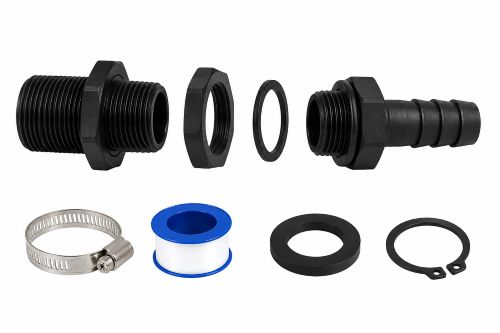
Understanding the parts of the fitting can help beginners install and maintain them correctly.
Bulkhead Section
The bulkhead section typically includes:
➡️ A threaded body
➡️ A locking nut
➡️ A gasket or O-ring seal
This portion secures the fitting tightly against the wall or tank surface to prevent leakage.
Hose Barb Section
The hose barb features ridges or barbs that grip the hose when inserted. The hose is usually secured further using a clamp for extra safety.
Optional Accessories
Depending on the application, additional accessories may include:
1. Hose clamps
2. Thread seal tape
3. Rubber washers
4. Locking rings
Common Materials Used
Bulkhead to hose barb fittings are available in various materials, each suited for different environments and fluids.
Plastic Fittings
Plastic fittings are lightweight, corrosion-resistant, and affordable. Common plastic materials include:
➡️ PVC
➡️ Polypropylene
➡️ Nylon
These are often used in irrigation systems, aquariums, and low-pressure water applications.
Metal Fittings
Metal fittings provide higher strength and durability. Popular choices include:
➡️ Brass
➡️ Stainless steel
➡️ Aluminum
Metal fittings are ideal for high-pressure systems, chemical handling, and industrial environments.
Choosing the Right Material
When selecting a fitting material, consider:
1. Fluid compatibility
2. Temperature conditions
3. Pressure requirements
4. Exposure to chemicals or corrosion
Choosing the wrong material can reduce the lifespan of the fitting and lead to leaks or failures.
Types of Bulkhead to Hose Barb Fittings
There are several fitting styles available depending on your installation needs.
Straight fittings provide a direct connection path and are commonly used in standard applications.
Elbow fittings are designed for tight spaces where the hose needs to change direction.
Reducing Fittings
Reducing fittings connect hoses of different sizes and help adapt systems with varying diameters.
Thread Variations
Bulkhead fittings also come with different thread standards such as:
2. BSP (British Standard Pipe)
Matching the correct thread type is important for proper sealing and compatibility.
Common Applications
Bulkhead to hose barb fittings are used across many industries and systems.
Water Tanks and Reservoirs
These fittings are widely used for connecting hoses to water storage tanks while maintaining a watertight seal.
Irrigation Systems
Garden and agricultural irrigation systems often rely on bulkhead fittings for water distribution.
Marine Applications
Boats and marine equipment use these fittings in plumbing and cooling systems because of their leak-resistant design.
Industrial Fluid Transfer
Factories and processing plants use durable metal fittings to transfer chemicals, oils, and other fluids safely.
Aquariums and Hydroponics
Smaller systems such as fish tanks and hydroponic setups also benefit from compact and reliable hose barb connections.
Benefits of Using Bulkhead to Hose Barb Fittings
These fittings offer several advantages for beginners and professionals alike.
Easy Installation
Most fittings are simple to install using basic tools.
Secure Hose Connection
The barbed design helps grip hoses tightly and reduce slippage.
Leak Prevention
Gaskets and threaded connections create dependable seals.
Versatility
They can handle many different fluids and applications.
Cost-Effective
Bulkhead to hose barb fittings are durable and require minimal maintenance, making them an economical choice.
How to Choose the Right Bulkhead to Hose Barb Fitting
Selecting the correct fitting is essential for system performance.
Determine Hose Size
Measure the inner diameter (ID) of your hose to ensure a proper fit.
Check Thread Compatibility
Always verify thread type and size before installation.
Consider Operating Conditions
Think about:
1. Fluid pressure
2. Temperature
3. Chemical exposure
4. Indoor or outdoor use
Select Proper Material
Plastic may work well for water systems, while stainless steel is better for harsh industrial environments.
Step-by-Step Installation Guide
Installing a bulkhead to hose barb fitting is relatively straightforward.
Tools You May Need
1. Wrench
2. Hose clamp
3. Drill
4. Sealant tape
Installation Steps
1. Prepare the Mounting Hole
Drill or locate the correct hole size for the fitting.
2. Insert the Bulkhead Fitting
Place the threaded body through the opening.
3. Secure the Locknut
Tighten the locknut firmly while ensuring the gasket sits correctly.
4. Attach the Hose
Push the hose over the barb until fully seated.
5. Tighten the Hose Clamp
Secure the hose with a clamp to prevent movement or leakage.
6. Test the System
Run fluid through the system and inspect for leaks.
Installation Tips
1. Avoid overtightening plastic fittings
2. Ensure clean sealing surfaces
3. Use properly sized hoses
Common Problems and Troubleshooting
Even quality fittings can develop issues if improperly installed.
Leaking Around the Bulkhead
This usually happens because of:
➡️ Misaligned gaskets
➡️ Loose locknuts
➡️ Damaged seals
Hose Slipping Off
This may occur if:
➡️ The hose is oversized
➡️ The clamp is loose
➡️ Pressure is too high
Cracked Plastic Fittings
Overtightening or excessive pressure can crack plastic components.
Corrosion
Using the wrong metal in harsh environments can lead to corrosion and fitting failure.
Maintenance and Care Tips
Regular maintenance helps extend the life of your fittings.
Inspect Regularly
Check for:
➡️ Cracks
➡️ Leaks
➡️ Loose connections
➡️ Corrosion
Clean the System
Remove buildup or debris that may block fluid flow.
Replace Worn Parts
Replace damaged gaskets, clamps, or hoses as needed.
Store Spare Fittings Properly
Keep unused fittings in a dry, clean environment.
Safety Considerations
Safety should always be a priority when working with fluid systems.
Follow Pressure Ratings
Never exceed the manufacturer’s pressure limits.
Verify Chemical Compatibility
Some chemicals can damage certain plastics or metals.
Install Properly
Improper installation increases the risk of leaks and system failure.
Frequently Asked Questions
What size bulkhead fitting do I need?
The fitting size should match both the hose diameter and the mounting hole specifications.
Can bulkhead to hose barb fittings handle high pressure?
Yes, but metal fittings are generally better suited for high-pressure applications.
Are plastic fittings durable?
Plastic fittings are durable for many low- to medium-pressure systems and resist corrosion well.
Do I need a hose clamp?
In most cases, yes. Hose clamps provide additional security and leak prevention.
Can these fittings be used outdoors?
Yes, especially if made from UV-resistant plastic or corrosion-resistant metal.
Conclusion
Bulkhead to hose barb fittings are simple yet highly effective components used in a wide range of fluid transfer systems. Their ability to create secure, leak-resistant connections makes them valuable in plumbing, irrigation, industrial processing, marine systems, and many other applications.
For beginners, understanding the basics of fitting types, materials, sizing, and installation can make choosing the right component much easier. With proper installation and maintenance, bulkhead to hose barb fittings can provide long-lasting and reliable performance for almost any fluid handling system.
Post time: May-22-2026