

Hydraulic systems are widely used in industries such as construction, manufacturing, agriculture, and transportation. To ensure these systems operate safely and efficiently, reliable hydraulic fittings are essential. Among the most commonly used fittings are hydraulic bite type male connectors, known for their strong grip, leak-proof sealing, and high-pressure performance.
In this guide, we’ll explain what hydraulic bite type male connectors are, how they work, their key features, applications, advantages, and tips for selecting the right one for your hydraulic system.
What Are Hydraulic Bite Type Male Connectors?
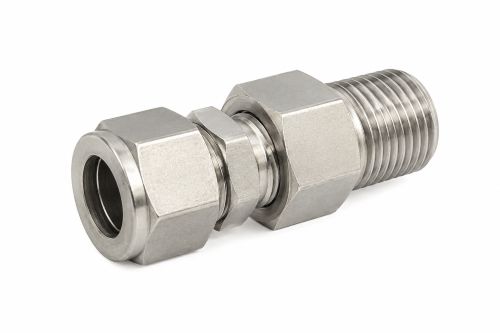
Hydraulic bite type male connectors are specialized hydraulic fittings designed to securely connect hydraulic tubes or pipes within a hydraulic system. These connectors use a ferrule-based gripping mechanism that “bites” into the outer surface of the tube to create a strong mechanical hold and a leak-proof seal.
The “male” part of the connector refers to the external threaded end, which connects with female-threaded hydraulic components such as valves, adapters, pumps, or manifolds.
These connectors are widely used in hydraulic systems because they provide reliable sealing performance under high pressure, vibration, and fluctuating operating conditions.
Basic Structure
A hydraulic bite type male connector consists of several key components:
Connector Body
The connector body forms the main structure of the fitting. It houses the internal components and provides the threaded connection point.
Nut
The nut is tightened during installation to compress the ferrule against the tube and fitting body.
Ferrule (Bite Ring)
The ferrule is the most important component of the connector. When tightened, it bites into the tube surface to create a secure grip and leak-resistant seal.
Male Threaded End
The male threaded end connects to female-threaded hydraulic ports or fittings.
How Hydraulic Bite Type Male Connectors Work
The working principle of hydraulic bite type male connectors is simple yet highly effective.
When the nut is tightened, the ferrule compresses around the hydraulic tube. The ferrule’s sharp edge slightly penetrates the outer surface of the tube, creating a mechanical “bite.” This bite forms a tight seal that prevents fluid leakage and keeps the tube securely in place.
This mechanism allows the connector to withstand:
1. High hydraulic pressure
2. Continuous vibration
3. Mechanical stress
4. Temperature fluctuations
Because of their strong sealing capability, bite type connectors are commonly used in demanding hydraulic applications where reliability is essential.
Key Features of Hydraulic Bite Type Male Connectors
Leak-Proof Sealing
One of the biggest advantages of hydraulic bite type male connectors is their excellent sealing performance. Properly installed connectors minimize the risk of hydraulic fluid leakage, helping maintain system efficiency and preventing contamination.
High Pressure Resistance
These connectors are designed for high-pressure hydraulic systems. Their strong gripping mechanism allows them to perform reliably even under extreme operating conditions.
Strong Mechanical Grip
The ferrule securely grips the hydraulic tube, reducing the possibility of tube loosening caused by vibration or pressure surges.
Corrosion Resistance
Many hydraulic bite-type male connectors are manufactured using stainless steel or corrosion-resistant coatings. This makes them suitable for harsh industrial environments, including outdoor and marine applications.
Easy Installation
Compared to welded fittings, bite type connectors are easier to install and maintain. They require fewer tools and reduce installation time.
Types of Hydraulic Bite Type Male Connectors
Hydraulic bite type male connectors are available in various configurations to meet different hydraulic system requirements.
Straight Male Connectors
Straight connectors are used for direct inline hydraulic connections. They are among the most common connector types in industrial hydraulic systems.
Elbow Male Connectors
Elbow connectors are designed for angled installations where space limitations require directional changes in hydraulic lines.
Tee Connectors
Tee connectors allow hydraulic flow to branch into multiple directions. They are commonly used in complex hydraulic circuits.
Reducer Connectors
Reducer connectors connect hydraulic tubes of different sizes, ensuring smooth fluid flow between varying pipe diameters.
Bulkhead Connectors
Materials Used in Hydraulic Bite Type Male Connectors
The material used in hydraulic connectors significantly affects performance, durability, and corrosion resistance.
Stainless Steel
Stainless steel connectors offer excellent corrosion resistance and are ideal for harsh operating environments, chemical applications, and marine industries.
Benefits:
➡️ High corrosion resistance
➡️ Excellent durability
➡️ Long service life
Carbon Steel
Carbon steel connectors are widely used because of their high strength and cost-effectiveness.
Benefits:
➡️ Strong mechanical performance
➡️ Affordable pricing
➡️ Suitable for heavy-duty applications
Brass
Brass connectors are commonly used in lower-pressure systems where corrosion resistance is required.
Benefits:
➡️ Good corrosion resistance
➡️ Easy machining
➡️ Suitable for lighter applications
Material Selection Factors
When choosing a connector material, consider:
1. Operating pressure
2. Hydraulic fluid compatibility
3. Environmental exposure
4. Temperature conditions
5. Corrosion risks
Applications of Hydraulic Bite Type Male Connectors
Hydraulic bite type male connectors are used across many industries due to their reliability and versatility.
Industrial Machinery
They are commonly used in manufacturing equipment, hydraulic presses, and CNC machines where leak-free hydraulic performance is essential.
Construction Equipment
Heavy machinery such as excavators, cranes, loaders, and bulldozers rely on hydraulic connectors to handle high-pressure hydraulic operations.
Agricultural Machinery
Hydraulic systems in tractors, harvesters, and irrigation equipment use bite type connectors for efficient fluid transfer.
Automotive and Transportation
These connectors are found in hydraulic braking systems, power steering systems, and other vehicle hydraulic applications.
Oil and Gas Industry
The oil and gas sector uses hydraulic bite type connectors in high-pressure fluid handling systems where safety and reliability are critical.
Advantages of Using Hydraulic Bite Type Male Connectors
Enhanced Safety
Leak-proof connections reduce the risk of hydraulic fluid leakage, system failure, and workplace accidents.
Long Service Life
These connectors are designed to perform reliably under demanding conditions, providing excellent durability over time.
Cost-Effective Maintenance
Bite type connectors are easier to service and replace compared to welded fittings, reducing maintenance costs.
Reliable Performance
Their strong sealing capability ensures stable hydraulic system operation even under high pressure.
Versatility
Hydraulic bite type male connectors are compatible with a wide range of hydraulic systems and industrial applications.
How to Choose the Right Hydraulic Bite Type Male Connector
Selecting the correct hydraulic connector is important for system safety and performance.
Consider Pressure Ratings
Always choose connectors with pressure ratings that match or exceed your hydraulic system requirements.
Check Thread Type and Size
Common thread types include:
1. BSP (British Standard Pipe)
2. NPT (National Pipe Thread)
3. Metric threads
Using the wrong thread type can result in leakage and connection failure.
Select the Right Material
Choose materials based on operating conditions, environmental exposure, and fluid compatibility.
Tube Compatibility
Ensure the connector matches the tube diameter and wall thickness.
Temperature Requirements
For high-temperature environments, select connectors designed to handle elevated temperatures without losing sealing performance.
Installation Guidelines
Proper installation is essential for achieving leak-free performance.
Prepare the Tube Properly
Always clean and deburr the tube ends before installation to ensure proper ferrule grip and sealing.
Correct Ferrule Placement
Position the ferrule correctly to ensure proper alignment during tightening.
Tightening Procedure
Avoid both under-tightening and over-tightening. Follow manufacturer torque recommendations whenever possible.
Leak Testing
After installation, conduct pressure testing to confirm there are no leaks.
Common Installation Mistakes to Avoid
Misalignment
Improper alignment can damage the ferrule and reduce sealing effectiveness.
Reusing Damaged Ferrules
Always replace worn or damaged ferrules.
Improper Torque
Incorrect tightening force can lead to leakage or fitting damage.
Maintenance and Troubleshooting
Regular maintenance helps extend connector lifespan and prevent hydraulic failures.
Regular Inspection
Inspect connectors periodically for:
1. Fluid leakage
2. Corrosion
3. Wear and tear
4. Loose fittings
Common Problems
Leakage
Usually caused by improper installation, damaged ferrules, or loose fittings.
Loose Fittings
Vibration can gradually loosen hydraulic connections.
Cracked Ferrules
Over-tightening or excessive pressure may damage ferrules.
Troubleshooting Tips
1. Retighten fittings carefully
2. Replace damaged components
3. tubes for wear or cracks
Preventive Maintenance Practices
1. Schedule regular inspections
2. Clean hydraulic systems properly
3. Replace worn parts promptly
Hydraulic Bite Type Male Connectors vs Other Hydraulic Fittings
Bite Type vs Compression Fittings
Bite type fittings provide a stronger mechanical grip and are generally better suited for high-pressure applications compared to standard compression fittings.
Bite Type vs Welded Connections
Welded fittings offer permanent connections, but bite type connectors are easier to install, maintain, and replace.
Bite Type vs Flared Fittings
Bite type connectors often provide superior vibration resistance and sealing performance in demanding hydraulic systems.
Industry Standards and Specifications
Hydraulic connectors are manufactured according to international industry standards to ensure safety and compatibility.
Common Standards
DIN Standards
Widely used in European hydraulic systems.
ISO Standards
Ensure global compatibility and performance consistency.
SAE Standards
Commonly used in North American hydraulic applications.
Why Standards Matter
Following industry standards ensures:
➡️ Improved safety
➡️ Easier interchangeability
➡️ Reliable system performance
➡️ Better product quality
Conclusion
Hydraulic bite type male connectors are essential components in modern hydraulic systems. Their strong gripping mechanism, leak-proof sealing capability, and resistance to high pressure make them a reliable choice for a wide range of industrial applications.
From construction and manufacturing to agriculture and oil & gas operations, these connectors help ensure safe, efficient, and long-lasting hydraulic performance. Choosing high-quality connectors and following proper installation and maintenance practices can significantly improve system reliability and reduce downtime.
If you are looking for dependable hydraulic bite type male connectors for your industrial applications, our team is here to help.
1. Contact us for expert guidance
2. Explore our hydraulic connector range
3. Request a quote today
FAQs
What is a hydraulic bite type male connector used for?
It is used to securely connect hydraulic tubes and pipes in high-pressure hydraulic systems while preventing fluid leakage.
Are bite type fittings suitable for high-pressure systems?
Yes, hydraulic bite type fittings are specifically designed to withstand high-pressure operating conditions.
What materials are commonly used in hydraulic connectors?
Common materials include stainless steel, carbon steel, and brass.
How do you prevent leakage in hydraulic fittings?
Proper installation, correct torque application, and regular maintenance help prevent hydraulic leakage.
Can hydraulic bite type male connectors be reused?
Some components may be reused if undamaged, but ferrules and worn parts should typically be replaced for safety and reliability.
What industries commonly use these connectors?
Industries such as manufacturing, construction, agriculture, automotive, transportation, and oil & gas commonly use hydraulic bite type male connectors.
Post time: May-28-2026