

Whether you’re maintaining industrial machinery, farm equipment, construction vehicles, or manufacturing systems, choosing the correct fitting is essential for keeping equipment running safely and efficiently. While grease fittings and hydraulic fittings may appear similar at first glance, they serve entirely different purposes. Using the wrong type can lead to poor performance, leaks, equipment damage, and even safety hazards.
Understanding the differences between these two types of fittings helps technicians, maintenance professionals, and equipment owners make informed decisions when repairing or building fluid power systems.
In this guide, we’ll explain what grease fittings and hydraulic fittings are, how they work, and the key differences between them so you can select the right fitting for your application.
What Are Grease Fittings?
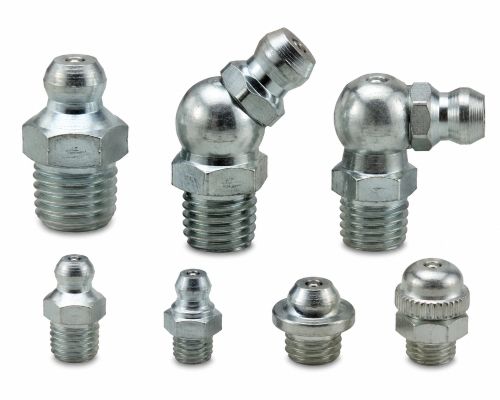
Grease fittings, commonly known as zerk fittings or grease nipples, are small mechanical components that allow grease to be injected into moving parts. Their primary purpose is to lubricate bearings, bushings, joints, and other components that experience friction during operation.
Instead of disassembling machinery for lubrication, technicians simply attach a grease gun to the fitting and pump grease directly into the lubrication point.
How Grease Fittings Work
A grease fitting contains a small spring-loaded ball check valve. When the nozzle of a grease gun is attached, pressure pushes the ball inward, allowing grease to flow into the component.
Once the grease gun is removed, the ball returns to its original position, sealing the opening. This design prevents contaminants such as dirt, moisture, and debris from entering while also stopping grease from leaking out.
Because of their simplicity and reliability, grease fittings have become a standard feature on many types of machinery.
Common Applications
Grease fittings are widely used in:
1. Automotive suspension systems
2. Steering components
3. Agricultural equipment
4. Construction machinery
5. Industrial bearings
6. Manufacturing equipment
7. Conveyor systems
8. Heavy-duty trailers
Their primary role is maintenance rather than fluid transfer.
What Are Hydraulic Fittings?
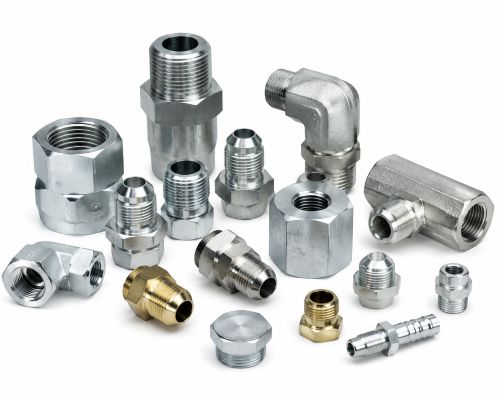
Hydraulic fittings are specialized connectors used to join hoses, tubes, pipes, valves, pumps, cylinders, and other hydraulic components. Unlike grease fittings, hydraulic fittings are designed to carry pressurized hydraulic fluid throughout a hydraulic system.
These fittings must create leak-free seals while withstanding extremely high operating pressures, vibration, and demanding environmental conditions.
How Hydraulic Fittings Work
Hydraulic systems rely on pressurized fluid to transmit power. Hydraulic fittings create secure connections between system components, allowing hydraulic oil to flow safely without leakage.
Depending on the application, hydraulic fittings use different sealing methods, including:
1. O-ring seals
2. Metal-to-metal flare seals
3. Flat-face seals
4. Compression seals
5. Bonded seals
The correct sealing method depends on system pressure, temperature, and fluid compatibility.
Common Applications
Hydraulic fittings are commonly found in:
➡️ Excavators
➡️ Cranes
➡️ Hydraulic presses
➡️ Forklifts
➡️ Mining equipment
➡️ Agricultural machinery
➡️ Oil and gas systems
➡️ Marine equipment
➡️ Aerospace applications
➡️ Manufacturing automation
Because hydraulic systems often operate under thousands of pounds per square inch (PSI), fitting quality is critical.
Grease Fittings vs. Hydraulic Fittings: Key Differences
Although both fittings connect to mechanical equipment, their functions and designs are significantly different.
1. Primary Function
The biggest difference lies in their purpose.
Grease fittings deliver lubricant to moving parts, helping reduce friction and wear.
Hydraulic fittings transport pressurized hydraulic oil between components to generate mechanical force and movement.
One supports lubrication, while the other supports power transmission.
2. Type of Fluid
Grease fittings are designed exclusively for grease.
Hydraulic fittings are designed for hydraulic oil or other approved hydraulic fluids.
Since grease and hydraulic oil have different viscosities and operating characteristics, the fittings are engineered accordingly.
3. Operating Pressure
Pressure ratings differ dramatically.
Grease fittings generally handle the pressure generated during greasing, which is temporary and localized.
Hydraulic fittings, on the other hand, are built to withstand continuous high-pressure operation. Many hydraulic systems operate between 1,500 PSI and 6,000 PSI, while specialized systems can exceed these values.
Using a grease fitting in a hydraulic system would almost certainly result in failure.
4. Design and Construction
Grease fittings have a simple design featuring:
➡️ Threaded body
➡️ Small lubrication opening
➡️ Spring-loaded ball check valve
Hydraulic fittings come in many configurations, including:
➡️ Straight fittings
➡️ Elbows
➡️ Tees
➡️ Cross fittings
➡️ Bulkhead fittings
➡️ Adapters
➡️ Banjo fittings
They are also manufactured according to industry standards such as:
➡️ JIC
➡️ SAE
➡️ BSP
➡️ NPT
➡️ Metric
➡️ ORFS
Each design addresses different sealing and installation requirements.
5. Connection Method
Grease fittings connect temporarily to a grease gun during maintenance.
Hydraulic fittings create permanent or semi-permanent connections between hydraulic components using threaded, flared, or compression connections.
Once installed correctly, hydraulic fittings remain securely sealed throughout normal operation.
6. Materials
Both types of fittings are available in durable materials, including:
➡️ Carbon steel
➡️ Stainless steel
➡️ Brass
➡️ Zinc-plated steel
Hydraulic fittings typically require stronger materials because they experience much higher pressures and mechanical loads.
For corrosive environments such as marine or chemical applications, stainless steel is often the preferred choice.
7. Sealing Mechanism
The sealing methods are entirely different.
Grease fittings rely on a ball check valve that opens only during lubrication.
Hydraulic fittings use precision sealing technologies, including:
➡️ O-rings
➡️ Metal-to-metal seals
➡️ Flat-face seals
➡️ Compression rings
➡️ Bonded seals
These sealing methods are specifically engineered to prevent leaks under high pressure.
Comparison Table: Grease Fittings vs. Hydraulic Fittings
|
Feature |
Grease Fittings |
Hydraulic Fittings |
|
Primary Purpose |
Lubrication |
Fluid transfer |
|
Fluid |
Grease |
Hydraulic oil |
|
Pressure |
Moderate |
High to very high |
|
Connection |
Grease gun |
Hydraulic hoses and tubes |
|
Seal Type |
Ball check valve |
O-ring, flare, compression, flat-face |
|
Applications |
Bearings and moving joints |
Hydraulic power systems |
|
Maintenance |
Routine lubrication |
Leak inspection and system maintenance |
Can Grease Fittings Be Used in Hydraulic Systems?
The simple answer is no.
Although the threads may appear similar in some cases, grease fittings are not designed to handle continuous hydraulic pressure or provide the sealing performance required for hydraulic systems.
Using a grease fitting in place of a hydraulic fitting can lead to:
1. Fluid leaks
2. Pressure loss
3. Component failure
4. Equipment downtime
5. Safety hazards
6. Costly repairs
Likewise, hydraulic fittings should not replace grease fittings because they cannot perform the lubrication function that grease fittings are designed for.
Always use fittings according to the manufacturer’s specifications.
How to Identify Grease Fittings and Hydraulic Fittings
If you’re unsure which fitting you’re looking at, a few visual clues can help.
Grease Fittings
1. Small rounded head
2. Ball bearing visible in the opening
3. Compact body
4. Designed for grease gun attachment
Hydraulic Fittings
1. Larger body
2. Threaded ports
3. Hexagonal wrench flats
4. Multiple sealing surfaces
5. Available in many configurations such as elbows, tees, adapters, and banjo fittings
Reading the product specifications, thread type, pressure rating, and material is the most reliable way to identify the correct fitting.
How to Choose the Right Fitting
Selecting the proper fitting starts with understanding your application.
Consider the Intended Use
If the goal is lubricating moving parts, choose a grease fitting.
If you’re transferring pressurized hydraulic fluid, use a hydraulic fitting designed for your system.
Verify Thread Compatibility
Ensure the fitting matches your equipment’s thread standard, such as BSP, NPT, JIC, SAE, and Metric.
Mixing incompatible thread types can result in leaks or damaged threads.
Check Pressure Ratings
Always select a hydraulic fitting with a pressure rating equal to or greater than your system’s maximum operating pressure.
Choose the Right Material
Material selection depends on the operating environment.
1. Carbon steel offers excellent strength and cost-effectiveness for general industrial use.
2. Stainless steel provides superior corrosion resistance for marine, food processing, and chemical applications.
3. Brass is suitable for lower-pressure systems where corrosion resistance is important.
Consider Environmental Conditions
Evaluate factors such as temperature, vibration, exposure to chemicals, moisture, and corrosion before selecting a fitting. Choosing a fitting designed for your operating conditions will improve reliability and extend service life.
Common Mistakes to Avoid
Avoid these common errors when working with grease and hydraulic fittings:
1. Assuming all threaded fittings serve the same purpose
2. Mixing grease fittings with hydraulic fittings
3. Ignoring pressure ratings
4. Using incompatible thread standards
5. Over-tightening fittings during installation
6. Neglecting routine inspections and maintenance
Proper fitting selection helps prevent leaks, downtime, and expensive repairs.
Frequently Asked Questions
Are grease fittings and hydraulic fittings interchangeable?
No. They are designed for different functions and should never be used interchangeably.
Why do grease fittings have a ball bearing?
The ball acts as a one-way valve, allowing grease to enter while preventing contaminants from entering and grease from escaping.
Can hydraulic oil be injected through a grease fitting?
No. Grease fittings are designed specifically for grease and are not suitable for continuous hydraulic fluid transfer.
Which fitting lasts longer?
Both can provide long service life when properly selected, installed, and maintained. Longevity depends on operating conditions, material quality, and maintenance practices.
Which material is best for harsh environments?
Stainless steel is generally the best choice for environments exposed to moisture, chemicals, or salt because it offers excellent corrosion resistance.
Conclusion
Although grease fittings and hydraulic fittings may look similar, they serve completely different purposes. Grease fittings are designed to deliver lubricant to moving parts, while hydraulic fittings safely transfer pressurized hydraulic fluid throughout a hydraulic system.
Choosing the correct fitting is essential for system reliability, safety, and performance. By considering the application, pressure requirements, thread compatibility, material, and operating environment, you can ensure long-lasting, leak-free operation and avoid unnecessary equipment failures. Whether you’re maintaining heavy machinery or designing a new hydraulic system, using the right fitting for the job is always the best investment.
Post time: Jul-28-2026