

Hydraulic systems depend on clean fluid to operate efficiently and reliably. Even small amounts of metal debris can cause wear inside pumps, valves, cylinders, and other components. Over time, this contamination can reduce performance and shorten equipment life.
Hydraulic magnetic plugs provide a simple way to help control one common type of contamination: ferrous metal particles. By using a built-in magnet, these plugs attract and hold iron and steel debris that may otherwise continue circulating through the hydraulic system.
But how exactly do they work, where are they used, and how do you choose the right one? This guide explains everything you need to know about hydraulic magnetic plugs.
What Are Hydraulic Magnetic Plugs?
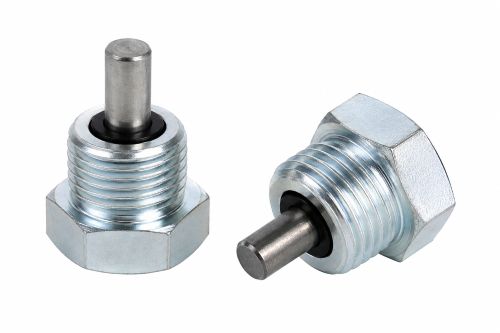
A hydraulic magnetic plug is a threaded plug with a permanent magnet built into its design. It is installed in a suitable port on hydraulic equipment, such as a reservoir, drain port, or other service location.
The main purpose of the plug is to capture ferrous metal particles from hydraulic fluid. These particles can come from normal wear of components, damaged parts, machining residue, or other sources of metallic contamination.
A typical hydraulic magnetic plug consists of:
1. A durable metal plug body
2. A permanent magnetic element
3. A threaded connection
4. A sealing surface, O-ring, or bonded seal
5. A collection area where metal particles accumulate
Unlike a standard hydraulic plug, which is primarily designed to close and seal a port, a magnetic plug also provides a basic form of contamination monitoring and control.
How Do Hydraulic Magnetic Plugs Work?
The operating principle is relatively simple. The plug uses magnetic attraction to collect ferrous particles from the hydraulic fluid.
1. Hydraulic Fluid Circulates Through the System
Hydraulic oil continuously moves through pumps, valves, hoses, cylinders, and other components during normal operation.
As these components operate, friction and wear can generate very small metal particles.
2. Metal Particles Travel With the Fluid
Some of the particles produced by component wear can become suspended in the hydraulic oil. If they are not removed, they may continue circulating throughout the system.
These particles can contribute to abrasive wear and may damage sensitive hydraulic components.
3. The Magnet Attracts Ferrous Particles
When ferrous particles come close to the magnetic element inside the plug, magnetic force attracts them to the plug’s surface.
The particles accumulate around the magnet instead of continuing through the system.
4. The Plug Is Inspected During Maintenance
During scheduled maintenance, the magnetic plug can be removed and inspected. The accumulated metal debris can then be cleaned from the magnet.
The amount and appearance of the collected material can also provide useful information about the condition of the hydraulic system.
For example, a small amount of fine metallic dust may be associated with normal wear, while a sudden increase in larger metal particles may indicate a component problem that deserves further investigation.
Main Components of a Hydraulic Magnetic Plug
Although designs vary between manufacturers, most hydraulic magnetic plugs contain several basic components.
Plug Body
The plug body provides the mechanical structure of the component. It contains the threads used to install the plug into the hydraulic port.
Common materials include carbon steel and stainless steel, depending on the application and environmental requirements.
Magnetic Element
The magnet is the most important feature that separates a magnetic plug from a conventional hydraulic plug.
It attracts ferrous materials such as iron and steel particles. Magnetic strength, size, operating temperature, and construction can vary between different plug designs.
Threaded Connection
The threaded section provides the mechanical connection between the plug and the hydraulic component.
Hydraulic magnetic plugs may be available with different thread standards, including metric, BSP, and NPT configurations. Selecting the correct thread is essential for proper installation and sealing.
Sealing Element
The sealing element helps prevent hydraulic fluid from leaking around the threaded connection.
Depending on the design, the plug may use an O-ring, bonded seal, sealing washer, or another sealing method.
What Contaminants Can Hydraulic Magnetic Plugs Capture?
Hydraulic magnetic plugs are primarily designed to capture ferrous contaminants.
These may include:
1. Iron particles
2. Steel particles
3. Ferrous wear debris
4. Small steel fragments
5. Metallic particles generated by component wear
However, conventional magnetic plugs generally do not attract non-ferrous materials such as aluminum, copper, or brass.
They also do not remove contaminants such as water, dust, or other non-metallic particles.
For this reason, a magnetic plug should not be considered a replacement for a hydraulic filter. Instead, it should be used as part of a broader contamination-control strategy.
Where Are Hydraulic Magnetic Plugs Used?
Hydraulic magnetic plugs can be used in a variety of hydraulic and industrial applications.
Common installation locations include:
1. Hydraulic reservoirs
2. Drain ports
3. Hydraulic power units
4. Gearboxes
5. Pumps
6. Valve assemblies
7. Industrial machinery
8. Mobile hydraulic equipment
They are especially useful in systems where monitoring metal wear is important.
Industries that may use magnetic plugs include construction, agriculture, manufacturing, mining, material handling, and other industries that rely heavily on hydraulic machinery.
Benefits of Hydraulic Magnetic Plugs
Hydraulic magnetic plugs are relatively simple components, but they can provide several practical benefits.
1. Helps Control Metal Contamination
The magnet captures ferrous particles before they can continue circulating through the system.
This can help reduce the amount of abrasive metallic debris present in the hydraulic fluid.
2. Supports Hydraulic Component Protection
Hydraulic pumps, valves, and other precision components can be sensitive to contamination.
By capturing ferrous particles, magnetic plugs can complement the system’s filtration and help maintain cleaner operating conditions.
3. Provides an Easy Way to Monitor Wear
One of the useful advantages of a magnetic plug is that it allows technicians to see what has accumulated on the magnet.
The collected debris can provide an early indication that additional inspection may be necessary.
4. Simple Maintenance
Most magnetic plugs can be removed, cleaned, inspected, and reinstalled during routine service.
This makes them a convenient addition to regular hydraulic maintenance procedures.
5. Cost-Effective Contamination Control
A magnetic plug is a relatively straightforward component that can provide additional contamination-control capability without requiring a complex system modification.
Hydraulic Magnetic Plugs vs. Standard Hydraulic Plugs
The main difference between the two is the magnetic element.
|
Feature |
Hydraulic Magnetic Plug |
Standard Hydraulic Plug |
|
Magnetic element |
Yes |
Usually no |
|
Captures ferrous particles |
Yes |
No |
|
Seals hydraulic ports |
Yes |
Yes |
|
Helps monitor metal wear |
Yes |
Limited |
|
Requires cleaning |
May require periodic cleaning |
Usually minimal |
|
Contamination-control function |
Additional capability |
Primarily sealing |
A standard plug may be perfectly suitable when the main requirement is simply to close a hydraulic port. A magnetic plug offers an additional benefit when ferrous contamination monitoring is important.
Types of Hydraulic Magnetic Plugs
Hydraulic magnetic plugs are available in different configurations to suit different applications.
Magnetic Drain Plugs
These plugs are designed for drain ports and fluid service points. They are particularly useful because maintenance personnel can inspect the magnet whenever hydraulic fluid is drained.
Threaded Magnetic Plugs
Threaded magnetic plugs are available in various thread configurations. The correct thread must match the hydraulic port to ensure proper installation.
Magnetic Plugs With O-Ring Seals
Some designs use an O-ring to provide reliable sealing between the plug and mating surface.
The O-ring material should be compatible with the hydraulic fluid and operating temperature.
Magnetic Plugs With Bonded Seals
Bonded seals combine a metal washer with an elastomer sealing element. They can provide effective sealing in many hydraulic applications when correctly selected and installed.
High-Strength Magnetic Plugs
Some applications require stronger magnetic performance to retain more ferrous debris. These designs may be useful in equipment where metal contamination monitoring is particularly important.
Materials Used for Hydraulic Magnetic Plugs
The material of the plug should be selected according to the operating environment.
Carbon Steel
Carbon steel is commonly used because it offers good mechanical strength and can be a cost-effective choice for many hydraulic applications.
Surface treatments or protective coatings may also be used to improve corrosion resistance.
Stainless Steel
Stainless steel provides better corrosion resistance and can be suitable for harsh or demanding environments.
It is often considered when exposure to moisture, corrosive substances, or challenging operating conditions is a concern.
Magnetic Material
The magnetic element itself must be suitable for the application’s temperature and operating conditions.
Magnetic performance can vary depending on the magnet material, size, design, and temperature exposure.
How to Choose the Right Hydraulic Magnetic Plug
Choosing the correct plug involves more than simply selecting a magnet.
1. Check the Thread Type and Size
First, identify the thread used by the hydraulic port.
Common options include metric, BSP, and NPT threads. The plug must match the required thread specification.
Never force an incompatible thread into a hydraulic port.
2. Consider Operating Pressure
The plug should be suitable for the system’s pressure requirements.
Always check the manufacturer’s pressure rating and installation specifications before selecting a product.
3. Check the Temperature Range
Hydraulic systems can operate at elevated temperatures. Both the plug material and sealing element should be suitable for the expected temperature range.
4. Select the Appropriate Material
Choose carbon steel, stainless steel, or another suitable material based on the application’s corrosion, strength, and environmental requirements.
5. Consider Magnetic Performance
Think about the type and quantity of ferrous contamination expected in the system.
A stronger or larger magnetic element may be appropriate for applications where metal debris monitoring is particularly important.
6. Choose the Correct Seal
The sealing method must be compatible with the hydraulic system.
Consider the type of seal, hydraulic fluid, temperature, pressure, and installation requirements.
7. Check Physical Dimensions
Make sure the plug has enough clearance for installation and removal. The overall length and head size should be compatible with the equipment.
How to Install a Hydraulic Magnetic Plug
Installation should always follow the manufacturer’s instructions, but the general process includes:
1. Identify the correct installation port.
2. Depressurize the hydraulic system.
3. Confirm that the plug thread matches the port.
4. Inspect the plug, magnet, threads, and sealing element.
5. Clean the mating surface.
6. Install the appropriate seal.
7. Carefully thread the plug into the port.
8. Tighten it to the manufacturer’s specified torque.
9. Operate the system according to normal procedures.
10. Check the connection for leakage.
Important: Hydraulic systems can contain high pressure even when equipment is not operating. Always follow the equipment manufacturer’s safety and maintenance procedures before removing a hydraulic plug.
Maintenance and Cleaning
Regular inspection is one of the biggest advantages of a hydraulic magnetic plug.
During scheduled maintenance, technicians can remove the plug and examine the magnet for accumulated debris.
A typical maintenance process involves:
1. Removing the plug safely
2. Inspecting the collected metal particles
3. Cleaning the magnetic surface
4. Checking the threads for damage
5. Inspecting the O-ring or sealing washer
6. Replacing damaged seals
7. Checking the plug for wear or corrosion
8. Reinstalling the plug using the correct procedure
9. Avoid damaging the magnet or sealing surfaces during cleaning.
What Does Metal Debris on a Magnetic Plug Mean?
Finding some metal particles on a magnetic plug does not automatically mean that a hydraulic component has failed.
A small quantity of fine particles can occur as part of normal component wear.
However, a significant increase in debris should not be ignored.
Large quantities of metal particles, unusually large fragments, or a sudden change in the amount of collected material may indicate accelerated wear or a developing mechanical problem.
In such situations, the magnetic plug should be treated as a useful inspection point rather than simply cleaned and forgotten. Further inspection of pumps, motors, valves, cylinders, bearings, or other relevant components may be appropriate.
Hydraulic Magnetic Plugs and Hydraulic Filtration
A common misconception is that a magnetic plug can replace a hydraulic filter. It cannot.
Magnetic plugs primarily target ferrous particles, while hydraulic filters are designed to remove a wider range of contaminants depending on their filter media and micron rating.
The two components perform different but complementary functions.
A well-maintained hydraulic system may therefore use:
1. Hydraulic filters
2. Magnetic plugs
3. Proper fluid storage and handling
4. Clean maintenance practices
5. Regular fluid inspection
6. Scheduled component maintenance
Using multiple contamination-control methods can help maintain cleaner hydraulic fluid and support reliable equipment operation.
Common Problems With Hydraulic Magnetic Plugs
Hydraulic Fluid Leakage
Leakage may result from a damaged seal, incorrect installation, damaged threads, or improper tightening.
Inspect the sealing components and verify the installation procedure.
Magnet Does Not Collect Debris
If no debris is found, it does not necessarily mean the plug is ineffective. The system may simply have little ferrous contamination, or the contaminants may be non-ferrous.
Damaged Threads
Cross-threading or excessive tightening can damage the plug or mating port.
Always ensure the thread type is correct and use the manufacturer’s recommended torque.
Excessive Metal Accumulation
An unusually large amount of metal debris may indicate component wear.
Rather than simply cleaning the plug and continuing operation, investigate the potential source of the contamination.
Best Practices for Using Hydraulic Magnetic Plugs
To get the most from a magnetic plug:
1. Choose the correct thread size and type.
2. Verify the pressure and temperature ratings.
3. Use a compatible sealing element.
4. Install the plug according to manufacturer specifications.
5. Inspect it during scheduled maintenance.
6. Clean accumulated debris regularly.
7. Pay attention to changes in the quantity and type of metal particles.
8. Replace damaged seals or plugs.
9. Use hydraulic filtration alongside magnetic plugs.
10. Investigate unusual metal accumulation promptly.
Frequently Asked Questions
What is a hydraulic magnetic plug?
A hydraulic magnetic plug is a threaded hydraulic plug with an integrated permanent magnet. It seals a hydraulic port while attracting and collecting ferrous metal particles.
How does a hydraulic magnetic plug work?
The magnet attracts ferrous particles, such as iron and steel debris, from the surrounding hydraulic fluid. The particles accumulate on the magnetic surface and can be removed during maintenance.
What does a hydraulic magnetic plug remove?
It primarily captures ferrous contaminants, including iron and steel particles. It generally does not capture aluminum, copper, brass, water, or non-metallic contaminants.
Can a hydraulic magnetic plug replace a hydraulic filter?
No. A magnetic plug and hydraulic filter perform different functions. Magnetic plugs mainly target ferrous particles, while filters can remove a broader range of contaminants.
Where are hydraulic magnetic plugs installed?
They are commonly installed in hydraulic reservoirs, drain ports, gearboxes, hydraulic power units, and other suitable service locations.
How often should a magnetic hydraulic plug be cleaned?
Cleaning should generally be performed according to the equipment manufacturer’s maintenance schedule. It is also useful to inspect the plug whenever hydraulic fluid is drained or the system undergoes scheduled service.
Can magnetic plugs capture aluminum or copper?
No. Aluminum and copper are non-ferrous metals and are generally not attracted by conventional permanent magnets.
Are hydraulic magnetic plugs reusable?
Many magnetic plugs can be reused if the plug body, magnet, threads, and sealing components remain in good condition. Damaged seals should normally be replaced before reinstallation.
Conclusion
Hydraulic magnetic plugs are simple but useful components for controlling ferrous contamination and monitoring metal wear in hydraulic systems. Their built-in magnet attracts iron and steel particles, helping prevent some metal debris from continuing to circulate through the system.
They are not a replacement for hydraulic filters, but they can work alongside filtration to provide an additional layer of contamination control. Regular inspection can also help technicians identify unusual metal accumulation before a minor issue develops into a larger equipment problem.
When selecting a hydraulic magnetic plug, consider the thread type, size, pressure rating, temperature range, material, sealing method, and magnetic performance. With the right selection and proper maintenance, a magnetic plug can contribute to cleaner hydraulic fluid and more reliable equipment operation.
Post time: Aug-19-2026