

Hydraulic systems power some of the most important machinery in modern industry—from construction equipment and agricultural machines to manufacturing lines and heavy vehicles. While these systems are designed for strength and precision, they rely heavily on proper lubrication to function efficiently. One small but essential component that makes this possible is the hydraulic lubricating fitting.
This article explains what hydraulic lubricating fittings are, how they work, their types, applications, and why they are so important for system performance and longevity.
Understanding Hydraulic Systems Basics
A hydraulic system uses pressurized fluid, usually oil to transmit power. Instead of mechanical motion like gears or belts, hydraulics rely on fluid pressure to generate force.
A typical hydraulic system includes:
1. A pump that generates pressure
2. Valves that control flow
3. Cylinders or motors that perform work
4. Hoses and pipes that transport fluid
Within this system, many components move under high pressure and friction. Without proper lubrication, these parts would wear quickly, overheat, and fail.
What Are Hydraulic Lubricating Fittings?
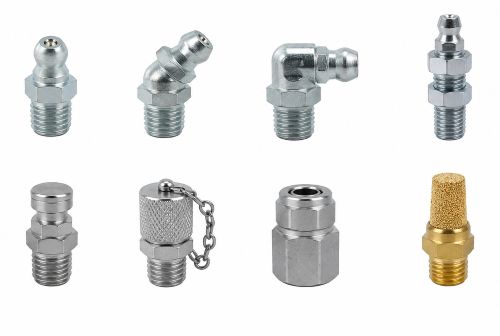
Hydraulic lubricating fittings are small mechanical connectors designed to deliver grease or lubricant into specific points of a hydraulic system.
They act as access points where lubrication equipment (like grease guns or centralized lubrication systems) can inject lubricant directly into bearings, joints, bushings, or moving hydraulic components.
Unlike standard hydraulic fittings, which carry hydraulic fluid for power transmission, lubricating fittings are specifically intended for maintenance lubrication, not system operation.
Types of Hydraulic Lubricating Fittings
There are several types of lubricating fittings used depending on application and equipment design:
1. Grease Fittings (Zerk Fittings)
The most common type, these fittings allow a grease gun to attach and inject lubricant under pressure.
2. Compression Fittings
Used to secure lubrication lines in place while maintaining a tight seal under pressure.
3. Push-In Fittings
Designed for quick installation in centralized lubrication systems.
4. Threaded Lubrication Fittings
Screw directly into machinery components for secure and durable lubrication access.
5. High-Pressure vs. Low-Pressure Fittings
A. High-pressure fittings handle heavy industrial equipment demands
B. Low-pressure fittings are used in lighter machinery or controlled lubrication systems
How Hydraulic Lubricating Fittings Work
The operation of these fittings is simple but effective:
1. A grease gun or lubrication system is connected to the fitting
2. Lubricant is pumped into the fitting under pressure
3. The fitting channels the lubricant into internal moving parts
4. Excess pressure helps distribute grease evenly across surfaces
This process ensures that friction points inside machinery remain coated and protected.
Materials and Construction
Hydraulic lubricating fittings are built to withstand harsh operating conditions. Common materials include:
1. Steel: Strong and widely used in industrial environments
2. Stainless steel: Offers excellent corrosion resistance, ideal for wet or chemical environments
3. Brass: Used in lower-pressure or less demanding applications
Many fittings also include surface treatments like zinc plating to improve durability and resist rust.
Applications of Hydraulic Lubricating Fittings
These fittings are used across many industries where hydraulic machinery operates:
1. Construction equipment (excavators, bulldozers, loaders)
2. Agricultural machinery (tractors, harvesters)
3. Manufacturing and production equipment
4. Automotive and heavy-duty trucks
5. Industrial hydraulic presses and systems
Anywhere there is repetitive motion under load, lubrication fittings play a vital role in maintenance.
Benefits of Using Proper Lubricating Fittings
Using the correct hydraulic lubricating fittings provides several advantages:
1. Reduced friction between moving parts
2. Lower wear and tear on components
3. Extended equipment lifespan
4. Improved machine efficiency
5. Reduced downtime and maintenance costs
6. Increased operational safety
In short, they help machinery run smoother and last longer.
Common Issues and Troubleshooting
Despite their simplicity, lubrication fittings can experience issues:
Blockages
Old or hardened grease can clog fittings, preventing proper lubrication.
Leakage
Worn seals or damaged fittings may allow lubricant to escape.
Incorrect Fitting Selection
Using the wrong type or size can lead to poor lubrication or system failure.
Improper Lubrication
Too much grease can damage seals, while too little leads to friction and wear.
Maintenance Best Practices
To ensure reliable performance, regular maintenance is essential:
1. Inspect fittings regularly for damage or clogging
2. Clean fittings before applying grease
3. Follow manufacturer-recommended lubrication schedules
4. Replace worn or damaged fittings immediately
5. Use the correct type of lubricant for the application
Consistent maintenance prevents costly breakdowns.
How to Choose the Right Hydraulic Lubricating Fittings
Selecting the right fitting depends on several factors:
1. Operating pressure requirements
2. Equipment type and size
3. Thread standards and compatibility
4. Environmental conditions (moisture, dust, chemicals)
5. Manufacturer specifications
Choosing correctly ensures optimal lubrication and system reliability.
Conclusion
Hydraulic lubricating fittings may be small components, but they play a crucial role in keeping heavy machinery running smoothly. By providing controlled access points for lubrication, they reduce wear, extend equipment life, and improve overall system performance.
Understanding how they work and maintaining them properly helps ensure that hydraulic systems remain reliable, efficient, and safe in demanding industrial environments.
Post time: Jul-06-2026