

Hydraulic systems rely on secure, leak-free connections to operate safely and efficiently. Among the many connection options available, weldable hydraulic fittings stand out for their strength, durability, and reliability in demanding environments. But what exactly are weldable hydraulic fittings, and when are they the right choice for your system?
This article explains what weldable hydraulic fittings are, how they work, their advantages and limitations, and the applications where they make the most sense.
What Are Weldable Hydraulic Fittings?
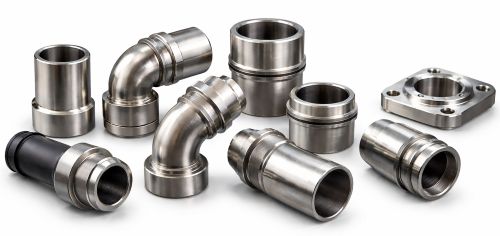
Weldable hydraulic fittings are fittings that are permanently attached to pipes or tubing through welding, rather than using threads, compression, or flanges. Once welded, the fitting becomes an integral part of the hydraulic line, creating a strong, continuous metal connection.
Unlike threaded fittings, which rely on mechanical engagement and seals, weldable fittings eliminate connection gaps and sealing points. This makes them especially valuable in systems where leak prevention, vibration resistance, and high pressure are critical.
Weldable hydraulic fittings are commonly manufactured from materials such as:
➡️ Carbon steel
➡️ Stainless steel
➡️ Alloy steel
These materials are chosen for their strength, weldability, and resistance to pressure, temperature, and corrosion.
How Weldable Hydraulic Fittings Work
Weldable hydraulic fittings work by forming a metallurgical bond between the fitting and the pipe or tube. During welding, heat melts the base materials, allowing them to fuse together as they cool. The result is a solid, permanent joint that can handle extreme mechanical and hydraulic stresses.
Common welding methods used for hydraulic fittings include:
1. TIG welding for precision and clean welds
2. MIG welding for speed and productivity
3. Orbital welding for consistent, high-quality results in critical systems
The quality of the weld directly affects system performance. Proper alignment, surface preparation, controlled heat input, and post-weld inspection are essential to ensure strength and leak resistance.
Types of Weldable Hydraulic Fittings
Weldable hydraulic fittings are available in a wide range of configurations to suit different system designs, including:
1. Weld nipples and couplings
2. Weld flanges
3. Weld elbows, tees, and reducers
4. Straight and angled fittings
5. Custom-fabricated weld fittings
These fittings can be designed for specific pipe sizes, wall thicknesses, and pressure ratings, making them highly adaptable for specialized applications.
Key Benefits of Weldable Hydraulic Fittings
Superior Strength
Welded connections are among the strongest connection types available. They can withstand high internal pressure, mechanical loads, and system shock without loosening or failing.
Excellent Leak Resistance
Because there are no threads or sealing surfaces, weldable fittings significantly reduce the risk of hydraulic leaks. This is especially important in systems handling hazardous fluids or operating in sensitive environments.
High-Pressure and High-Vibration Performance
Weldable fittings perform exceptionally well in systems exposed to constant vibration, pulsation, or pressure spikes, where threaded fittings may loosen over time.
Long Service Life
When properly installed, weldable hydraulic fittings offer a long, maintenance-free service life, making them ideal for permanent installations.
Clean, Compact Design
Welded fittings often allow for a more compact and streamlined system layout, which can be beneficial in tight spaces or custom-built equipment.
Limitations and Considerations
While weldable hydraulic fittings offer many advantages, they are not the right choice for every application.
1. Permanent installation: Once welded, fittings cannot be easily removed or reused.
2. Skilled labor required: Proper welding requires trained personnel and appropriate equipment.
3. Heat effects: Welding can introduce heat-affected zones that must be carefully managed to avoid material distortion or weakness.
4. Inspection needs: Weld quality must be verified through visual inspection, pressure testing, or non-destructive testing when required.
Understanding these limitations helps ensure weldable fittings are used appropriately.
When Should You Use Weldable Hydraulic Fittings?
Weldable hydraulic fittings are best suited for applications where strength and reliability outweigh the need for frequent disassembly. Common situations include:
➡️ High-pressure hydraulic systems
➡️ Equipment exposed to constant vibration or shock loads
➡️ Applications where leaks are unacceptable
➡️ High-temperature environments
➡️ Long-term or permanent installations
In these scenarios, the durability and leak resistance of welded connections provide a clear advantage.
Common Applications
Weldable hydraulic fittings are widely used across many industries, including:
➡️ Heavy construction equipment
➡️ Mining and drilling machinery
➡️ Industrial manufacturing systems
➡️ Power generation and energy facilities
➡️ Marine and offshore hydraulic systems
These environments demand robust hydraulic connections that can perform reliably under extreme conditions.
Weldable vs. Threaded Hydraulic Fittings
Choosing between weldable and threaded fittings depends on system requirements.
Weldable fittings offer:
1. Higher strength
2. Lower leak risk
3. Better vibration resistance
4. Long-term reliability
Threaded fittings offer:
1. Easier installation and removal
2. Faster maintenance and system modifications
3. Lower upfront labor requirements
While threaded fittings are convenient for serviceable systems, weldable fittings often provide lower lifetime costs in demanding, permanent applications.
Installation Best Practices
To maximize performance and safety, proper installation is essential:
1. Ensure material compatibility between fittings and piping
2. Clean and prepare surfaces thoroughly before welding
3. Follow approved welding procedures and industry standards
4. Control heat input to prevent distortion or cracking
5. Perform post-weld inspection and pressure testing
6. Maintain strict contamination control throughout installation
Adhering to best practices helps ensure long-term system reliability.
Maintenance and Inspection
Although weldable fittings require less maintenance than mechanical connections, regular inspection is still important:
1. Check for visible cracks, corrosion, or discoloration
2. Monitor for signs of fatigue in high-stress areas
3. Conduct periodic pressure testing where applicable
4. Address any issues immediately to prevent system failure
Preventive inspection helps extend system life and avoid costly downtime.
Choosing the Right Weldable Hydraulic Fittings
When selecting weldable hydraulic fittings, consider:
1. Operating pressure and temperature
2. Environmental exposure (corrosion, moisture, chemicals)
3. Applicable industry standards and certifications
4. System layout and space constraints
5. Working with an experienced hydraulic supplier
Expert guidance ensures the fittings you choose meet both performance and safety requirements.
Conclusion
Weldable hydraulic fittings provide unmatched strength, leak resistance, and durability for demanding hydraulic applications. While they require skilled installation and are not designed for frequent removal, their long-term reliability makes them an excellent choice for high-pressure, high-vibration, and permanent systems.
Understanding when and where to use weldable hydraulic fittings helps engineers, technicians, and operators design safer, more efficient hydraulic systems that perform reliably over time.
If you’re evaluating connection options for a demanding hydraulic application, weldable fittings are often the solution when performance and reliability matter most.
Post time: Feb-04-2026