

Hydraulic systems rely on precision, durability, and efficiency to function effectively. At the heart of these systems are fittings that control the direction and flow of fluids. Among them, branch tee hydraulic fittings play a crucial role in splitting or combining flow within pipelines.
When selecting the right fitting, one common question arises: should you choose an equal or unequal branch tee hydraulic fitting? Understanding the differences between these two options can significantly impact your system’s performance, safety, and overall cost.
In this guide, we’ll break down everything you need to know about equal vs unequal branch tee hydraulic fittings so you can make the best decision for your application.
What Is a Branch Tee Hydraulic Fitting?
A branch tee hydraulic fitting is a three-port connector used to either distribute fluid from one line into two directions or combine flow from multiple lines into one. Its “T” shape makes it ideal for systems where fluid needs to be redirected without disrupting pressure or flow efficiency.
These fittings are widely used in:
1. Hydraulic systems
2. Plumbing and piping networks
3. Oil and gas applications
4. Industrial machinery
Branch tee fittings generally come in two main types: equal branch tees and unequal branch tees, each designed for specific system requirements.
What Is an Equal Branch Tee Hydraulic Fitting?
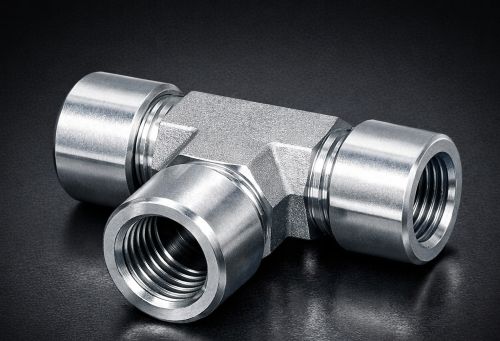
An equal branch tee hydraulic fitting features three ports of the same diameter, creating a symmetrical design that ensures uniform flow distribution.
Key Features
1. Equal port sizes
2. Balanced and symmetrical structure
3. Easy integration into standard systems
Advantages
One of the biggest benefits of equal tee fittings is their ability to maintain consistent pressure and flow across all outlets. This makes them ideal for systems that require uniform fluid distribution.
They also simplify system design. Since all ports are the same size, engineers and installers can easily plan layouts without worrying about flow variations or pressure drops caused by size differences.
Additionally, equal branch tees are typically more cost-effective and widely available, making them a practical choice for many standard applications.
Common Applications
1. General hydraulic systems
2. Water distribution networks
3. HVAC systems
4. Basic industrial piping setups
What Is an Unequal Branch Tee Hydraulic Fitting?
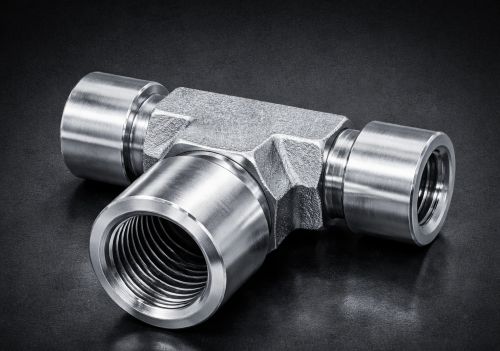
An unequal branch tee hydraulic fitting, as the name suggests, has one branch with a different diameter than the main line. This asymmetrical design allows for more flexibility in controlling fluid flow.
Key Features
1. Different port sizes (main line vs branch)
2. Designed for flow variation
3. Supports customized system layouts
Advantages
Unequal branch tee fittings are essential when your system requires different flow rates or pressure levels in separate lines. For example, you may need to divert a smaller portion of fluid to a secondary process while maintaining full flow in the main pipeline.
These fittings offer greater design flexibility, allowing engineers to optimize system performance based on specific operational needs. They are particularly useful in complex systems where precision and control are critical.
Common Applications
1. Industrial hydraulic systems
2. Oil and gas pipelines
3. Heavy machinery and manufacturing systems
4. Applications requiring flow control or reduction
Key Differences Between Equal and Unequal Branch Tee Fittings
Understanding the differences between these two fittings is key to making the right choice.
1. Size and Design
➡️ Equal Tee: All three ports are the same size
➡️ Unequal Tee: One port differs in size from the others
2. Flow Distribution
➡️ Equal Tee: Provides balanced, uniform flow
➡️ Unequal Tee: Allows controlled or reduced flow in one branch
3. System Complexity
➡️ Equal Tee: Ideal for simple, straightforward systems
➡️ Unequal Tee: Designed for more complex or customized setups
4. Application Suitability
➡️ Equal Tee: Best for general-purpose use
➡️ Unequal Tee: Suitable for specialized applications requiring flow variation
5. Cost Considerations
➡️ Equal Tee: Typically more affordable and readily available
➡️ Unequal Tee: May cost more due to specialized design and usage
How to Choose the Right Tee Fitting
Selecting the right branch tee hydraulic fitting depends on several important factors:
1. Flow Requirements
If your system requires equal distribution of fluid, an equal tee is the best option. However, if you need to control or reduce flow in one direction, an unequal tee is more suitable.
2. System Design
Evaluate the complexity of your hydraulic system. Simple layouts benefit from equal tees, while more intricate systems often require unequal tees for better performance optimization.
3. Pressure Ratings
Always ensure the fitting can handle your system’s pressure levels. Using the wrong fitting can lead to leaks, failures, or safety hazards.
4. Material Selection
Choose materials based on your operating environment:
➡️ Stainless steel for corrosion resistance
➡️ Brass for general applications
➡️ Carbon steel for high-strength requirements
5. Compatibility with Standards
Make sure the fitting matches your system’s standards, such as BSP, NPT, JIC, ORFS, or metric connections.
Installation and Maintenance Tips
Proper installation and maintenance are essential for maximizing the lifespan and performance of your hydraulic fittings.
1. Always verify the correct size and type before installation
2. Use appropriate sealing methods, such as thread sealants or O-rings
3. Avoid over-tightening, which can damage threads and cause leaks
4. Conduct regular inspections for wear, corrosion, or leakage
5. Follow manufacturer guidelines for installation and maintenance
Common Mistakes to Avoid
Even experienced professionals can make errors when selecting or installing tee fittings. Here are some common mistakes to watch out for:
1. Choosing the wrong fitting size or type
2. Ignoring pressure and temperature ratings
3. Mixing incompatible thread standards
4. Poor installation techniques
5. Failing to inspect fittings regularly
6. Avoiding these mistakes can save time, reduce costs, and prevent system failures.
Benefits of Using the Right Tee Fitting
Choosing the correct branch tee hydraulic fitting offers several key advantages:
1. Improved efficiency: Ensures optimal fluid flow throughout the system
2. Enhanced safety: Reduces the risk of leaks and pressure failures
3. Better performance: Maintains consistent and reliable operation
4. Cost savings: Minimizes maintenance and replacement expenses over time
Frequently Asked Questions
What is the main difference between equal and unequal tee fittings?
Equal tee fittings have the same diameter across all ports, while unequal tee fittings have one branch with a different size.
When should I use an unequal branch tee?
Use an unequal tee when you need to control or vary the flow in one branch of your system.
Are unequal tee fittings more expensive?
Yes, they are often slightly more expensive due to their specialized design and application.
Can I replace an equal tee with an unequal tee?
In some cases, yes, but only if the system design and flow requirements support the change.
What materials are best for hydraulic tee fittings?
It depends on the application. Stainless steel is ideal for corrosion resistance, while carbon steel is better for high-pressure environments.
Conclusion
Both equal and unequal branch tee hydraulic fittings serve essential roles in fluid systems, but they are designed for different purposes.
1. Equal branch tees are ideal for simple systems that require balanced flow and easy installation.
2. Unequal branch tees provide the flexibility needed for complex systems where flow control and customization are critical.
By understanding their differences and evaluating your system’s specific requirements, you can select the right fitting to ensure efficiency, safety, and long-term performance.
Post time: Mar-31-2026