

Hydraulic systems power some of the world’s most demanding industrial equipment, from construction machinery and agricultural tractors to manufacturing equipment and mining vehicles. While pumps, cylinders, and hoses often receive the most attention, hydraulic lubrication fittings play an equally important role in ensuring these systems operate smoothly and efficiently.
The right lubrication fitting helps deliver grease or oil precisely where it’s needed, reducing friction, preventing premature wear, and extending the service life of moving components. Choosing the correct fitting can improve equipment reliability, minimize downtime, and lower maintenance costs.
This guide explains the different types of hydraulic lubrication fittings, their materials, thread standards, applications, installation tips, and maintenance best practices to help you select the right solution for your hydraulic system.
What Are Hydraulic Lubrication Fittings?
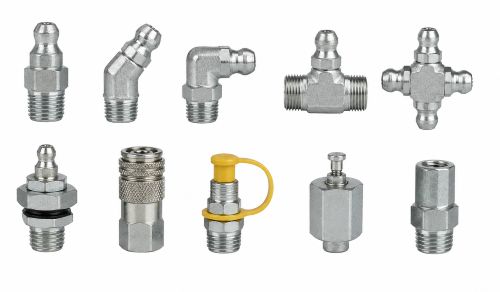
Hydraulic lubrication fittings are small connectors designed to allow grease or lubricating oil to be injected into bearings, bushings, joints, and other moving parts within hydraulic and mechanical systems. They create a secure connection between lubrication equipment, such as grease guns or automatic lubrication systems, and the machine.
These fittings help ensure lubricant reaches internal components under pressure while preventing contamination and leakage.
How They Work
A lubrication fitting contains a small check valve that opens when pressure is applied from a grease gun or lubrication system. Once the lubricant is delivered, the valve automatically closes, preventing dirt, moisture, and contaminants from entering the system.
Why Hydraulic Lubrication Fittings Are Important
Using the correct hydraulic lubrication fitting provides several operational benefits:
1. Reduces friction between moving components
2. Minimizes wear and tear
3. Extends machinery lifespan
4. Improves equipment efficiency
5. Reduces maintenance costs
6. Prevents unexpected equipment failures
7. Supports safer machine operation
8. Enhances lubrication consistency
Proper lubrication is one of the simplest yet most effective ways to maximize hydraulic system performance.
Main Types of Hydraulic Lubrication Fittings
Different machines require different fitting designs depending on available space, lubrication access, and operating conditions.
1. Straight Hydraulic Lubrication Fittings
Straight fittings are the most common type. They allow lubricant to flow directly into the lubrication point without changing direction.
Advantages:
➡️ Simple installation
➡️ Cost-effective
➡️ Reliable sealing
➡️ Easy maintenance
Common Applications:
➡️ Industrial machinery
➡️ Electric motors
➡️ Bearings
➡️ Manufacturing equipment
2. 45-Degree Hydraulic Lubrication Fittings
These fittings angle the grease fitting at 45 degrees, making lubrication easier when access is partially restricted.
Benefits:
➡️ Improved accessibility
➡️ Reduced maintenance time
➡️ Better grease gun alignment
Typical Applications:
➡️ Automotive equipment
➡️ Agricultural machinery
➡️ Compact hydraulic assemblies
3. 90-Degree Hydraulic Lubrication Fittings
A 90-degree fitting allows lubrication in tight spaces where a straight fitting cannot be reached.
Advantages:
➡️ Ideal for confined spaces
➡️ Easier servicing
➡️ Prevents awkward grease gun positioning
Common Uses:
➡️ Construction machinery
➡️ Hydraulic cylinders
➡️ Industrial presses
➡️ Heavy equipment
4. Button Head Lubrication Fittings
Button head fittings feature a larger head designed for high-volume grease delivery and heavy-duty lubrication.
Best For:
➡️ Mining equipment
➡️ Excavators
➡️ Steel mills
➡️ Large construction machinery
Benefits:
➡️ High grease capacity
➡️ Excellent durability
➡️ Suitable for high-pressure lubrication
5. Flush-Type Lubrication Fittings
Flush fittings sit nearly level with the equipment surface, reducing the risk of accidental damage.
Advantages:
➡️ Space-saving design
➡️ Better protection
➡️ Reduced snagging risk
Applications:
➡️ Mobile equipment
➡️ Manufacturing machinery
➡️ High-clearance installations
6. Drive-Type Lubrication Fittings
Drive-type fittings are pressed into place instead of threaded.
Features:
➡️ Permanent installation
➡️ Fast replacement
➡️ Secure fit
Typical Applications:
➡️ Production equipment
➡️ Industrial machinery
➡️ OEM manufacturing
7. Threaded Hydraulic Lubrication Fittings
Threaded fittings are the industry standard because they offer secure installation and easy replacement.
Common thread standards include:
Metric Threads
➡️ Common throughout Europe and Asia
➡️ Widely used on imported machinery
➡️ Suitable for DIN and ISO equipment
BSP (British Standard Pipe)
➡️ Frequently used in Europe, Australia, and many international hydraulic systems
➡️ Excellent sealing performance
NPT (National Pipe Thread)
➡️ Common in North America
➡️ Tapered thread design
➡️ Reliable pressure sealing
➡️ Popular in hydraulic systems requiring fine threads
➡️ Common in automotive and industrial equipment
8. Push-to-Connect Lubrication Fittings
These fittings allow quick installation without complicated tools.
Advantages:
➡️ Fast assembly
➡️ Reduced downtime
➡️ Easy maintenance
Applications:
➡️ Automated lubrication systems
➡️ Pneumatic equipment
➡️ Modern manufacturing lines
Hydraulic Lubrication Fittings by Material
Material selection directly affects durability, corrosion resistance, and operating life.
Steel
Steel fittings provide excellent strength and are widely used in high-pressure hydraulic systems.
Best for:
➡️ Heavy machinery
➡️ Industrial equipment
➡️ High-load applications
Stainless Steel
Stainless steel offers outstanding corrosion resistance.
Ideal industries:
➡️ Marine
➡️ Food processing
➡️ Chemical plants
➡️ Pharmaceutical manufacturing
Brass
Brass fittings resist corrosion while remaining easy to machine.
Suitable for:
➡️ Moderate-pressure systems
➡️ Water-based lubrication
➡️ Indoor industrial applications
Zinc-Plated Steel
These fittings combine steel strength with a protective zinc coating.
Benefits include:
➡️ Improved corrosion resistance
➡️ Cost-effective performance
➡️ Long service life
Hydraulic Lubrication Fittings by Thread Standard
Choosing the correct thread standard ensures leak-free operation and compatibility.
|
Thread Standard |
Common Regions |
Typical Applications |
|
Metric |
Europe, Asia |
Industrial machinery |
|
BSP |
Europe, Australia |
Hydraulic equipment |
|
NPT |
North America |
Hydraulic and pneumatic systems |
|
UNF |
Global |
Automotive and precision hydraulics |
Always verify thread size and standard before installation to avoid leaks or thread damage.
Common Applications of Hydraulic Lubrication Fittings
Hydraulic lubrication fittings are used across many industries.
Manufacturing
1. CNC machines
2. Conveyor systems
3. Industrial presses
Agriculture
1. Tractors
2. Harvesters
3. Balers
4. Seeders
Construction
1. Excavators
2. Bulldozers
3. Cranes
4. Loaders
Mining
1. Drilling equipment
2. Haul trucks
3. Crushers
4. Conveyors
Automotive
1. Suspension components
2. Steering systems
3. Service equipment
Marine
1. Winches
2. Hydraulic steering
3. Deck machinery
Industrial Automation
1. Robotic systems
2. Automated production lines
3. Material handling equipment
How to Choose the Right Hydraulic Lubrication Fitting
Selecting the proper fitting involves evaluating several factors.
1. Operating Pressure
Ensure the fitting is rated for your system’s maximum working pressure.
2. Thread Compatibility
Choose the correct thread type and size to prevent leakage and installation issues.
3. Lubricant Compatibility
Verify that the fitting material is compatible with the grease or oil being used.
4. Environmental Conditions
Consider exposure to:
➡️ Moisture
➡️ Chemicals
➡️ Saltwater
➡️ Dust
➡️ Extreme temperatures
5. Material Selection
Choose steel, stainless steel, brass, or zinc-plated steel based on the application.
6. Industry Standards
Ensure compliance with applicable DIN, ISO, SAE, or manufacturer specifications.
7. Maintenance Accessibility
Select a fitting style that technicians can easily access during routine maintenance.
Installation Best Practices
Proper installation improves sealing performance and extends fitting life.
1. Clean threads before installation.
2. Remove dirt and old grease.
3. Use the correct installation torque.
4. Avoid overtightening.
5. Ensure proper alignment.
6. Check for leaks after installation.
7. Protect fittings from contamination.
Common Problems and Troubleshooting
1. Grease Leakage
Possible causes:
➡️ Loose fittings
➡️ Damaged seals
➡️ Incorrect thread type
➡️ Overpressure
Solutions:
➡️ Tighten the fitting to the recommended torque.
➡️ Replace damaged components.
➡️ Confirm thread compatibility.
➡️ Inspect system pressure.
2. Blocked Fittings
Causes:
➡️ Hardened grease
➡️ Dirt contamination
➡️ Internal blockage
Solutions:
➡️ Clean the fitting.
➡️ Replace blocked fittings.
➡️ Use clean, compatible lubricants.
3. Corrosion
Exposure to moisture and chemicals can shorten fitting life.
Prevention:
➡️ Use stainless steel where corrosion is a concern.
➡️ Apply protective coatings when appropriate.
➡️ Perform regular inspections.
4. Thread Damage
Cross-threading or overtightening can damage fittings and connected components.
Solution:
Replace damaged fittings and use proper installation techniques to prevent recurrence.
Maintenance Tips for Longer Service Life
Routine maintenance helps prevent costly equipment failures.
1. Inspect fittings regularly.
2. Remove accumulated dirt and debris.
3. Replace worn or damaged fittings promptly.
4. Follow manufacturer-recommended lubrication intervals.
5. Use high-quality lubricants.
6. Store replacement fittings in a clean, dry environment.
7. Maintain records of lubrication schedules for critical equipment.
Industry Standards and Certifications
Hydraulic lubrication fittings are commonly manufactured to internationally recognized standards.
1. DIN – Common for metric hydraulic components.
2. ISO – Ensures global compatibility and quality.
3. SAE – Widely used in North American hydraulic systems.
4. Manufacturer Specifications – Always follow equipment-specific requirements for optimal performance.
Using fittings that comply with recognized standards helps improve compatibility, safety, and long-term reliability.
Frequently Asked Questions
What are hydraulic lubrication fittings?
Hydraulic lubrication fittings are connectors that allow grease or lubricating oil to be safely delivered into moving mechanical components while preventing contamination.
What is the difference between hydraulic fittings and lubrication fittings?
Hydraulic fittings connect hoses and tubes to carry hydraulic fluid under pressure, while lubrication fittings provide access points for grease or oil used to lubricate moving parts.
Which material is best for hydraulic lubrication fittings?
The ideal material depends on the application. Steel is preferred for heavy-duty use, stainless steel for corrosive environments, brass for moderate-pressure systems, and zinc-plated steel for general industrial applications.
How often should lubrication fittings be replaced?
Replace fittings whenever they become damaged, blocked, corroded, or begin leaking. Regular inspections during preventive maintenance help identify issues early.
Can hydraulic lubrication fittings handle high pressure?
Yes. Many fittings are designed for high-pressure lubrication systems, but they must be selected according to the equipment manufacturer’s pressure requirements.
Which thread standard should I choose?
Use the thread standard specified by your equipment manufacturer. Common options include Metric, BSP, NPT, and UNF.
Conclusion
Hydraulic lubrication fittings are small components with a significant impact on the reliability and performance of hydraulic and mechanical systems. By selecting the appropriate fitting type, material, and thread standard, you can improve lubrication efficiency, reduce equipment wear, minimize downtime, and extend the service life of your machinery.
Whether you’re maintaining industrial equipment, agricultural machinery, construction vehicles, or automated production systems, investing in the right hydraulic lubrication fittings, and installing and maintaining them correctly will help ensure safe, efficient, and long-lasting operation.
Post time: Jul-09-2026