

Tube reducer fittings are essential components in hydraulic, pneumatic, and industrial fluid systems. They allow tubes with different diameters to connect securely, helping engineers design flexible piping layouts without replacing an entire tubing system. From industrial machinery to hydraulic equipment, these fittings make it easier to accommodate different connection sizes while maintaining reliable fluid transfer.
However, choosing the right tube reducer fitting involves more than matching two tube diameters. Connection types, pressure ratings, materials, sealing methods, and operating conditions all affect performance.
In this guide, we’ll explore what tube reducer fittings are, how they work, the different types available, their common applications, and how to choose the right option for your system.
What Are Tube Reducer Fittings?
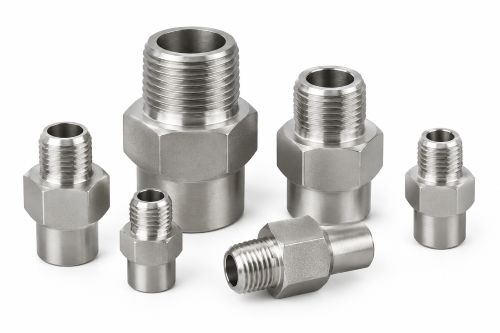
Tube reducer fittings are mechanical connectors designed to join tubes with different diameters. They provide a transition between a larger tube and a smaller one, allowing different sections of a fluid system to work together.
For example, a hydraulic system may use a larger tube near the main supply line and a smaller tube to connect to a particular valve, instrument, or piece of equipment. A suitable tube reducer fitting makes this transition possible without requiring a complete redesign of the tubing arrangement.
Depending on their design, tube reducer fittings may use compression connections, threaded ends, or other connection mechanisms. Some are designed specifically for hydraulic applications, while others are intended for pneumatic systems, instrumentation, or general industrial fluid handling.
It’s important to remember that reducing the tube diameter can affect fluid velocity and pressure losses. Therefore, the fitting should be selected according to the system’s flow requirements and operating conditions, not just its physical dimensions.
How Do Tube Reducer Fittings Work?
Tube reducer fittings work by providing a compatible connection between two tubes of different sizes. Their internal passages and connection ends are designed to accommodate the specified tube dimensions.
Although the exact mechanism varies by fitting type, the basic process is similar.
First, the larger and smaller tubes are prepared according to the manufacturer’s installation instructions. Each tube is then inserted or connected to the appropriate end of the fitting. Depending on the design, a threaded connection, compression nut, ferrule, O-ring, or other sealing arrangement secures the connection.
Once installed correctly, the fitting holds the tubes in place and provides a continuous fluid passage between them.
In hydraulic systems, the fitting must withstand the expected pressure, temperature, vibration, and fluid exposure. A connection that fits physically but uses incompatible threads or sealing surfaces may leak or fail under pressure.
For this reason, always verify tube dimensions, connection specifications, pressure ratings, and installation requirements before putting a system into operation.
Common Types of Tube Reducer Fittings
Tube reducer fittings come in several configurations. The most suitable type depends on the tube material, connection method, operating pressure, and space available for installation.
Straight Tube Reducer Fittings
Straight tube reducer fittings connect tubes of different diameters along the same axis. They are useful when a system needs to transition from a larger tube to a smaller one without changing the direction of the flow path.
These fittings are commonly used in hydraulic circuits, industrial fluid lines, and equipment connections where a straight configuration simplifies installation.
When selecting a straight reducer, check both tube-end dimensions and the fitting’s internal passage. A smaller passage may increase fluid velocity and contribute to pressure loss, depending on the flow rate and system design.
Reducing Union Fittings
Reducing union fittings connect two separate tube sections of different sizes. Their union-style construction can make them useful when assembling or maintaining tubing systems.
Depending on the design, both ends may use compression connections, allowing each tube to be secured independently. This can be helpful when connecting existing tubing to equipment with a different tube size.
Reducing unions are often found in industrial machinery, instrumentation systems, and fluid handling installations.
Before choosing one, confirm that the fitting supports both tube sizes and that its connection system is compatible with the tubing material and operating conditions.
Tube Reducer Adapters
Tube reducer adapters combine a size transition with a particular connection configuration. For example, an adapter may connect a tube end to a threaded port or accommodate different connection styles on opposite ends.
These fittings are useful when connecting tubing to valves, pumps, manifolds, or other equipment with different connection requirements.
However, not every adapter is designed to reduce tube diameter. Some adapters change only the connection type or thread size. Buyers should therefore check the product drawing and dimensional specifications rather than relying on the product name alone.
Compression Tube Reducer Fittings
Compression tube reducer fittings use a mechanical compression mechanism to secure tubing and establish a seal. Many designs use a nut and ferrule, although the exact construction depends on the fitting system.
During installation, tightening the nut causes the ferrule to grip the tube and form the intended sealing connection. Correct assembly is important because improper tightening or unsuitable tubing can result in leakage, tube damage, or an unreliable connection.
These fittings are commonly used in instrumentation, process equipment, pneumatic systems, and certain hydraulic applications.
For higher-pressure service, select a fitting specifically rated for the application and follow the manufacturer’s tube preparation and assembly instructions.
Hydraulic Tube Reducer Fittings
Hydraulic tube reducer fittings are designed for fluid power systems where pressure resistance, secure connections, and dependable sealing are essential.
They may be manufactured from carbon steel, stainless steel, or other materials appropriate for the application. Available connection styles vary and may include metric, inch-based, compression, or threaded configurations.
These fittings are used in construction machinery, agricultural equipment, industrial production lines, and mobile hydraulic systems.
When selecting hydraulic tube reducer fittings, pay particular attention to maximum working pressure, temperature limits, connection compatibility, vibration resistance, and the hydraulic fluid being used.
Never assume that a fitting is suitable for high-pressure service simply because it is made of steel. Its complete design and rated performance must meet the system’s requirements.
Metric and Inch Tube Reducer Fittings
Tube reducer fittings are available for both metric and inch-based tubing systems.
Metric tubing is specified using millimeters, while inch-based tubing is commonly specified in inches. Although some dimensions may appear similar, the systems are not automatically interchangeable.
A mismatch can prevent proper assembly or compromise the connection’s sealing performance. Thread standards also need to be checked separately because tube diameter alone does not determine thread compatibility.
When ordering replacement fittings or designing a new system, confirm the exact tube outside diameters, thread specifications, sealing method, and applicable connection standard.
Common Materials Used in Tube Reducer Fittings
Material selection affects fitting strength, corrosion resistance, service life, and overall cost. The right choice depends on the fluid, operating environment, pressure requirements, and maintenance conditions.
Carbon Steel
Carbon steel tube reducer fittings are widely used in industrial and hydraulic applications because of their strength and practical cost.
They are suitable for many general-purpose systems, particularly when the material and surface treatment provide adequate protection against corrosion. Zinc plating and other protective finishes may be available, depending on the product.
Carbon steel is a practical option for machinery and hydraulic equipment operating in environments where its corrosion resistance is sufficient.
Stainless Steel
Stainless steel tube reducer fittings are often selected for applications that require improved corrosion resistance.
They can be useful in chemical processing, marine environments, food-related equipment, and other applications where moisture or corrosive substances are a concern. Actual suitability depends on the stainless steel grade and the specific operating environment.
Although stainless steel can offer advantages in demanding environments, it may cost more than carbon steel. Compatibility with the fluid, temperature, and other connected materials should also be considered.
Brass
Brass tube reducer fittings are used in selected pneumatic, instrumentation, and general fluid handling applications.
They offer useful corrosion resistance in many environments and are often chosen for applications where their mechanical properties and compatibility are appropriate. However, brass is not suitable for every hydraulic pressure or chemical exposure condition.
Always verify the manufacturer’s specifications before using brass fittings in a pressurized system.
Key Applications of Tube Reducer Fittings
Tube reducer fittings are used wherever a system needs to connect tubing of different sizes. Their specific role varies by industry.
Hydraulic machinery: Hydraulic equipment may require different tube diameters to connect pumps, valves, cylinders, manifolds, and other components. Reducer fittings help accommodate these connection requirements while maintaining a suitable fluid path.
Pneumatic systems: In compressed-air installations, reducers connect different tube sizes used for air distribution, actuators, and control equipment. Correct sizing helps support the required airflow.
Industrial fluid transfer: Manufacturing facilities often transport water, oils, coolants, and other process fluids through tubing systems. Reducer fittings provide transitions between compatible tube sizes.
Agricultural and construction equipment: Mobile machinery may contain hydraulic circuits with different tube dimensions. Properly selected reducers help connect components within the available installation space.
Instrumentation and process control: Instrumentation systems frequently use small-diameter tubing and specialized connections. Reducer fittings can help connect different tube sizes when the fitting design meets the application’s measurement and pressure requirements.
Industrial automation: Automated equipment may combine pneumatic actuators, fluid control components, and instrumentation. Suitable reducer fittings simplify tubing layouts and equipment integration.
Across these applications, the key is to match the fitting to the actual operating conditions rather than choosing a product based on size alone.
Main Benefits of Tube Reducer Fittings
Tube reducer fittings offer several practical advantages in fluid systems.
Connecting Different Tube Sizes
Their primary benefit is straightforward: they allow tubing with different diameters to connect within a compatible system. This is particularly useful when equipment has different port or tube requirements.
Greater Design Flexibility
Reducers give engineers more options when designing or modifying tubing layouts. They can help accommodate existing equipment, replacement components, and changes in system configuration.
Simpler Installation and Maintenance
Using an appropriate reducer can avoid the need to replace longer sections of tubing simply because the connected components have different sizes. In systems designed for serviceability, this can make certain repairs and modifications more convenient.
Reliable Mechanical Connections
When properly selected and installed, tube reducer fittings provide secure connections between compatible tubes. Correct fitting design, assembly, and sealing help reduce leakage risks.
Multiple Material and Connection Options
Available materials, sizes, and connection styles make it possible to select fittings for different operating environments. Buyers can choose according to corrosion exposure, pressure requirements, tube dimensions, and equipment interfaces.
Better Integration with Existing Equipment
In retrofit projects, the original equipment and replacement components may not use the same tube sizes. A compatible reducer can provide a practical transition without requiring every connected component to be replaced.
It’s worth noting that a reducer does not automatically improve system efficiency. Its performance depends on correct sizing and the overall fluid system design.
How to Choose the Right Tube Reducer Fittings
Choosing the correct fitting helps protect system reliability and simplifies installation. Before placing an order, consider the following factors.
Check Tube Sizes and Dimensions
Start by confirming the outside diameter of each tube to be connected. Check the fitting’s specified dimensions and verify that both ends match the intended tubing.
Tube wall thickness and material may also matter, particularly in compression systems where the fitting is designed for a defined tube specification.
Avoid selecting a fitting based only on visual similarity. Small dimensional differences can affect assembly and sealing.
Identify the Connection Types
Determine whether the application requires compression connections, threaded ends, or another connection style.
For threaded fittings, verify the thread standard, size, and gender. Also confirm how the connection seals. Some threads are designed to form a seal at the threads, while others require a separate O-ring, bonded seal, or mating sealing surface.
A thread that can be physically engaged is not necessarily compatible with the connection.
Consider Operating Pressure and Temperature
The fitting must meet the system’s maximum working pressure and temperature requirements.
Check the manufacturer’s rated limits for the complete fitting and connection assembly. Pressure capability can vary with material, size, connection type, temperature, and installation conditions.
For hydraulic systems, consider pressure spikes and vibration as well as normal operating pressure. Never exceed the specified working limits.
Select the Appropriate Material
Choose a material that suits the fluid and operating environment.
Carbon steel may be appropriate for many general hydraulic applications, while stainless steel can be advantageous in corrosive environments. Brass may suit certain pneumatic and instrumentation applications.
Consider the material of the connected tubes and equipment as well. Compatibility helps reduce corrosion risks and supports reliable long-term service.
Evaluate Sealing Requirements
Different reducer fittings use different sealing mechanisms. Some rely on ferrules, others on O-rings or specific mating surfaces.
Make sure the fitting, tube, and sealing components are designed to work together. Inspect sealing surfaces for damage and use only the seals and assembly methods specified by the manufacturer.
Check Quality and Applicable Standards
Reliable fittings should have clear dimensional specifications and documented performance limits.
Depending on the application, relevant industry standards may define connection geometry, materials, testing, or other requirements. Verify that the product complies with the standards specified for your equipment.
For large orders, ask the supplier about inspection procedures, material documentation, traceability, and quality control.
Consider the Supplier’s Customization Capabilities
For OEMs, equipment manufacturers, and distributors, product availability and manufacturing flexibility can be just as important as the fitting’s design.
A capable supplier may offer different materials, surface treatments, thread configurations, custom dimensions, or OEM/ODM services. Confirm that any custom product will meet the required specifications and validation procedures.
Common Installation Mistakes to Avoid
Even a well-made tube reducer fitting can perform poorly if it is installed incorrectly. These are some common mistakes to watch for.
1. Choosing the wrong size: A fitting that does not match the tube dimensions may fail to seal correctly.
2. Mixing incompatible threads: Similar-looking thread types may have different profiles or sealing methods.
3. Incorrect tube preparation: Poorly cut, burred, scratched, or damaged tubing can compromise the connection.
4. Over-tightening the fitting: Excessive tightening may damage threads, ferrules, seals, or tubing.
5. Under-tightening the connection: Insufficient tightening can lead to leakage or inadequate tube retention.
6. Ignoring pressure ratings: A fitting that is unsuitable for the system’s pressure may fail during operation.
7. Reusing components improperly: Some ferrules and seals are not intended for reuse. Follow the manufacturer’s instructions.
8. Skipping post-installation checks: Connections should be inspected and tested using the appropriate procedure before the equipment enters service.
For hydraulic equipment, never search for a leak with your hands while the system is pressurized. High-pressure fluid can penetrate the skin and cause severe injury. Depressurize the system before inspecting or servicing connections, following the equipment manufacturer’s safety procedures.
Tube Reducer Fittings vs. Other Reducer Components
Tube reducer fittings are sometimes confused with pipe reducers and reducer bushings. Although all can accommodate changes in connection size, their designs and applications differ.
|
Component |
Main Function |
Typical Consideration |
|
Tube reducer fitting |
Connects tubes of different diameters |
Must match tube dimensions and connection style |
|
Pipe reducer |
Changes the diameter of a piping run |
Selected according to pipe dimensions and system design |
|
Reducer bushing |
Adapts a larger threaded opening to a smaller threaded connection |
Requires compatible thread types and sealing arrangements |
|
Reducing union |
Joins two separate tubes of different sizes |
Must match both tube ends and the union’s connection system |
|
Tube adapter |
Connects tubing to another connection type or port |
May change the connection style, size, or both, depending on design |
The best choice depends on whether the system uses tubing or pipe, the connection type, and the required size transition.
For example, a compression tube reducer is generally appropriate for a compatible compression-tubing system, while a threaded reducer bushing is intended for compatible threaded ports. These components should not be treated as interchangeable.
Maintenance Tips for Tube Reducer Fittings
Routine inspection can help identify problems before they lead to equipment downtime.
Inspect for leakage. Check connections for visible fluid leakage or other signs of seal failure. Follow the correct safety procedure before investigating any suspected leak.
Look for corrosion and damage. Examine fitting bodies, threads, tube ends, and accessible sealing areas for corrosion, cracks, deformation, or other damage.
Check for movement or vibration. Excessive vibration and tube movement can place additional stress on connections. Ensure that tubing is properly supported according to the system design.
Replace worn components. Replace damaged fittings and seals with compatible parts that meet the original requirements. Do not assume that a visually similar component has the same pressure rating.
Follow manufacturer recommendations. Use the specified assembly tools, tightening procedures, inspection intervals, and replacement guidelines.
Keep the system clean. Dirt and debris entering a hydraulic or instrumentation system can damage sensitive components. Keep open connections protected during maintenance and installation.
The frequency of inspection depends on the operating environment, system criticality, vibration, and manufacturer recommendations.
Why Choose a Reliable Tube Reducer Fittings Manufacturer?
For industrial buyers and equipment manufacturers, choosing the right supplier is an important part of sourcing tube reducer fittings.
A reliable manufacturer should provide accurate dimensions, consistent production quality, and clear technical information. These details help engineers verify compatibility before installation and reduce the risk of ordering unsuitable components.
Material availability is another consideration. Depending on the application, buyers may require carbon steel, stainless steel, brass, or specific protective surface treatments.
OEM and ODM capabilities can also be valuable when standard fittings do not meet a project’s requirements. Customization may include particular dimensions, connection configurations, markings, or other agreed specifications.
Before choosing a supplier, consider:
1. Manufacturing experience: Look for experience with the relevant fitting types and applications.
2. Technical documentation: Confirm that dimensions, materials, connection details, and pressure ratings are clearly specified.
3. Quality control: Ask about inspection procedures and applicable quality certifications.
4. Customization options: Check whether the manufacturer can support required OEM/ODM specifications.
5. Production and delivery: Confirm minimum order quantities, lead times, and shipping arrangements.
6. Technical support: Choose a supplier that can help clarify product specifications and compatibility questions.
For buyers sourcing tube reducer fittings from China, comparing suppliers on these factors can help identify a suitable long-term manufacturing partner rather than focusing on unit price alone.
Frequently Asked Questions About Tube Reducer Fittings
What are tube reducer fittings used for?
Tube reducer fittings connect tubes with different diameters in hydraulic, pneumatic, instrumentation, and industrial fluid systems. They help accommodate different tube sizes while maintaining a compatible mechanical connection.
How do tube reducer fittings work?
They provide connection ends designed for different tube sizes. Depending on the design, compression components, threads, O-rings, or other sealing features secure the connection and maintain the intended fluid passage.
What is the difference between tube reducer fittings and pipe reducers?
Tube reducer fittings are designed for tubing connections and may use compression or specialized tube-end connections. Pipe reducers change pipe diameter and are designed for the relevant piping system. The correct choice depends on the connection design and dimensional standards.
Can tube reducer fittings connect different tube diameters?
Yes. That is their primary purpose. However, the fitting must be specifically designed for the two tube sizes involved, and the connection types must be compatible.
Which materials are best for tube reducer fittings?
Carbon steel is commonly used in general hydraulic applications, stainless steel is often selected for improved corrosion resistance, and brass is suitable for certain pneumatic and instrumentation applications. The best material depends on pressure, fluid compatibility, temperature, and the operating environment.
How do I choose the correct tube reducer fitting size?
Measure or verify the outside diameter of both tubes and check the manufacturer’s specifications. Confirm the connection type, thread standard where applicable, and pressure rating before ordering.
Can tube reducer fittings be used in high-pressure hydraulic systems?
Yes, provided the specific fitting and its connections are rated for the system’s operating conditions. Verify the manufacturer’s working-pressure limits and installation requirements rather than assuming all reducer fittings are suitable for high-pressure service.
How can I prevent leaks in tube reducer fittings?
Use the correct fitting size, compatible tubing, and the specified sealing components. Prepare the tube properly, follow the manufacturer’s tightening procedure, and inspect the assembled connection using an appropriate safety-compliant test procedure.
Conclusion
Tube reducer fittings play an important role in connecting tubes of different sizes across hydraulic, pneumatic, and industrial fluid systems. Their different designs, materials, and connection options make them useful for new installations, equipment modifications, and routine maintenance.
Choosing the right fitting requires careful attention to tube dimensions, connection types, material compatibility, sealing methods, and operating pressure. Proper installation and regular inspection are equally important for reliable performance.
For equipment manufacturers, distributors, and industrial buyers, working with an experienced tube reducer fittings manufacturer can simplify sourcing and help ensure that the selected components meet the project’s technical requirements.
Post time: Oct-28-2026