

Hydraulic systems are the backbone of countless industrial and mechanical operations, powering everything from heavy construction equipment to precision manufacturing machinery. At the heart of these systems lies a network of components that ensure fluid flows efficiently and safely. Among these components, threaded branch tee fittings play a crucial yet often overlooked role.
Threaded branch tee fittings are essential for connecting and distributing fluid within hydraulic systems. Their ability to create reliable junctions between multiple lines makes them indispensable in modern hydraulic engineering. This article explores their function, importance, applications, and best practices for selection and maintenance.
What Are Threaded Branch Tee Fittings?
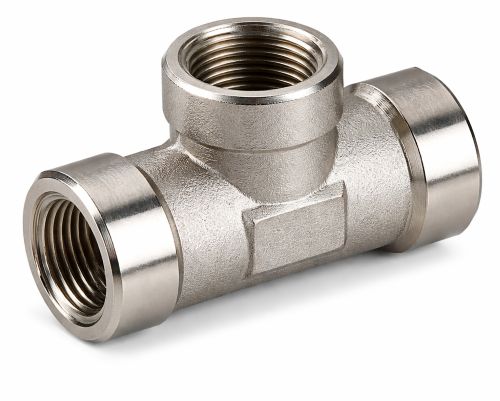
A threaded branch tee fitting is a type of hydraulic connector designed to join three sections of pipe or tubing. It features a T-shaped configuration, with one main run and a perpendicular branch outlet.
The term “threaded” refers to the internal or external threads that allow the fitting to be screwed into pipes or other components. This design ensures a secure and leak-resistant connection without the need for welding.
Key Characteristics:
1. T-shaped design for three-way connections
2. Threaded ends for easy installation
3. Available in various materials such as carbon steel, stainless steel, and brass
4. Compatible with different thread standards, including NPT, BSP, and metric
These fittings are widely used due to their versatility and adaptability in hydraulic systems.
Key Functions in Hydraulic Systems
Threaded branch tee fittings serve several critical functions that contribute to the efficiency and reliability of hydraulic systems.
1. Fluid Distribution
They allow hydraulic fluid to split into multiple directions, enabling complex system operations.
2. Connection Point
These fittings connect three separate lines, forming an essential junction in the system.
3. System Expansion
Engineers can easily add new branches to existing systems without extensive redesign.
4. Pressure Management
Designed to withstand high pressures, they help maintain system integrity under demanding conditions.
Importance in Hydraulic Engineering
In hydraulic engineering, flexibility and reliability are key. Threaded branch tee fittings contribute significantly to both.
Design Flexibility
They enable engineers to design systems with multiple flow paths, making it easier to adapt to different operational requirements.
Efficient Space Utilization
Their compact design allows for efficient routing in tight or confined spaces.
Ease of Maintenance
Threaded connections can be disassembled and reassembled, simplifying repairs and modifications.
System Reliability
When properly installed, these fittings provide strong, leak-free connections that enhance overall system performance.
Common Applications
Threaded branch tee hydraulic fittings are used across a wide range of industries:
1. Construction Equipment: Excavators, loaders, and cranes
2. Industrial Machinery: Presses, injection molding machines, and conveyors
3. Oil and Gas: Pipeline systems and fluid transfer operations
4. Agriculture: Tractors and harvesting equipment
5. Manufacturing: Automated production lines and robotics
Their versatility makes them a standard component in virtually any hydraulic setup.
Advantages of Threaded Branch Tee Fittings
1. Easy Installation
Because threaded connections don’t require welding, they save labor costs and installation time.
2. Cost-Effective
They are generally more affordable than permanent connection methods.
3. Reusability
These fittings can be removed and reused, making them ideal for systems that require frequent adjustments.
4. Reliable Sealing
With proper sealing techniques, they provide leak-proof performance even under high pressure.
5. Wide Compatibility
Available in various sizes and standards, they can be used in diverse hydraulic systems.
Design Considerations
Selecting the right threaded branch tee fitting is critical for optimal performance.
Pressure Rating
Ensure the fitting can handle the system’s maximum operating pressure.
Material Selection
Choose materials compatible with the hydraulic fluid and environmental conditions.
Thread Type
Match the thread standard (NPT, BSP, or metric) with the system requirements to avoid leaks or damage.
Size and Flow Capacity
Proper sizing ensures efficient fluid flow and prevents pressure drops.
Environmental Factors
Consider exposure to extreme temperatures, corrosion, or vibration when selecting fittings.
Installation Best Practices
To guarantee longevity and performance, proper installation is crucial:
1. Use thread sealants such as PTFE tape or liquid sealant
2. Apply the correct torque to avoid over-tightening
3. Ensure proper alignment before tightening
4. Avoid cross-threading, which can damage the fitting
5. Conduct a pressure test after installation
Following these steps helps prevent leaks and extends the lifespan of the fitting.
Common Challenges and Solutions
Leakage
➡️ Cause: Improper sealing or incorrect thread type
➡️ Solution: Use appropriate sealant and ensure compatibility
Thread Damage
➡️ Cause: Over-tightening or repeated use
➡️ Solution: Inspect regularly and replace worn fittings
Corrosion
➡️ Cause: Harsh environments or incompatible materials
➡️ Solution: Use corrosion-resistant materials like stainless steel
Vibration Loosening
➡️ Cause: High vibration environments
➡️ Solution: Use locking mechanisms or secure mounting
Maintenance and Inspection
Routine maintenance is essential for ensuring the long-term performance of threaded branch tee fittings.
Regular Inspections
Check for leaks, cracks, and signs of wear.
Thread Integrity
Inspect threads for damage or deformation.
Cleaning
Remove debris and contaminants that could affect performance.
Replacement
Replace fittings that show significant wear or corrosion.
Preventive maintenance not only extends the life of the fittings but also improves overall system safety.
Frequently Asked Questions (FAQs)
1. What is a threaded branch tee hydraulic fitting?
A threaded branch tee hydraulic fitting is a T-shaped connector used to join three sections of pipe or tubing in a hydraulic system. It features threaded ends that allow for secure, leak-resistant connections without welding.
2. What is the difference between a tee fitting and a branch tee fitting?
A standard tee fitting typically has three openings of the same size, while a branch tee fitting may have a different-sized outlet on the branch. This allows for more flexibility in controlling fluid flow and adapting to system requirements.
3. What materials are commonly used for threaded branch tee fittings?
Common materials include carbon steel, stainless steel, and brass. The choice depends on factors such as pressure requirements, fluid type, and environmental conditions like corrosion or temperature.
4. How do you install a threaded branch tee hydraulic fitting?
Installation involves applying a thread sealant (such as PTFE tape), aligning the fitting properly, and tightening it to the recommended torque. Cross-threading and over-tightening should be avoided.
5. Are threaded branch tee fittings suitable for high-pressure systems?
Yes, they are designed to handle high-pressure environments, provided they are properly rated for the application and installed correctly. Always check the pressure rating before use.
6. How can I prevent leaks in threaded branch tee fittings?
To prevent leaks:
➡️ Use proper thread sealants
➡️ Ensure thread compatibility (e.g., NPT vs BSP)
➡️ Tighten to the correct torque
➡️ Inspect fittings regularly for wear or damage
7. Can threaded branch tee fittings be reused?
Yes, they can often be reused if they are in good condition. However, threads should be inspected carefully for wear or damage before reinstallation to ensure a secure seal.
Conclusion
Threaded branch tee fittings play a vital role in hydraulic engineering by enabling efficient fluid distribution, flexible system design, and reliable connections. Their ease of installation, cost-effectiveness, and adaptability make them a preferred choice across various industries.
By selecting the right fitting, following proper installation practices, and maintaining them regularly, engineers and technicians can ensure optimal system performance and longevity. As hydraulic technology continues to advance, these fittings will remain a fundamental component in building efficient and reliable systems.
Post time: Apr-07-2026