

Hydraulic systems power machinery used in construction, agriculture, manufacturing, mining, and many other industries. To keep these systems running efficiently, maintaining the correct hydraulic pressure is essential. Pressure loss can signal problems such as worn pumps, leaking valves, clogged filters, or damaged hoses, making early detection crucial.
Hydraulic test port adapters provide a safe and convenient way to connect pressure gauges and diagnostic tools without disrupting the hydraulic system. They enable quick, accurate pressure testing, helping technicians troubleshoot issues, perform preventive maintenance, and reduce downtime.
In this guide, you’ll learn what hydraulic test port adapters are, how they work, the different types available, their common applications, and how to choose the right one for your hydraulic system.
What Are Hydraulic Test Port Adapters?
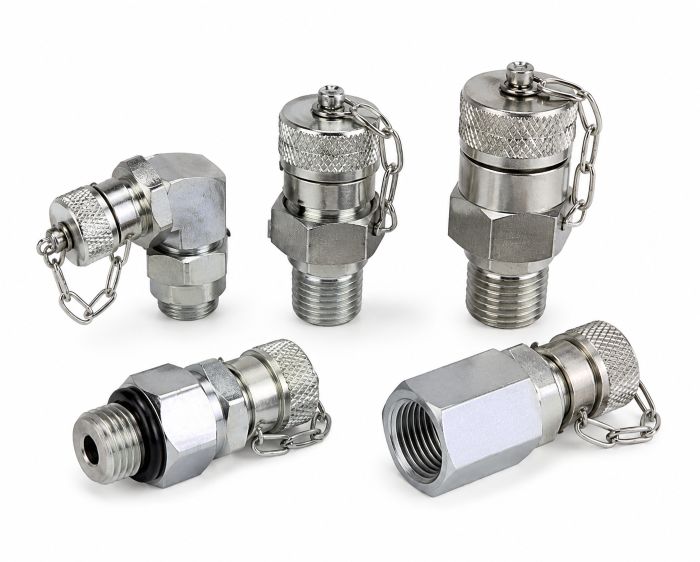
Hydraulic test port adapters are specialized fittings that allow technicians to connect pressure testing equipment directly to a hydraulic system. They create an accessible testing point where pressure gauges, diagnostic tools, or electronic sensors can be attached without dismantling hydraulic lines.
Unlike standard hydraulic fittings that permanently connect hoses or tubes, test port adapters are designed specifically for inspection and diagnostics. They enable maintenance personnel to monitor system pressure quickly and safely while the machine remains operational.
These adapters are commonly installed on pumps, valves, cylinders, manifolds, filters, and hydraulic power units. Depending on the application, they may serve as permanent diagnostic ports or be temporarily installed during maintenance and testing.
Because hydraulic systems often operate at pressures ranging from several hundred to several thousand PSI, accurate pressure measurement is essential. Test port adapters make this possible while minimizing the risk of fluid leaks and system contamination.
How Do Hydraulic Test Port Adapters Work?
The operation of a hydraulic test port adapter is simple but highly effective.
A test port adapter is threaded into a designated hydraulic port within the system. Many models include an internal spring-loaded check valve that remains closed during normal operation, preventing hydraulic fluid from escaping.
When a compatible pressure gauge or diagnostic hose is connected, the testing equipment depresses the check valve, allowing hydraulic pressure to flow directly to the measuring device. Once the equipment is disconnected, the valve automatically closes, sealing the system and preventing fluid leakage.
This design allows technicians to:
1. Measure operating pressure
2. Monitor pressure fluctuations
3. Diagnose system faults
4. Verify pump performance
5. Test hydraulic components without opening the system
Since the hydraulic circuit remains sealed during testing, maintenance becomes both safer and more efficient.
Main Components of a Hydraulic Test Port Adapter
Although designs vary depending on the manufacturer and application, most hydraulic test port adapters consist of several essential components.
Adapter Body
The adapter body forms the main structure of the fitting. It is typically manufactured from carbon steel, stainless steel, or brass, depending on the required pressure rating and operating environment.
Threaded Connection
The threaded end secures the adapter to the hydraulic component. Different thread standards are available to match regional and equipment-specific requirements.
Common thread types include:
➡️ BSPP
➡️ BSPT
➡️ NPT
➡️ Metric
➡️ SAE
➡️ ORB
➡️ JIC-compatible configurations
Choosing the correct thread ensures a secure, leak-free installation.
Internal Check Valve
Many hydraulic test port adapters feature a built-in check valve that remains closed until a pressure testing hose or gauge is connected. This allows pressure readings to be taken without losing hydraulic fluid.
Sealing System
Depending on the design, adapters may use:
➡️ O-rings
➡️ Bonded seals
➡️ Metal-to-metal sealing surfaces
A reliable seal prevents leaks even under high operating pressures.
Protective Dust Cap
Most test ports include a protective cap that shields the connection from dirt, moisture, and contaminants when not in use. Keeping the port clean helps ensure accurate pressure readings and extends the service life of the hydraulic system.
Why Hydraulic Test Port Adapters Are Important
Hydraulic systems rely on precise pressure to perform correctly. When pressure deviates from the manufacturer’s specifications, machine performance suffers, components wear more quickly, and failures become increasingly likely.
Hydraulic test port adapters make routine pressure testing simple, enabling technicians to identify issues before they become major problems.
Improve System Diagnostics
Pressure is one of the most important indicators of hydraulic system health. Regular pressure testing helps maintenance teams detect faults that may not be visible during a routine inspection.
Using a hydraulic test port adapter, technicians can:
1. Identify pressure loss caused by internal leakage
2. Verify pump performance
3. Check pressure relief valve settings
4. Monitor cylinder operation
5. Detect clogged filters
6. Evaluate hydraulic efficiency
Instead of replacing parts based on guesswork, maintenance teams can rely on accurate pressure data to pinpoint the root cause of problems.
Reduce Equipment Downtime
Unexpected equipment failures can be extremely expensive. Every hour of downtime may delay production, increase labor costs, and disrupt project schedules.
Hydraulic test port adapters reduce maintenance time by allowing technicians to connect diagnostic tools within seconds. Since pressure testing can often be performed without dismantling hydraulic lines, repairs are completed faster and equipment returns to service sooner.
Routine pressure monitoring also helps identify developing issues before they lead to catastrophic failures.
Enhance Workplace Safety
Working with high-pressure hydraulic systems always involves potential risks. Disconnecting hoses or opening pressurized circuits can expose technicians to hydraulic fluid injection injuries, leaks, and equipment damage.
Test port adapters improve safety by providing a controlled connection point for diagnostic equipment. Their sealed design minimizes hydraulic fluid exposure while reducing the chance of accidental leaks during pressure testing.
This not only protects maintenance personnel but also helps keep the work environment cleaner and safer.
Support Preventive Maintenance
Preventive maintenance focuses on identifying small issues before they become major repairs. Hydraulic test port adapters play a key role in this process by making routine pressure checks quick and convenient.
Regular pressure testing helps maintenance teams:
1. Monitor system performance over time
2. Detect gradual component wear
3. Schedule repairs before failures occur
4. Extend equipment lifespan
5. Improve machine reliability
By incorporating hydraulic pressure testing into a preventive maintenance program, businesses can reduce repair costs and maximize equipment uptime.
Common Types of Hydraulic Test Port Adapters
Hydraulic systems vary widely in design, operating pressure, and available installation space. Because of these differences, no single test port adapter is suitable for every application. Manufacturers offer several configurations, each designed to solve specific installation or maintenance challenges.
Understanding the different types of hydraulic test port adapters can help you choose the right fitting for your equipment, ensuring safe pressure testing and reliable system performance.
1. Straight Test Port Adapters
Straight test port adapters are the most commonly used type in hydraulic systems. As the name suggests, they provide a direct, inline connection between the hydraulic component and the testing equipment.
Their simple design minimizes flow restrictions and makes installation straightforward. They are often found on hydraulic pumps, manifolds, cylinders, and valves where there is enough space for easy access.
Advantages:
1. Simple and cost-effective design
2. Easy to install and replace
3. Reliable sealing performance
4. Ideal for routine pressure testing
5. Suitable for permanent or temporary installations
Typical Applications:
1. Hydraulic power units
2. Industrial machinery
3. Manufacturing equipment
4. Agricultural machinery
5. Construction equipment
For systems with easily accessible ports, straight adapters are often the preferred choice because they combine reliability with simplicity.
2. 90-Degree Test Port Adapters
In many hydraulic systems, available space is limited. Components may be mounted close together, making it difficult to connect pressure gauges or diagnostic hoses.
A 90-degree test port adapter solves this problem by redirecting the connection at a right angle. This makes it easier to attach testing equipment while reducing stress on hoses and fittings.
These adapters are especially useful in compact hydraulic assemblies where straight fittings would interfere with surrounding components.
Advantages:
1. Excellent for confined spaces
2. Easier hose routing
3. Improved accessibility
4. Reduces hose bending
5. Helps prevent hose damage
Common Applications:
1. Mobile hydraulic equipment
2. Compact machinery
3. Excavators
4. Wheel loaders
5. Hydraulic control blocks
3. Tee Test Port Adapters
Tee test port adapters provide three connection points instead of two. This design allows hydraulic fluid to continue flowing through the main line while creating an additional branch for pressure monitoring.
Unlike temporary testing ports, tee adapters are frequently installed as permanent diagnostic points, allowing maintenance teams to monitor system pressure whenever needed.
Because the testing connection remains available at all times, technicians can perform inspections quickly without modifying the hydraulic circuit.
Advantages:
1. Continuous pressure monitoring
2. Permanent testing location
3. Minimal disruption during maintenance
4. Improved troubleshooting efficiency
Typical Applications:
1. Industrial hydraulic systems
2. Hydraulic power units
3. Manufacturing plants
4. Process equipment
5. Automated production lines
4. Quick Connect Test Port Adapters
Speed is often critical during maintenance, especially when servicing large fleets of hydraulic equipment. Quick connect test port adapters allow technicians to attach and remove pressure testing equipment in seconds without using specialized tools.
Many quick-connect designs include automatic shut-off valves that prevent hydraulic fluid from escaping when disconnected.
These adapters are widely used by field service technicians who perform routine inspections across multiple machines.
Advantages:
1. Fast connection and removal
2. Reduced maintenance time
3. Minimal hydraulic fluid loss
4. Increased workplace safety
5. Convenient for frequent testing
Common Applications:
1. Heavy equipment maintenance
2. Field service operations
3. Fleet management
4. Rental equipment
5. Agricultural machinery
5. Thread Conversion Test Port Adapters
Hydraulic equipment manufactured in different countries often uses different thread standards. This can create compatibility issues when replacing components or connecting diagnostic equipment.
Thread conversion adapters eliminate this problem by allowing two different thread types to connect securely.
Some of the most common conversions include:
➡️ BSPP to NPT
➡️ BSP to SAE
➡️ Metric to BSP
➡️ Metric to NPT
➡️ SAE to Metric
➡️ ORB to BSP
These adapters make it possible to use existing testing equipment across a wide variety of hydraulic systems without replacing expensive gauges or hoses.
Advantages:
➡️ Eliminates thread compatibility issues
➡️ Supports international equipment
➡️ Reduces inventory requirements
➡️ Cost-effective solution
➡️ Simplifies maintenance
Choosing the Right Adapter Configuration
Selecting the proper adapter depends on more than just thread size. Consider the working environment, available installation space, maintenance frequency, and system layout.
As a general guideline:
1. Straight adapters are ideal for standard installations with easy access.
2. 90-degree adapters work best where space is limited.
3. Tee adapters are suitable for permanent pressure monitoring.
4. Quick connect adapters are ideal for frequent maintenance and field service.
5. Thread conversion adapters solve compatibility issues between different hydraulic standards.
Choosing the correct configuration not only improves testing accuracy but also makes maintenance faster and safer.
Common Thread Standards Used in Test Port Adapters
One of the most important considerations when selecting a hydraulic test port adapter is thread compatibility. Even if two fittings appear similar, using the wrong thread type can result in leaks, damaged components, or unsafe operating conditions.
Hydraulic systems around the world use different thread standards based on regional preferences and equipment manufacturers. Understanding these standards helps ensure a secure, leak-free connection.
1. BSPP (British Standard Pipe Parallel)
BSPP threads feature parallel threads and typically rely on an O-ring, bonded seal, or sealing washer rather than the threads themselves to create a leak-free connection.
BSPP fittings are widely used in:
➡️ Europe
➡️ Australia
➡️ Asia
➡️ Industrial hydraulic systems
➡️ Mobile hydraulic equipment
Their reliable sealing performance makes them one of the most common thread standards in hydraulic applications.
2. BSPT (British Standard Pipe Taper)
Unlike BSPP, BSPT threads are tapered. The seal is created as the threads tighten together, producing a secure mechanical connection.
BSPT threads are commonly found in:
➡️ Hydraulic installations
➡️ Pneumatic systems
➡️ Water systems
➡️ Industrial process equipment
Proper thread sealant or PTFE tape is often required to achieve a reliable seal.
3. NPT (National Pipe Thread)
NPT threads are the standard pipe thread used throughout North America. Like BSPT, they use tapered threads to form the seal.
They are commonly used in:
➡️ Construction equipment
➡️ Industrial machinery
➡️ Hydraulic power units
➡️ Agricultural equipment
➡️ Oil and gas applications
Although BSPT and NPT threads may appear similar, they are not interchangeable due to differences in thread angle and pitch.
4. Metric Threads
Metric hydraulic threads are widely used in equipment manufactured according to DIN and ISO standards.
These threads are especially common in:
1. European machinery
2. Mobile hydraulics
3. Industrial automation
4. Manufacturing equipment
5. Agricultural machines
Metric fittings often use O-rings or soft seals to provide reliable, leak-free performance under high pressure.
5. SAE Threads
SAE thread standards are widely used in North American hydraulic systems and many OEM machines.
Common SAE thread types include:
1. SAE O-Ring Boss (ORB)
2. JIC 37° flare connections
3. SAE straight threads
These fittings are designed to withstand high operating pressures while providing dependable sealing performance.
6. Test Point Standards
Many hydraulic diagnostic systems use dedicated test point standards, such as the widely recognized Minimess® style connectors and other ISO-compliant diagnostic ports.
These specialized test points are designed specifically for:
➡️ Pressure gauges
➡️ Diagnostic hoses
➡️ Electronic pressure sensors
➡️ Condition monitoring equipment
Using compatible test equipment ensures accurate readings while protecting the integrity of the hydraulic system.
Materials Used in Hydraulic Test Port Adapters
The material of a hydraulic test port adapter plays a significant role in its performance, durability, and service life. Since hydraulic systems often operate under high pressure and in demanding environments, the adapter must be able to withstand mechanical stress, corrosion, temperature fluctuations, and exposure to various hydraulic fluids.
Choosing the right material helps ensure reliable pressure testing, reduces maintenance requirements, and extends the lifespan of the hydraulic system.
1. Carbon Steel
Carbon steel is the most commonly used material for hydraulic test port adapters. It offers an excellent balance of strength, durability, and affordability, making it suitable for a wide range of industrial and mobile hydraulic applications.
To improve corrosion resistance, carbon steel adapters are often treated with protective surface finishes such as zinc plating or zinc-nickel coating.
Benefits of Carbon Steel:
➡️ High mechanical strength
➡️ Excellent pressure resistance
➡️ Cost-effective solution
➡️ Suitable for heavy-duty applications
➡️ Widely available in various thread standards
Common Applications:
Carbon steel test port adapters are frequently used in:
1. Construction equipment
2. Agricultural machinery
3. Manufacturing plants
4. Hydraulic power units
5. Mining equipment
6. Material handling systems
For general-purpose hydraulic systems, carbon steel remains one of the most practical and economical choices.
2. Stainless Steel
Stainless steel is preferred in environments where corrosion resistance is critical. Unlike carbon steel, it naturally resists rust, moisture, chemicals, and saltwater, making it ideal for harsh operating conditions.
Although stainless steel adapters are typically more expensive, their longer service life often makes them a cost-effective investment.
Benefits of Stainless Steel:
1. Outstanding corrosion resistance
2. Excellent durability
3. High pressure capability
4. Long service life
5. Low maintenance requirements
Common Applications:
Stainless steel test port adapters are widely used in:
1. Marine hydraulic systems
2. Offshore equipment
3. Chemical processing plants
4. Food and beverage manufacturing
5. Pharmaceutical facilities
6. Outdoor hydraulic installations
For applications exposed to moisture or corrosive substances, stainless steel offers superior long-term reliability.
3. Brass
Brass test port adapters are commonly used in lower-pressure hydraulic and pneumatic systems. While brass does not provide the same strength as steel, it offers excellent corrosion resistance and is easy to machine.
Its non-sparking properties also make it suitable for certain specialized environments.
Benefits of Brass:
1. Good corrosion resistance
2. Easy to machine
3. Lightweight
4. Suitable for low-pressure systems
5. Attractive appearance
Common Applications:
Brass adapters are often found in:
1. Pneumatic equipment
2. Instrumentation systems
3. Low-pressure hydraulic circuits
4. Laboratory equipment
5. Light industrial applications
Brass is generally not recommended for heavy-duty hydraulic systems operating at extremely high pressures.
Protective Surface Finishes
In addition to selecting the right base material, manufacturers often apply protective coatings to improve corrosion resistance and extend the service life of hydraulic test port adapters.
1. Zinc Plating
Zinc plating is one of the most widely used surface treatments for carbon steel adapters.
Advantages include:
➡️ Improved corrosion resistance
➡️ Lower maintenance requirements
➡️ Cost-effective protection
➡️ Attractive finish
2. Zinc-Nickel Coating
Zinc-nickel coatings provide significantly greater corrosion resistance than standard zinc plating.
These coatings are commonly used in industries where hydraulic components are exposed to severe weather or corrosive environments.
Benefits include:
1. Superior rust protection
2. Longer service life
3. Better resistance to road salts and chemicals
4. Excellent durability
3. Black Oxide Finish
Black oxide coatings provide mild corrosion protection while reducing glare and improving appearance.
They are commonly used for indoor industrial applications where maximum corrosion resistance is not required.
4. Passivation
Stainless steel adapters often undergo passivation, a chemical treatment that removes surface contaminants and enhances the material’s natural corrosion resistance.
Passivation helps maintain the integrity of stainless steel, particularly in demanding environments.
Applications of Hydraulic Test Port Adapters
Hydraulic test port adapters are used in virtually every industry that relies on hydraulic power. Their ability to provide quick, safe, and accurate pressure measurements makes them indispensable for equipment maintenance, troubleshooting, and performance monitoring.
Whether installed permanently or used during routine inspections, these adapters help technicians keep hydraulic systems operating efficiently.
Construction Equipment
Construction machinery operates under demanding conditions, often in dusty, muddy, or rugged environments. Hydraulic systems power critical functions such as lifting, digging, steering, and braking, making regular pressure testing essential.
Test port adapters are commonly used on:
➡️ Excavators
➡️ Bulldozers
➡️ Wheel loaders
➡️ Backhoes
➡️ Skid steer loaders
➡️ Cranes
Routine pressure monitoring helps identify worn pumps, leaking cylinders, faulty control valves, and other issues before they result in equipment failure.
Agricultural Machinery
Modern farming equipment relies heavily on hydraulic systems to improve productivity and reduce manual labor.
Hydraulic test port adapters help technicians maintain:
➡️ Tractors
➡️ Harvesters
➡️ Balers
➡️ Sprayers
➡️ Seeders
➡️ Front-end loaders
Regular pressure checks ensure hydraulic implements operate smoothly during planting, harvesting, and other seasonal tasks, minimizing downtime when equipment availability is most critical.
Manufacturing Equipment
Hydraulic systems play a key role in industrial manufacturing, powering machines that require precise force and movement.
Common equipment includes:
1. Hydraulic presses
2. CNC machines
3. Injection molding machines
4. Metal forming equipment
5. Automated production lines
By monitoring hydraulic pressure, manufacturers can maintain consistent product quality while preventing unexpected production interruptions.
Mining Equipment
Mining operations place extreme demands on hydraulic systems due to heavy loads, abrasive materials, and continuous operation.
Hydraulic test port adapters are frequently used on:
➡️ Drilling rigs
➡️ Crushers
➡️ Loaders
➡️ Haul trucks
➡️ Underground mining equipment
Pressure testing helps maintenance teams identify wear before it leads to costly equipment failures in remote or difficult-to-access locations.
Marine Hydraulic Systems
Marine environments expose hydraulic components to constant moisture and saltwater, increasing the risk of corrosion.
Hydraulic test port adapters are used in systems such as:
➡️ Hydraulic steering
➡️ Deck cranes
➡️ Winches
➡️ Hatch covers
➡️ Stabilizers
Stainless steel adapters are commonly selected for these applications because they provide excellent corrosion resistance and long-term reliability.
Mobile Hydraulic Equipment
Many mobile machines rely on hydraulic power for lifting, steering, braking, and material handling.
Examples include:
1. Forklifts
2. Utility trucks
3. Aerial work platforms
4. Telehandlers
5. Mobile cranes
Quick pressure testing allows maintenance personnel to diagnose problems efficiently without removing major hydraulic components.
Industrial Hydraulic Power Units
Hydraulic power units (HPUs) supply pressurized fluid to a wide range of industrial equipment.
Test port adapters installed on HPUs allow technicians to monitor:
1. Pump output pressure
2. System operating pressure
3. Filter performance
4. Relief valve settings
5. Overall hydraulic efficiency
Permanent diagnostic ports make routine inspections faster and support predictive maintenance programs.
How to Choose the Right Hydraulic Test Port Adapter
Selecting the correct hydraulic test port adapter is essential for obtaining accurate pressure readings, maintaining system safety, and preventing leaks. While many adapters may appear similar, differences in thread type, pressure rating, material, and sealing method can significantly affect performance.
Before purchasing a test port adapter, consider the following factors.
Verify the Thread Type
The first step is to identify the thread standard used by your hydraulic equipment. Using an incompatible thread can damage components, create leaks, or produce inaccurate pressure readings.
Some of the most common thread standards include:
1. BSPP (British Standard Pipe Parallel)
2. BSPT (British Standard Pipe Taper)
3. NPT (National Pipe Thread)
4. Metric (DIN/ISO)
5. SAE O-Ring Boss (ORB)
6. JIC-compatible connections
Always refer to the equipment manufacturer’s specifications or use a thread gauge to confirm the correct thread size and pitch before installation.
Check the Pressure Rating
Hydraulic systems operate under a wide range of pressures, from a few hundred PSI to several thousand PSI. The adapter you choose must be rated to handle the system’s maximum operating pressure.
When reviewing specifications, consider:
1. Maximum working pressure
2. Peak pressure
3. Burst pressure
4. Safety factor
Using an adapter with an insufficient pressure rating can result in leaks, component failure, or serious safety hazards.
Choose the Right Material
The operating environment plays a major role in determining which material is most suitable.
For example:
1. Carbon steel is ideal for general industrial and heavy-duty hydraulic systems.
2. Stainless steel provides excellent corrosion resistance for marine, chemical, or outdoor environments.
3. Brass is best suited for lower-pressure applications and instrumentation systems.
Selecting the proper material helps extend the adapter’s service life while reducing maintenance costs.
Select the Appropriate Configuration
Hydraulic test port adapters are available in several configurations, each designed for specific installation requirements.
Consider whether your application requires:
1. Straight adapter
2. 90-degree elbow adapter
3. Tee adapter
4. Quick-connect adapter
5. Thread conversion adapter
Choosing the right design improves accessibility and makes pressure testing more convenient.
Confirm the Sealing Method
A reliable seal is critical for preventing hydraulic fluid leaks.
Depending on the adapter design, sealing methods may include:
➡️ O-rings
➡️ Bonded seals
➡️ Metal-to-metal sealing surfaces
➡️ Copper sealing washers
Inspect seals regularly and replace them if they show signs of wear or damage.
Ensure Compatibility with Hydraulic Fluids
Not all sealing materials are compatible with every hydraulic fluid.
Verify compatibility with fluids such as:
1. Mineral hydraulic oil
2. Synthetic hydraulic fluids
3. Biodegradable hydraulic fluids
4. Fire-resistant hydraulic fluids
Also consider the system’s operating temperature, as extreme heat or cold can affect seal performance.
Buy from a Trusted Manufacturer
Hydraulic systems depend on precision-engineered components. Purchasing adapters from reputable manufacturers helps ensure:
1. Accurate thread dimensions
2. Reliable pressure ratings
3. High-quality materials
4. Consistent sealing performance
5. Compliance with industry standards
While lower-cost alternatives may seem attractive, poor-quality fittings often lead to premature failure and increased maintenance costs.
Installation Best Practices
Correct installation is just as important as selecting the right adapter. Even a high-quality hydraulic test port adapter can leak or fail if it is installed incorrectly.
Following these best practices helps ensure safe operation and accurate pressure testing.
Before Installation
Preparation reduces the risk of contamination and installation errors.
Before installing the adapter:
1. Shut down the hydraulic system.
2. Fully relieve hydraulic pressure.
3. Clean the surrounding area.
4. Inspect the adapter for damage.
5. Verify thread compatibility.
6. Check the condition of O-rings and seals.
Never install hydraulic fittings on a pressurized system.
During Installation
Take your time during installation to avoid damaging the adapter or the hydraulic component.
Follow these recommendations:
1. Hand-thread the adapter first to prevent cross-threading.
2. Tighten using the correct wrench size.
3. Follow the manufacturer’s recommended torque specifications.
4. Avoid overtightening.
5. Ensure sealing surfaces remain clean.
6. Excessive torque can damage threads, deform seals, and shorten the service life of the adapter.
After Installation
Once the adapter has been installed:
1. Start the hydraulic system gradually.
2. Check for leaks around the connection.
3. Verify accurate pressure readings.
4. Inspect the adapter after the system reaches operating pressure.
5. Reinstall the protective dust cap after testing is complete.
Routine inspections help identify small issues before they develop into major failures.
Common Problems and Troubleshooting
Even high-quality hydraulic test port adapters can develop problems over time due to wear, contamination, improper installation, or harsh operating conditions. Recognizing these issues early helps prevent equipment damage and costly downtime.
|
Problem |
Possible Cause |
Recommended Solution |
|
Hydraulic fluid leakage |
Damaged O-ring, worn seal, or loose fitting |
Replace the seal and tighten the adapter to the recommended torque |
|
Inaccurate pressure readings |
Faulty pressure gauge, blocked test port, or trapped air |
Inspect the gauge, clean the port, and bleed the system if necessary |
|
Difficulty connecting diagnostic equipment |
Damaged threads or incompatible connector |
Verify thread compatibility and replace damaged components |
|
Corrosion on the adapter |
Exposure to moisture, chemicals, or saltwater |
Replace with a stainless steel adapter or one with enhanced corrosion protection |
|
Damaged threads |
Cross-threading or overtightening |
Replace the adapter and install the new one using proper techniques |
|
Pressure loss during testing |
Worn or damaged internal check valve |
Inspect the valve and replace the adapter if needed |
|
Contaminated test port |
Dirt or debris entering the connection |
Clean the port thoroughly and always use the protective dust cap when not in use |
Routine inspections and preventive maintenance significantly reduce the likelihood of these issues and help maintain accurate hydraulic diagnostics.
Frequently Asked Questions (FAQs)
What is a hydraulic test port adapter?
A hydraulic test port adapter is a specialized fitting that provides a safe connection point for pressure gauges, sensors, and diagnostic equipment. It allows technicians to measure hydraulic pressure without disconnecting hoses or opening the hydraulic system.
What is the purpose of a hydraulic test port?
A hydraulic test port allows maintenance personnel to monitor system pressure, diagnose faults, verify component performance, and troubleshoot hydraulic problems quickly and safely.
Can hydraulic test port adapters remain permanently installed?
Yes. Many hydraulic systems use permanently installed test port adapters, particularly on pumps, manifolds, valves, and hydraulic power units. Permanent installation makes routine maintenance faster and more convenient.
Are hydraulic test port adapters reusable?
In most cases, yes. A test port adapter can be reused if it remains free from corrosion, thread damage, seal wear, or mechanical defects. However, damaged adapters or worn sealing components should always be replaced.
How do I identify the correct thread type?
The easiest way is to consult the equipment manufacturer’s documentation. You can also use thread gauges, calipers, or hydraulic fitting identification charts to determine the thread size, pitch, and sealing method.
What pressure ratings are available?
Hydraulic test port adapters are available in a wide range of pressure ratings, depending on their design and material. Always select an adapter with a working pressure equal to or greater than your hydraulic system’s maximum operating pressure.
Do all hydraulic systems use the same test port?
No. Different manufacturers use different thread standards and test point designs. Always verify thread type, pressure rating, and compatibility before selecting a test port adapter.
When should a hydraulic test port adapter be replaced?
Replace the adapter if you notice:
1. Damaged threads
2. Corrosion
3. Hydraulic fluid leakage
4. Worn or cracked seals
5. A faulty internal check valve
6. Physical deformation
7. Inaccurate pressure readings caused by adapter failure
Regular inspections help identify these issues before they compromise system performance.
Conclusion
Hydraulic test port adapters may be small components, but they play a vital role in maintaining the safety, efficiency, and reliability of hydraulic systems. By providing a secure connection point for pressure gauges and diagnostic tools, they make it easier to monitor system performance, identify faults, and perform preventive maintenance without interrupting normal operation.
Whether you’re servicing construction equipment, agricultural machinery, manufacturing systems, or hydraulic power units, choosing the right test port adapter is essential. Consider factors such as thread type, pressure rating, material, sealing method, and installation requirements to ensure a secure, leak-free connection.
With the right hydraulic test port adapter and proper maintenance practices, you can improve diagnostic accuracy, reduce equipment downtime, extend component life, and keep your hydraulic systems operating at peak performance for years to come.
Post time: Jul-21-2026