

Hydraulics are essential to modern industry, using pressurized fluid to generate force and precise motion in applications ranging from construction and manufacturing to aerospace and offshore operations.
As industrial demands grow more complex, standard hydraulic systems often fall short. Specialty hydraulics address these challenges with custom-engineered solutions designed for extreme conditions, higher precision, and specialized performance needs.
This article explains what specialty hydraulics are, how they differ from conventional systems, and where they are used, highlighting why they are critical in today’s advanced industrial environments.
What Are Specialty Hydraulics?
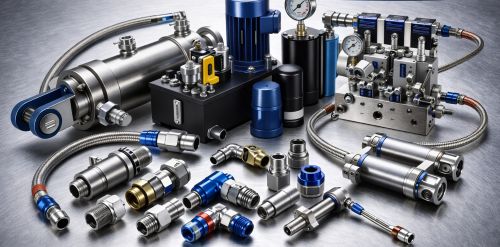
Specialty hydraulics refer to custom-engineered hydraulic systems and components designed for specific, often demanding applications that go beyond standard hydraulic solutions. These systems are tailored to operate under unique conditions such as extreme pressure, temperature, corrosion, limited space, or high safety requirements.
How They Differ from Conventional Hydraulic Systems
While conventional hydraulic systems are typically standardized and mass-produced, specialty hydraulics are:
➡️ Custom-designed for specific applications
➡️ Engineered for exceptional performance and durability
➡️ Built to comply with strict industry or safety regulations
Key Characteristics of Specialty Hydraulics
➡️ Custom design and engineering: Tailored solutions for precise operational needs
➡️ High-pressure or extreme-environment capability: Reliable performance under harsh conditions
➡️ Precision control and reliability: Accurate motion control with minimal tolerance for failure
Examples of Specialty Hydraulic Solutions
1. High-pressure hydraulic presses
2. Subsea hydraulic systems
3. Aerospace-grade hydraulic actuators
4. Explosion-proof hydraulic power units
Types of Specialty Hydraulic Systems
Specialty hydraulics can take many forms depending on the application:
1. High-Pressure Hydraulic Systems
Designed to operate at pressures far above standard hydraulic systems, often used in heavy manufacturing and testing applications.
2. Compact and Micro-Hydraulic Systems
Engineered for tight spaces where size and weight are critical, such as medical devices or aerospace systems.
3. Corrosion-Resistant Hydraulic Systems
Built using specialized materials and coatings for marine, chemical, or offshore environments.
4. Explosion-Proof and Safety-Critical Hydraulics
Used in hazardous locations like oil and gas facilities where safety is paramount.
5. Temperature-Resistant Hydraulics
Designed to function reliably in extremely hot or cold conditions, such as steel mills or arctic operations.
6. Mobile vs. Industrial Specialty Hydraulic Systems
➡️ Mobile systems: Used in vehicles, construction equipment, and agricultural machinery
➡️ Industrial systems: Installed in factories, plants, and fixed facilities
Key Components Used in Specialty Hydraulics
Specialty hydraulic systems rely on carefully selected and engineered components:
1. Specialty Hydraulic Pumps
High-efficiency pumps designed for specific pressure, flow, or environmental requirements.
2. Custom Hydraulic Cylinders
Precision-engineered cylinders tailored for unique load, stroke, or mounting needs.
3. Precision Valves and Manifolds
Control flow, pressure, and direction with exceptional accuracy and responsiveness.
4. Hydraulic Fittings, Hoses, and Connectors
Designed to withstand high pressure, vibration, and environmental stress.
5. Sensors, Controls, and Monitoring Systems
Enable real-time performance monitoring, automation, and predictive maintenance.
6. Fluids Used in Specialty Hydraulic Applications
Specialty fluids may include fire-resistant, biodegradable, or temperature-resistant hydraulic oils.
Uses of Specialty Hydraulics
Specialty hydraulics are used when performance demands exceed the capabilities of standard systems:
➡️ Applications requiring extreme force or pressure
➡️ Precision motion and control tasks
➡️ Operations in harsh or hazardous environments
➡️ Custom machinery and equipment solutions
➡️ Automation and advanced manufacturing systems
Benefits of Specialty Hydraulic Systems
Investing in specialty hydraulics offers several advantages:
➡️ Enhanced performance and efficiency
➡️ Increased safety and reliability
➡️ Improved precision and control
➡️ Longer system lifespan
➡️ Customization for unique operational needs
➡️ Reduced downtime and maintenance costs
Industrial Applications of Specialty Hydraulics
Manufacturing
Hydraulic presses, injection molding machines, and automated production lines.
Construction
Heavy lifting equipment, tunneling systems, and demolition tools.
Aerospace
Flight testing systems, landing gear actuation, and ground support equipment.
Oil & Gas
Drilling rigs, offshore platforms, and subsea hydraulic systems.
Marine
Steering systems, winches, cranes, and underwater equipment.
Mining
Excavation machinery, crushers, and material handling systems.
Agriculture
Specialized harvesting, planting, and processing machinery.
Defense & Military
Weapon systems, armored vehicles, and mission-critical hydraulic controls.
Specialty Hydraulics vs. Standard Hydraulics
Performance Comparison
Specialty hydraulics deliver higher precision, durability, and adaptability.
Cost Considerations
Higher initial investment, but often lower total cost of ownership.
Flexibility and Customization
Specialty systems are tailored; standard systems are generic.
Maintenance and Longevity
Designed for longer life in demanding environments.
When to Choose Specialty Hydraulics
When safety, performance, or operating conditions exceed standard limits.
Challenges and Considerations
While beneficial, specialty hydraulics come with challenges:
1. Higher initial investment
2. Design and engineering complexity
3. Need for skilled maintenance personnel
4. Compliance with strict safety and industry standards
5. Selecting the right supplier or manufacturer
Future Trends in Specialty Hydraulics
The field of specialty hydraulics continues to evolve:
➡️ Integration with smart sensors and IoT
➡️ Energy-efficient and eco-friendly hydraulic solutions
➡️ Advanced materials and lightweight designs
➡️ Automation and AI-assisted hydraulic control systems
How to Choose the Right Specialty Hydraulic Solution
Follow these best practices on how to choose the right specialty hydraulic solution:
1. Assess application requirements carefully
2. Understand operating conditions and constraints
3. Decide between custom and off-the-shelf solutions
4. Consult experienced hydraulic experts
5. Consider long-term performance, service, and support
FAQs
1. What makes a hydraulic system “specialty”?
A specialty hydraulic system is custom-designed to meet specific performance, environmental, or safety requirements.
2. Are specialty hydraulics more expensive?
They typically have a higher upfront cost but often reduce long-term operating and maintenance expenses.
3. Which industries benefit most from specialty hydraulics?
Industries such as aerospace, oil & gas, manufacturing, defense, and marine benefit significantly.
Conclusion
Specialty hydraulics represent a critical advancement in hydraulic technology, offering customized solutions for the most demanding industrial challenges. By delivering superior performance, precision, and reliability, they enable industries to operate safely and efficiently in environments where standard systems fall short.
As industries continue to push technological boundaries, investing in the right specialty hydraulic solution can provide a significant competitive advantage. If you’re exploring advanced hydraulic solutions, consult with experienced professionals to ensure your system is designed for long-term success.
Post time: Jan-30-2026