

In any fluid or gas system, the reliability of connections plays a critical role in overall performance and safety. Whether in automotive brake lines, hydraulic machinery, or fuel systems, even a small leak can lead to major issues. That’s where SAE inverted flare union fittings come in.
These fittings are widely used for their durability, leak-resistant sealing, and compatibility with standardized systems. In this complete guide, you’ll learn what SAE inverted flare union fittings are, how they work, where they’re used, and how to choose and install them correctly.
What Are SAE Inverted Flare Union Fittings?
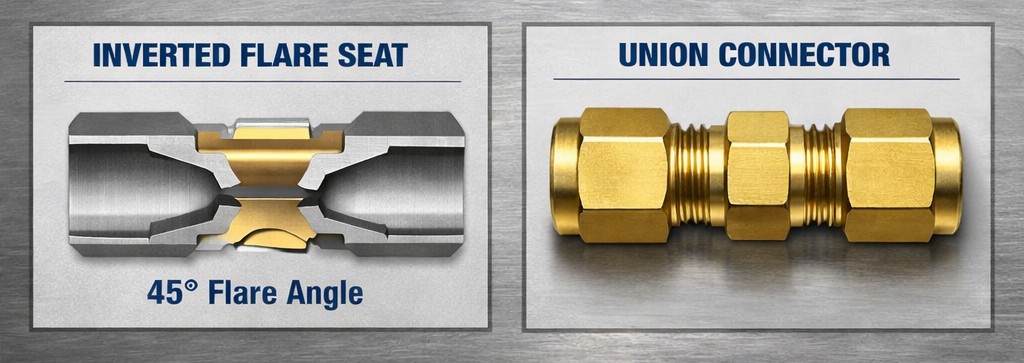
SAE inverted flare union fittings are mechanical connectors designed to join two sections of tubing with a secure, leak-proof seal. The term “SAE” refers to standards set by the Society of Automotive Engineers, ensuring consistency in dimensions and performance.
A union fitting specifically connects two tubes of the same diameter in a straight line.
Key Characteristics:
1. 45° inverted flare seat for sealing
2. Metal-to-metal connection (no sealants required)
3. Threaded design for secure tightening
4. Available in brass, carbon steel, and stainless steel
These fittings are especially popular in applications where vibration resistance and pressure reliability are essential.
How SAE Inverted Flare Union Fittings Work
The effectiveness of these fittings comes from their simple but precise design.
1. A tube end is flared outward at a 45° angle (inverted flare).
2. The flared end sits against the fitting’s internal cone.
3. A threaded nut tightens the connection.
As the nut is tightened, the flare compresses against the seat, creating a tight metal-to-metal seal.
This design eliminates the need for additional sealing materials like tape or O-rings, reducing potential failure points.
Key Features and Benefits
1. Leak Resistance
The metal-to-metal seal ensures a tight, reliable connection even under pressure.
2. High Pressure Capability
Suitable for many hydraulic and automotive applications.
3. Reusability
Fittings can often be disconnected and reused without compromising performance.
4. Vibration Resistance
Ideal for environments like vehicles or heavy machinery.
5. Standardization
Compatible with SAE thread standards, making replacements easy.
6. Cost-Effective
Durable materials and reusability reduce long-term costs.
Common Applications
Automotive Systems
1. Brake lines
2. Fuel delivery systems
3. Transmission cooling lines
Hydraulic Systems
1. Industrial equipment
2. Construction and agricultural machinery
Plumbing and Gas Lines
1. Low- to medium-pressure fluid systems
2. Air and gas distribution lines
SAE Standards and Specifications
SAE inverted flare fittings are typically manufactured according to standards such as SAE J512, which defines:
1. Thread dimensions
2. Seat angle (45° flare)
3. Performance requirements
Common Sizes
1. 3/16″, 1/4″, 5/16″, 3/8″, 1/2″ tubing
2. Standard thread sizes to match tubing OD
Using standardized fittings ensures compatibility across systems and manufacturers.
Types of SAE Inverted Flare Fittings
While this guide focuses on union fittings, other variations include:
1. Elbows – for changing direction
2. Tees – for branching flow
3. Adapters – for connecting different thread types
4. Couplings – similar to unions but with slight design differences
Each type serves a specific purpose depending on system layout.
SAE Inverted Flare vs. Other Fittings
Compression Fittings
1. Easier to install (no flaring required)
2. Less vibration resistance
3. Not ideal for high-pressure systems
AN/JIC Fittings (37° Flare)
1. Different flare angle (37° vs. 45°)
2. Not interchangeable
3. Common in aerospace and performance applications
NPT (Pipe Thread) Fittings
1. Use thread sealing (tape or compound)
2. Not a metal-to-metal seal
3. Better for static systems
How to Choose the Right SAE Inverted Flare Union Fitting
Selecting the correct fitting is essential for safety and performance.
1. Material Selection
➡️ Brass: corrosion-resistant, ideal for general use
➡️ Steel: strong, suitable for high pressure
➡️ Stainless Steel: best for harsh or corrosive environments
2. Size and Compatibility
➡️ Match tubing outer diameter
➡️ Ensure thread compatibility
3. Pressure and Temperature Ratings
➡️ Confirm the fitting meets system requirements
4. Environmental Conditions
➡️ Consider moisture, chemicals, and temperature extremes
Installation Guide
Proper installation is key to achieving a leak-free connection.
Tools Required
1. Tube cutter
2. Flaring tool
3. Wrench
Step-by-Step Process
1. Cut the tube cleanly and squarely
2. Deburr the inside and outside edges
3. Use a flaring tool to create a 45° flare
4. Insert the tube into the fitting
5. Tighten the nut securely (avoid over-tightening)
Safety Tips
1. Do not reuse damaged tubing
2. Ensure proper alignment before tightening
3. Avoid excessive force
Common Problems and Troubleshooting
Leaks at Connection
1. Cause: improper flare or loose fitting
2. Solution: reflare or tighten correctly
Damaged Flare
1. Cause: poor flaring technique
2. Solution: cut and remake the flare
Cross-Threading
1. Cause: misalignment during installation
2. Solution: carefully realign and restart
Over-Tightening
1. Can damage threads or flare surface
Maintenance and Best Practices
1. Inspect fittings regularly for wear or corrosion
2. Clean components before reuse
3. Replace fittings showing damage or deformation
4. Store fittings in a dry, clean environment
Advantages and Limitations
Advantages
1. Strong, leak-proof seal
2. Reusable and durable
3. Widely available and standardized
Limitations
1. Requires flaring tools and skill
2. Not suitable for extremely high-pressure specialized systems
3. Improper installation can lead to leaks
Frequently Asked Questions (FAQ)
Are SAE inverted flare fittings reusable?
Yes, as long as the fitting and flare are not damaged.
Can they be used with plastic tubing?
No, they are designed for metal tubing only.
What is the difference between 45° and 37° flare fittings?
The angle differs, making them incompatible with each other.
How tight should the fitting be?
Tight enough to seal, but not so tight that it damages the flare or threads.
Conclusion
SAE inverted flare union fittings are a reliable, industry-standard solution for creating secure, leak-resistant connections in a wide range of applications. Their simple design, durability, and effectiveness make them a preferred choice in automotive, hydraulic, and industrial systems.
By understanding how these fittings work, how to select the right type, and how to install them properly, you can ensure long-lasting performance and system safety.
Looking to source high-quality SAE inverted flare union fittings? Make sure to choose a trusted supplier that meets SAE standards and offers the right materials for your application.
Post time: Mar-26-2026