

In fluid and hydraulic systems, even the smallest connection can determine whether a system performs safely or fails under pressure. From automotive brake lines to industrial fluid transfer systems, leak-proof connections are critical. One of the most widely used solutions for secure tubing connections is the SAE inverted flare fitting.
But what exactly are SAE inverted flare fittings, and how do they work?
In this complete guide, we’ll break down their design, function, applications, advantages, installation tips, and common mistakes, so you can confidently choose and use them in your next project.
What Are SAE Inverted Flare Fittings?
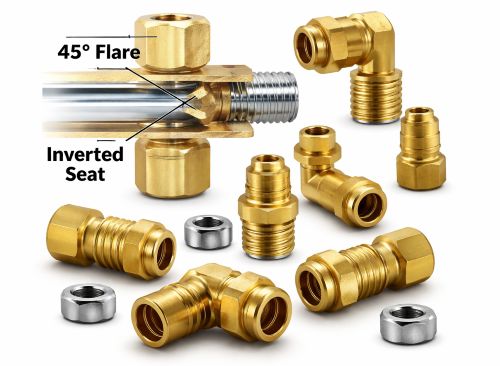
SAE inverted flare fittings are standardized tube fittings designed to create a metal-to-metal seal between a flared tube and a threaded fitting body. “SAE” refers to standards developed by the Society of Automotive Engineers (now SAE International), which define dimensions, threads, and performance requirements for these fittings.
The term “inverted flare” describes the sealing method. Unlike compression fittings that seal with ferrules, inverted flare fittings rely on a 45-degree flared tube end that presses against a matching internal cone seat inside the fitting.
These fittings are commonly used in:
1. Automotive brake systems
2. Fuel delivery systems
3. Transmission cooling lines
4. Low-to-medium pressure hydraulic systems
Key Components of SAE Inverted Flare Fittings
Understanding how these fittings work begins with understanding their parts.
1. Flare Nut
The flare nut slides over the tubing and threads onto the fitting body. When tightened, it compresses the flared tube against the seat.
2. Fitting Body
The fitting body contains:
➡️ External threads (typically fine-thread UNF)
➡️ An internal 45-degree cone seat
➡️ A connection port (male or female)
3. Flared Tubing
The tubing end is flared outward at a 45-degree angle using a flaring tool. In automotive applications, a double flare is commonly used for added strength and safety.
4. Internal Cone Seat
This 45-degree cone inside the fitting is where the flared tube seats and forms a metal-to-metal seal.
SAE Standards and Specifications
SAE inverted flare fittings are typically manufactured according to SAE J512 standards, which specify:
1. 45° flare angle
2. UNF (Unified National Fine) threads
3. Dimensional tolerances
4. Performance requirements
Common Materials
1. Brass (corrosion-resistant, easy to install)
2. Steel (stronger, common in automotive brake systems)
3. Stainless steel (corrosion and chemical resistance)
Pressure Ratings
These fittings are generally used in low to medium-pressure systems. Pressure capability depends on:
1. Material
2. Tube size
3. Wall thickness
4. Proper installation
How Do SAE Inverted Flare Fittings Work?
The effectiveness of these fittings lies in their simple yet reliable sealing principle: metal-to-metal compression.
Step-by-Step Working Process
Step 1: Tubing Preparation
The tube is cut squarely and deburred. A 45-degree flare is created at the end using a flaring tool.
In safety-critical systems like brake lines, a double flare is often required to strengthen the tube end and reduce cracking risk.
Step 2: Positioning the Flare Nut
Before flaring (or in some cases after the first flare step), the flare nut is placed onto the tubing.
Step 3: Seating the Tube
The flared tube end is inserted into the fitting body, resting against the internal 45-degree cone seat.
Step 4: Tightening the Nut
As the flare nut is tightened:
➡️ The nut pulls the flared tube inward
➡️ The flare presses tightly against the cone seat
➡️ A metal-to-metal seal is formed
Step 5: Pressure Sealing
When fluid pressure builds inside the system:
➡️ Pressure forces the flare tighter against the seat
➡️ The seal becomes stronger under load
This design creates a durable, leak-resistant connection without the need for thread sealants on the flare surface.
Why SAE Inverted Flare Fittings Provide Leak-Free Connections
Several design factors contribute to their reliability:
1. Metal-to-Metal Seal
The seal occurs at the flare seat—not at the threads. This ensures consistent sealing when properly installed.
2. Fine Threads (UNF)
Fine threads allow:
➡️ Better clamping force
➡️ Improved vibration resistance
➡️ More precise tightening
3. Pressure-Assisted Sealing
Internal system pressure actually helps improve the seal rather than weaken it.
4. Vibration Resistance
These fittings are commonly used in vehicles because they can withstand significant vibration when correctly installed.
Common Applications
Automotive Systems
SAE inverted flare fittings are most commonly associated with automotive use, including:
1. Brake lines (most critical application)
2. Fuel lines
3. Transmission cooling lines
Their reliability under vibration and temperature changes makes them ideal for vehicles.
Hydraulic Systems
Used in:
1. Low-to-medium pressure hydraulic circuits
2. Fluid transfer systems
3. Power steering lines
Industrial Equipment
They also appear in:
1. Pneumatic systems
2. Refrigeration lines
3. General fluid transport systems
Advantages of SAE Inverted Flare Fittings
1. High Reliability
Especially in brake systems where safety is critical.
2. Reusable Connections
Unlike compression fittings, properly installed inverted flare fittings can be disconnected and reused if undamaged.
3. No Sealant Required on Flare Seat
Seal is achieved through mechanical compression.
4. Cost-Effective
Widely available and relatively inexpensive.
5. Standardized Design
SAE standards ensure interchangeability across manufacturers.
Limitations and Considerations
While versatile, they are not suitable for every application.
1. Not Ideal for Very High Pressure
For extremely high-pressure hydraulic systems, JIC 37° or other heavy-duty fittings may be more appropriate.
2. Requires Proper Flaring Tools
Improper flaring is one of the most common causes of leaks.
3. Over-Tightening Risks
Excessive tightening can:
➡️ Crack the flare
➡️ Distort the seat
➡️ Damage threads
4. Not Interchangeable with 37° Flare Fittings
SAE 45° inverted flare fittings should never be mixed with 37° JIC fittings due to angle differences.
Installation Best Practices
To ensure a secure, leak-free connection:
1. Use a high-quality 45° flaring tool
2. Ensure the tube is cut square and deburred
3. Inspect the flare for cracks or uneven edges
4. Align tubing properly before tightening
5. Tighten to manufacturer torque specifications
6. Avoid thread sealant on flare seat (only on pipe threads if present)
Maintenance and Troubleshooting
Common Issues
Leak at connection
➡️ Caused by uneven flare or dirt on seat
Cracked flare
➡️ Often due to over-tightening or poor flaring technique
Damaged threads
➡️ Caused by cross-threading or improper alignment
Solutions
➡️ Reflare the tubing if damaged
➡️ Replace cracked fittings
➡️ Clean sealing surfaces before reassembly
➡️ Always inspect before reinstalling
Frequently Asked Questions
1. Are SAE inverted flare fittings reusable?
Yes, if the flare and seat are undamaged. Always inspect before reuse.
2. Can I use thread sealant?
Do not use sealant on the flare seat. Sealant may be used only on pipe-thread connections if applicable.
3. What pressure can they handle?
Pressure capacity depends on material, tube size, and installation quality, but they are generally suitable for low to medium pressure systems.
4. What’s the difference between single flare and double flare?
A double flare folds the tube end inward before flaring again, increasing strength and durability, commonly required for brake lines.
Conclusion
SAE inverted flare fittings are a proven, standardized solution for creating strong, leak-resistant connections in automotive and fluid systems. By using a 45-degree metal-to-metal sealing design, they provide reliable performance under vibration and pressure, especially in critical systems like brake lines.
Understanding how they work, how to install them correctly, and where they are best applied ensures safe, long-lasting performance.
Whether you’re working on vehicle repairs, hydraulic systems, or industrial equipment, choosing the right fitting and installing it properly makes all the difference.
Post time: Feb-16-2026