

In hydraulic and automotive systems, even the smallest components play a critical role in ensuring safety and performance. Among these components, SAE inverted flare fittings are widely used for creating secure, leak-resistant connections. One of the most important aspects of these fittings is selecting the correct size.
Understanding SAE inverted flare fitting sizes is essential for engineers, technicians, and DIY enthusiasts alike. Incorrect sizing can lead to leaks, pressure loss, or even system failure. This guide will walk you through the key measurements, standards, and best practices for choosing the right fitting size.
What Are SAE Inverted Flare Fittings?
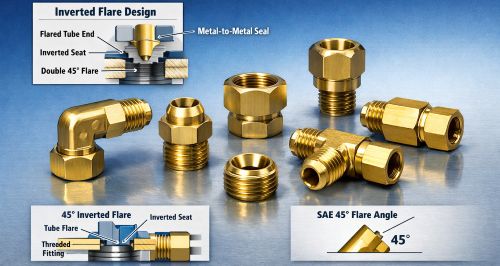
SAE inverted flare fittings are a type of compression fitting commonly used in fluid systems. They feature a 45-degree inverted flare seat that allows a tube to form a tight seal when connected.
Key Features:
1. 45-degree flare angle
2. Female inverted seat design
3. Compatible with double-flared tubing
4. Strong resistance to vibration and pressure
Common Materials:
1. Brass (corrosion-resistant and easy to work with)
2. Steel (high strength for demanding applications)
3. Stainless steel (excellent corrosion resistance)
Typical Applications:
1. Automotive brake lines
2. Fuel systems
3. Hydraulic systems
4. Refrigeration and HVAC systems
These fittings are especially popular in automotive applications due to their reliability and ability to maintain a tight seal under pressure.
Why Fitting Size Matters
Choosing the correct SAE inverted flare fitting size is not just about compatibility—it directly impacts system performance and safety.
Key Reasons:
1. Leak Prevention: Incorrect sizes can result in improper sealing
2. Pressure Integrity: Proper sizing ensures the system can handle required pressures
3. System Efficiency: Correct flow rates depend on proper sizing
4. Safety: Especially critical in brake and fuel systems
Using the wrong size can lead to costly repairs, downtime, or dangerous failures.
Key Measurements of SAE Inverted Flare Fittings
Understanding the main dimensions of SAE inverted flare fittings is crucial for selecting the correct size.
Thread Size
Thread size refers to the diameter of the threaded portion of the fitting. Common sizes include:
➡️ 1/4″
➡️ 3/8″
➡️ 1/2″
SAE inverted flare fittings typically use Unified National Fine (UNF) threads, which provide tighter sealing and better vibration resistance.
Tube Outer Diameter (OD)
The tube OD is one of the most important measurements. It determines which fitting size you need.
Common Tube Sizes:
➡️ 3/16″ (common in brake lines)
➡️ 1/4″
➡️ 5/16″
➡️ 3/8″
The fitting must match the tube OD exactly for a proper seal.
Flare Angle (45 Degrees)
45∘45^{\circ}45∘
SAE inverted flare fittings use a standard 45-degree flare angle. This angle ensures:
➡️ Proper contact between the fitting and tube
➡️ Even pressure distribution
➡️ Reliable sealing
Using a different flare angle (such as 37 degrees in JIC fittings) will result in leaks.
Thread Pitch
Thread pitch refers to the number of threads per inch (TPI).
Examples:
➡️ 3/8″-24 UNF → 24 threads per inch
➡️ 1/2″-20 UNF → 20 threads per inch
Matching the correct thread pitch is essential for compatibility.
Seat Design
The inverted flare seat is recessed inside the fitting. When the flared tube is tightened:
1. The flare presses into the seat
2. A metal-to-metal seal is created
3. No additional sealing material is required
SAE Standards and Specifications
SAE inverted flare fittings are governed by specific standards to ensure consistency and safety.
Key Standards:
1. SAE J512 – Automotive tube fittings
2. SAE J513 – Seamless steel tubing
Why Standards Matter:
1. Ensure compatibility across manufacturers
2. Guarantee performance under pressure
3. Maintain safety in critical systems
SAE vs Other Standards:
1. SAE (45° flare): Common in automotive systems
2. JIC (37° flare): Used in hydraulic systems
3. BSP: British standard with different threading
Understanding these differences helps avoid mismatched components.
SAE Inverted Flare Fitting Size Chart
Below is a simplified reference chart:
|
Tube OD |
Thread Size |
Thread Pitch (TPI) |
Common Use |
|
3/16″ |
3/8″-24 |
24 |
Brake lines |
|
1/4″ |
7/16″-24 |
24 |
Fuel lines |
|
5/16″ |
1/2″-20 |
20 |
Automotive |
|
3/8″ |
5/8″-18 |
18 |
Hydraulics |
How to Use This Chart:
1. Identify your tube OD
2. Match it to the corresponding thread size
3. Confirm thread pitch
Common SAE Inverted Flare Sizes and Applications
Small Sizes (3/16″ – 1/4″)
1. Brake systems
2. Fuel lines
3. Low-flow applications
Medium Sizes (5/16″ – 3/8″)
1. Automotive systems
2. Light hydraulic systems
Larger Sizes
1. Industrial equipment
2. High-flow hydraulic systems
Each size is designed for specific pressure and flow requirements.
How to Measure SAE Inverted Flare Fittings
Accurate measurement is key to selecting the correct fitting.
Tools Needed:
1. Calipers
2. Thread pitch gauge
3. Ruler
Steps:
1. Measure the tube outer diameter
2. Measure the thread diameter
3. Use a thread gauge to determine TPI
4. Confirm the flare angle (45°)
Tips:
1. Always measure twice
2. Clean fittings before measuring
3. Compare with a reference chart
How to Choose the Right Size
Selecting the correct SAE inverted flare fitting involves several factors:
1. Match Tube Size
Always match the fitting to the tube OD.
2. Consider Pressure Ratings
Higher pressure systems require stronger materials and proper sizing.
3. Material Compatibility
➡️ Brass → corrosion resistance
➡️ Steel → strength
➡️ Stainless steel → harsh environments
4. Environmental Conditions
➡️ Temperature extremes
➡️ Exposure to chemicals
➡️ Vibration levels
Common Mistakes to Avoid
Avoiding these common errors can save time and prevent failures:
1. Mixing SAE and metric fittings
2. Using incorrect flare angles
3. Over-tightening fittings
4. Reusing damaged components
5. Ignoring thread pitch differences
Even small mistakes can lead to leaks or system failure.
SAE vs Other Flare Fitting Types
SAE vs JIC
➡️ SAE: 45-degree flare
➡️ JIC: 37-degree flare
➡️ Not interchangeable
SAE vs Double Flare
➡️ SAE inverted flare often uses double-flared tubing
➡️ Double flare improves strength and durability
Key Takeaway:
Always verify the flare angle and standard before installation.
Maintenance and Best Practices
Proper maintenance ensures long-term performance:
Inspection Tips:
➡️ Check for cracks or wear
➡️ Inspect threads and flare surfaces
Installation Tips:
➡️ Tighten to recommended torque
➡️ Avoid cross-threading
➡️ Use clean components
Reusability:
➡️ Fittings can be reused if undamaged
➡️ Always inspect before reuse
Conclusion
SAE inverted flare fittings are essential components in many hydraulic and automotive systems. Understanding their sizes, measurements, and standards is critical for ensuring reliable, leak-free connections.
By paying attention to key factors such as thread size, tube OD, flare angle, and SAE standards, you can select the right fitting for your application with confidence. Proper sizing not only improves performance but also enhances safety and longevity.
FAQs
Q1: What is the standard flare angle for SAE inverted flare fittings?
The standard flare angle is 45 degrees.
Q2: How do I identify the correct fitting size?
Measure the tube OD, thread diameter, and thread pitch, then match with a size chart.
Q3: Can SAE inverted flare fittings be reused?
Yes, if they are not damaged or worn.
Q4: What is the difference between SAE and JIC fittings?
SAE uses a 45° flare, while JIC uses a 37° flare.
Q5: Are SAE inverted flare fittings suitable for high-pressure systems?
Yes, when properly sized and installed, they perform well in many high-pressure applications.
Post time: Apr-08-2026