

Hydraulic systems power some of the most critical machinery in modern industry from construction equipment and agricultural tractors to manufacturing lines and transportation systems. At the heart of these systems is a network of components that must work seamlessly under high pressure and demanding conditions. Among these components, connectors and fittings play a vital role in ensuring smooth and reliable operation.
One often overlooked yet essential component is the SAE-compatible hydraulic adapter. While small in size, these adapters are fundamental to maintaining system integrity, preventing leaks, and ensuring compatibility between different hydraulic components. Understanding what SAE-compatible hydraulic adapters are and why they matter can help engineers, technicians, and buyers make better decisions that improve performance and reduce costly downtime.
What Are SAE Compatible Hydraulic Adapters?
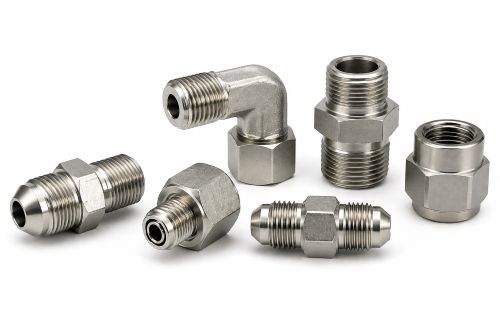
Hydraulic adapters are connectors designed to join different parts of a hydraulic system, especially when those parts have varying thread types, sizes, or configurations. In simple terms, they act as bridges that allow otherwise incompatible components to work together.
SAE compatible hydraulic adapters are specifically designed to meet standards established by the Society of Automotive Engineers (SAE). These standards ensure uniformity in dimensions, pressure ratings, and sealing methods, allowing components from different manufacturers to fit and function together reliably.
These adapters come in various shapes and configurations, including:
1. Straight adapters for direct connections
2. Elbow adapters for angled routing
3. Tee adapters for splitting flow
4. Cross adapters for multi-directional connections
Their versatility makes them indispensable in complex hydraulic systems where flexibility and precision are required.
Understanding SAE Standards in Hydraulics
SAE standards are widely recognized in the fluid power industry for promoting consistency and safety. Specifications such as SAE J514 and SAE J1926 define critical aspects like thread dimensions, sealing surfaces, and performance requirements.
Standardization matters because it eliminates guesswork. When components adhere to SAE standards, users can confidently mix and match parts without worrying about incompatibility or performance issues. This is particularly important in global industries where equipment and components may come from different regions.
Compared to other standards like BSP (British Standard Pipe) or NPT (National Pipe Thread), SAE fittings often provide more reliable sealing mechanisms, especially in high-pressure applications. This makes SAE compatible hydraulic adapters a preferred choice in many demanding environments.
Key Types of SAE Compatible Hydraulic Adapters
There are several common types of SAE compatible hydraulic adapters, each designed for specific applications:
SAE O-Ring Boss (ORB): These adapters use straight threads combined with an O-ring to create a secure, leak-resistant seal. They are commonly used in high-pressure systems.
SAE JIC (37° Flare): Featuring a 37-degree flare seating surface, JIC adapters provide a strong mechanical seal. They are widely used in industrial and mobile hydraulic applications.
SAE O-Ring Face Seal (ORFS): ORFS adapters use a flat face with an O-ring to ensure a tight seal, making them ideal for applications where leak prevention is critical.
Each type offers unique advantages, and selecting the right one depends on system requirements such as pressure, vibration, and environmental conditions.
Materials Used in SAE Compatible Hydraulic Adapters
The material of a hydraulic adapter significantly affects its performance and durability. Common materials include:
1. Carbon Steel: Known for its strength and cost-effectiveness, carbon steel is widely used in general-purpose hydraulic systems.
2. Stainless Steel: Offers excellent corrosion resistance, making it suitable for harsh environments such as marine or chemical applications.
3. Brass: Typically used in low-pressure systems, brass provides good corrosion resistance and ease of machining.
Choosing the right material ensures that the adapter can withstand the operating conditions without premature wear or failure.
Why SAE Compatible Hydraulic Adapters Matter
Leak Prevention
One of the primary benefits of SAE compatible hydraulic adapters is their ability to prevent leaks. Advanced sealing methods, such as O-rings and flare fittings, create tight connections that minimize fluid loss and reduce the risk of contamination.
Safety and Reliability
Hydraulic systems often operate under high pressure, where even a minor failure can lead to serious accidents. SAE compatible hydraulic adapters are designed to meet strict standards, ensuring reliable performance and enhanced safety.
System Efficiency
Leaks, pressure drops, and poor connections can reduce system efficiency. By ensuring proper fit and sealing, SAE adapters help maintain consistent pressure and optimal performance, reducing energy loss and downtime.
Interchangeability and Flexibility
Because they adhere to standardized specifications, SAE compatible hydraulic adapters allow for easy integration across different systems and components. This flexibility simplifies maintenance, repairs, and system upgrades.
Common Applications
SAE compatible hydraulic adapters are used across a wide range of industries, including:
1. Construction Equipment: Excavators, loaders, and cranes rely on robust hydraulic systems for operation.
2. Agricultural Machinery: Tractors, harvesters, and irrigation systems use hydraulic power for efficiency and precision.
3. Manufacturing and Industrial Systems: Hydraulic presses, conveyors, and automation systems depend on reliable connections.
4. Automotive and Transportation: Brake systems, power steering, and other hydraulic components require dependable fittings.
Their widespread use highlights their importance in keeping essential machinery running smoothly.
How to Choose the Right SAE Compatible Hydraulic Adapter
Selecting the right adapter involves several key considerations:
1. Thread Type and Size: Ensure compatibility with existing components.
2. Pressure Rating: Choose an adapter that can handle the system’s operating pressure.
3. Material: Match the material to the application environment.
4. Sealing Method: Consider whether an O-ring, flare, or face seal is most appropriate.
5. Supplier Quality: Work with reputable manufacturers who meet industry standards and certifications.
Taking these factors into account can prevent costly mistakes and ensure long-term performance.
Common Mistakes to Avoid
Even experienced professionals can make errors when selecting or installing hydraulic adapters. Common mistakes include:
1. Mixing incompatible thread standards
2. Ignoring pressure and temperature requirements
3. Using incorrect sealing techniques
4. Over-tightening or under-tightening connections
Avoiding these pitfalls helps maintain system integrity and reduces the risk of failure.
Maintenance and Best Practices
Proper maintenance extends the life of SAE compatible hydraulic adapters and the overall system. Best practices include:
1. Conducting regular inspections for leaks, corrosion, or damage
2. Using correct installation tools and torque specifications
3. Replacing worn or damaged components promptly
4. Keeping the system clean to prevent contamination
Routine care not only improves performance but also minimizes unexpected downtime.
Conclusion
SAE compatible hydraulic adapters may be small components, but their impact on hydraulic system performance is significant. By ensuring secure, leak-free connections and enabling compatibility across components, they play a critical role in safety, efficiency, and reliability.
Whether you are designing a new hydraulic system or maintaining an existing one, investing in high-quality SAE compatible hydraulic adapters is a smart decision. The right choice can reduce long-term costs, improve system performance, and help avoid costly failures, making these adapters an essential part of any fluid power solution.
Post time: Apr-29-2026