

Choosing the right bulkhead fitting can make or break your system literally. Whether you’re working with a water tank, aquarium, irrigation setup, or industrial piping system, the material you select plays a crucial role in durability, performance, and long-term cost.
Two of the most common options are PVC bulkhead fittings and metal bulkhead fittings. Each has its own strengths and limitations, and the right choice depends heavily on your specific application.
In this guide, we’ll break down everything you need to know from performance and cost to real-world use cases, so you can confidently choose the best bulkhead fitting for your needs.
What Are Bulkhead Fittings?
Bulkhead fittings are specialized connectors designed to create a watertight seal where a pipe passes through a wall, tank, or container. They’re essential in systems where fluid needs to move in or out without leaks.
Common Applications
1. Water storage tanks
2. Aquariums and fish systems
3. Industrial fluid systems
4. Agricultural irrigation setups
5. Chemical processing tanks
Key Components
A typical bulkhead fitting includes:
1. A threaded body
2. A gasket (for sealing)
3. A locknut
Together, these components ensure a tight, leak-proof connection.
Overview of PVC Bulkhead Fittings
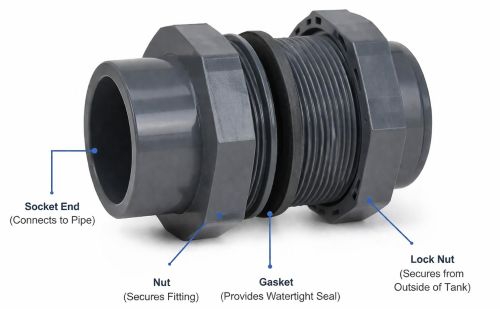
What is PVC?
PVC (Polyvinyl Chloride) is a widely used plastic material known for its affordability, corrosion resistance, and versatility in plumbing and fluid systems.
Advantages of PVC Bulkhead Fittings
1. Excellent Corrosion Resistance
PVC does not rust or corrode, making it ideal for water systems and many chemical applications.
2. Lightweight and Easy to Install
PVC fittings are easy to handle and install, even for DIY users. They typically require fewer tools and less labor.
3. Cost-Effective
PVC is significantly cheaper than most metals, making it a popular choice for budget-conscious projects.
4. Chemical Compatibility
PVC performs well in environments with acids, alkalis, and many corrosive substances.
5. Non-Conductive
It doesn’t conduct electricity, which can be beneficial in certain environments.
Limitations of PVC
1. Lower Strength
PVC cannot handle the same mechanical stress as metal fittings.
2. Temperature Sensitivity
High temperatures can weaken or deform PVC over time.
3. UV Degradation
Prolonged exposure to sunlight can cause brittleness unless UV-resistant PVC is used.
Overview of Metal Bulkhead Fittings
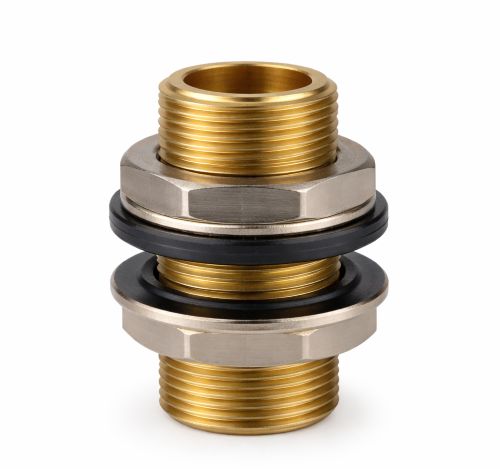
Common Types of Metal Used
1. Stainless Steel – Highly resistant to corrosion and very durable
2. Brass – Good corrosion resistance and machinability
3. Bronze – Often used in marine environments
Advantages of Metal Bulkhead Fittings
1. Superior Strength and Durability
Metal fittings can withstand high pressure and mechanical stress.
2. High Temperature Resistance
They perform well in extreme heat where PVC would fail.
3. Long Lifespan
When properly selected and maintained, metal fittings can last for many years.
4. Ideal for Industrial Use
Metal is the go-to choice for demanding environments.
Limitations of Metal
1. Higher Cost
Metal fittings are more expensive upfront.
2. Corrosion Risk
Depending on the metal and environment, corrosion can be a concern.
3. Heavier and Harder to Install
They often require more effort, tools, and expertise.
4. Galvanic Corrosion
When different metals are used together, electrochemical reactions can occur.
Key Differences: PVC vs Metal Bulkhead Fittings
1. Durability and Strength
Metal fittings are significantly stronger and better suited for high-pressure systems. PVC works well for low to moderate pressure applications.
2. Corrosion Resistance
PVC is naturally corrosion-resistant. Metals vary—stainless steel performs well, while others may require coatings or maintenance.
3. Cost Comparison
PVC is the clear winner for affordability. Metal fittings require a higher initial investment.
4. Ease of Installation
PVC is easier to install due to its lightweight nature. Metal fittings may require specialized tools.
5. Temperature and Pressure Tolerance
Metal handles high temperatures and pressures much better than PVC.
6. Chemical Compatibility
PVC is excellent for many chemicals, but certain solvents can degrade it. Metal compatibility depends on the specific alloy.
Application-Based Comparison
Water Tanks and Aquariums
PVC is often the preferred choice due to:
1. Corrosion resistance
2. Lower cost
3. Ease of installation
Industrial and High-Pressure Systems
Metal bulkhead fittings are better because they:
1. Handle higher stress
2. Perform reliably under pressure
3. Withstand harsh conditions
Chemical Handling Systems
The decision depends on the chemical:
➡️ PVC works well for many corrosive substances
➡️ Specialized metals may be required for extreme conditions
Outdoor and Marine Environments
➡️ PVC may degrade under UV exposure
➡️ Marine-grade metals (like bronze or stainless steel) are often preferred
Cost vs Performance: Which Offers Better Value?
Choosing between PVC and metal isn’t just about upfront cost, it’s about long-term value.
PVC Value Factors
1. Lower initial cost
2. Minimal maintenance
3. Ideal for short- to medium-term use
Metal Value Factors
1. Higher durability
2. Longer lifespan
3. Better for demanding applications
Bottom line:
➡️ Use PVC for cost-sensitive, low-stress environments
➡️ Use metal for high-performance, long-term reliability
Common Mistakes to Avoid
1. Choosing Based Only on Price
Cheap upfront costs can lead to expensive failures later.
2. Ignoring Chemical Compatibility
Not all materials work with all fluids.
3. Overlooking Pressure and Temperature Ratings
Using PVC in high-heat or high-pressure systems can lead to failure.
4. Poor Installation Practices
Even the best-fitting will fail if installed incorrectly.
How to Choose the Right Bulkhead Fitting
Follow this simple decision-making process:
Step 1: Identify Your Application
Is it for a tank, aquarium, industrial system, or chemical processing?
Step 2: Determine Pressure and Temperature
High pressure or heat? Lean toward metal.
Step 3: Check Chemical Exposure
Ensure the material is compatible with the fluid.
Step 4: Consider Your Budget
Balance upfront cost with long-term performance.
Step 5: Evaluate the Environment
Outdoor, marine, or UV exposure? Choose accordingly.
Quick Decision Guide
|
Scenario |
Recommended Material |
|
Low-pressure water systems |
PVC |
|
High-pressure industrial use |
Metal |
|
Corrosive chemicals |
PVC or specialized metal |
|
High-temperature environments |
Metal |
|
Budget-sensitive projects |
PVC |
FAQs
Are PVC bulkhead fittings durable?
Yes, they are durable for low to moderate pressure applications and resist corrosion well.
When should I choose metal over PVC?
When dealing with high pressure, high temperatures, or heavy-duty industrial use.
Can PVC handle high pressure?
It can handle moderate pressure, but not as well as metal.
Do metal fittings always corrode?
Not always. Stainless steel and properly treated metals resist corrosion effectively.
Which is better for saltwater environments?
Marine-grade metals or high-quality PVC, depending on exposure and system requirements.
Conclusion
So, which one should you choose, PVC or metal bulkhead fittings?
The answer depends entirely on your application.
➡️ Choose PVC if you need a cost-effective, corrosion-resistant solution for low to moderate conditions.
➡️ Choose metal if your system demands strength, high-pressure resistance, and long-term durability.
By carefully evaluating your system’s requirements, pressure, temperature, chemical exposure, and budget, you can make a smart, reliable choice that ensures performance and longevity.
Post time: Apr-14-2026