

Hydraulic systems are the backbone of countless industries, from construction and agriculture to manufacturing and transportation. To ensure these systems operate efficiently and safely, every connection must be properly sealed and protected. One often-overlooked component that plays a critical role in hydraulic system performance is the ORFS thread plug.
ORFS (O-Ring Face Seal) thread plugs are designed to seal unused hydraulic ports, prevent fluid leaks, and maintain system pressure. While they may appear to be simple components, selecting the right ORFS thread plug can significantly impact equipment reliability, maintenance costs, and overall operational efficiency.
This buyer’s guide explains what ORFS thread plugs are, why they matter, and the key factors to consider when selecting the best option for your application.
What Are ORFS Thread Plugs?
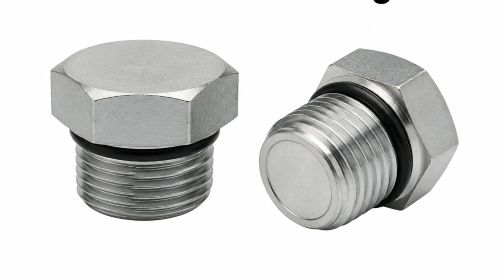
ORFS stands for O-Ring Face Seal, a hydraulic fitting design that creates a leak-free connection through the compression of an elastomeric O-ring against a flat sealing surface. Unlike traditional threaded connections that rely heavily on thread engagement for sealing, ORFS fittings use the O-ring to create a highly reliable seal capable of withstanding high pressures and vibration.
Because of their exceptional sealing performance, ORFS fittings are widely used in hydraulic systems where leak prevention is a top priority.
What Is an ORFS Thread Plug?
An ORFS thread plug is a specialized fitting designed to seal unused ORFS ports within hydraulic systems. These plugs feature compatible ORFS threads and an O-ring sealing surface that prevents hydraulic fluid from escaping while protecting the port from contamination.
They are commonly used during system maintenance, equipment assembly, testing procedures, and future expansion planning.
Benefits of ORFS Thread Plugs
ORFS thread plugs offer several advantages, including:
1. Superior leak prevention
2. High-pressure sealing capability
3. Excellent vibration resistance
4. Reduced maintenance requirements
5. Protection against dirt and debris
6. Improved hydraulic system reliability
By effectively sealing unused ports, ORFS thread plugs help maintain optimal system performance and minimize costly downtime.
Why Choosing the Right ORFS Thread Plug Matters
Selecting the proper ORFS thread plug involves more than simply matching thread sizes. The wrong plug can lead to leaks, pressure loss, premature component wear, and even system failure.
Maintaining Hydraulic System Performance
Hydraulic systems rely on precise pressure levels to function effectively. Even small leaks can reduce efficiency, increase energy consumption, and negatively affect equipment performance. Properly selected ORFS thread plugs help maintain pressure integrity throughout the system.
Enhancing Safety
Hydraulic fluid leaks can create serious safety hazards, including slippery work surfaces, equipment malfunctions, and environmental contamination. High-quality ORFS thread plugs reduce these risks by providing dependable sealing performance.
Reducing Operating Costs
Leaks and component failures often result in expensive repairs, production delays, and increased maintenance costs. Investing in the correct ORFS thread plug can help prevent these issues and contribute to long-term savings.
Key Factors to Consider When Buying ORFS Thread Plugs
1. Thread Size and Compatibility
The first step in selecting an ORFS thread plug is ensuring proper thread compatibility.
ORFS fittings are available in various thread sizes and configurations. Using an incorrect thread size can lead to poor sealing, damaged threads, or installation difficulties.
Before purchasing, verify:
➡️ Port thread size
➡️ Thread pitch
➡️ ORFS standard compatibility
➡️ Manufacturer specifications
Always consult fitting charts or technical documentation when determining the correct size.
2. Pressure Requirements
Hydraulic systems operate under varying pressure levels depending on the application.
A thread plug must be capable of handling the maximum operating pressure of the system. Choosing a plug with an insufficient pressure rating can result in seal failure and hydraulic leakage.
When evaluating pressure requirements, consider:
1. Maximum operating pressure
2. Pressure spikes
3. Safety factors
4. Industry standards
Selecting a plug rated above normal operating conditions provides additional protection and reliability.
3. Material Selection
Material choice directly impacts durability, corrosion resistance, and overall performance.
Carbon Steel
Carbon steel is one of the most common materials used for ORFS thread plugs due to its strength and affordability.
Advantages include:
1. High mechanical strength
2. Excellent pressure resistance
3. Cost-effectiveness
Common applications include industrial machinery, construction equipment, and agricultural systems.
Stainless Steel
For corrosive environments, stainless steel is often the preferred choice.
Benefits include:
1. Superior corrosion resistance
2. Long service life
3. Excellent durability in harsh conditions
Stainless steel ORFS thread plugs are frequently used in marine, offshore, chemical processing, and food-grade applications.
Specialty Materials
Some applications may require brass, aluminum, or other specialty alloys. These materials may offer advantages such as reduced weight, enhanced corrosion resistance, or compatibility with specific operating environments.
4. O-Ring Material Compatibility
The O-ring is the primary sealing element within an ORFS connection. Selecting the appropriate O-ring material is essential for maintaining seal integrity.
Common O-ring materials include:
Nitrile (NBR)
1. Excellent compatibility with petroleum-based hydraulic fluids
2. Good abrasion resistance
3. Cost-effective solution for standard applications
Viton® (FKM)
1. Excellent resistance to heat and chemicals
2. Suitable for demanding industrial environments
3. Long service life
EPDM
1. Excellent weather resistance
2. Suitable for water-based fluids
3. Good performance in outdoor applications
Always ensure the O-ring material is compatible with the hydraulic fluid and operating conditions.
5. Environmental Conditions
Environmental factors can significantly influence thread plug performance.
Consider:
Temperature Extremes
High temperatures can degrade seals, while extremely low temperatures can affect material flexibility.
Corrosion Exposure
Outdoor installations, marine environments, and chemical processing facilities often require corrosion-resistant materials such as stainless steel.
Vibration and Shock
Mobile equipment and heavy machinery generate significant vibration. ORFS technology is particularly effective in these environments because of its secure sealing mechanism.
Common Applications of ORFS Thread Plugs
Construction Equipment
Construction machinery operates in demanding conditions where hydraulic reliability is critical.
Common applications include:
➡️ Excavators
➡️ Backhoes
➡️ Loaders
➡️ Bulldozers
➡️ Hydraulic attachments
Agricultural Machinery
Agricultural equipment relies heavily on hydraulic systems for efficient operation.
Examples include:
➡️ Tractors
➡️ Harvesters
➡️ Sprayers
➡️ Balers
➡️ Cultivators
Industrial Manufacturing
Hydraulic systems are widely used throughout manufacturing facilities.
Typical applications include:
1. Hydraulic presses
2. Production equipment
3. Material handling systems
4. Automation machinery
Transportation and Mobile Equipment
ORFS thread plugs are also commonly found in:
1. Heavy-duty trucks
2. Utility vehicles
3. Mining equipment
4. Municipal service vehicles
Their ability to withstand vibration and pressure makes them ideal for mobile hydraulic systems.
How to Evaluate ORFS Thread Plug Quality
Not all thread plugs offer the same level of performance. When purchasing ORFS thread plugs, quality should be a primary consideration.
Verify Compliance with Industry Standards
Look for products manufactured according to recognized hydraulic fitting standards. Compliance with industry requirements helps ensure compatibility, performance, and reliability.
Assess Manufacturing Precision
High-quality ORFS thread plugs feature:
1. Accurate thread dimensions
2. Smooth sealing surfaces
3. Consistent machining quality
4. Proper O-ring groove design
Precision manufacturing contributes to reliable sealing performance and easier installation.
Review Testing Procedures
Reputable manufacturers often perform:
➡️ Pressure testing
➡️ Leak testing
➡️ Material verification
➡️ Quality inspections
These procedures help ensure product consistency and long-term reliability.
Select a Trusted Supplier
A reliable supplier should provide:
1. Detailed product specifications
2. Technical support
3. Quality certifications
4. Consistent inventory availability
5. Responsive customer service
Partnering with an experienced supplier can simplify the purchasing process and improve overall system performance.
Installation Best Practices
Even the highest-quality ORFS thread plug can fail if installed improperly.
Inspect Components Before Installation
Check for:
1. Damaged threads
2. Surface defects
3. Missing O-rings
4. Signs of contamination
Clean the Port Thoroughly
Remove dirt, debris, and old sealing materials before installation. Clean surfaces help ensure proper sealing.
Follow Recommended Torque Specifications
Over-tightening can damage threads and O-rings, while under-tightening may result in leaks.
Always follow manufacturer-recommended torque values.
Perform Post-Installation Inspection
After installation:
➡️ Inspect for leaks
➡️ Verify proper seating
➡️ Monitor system performance during startup
Routine inspections can identify potential issues before they become costly problems.
Common Buying Mistakes to Avoid
Choosing Based on Price Alone
Low-cost components may seem attractive initially but often lead to increased maintenance expenses and reduced reliability.
Ignoring Material Compatibility
Using the wrong material can result in corrosion, premature wear, and seal failure.
Overlooking Pressure Ratings
Every hydraulic application has specific pressure requirements. Ensure the selected plug meets or exceeds those demands.
Failing to Verify Specifications
Always confirm thread dimensions, pressure ratings, material specifications, and O-ring compatibility before ordering.
Frequently Asked Questions
What does ORFS stand for?
ORFS stands for O-Ring Face Seal, a hydraulic fitting design that uses an O-ring and flat sealing surface to create a leak-resistant connection.
How do ORFS thread plugs prevent leaks?
They use an elastomeric O-ring compressed against a flat face, creating a reliable seal that prevents hydraulic fluid leakage.
Can ORFS thread plugs be reused?
In many cases, yes. However, the O-ring should be inspected carefully and replaced if there are signs of wear, damage, or deformation.
Which material is best for corrosive environments?
Stainless steel is typically the preferred option for marine, outdoor, and chemical-processing environments due to its excellent corrosion resistance.
Are ORFS thread plugs suitable for high-pressure systems?
Yes. ORFS technology is specifically designed for high-pressure hydraulic applications and is widely recognized for its superior sealing performance.
Conclusion
ORFS thread plugs may be small components, but they play a vital role in maintaining hydraulic system reliability, safety, and efficiency. Selecting the right plug requires careful consideration of thread size, pressure requirements, material selection, O-ring compatibility, and environmental conditions.
By investing in high-quality ORFS thread plugs and sourcing them from trusted suppliers, equipment operators and maintenance professionals can minimize leaks, reduce downtime, and extend the life of their hydraulic systems.
Whether you’re designing a new hydraulic system, performing maintenance, or upgrading existing equipment, taking the time to choose the correct ORFS thread plug is a decision that delivers long-term performance and value.
Post time: Jun-01-2026