

Hydraulic systems are the backbone of countless industries, including construction, agriculture, manufacturing, mining, and transportation. These systems rely on precision-engineered components to transfer fluid power efficiently and safely. However, even the most advanced hydraulic system can suffer performance issues if contaminants enter the fluid circuit.
One simple yet highly effective solution for protecting hydraulic connections is the use of Hydraulic ORFS Protective Plugs. These small components play a critical role in preventing contamination, protecting sealing surfaces, and maintaining the reliability of hydraulic equipment throughout storage, transportation, and installation.
In this article, we’ll explore what Hydraulic ORFS Protective Plugs are, how they work, and why they are essential for maintaining hydraulic system performance.
What Are Hydraulic ORFS Protective Plugs?
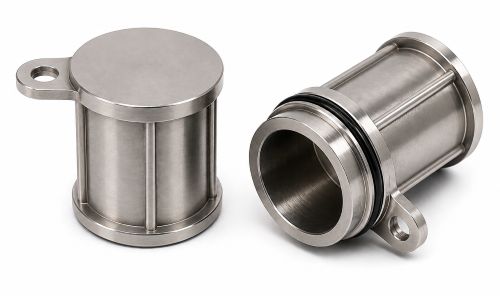
Hydraulic ORFS Protective Plugs are specially designed protective devices used to cover and safeguard ORFS (O-Ring Face Seal) hydraulic fittings when they are not connected or in service. They are typically installed on fitting ports, hose ends, adapters, and hydraulic components to prevent dirt, moisture, debris, and other contaminants from entering the system.
These plugs are available in various sizes and materials to match different ORFS fitting specifications and operating environments. They are commonly used during manufacturing, storage, transportation, and maintenance activities.
Although they may seem like simple accessories, ORFS protective plugs serve as an important first line of defense against contamination-related failures.
Understanding ORFS Hydraulic Fittings
Before discussing protective plugs in detail, it is important to understand the fittings they are designed to protect.
What Is an ORFS Fitting?
ORFS stands for O-Ring Face Seal, a hydraulic fitting design developed to provide leak-free connections in high-pressure fluid systems. ORFS fittings utilize an elastomeric O-ring positioned on the face of the fitting. When connected, the O-ring compresses against a flat sealing surface, creating a secure and highly reliable seal.
Benefits of ORFS Fittings
ORFS fittings have become popular across many industries because they offer:
1. Excellent leak prevention
2. High-pressure capability
3. Superior vibration resistance
4. Reliable performance in demanding environments
5. Reduced maintenance requirements
Because ORFS fittings depend on precision-machined sealing surfaces and O-rings, protecting these critical components is essential. This is where ORFS protective plugs become invaluable.
Why Hydraulic Systems Need Protection
Hydraulic systems operate with extremely tight tolerances. Even microscopic contaminants can cause significant damage to pumps, valves, cylinders, and seals.
1. Dust and Dirt Contamination
Dust particles can enter exposed hydraulic ports during storage or installation. Once inside the system, these particles circulate with the hydraulic fluid and can:
➡️ Accelerate component wear
➡️ Damage seals
➡️ Restrict fluid flow
➡️ Reduce system efficiency
2. Moisture Intrusion
Moisture is another common threat to hydraulic systems. Water contamination can lead to:
➡️ Internal corrosion
➡️ Oxidation of metal components
➡️ Degradation of hydraulic fluid
➡️ Reduced lubrication performance
3. Physical Damage to Sealing Surfaces
ORFS fittings rely on smooth sealing surfaces to maintain leak-free connections. Exposed fittings can become scratched, dented, or damaged during handling and transportation, compromising seal integrity.
The cost of repairing contamination-related hydraulic failures often far exceeds the small investment required for protective plugs.
Why Are Hydraulic ORFS Protective Plugs Important?
1. Prevent Contamination
The primary purpose of ORFS protective plugs is to prevent contaminants from entering hydraulic fittings.
By sealing exposed ports and connections, these plugs help block:
➡️ Dirt
➡️ Dust
➡️ Sand
➡️ Metal particles
➡️ Moisture
➡️ Industrial debris
Maintaining cleanliness during storage and transportation significantly reduces the risk of future hydraulic failures.
2. Protect Critical Sealing Surfaces
The sealing face of an ORFS fitting must remain clean and undamaged to ensure proper performance.
Protective plugs help shield sealing surfaces from:
➡️ Scratches
➡️ Impact damage
➡️ Corrosion
➡️ Environmental exposure
This protection helps preserve the integrity of the fitting and ensures a reliable connection during installation.
3. Improve Equipment Reliability
Contamination is one of the leading causes of hydraulic system failures. By reducing contamination risks, ORFS protective plugs contribute directly to:
➡️ Longer component life
➡️ Improved system reliability
➡️ Reduced downtime
➡️ Enhanced equipment performance
4. Reduce Maintenance Costs
Hydraulic repairs can be expensive and time-consuming. Preventing contamination before it occurs is far more cost-effective than replacing damaged pumps, valves, hoses, and seals.
Using ORFS protective plugs helps organizations:
➡️ Lower maintenance expenses
➡️ Reduce repair frequency
➡️ Minimize replacement costs
➡️ Improve overall equipment lifecycle value
5. Support Cleanliness Standards
Many industries follow strict cleanliness standards for hydraulic systems. Protective plugs help maintain compliance with contamination-control procedures throughout manufacturing, shipping, and installation processes.
Types of Hydraulic ORFS Protective Plugs
Different applications require different levels of protection. Several types of ORFS protective plugs are available to meet various needs.
1. Plastic ORFS Protective Plugs
Plastic plugs are among the most commonly used options.
Benefits include:
➡️ Lightweight construction
➡️ Cost-effectiveness
➡️ Corrosion resistance
➡️ Easy installation
They are ideal for general storage and transportation applications.
2. Heavy-Duty Protective Plugs
For harsh industrial environments, heavy-duty plugs provide enhanced durability and impact resistance.
These plugs are commonly used in:
➡️ Construction equipment
➡️ Mining machinery
➡️ Heavy manufacturing operations
3. High-Temperature Protective Plugs
Certain applications expose hydraulic components to elevated temperatures. High-temperature protective plugs are manufactured from specialized materials that maintain their performance under extreme conditions.
4. Metal Protective Plugs
Metal plugs offer maximum durability and are often used where long-term protection is required. They provide excellent resistance to physical damage and harsh operating environments.
How to Choose the Right ORFS Protective Plug
Selecting the correct protective plug is critical for ensuring adequate protection.
1. Verify Size Compatibility
Always choose a plug that matches the exact ORFS fitting size and thread specification. Improper sizing may result in inadequate protection or accidental contamination.
2. Consider Environmental Conditions
Evaluate where the protected component will be stored or transported.
Factors to consider include:
➡️ Temperature extremes
➡️ Moisture exposure
➡️ UV exposure
➡️ Chemical exposure
➡️ Dust levels
3. Select the Appropriate Material
Different materials offer varying levels of durability and chemical resistance.
Common materials include:
➡️ Polyethylene (PE)
➡️ Polypropylene (PP)
➡️ Nylon
➡️ Rubber compounds
➡️ Metal alloys
4. Assess Protection Requirements
A fitting stored indoors may only require a standard plastic plug, while equipment shipped internationally or exposed to harsh conditions may require heavy-duty protection.
Best Practices for Using ORFS Protective Plugs
To maximize effectiveness, organizations should follow established best practices.
1. Install Immediately After Manufacturing
Protective plugs should be installed as soon as fittings or hydraulic components are manufactured to minimize contamination exposure.
2. Inspect Before Use
Always inspect plugs before installation to ensure they are:
➡️ Clean
➡️ Undamaged
➡️ Properly sized
3. Replace Damaged Plugs
Cracked, worn, or damaged plugs should be replaced immediately to maintain effective protection.
4. Store Components Properly
Even with protective plugs installed, hydraulic components should be stored in clean, dry environments whenever possible.
5. Incorporate Into Maintenance Procedures
Protective plugs should be included in standard maintenance and contamination-control protocols across the organization.
Industries That Rely on ORFS Protective Plugs
Hydraulic ORFS protective plugs are used across numerous industries, including:
Construction
Heavy equipment such as excavators, loaders, and cranes depend on hydraulic systems that require contamination protection.
Agriculture
Tractors, harvesters, and agricultural implements utilize ORFS fittings extensively and benefit from proper protection during seasonal storage.
Manufacturing
Industrial machinery relies on clean hydraulic systems to maintain productivity and operational efficiency.
Mining
Mining equipment operates in extremely dusty and abrasive environments where contamination control is essential.
Transportation
Hydraulic systems used in trucks, trailers, and mobile equipment require reliable protection throughout transportation and maintenance cycles.
Common Mistakes to Avoid
When using ORFS protective plugs, avoid these common errors:
Using the Wrong Size
An incorrectly sized plug may fail to provide an effective seal against contaminants.
Reusing Damaged Plugs
Damaged plugs can compromise cleanliness and should be replaced immediately.
Delaying Installation
Leaving fittings exposed, even briefly, increases contamination risks.
Ignoring Environmental Factors
Selecting the wrong material for harsh conditions can reduce protection effectiveness.
Removing Protection Too Early
Protective plugs should remain in place until the fitting is ready for final installation.
Frequently Asked Questions
Are ORFS protective plugs reusable?
Many protective plugs can be reused if they remain clean and undamaged. However, damaged plugs should always be replaced.
Do ORFS protective plugs prevent hydraulic leaks?
Protective plugs are primarily designed to prevent contamination and protect fittings. They are not intended as permanent pressure-retaining devices.
What materials are commonly used for ORFS protective plugs?
Common materials include polyethylene, polypropylene, nylon, rubber, and various metal alloys.
Are protective plugs necessary during shipping?
Yes. Shipping environments expose hydraulic components to dust, moisture, and physical damage. Protective plugs help minimize these risks.
Can protective plugs extend equipment life?
Yes. By reducing contamination and protecting sealing surfaces, protective plugs contribute to longer hydraulic component life and improved system reliability.
Conclusion
Hydraulic ORFS Protective Plugs may be small components, but their impact on hydraulic system reliability is significant. They provide essential protection against contamination, moisture intrusion, and physical damage while helping preserve the integrity of ORFS fittings and sealing surfaces.
Whether equipment is being stored, transported, manufactured, or maintained, using high-quality ORFS protective plugs is a simple and cost-effective way to improve hydraulic system performance, reduce maintenance costs, and extend component life.
For organizations seeking greater reliability and cleaner hydraulic systems, ORFS protective plugs are not just accessories, they are a critical part of an effective contamination-control strategy.
Post time: Jun-18-2026