

Hydraulic systems are the backbone of countless industries, from construction and agriculture to manufacturing and mining. These systems rely on precision-engineered components to deliver high-pressure fluid safely and efficiently. While much attention is given to hydraulic hoses, fittings, and seals, one small yet essential accessory is often overlooked—ORFS protective caps.
Although they may appear to be simple plastic covers, ORFS protective caps play a critical role in protecting hydraulic fittings from contamination, physical damage, and environmental exposure. By keeping fittings clean during manufacturing, storage, transportation, and maintenance, these caps help extend equipment life, reduce maintenance costs, and improve overall system reliability.
In this guide, we’ll explain what ORFS protective caps are, why they are important, where they are used, and how to choose the right ones for your hydraulic applications.
What Are ORFS Protective Caps?
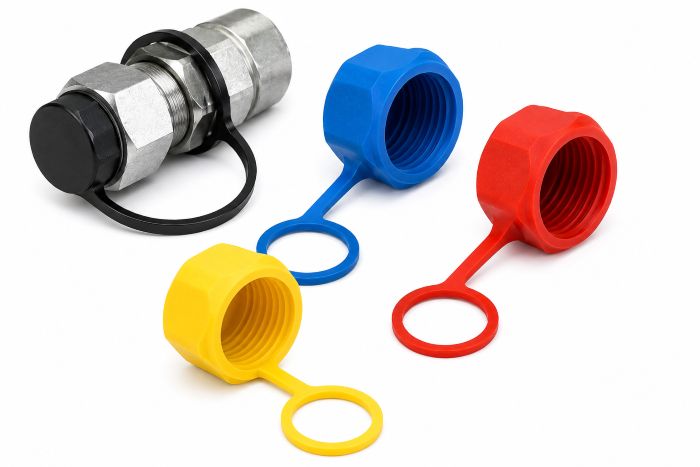
ORFS protective caps are specially designed covers that fit over O-Ring Face Seal (ORFS) hydraulic fittings to protect them when they are not connected. They act as a temporary barrier that prevents dust, dirt, moisture, and other contaminants from entering exposed hydraulic ports and fittings.
These protective caps are commonly used during:
➡️ Manufacturing
➡️ Assembly
➡️ Storage
➡️ Shipping
➡️ Equipment maintenance
➡️ Field servicing
Although they are not intended to withstand system pressure or permanently seal hydraulic connections, they provide valuable protection before installation or while equipment is temporarily disconnected.
Understanding ORFS Hydraulic Fittings
Before discussing the importance of protective caps, it’s helpful to understand ORFS fittings themselves.
What Does ORFS Stand For?
ORFS stands for O-Ring Face Seal, a type of hydraulic fitting specifically designed to provide a leak-free connection in high-pressure hydraulic systems.
Unlike traditional fittings that rely on metal-to-metal contact, ORFS fittings use an elastomer O-ring seated in the fitting face. When tightened, the O-ring compresses against the mating surface to create a highly reliable seal.
Why ORFS Fittings Are Widely Used
ORFS fittings have become a preferred choice in demanding hydraulic applications because they offer:
1. Excellent leak resistance
2. Reliable sealing under high pressure
3. Strong vibration resistance
4. Easy installation and maintenance
5. Long service life
6. Compliance with many hydraulic industry standards
These advantages make ORFS fittings common in industries where hydraulic reliability is essential.
Why Are ORFS Protective Caps Important?
Although ORFS fittings are engineered for durability, they remain vulnerable when left exposed. Protective caps help eliminate many of the risks associated with open hydraulic connections.
1. Prevent Contamination
One of the primary purposes of ORFS protective caps is preventing contamination.
Hydraulic systems require exceptionally clean fluid to operate correctly. Even microscopic particles can damage sensitive hydraulic components.
Protective caps help keep out:
➡️ Dust
➡️ Dirt
➡️ Sand
➡️ Metal shavings
➡️ Moisture
➡️ Water
➡️ Industrial debris
Without proper protection, contaminants may enter hydraulic lines and cause:
➡️ Pump wear
➡️ Valve failure
➡️ Cylinder damage
➡️ Seal deterioration
➡️ Reduced system efficiency
➡️ Costly repairs
Using protective caps significantly reduces the likelihood of contamination during storage and transportation.
2. Protect Precision Sealing Surfaces
ORFS fittings depend on smooth, accurately machined sealing faces to create leak-free hydraulic connections.
If the sealing surface becomes scratched, dented, or nicked, the O-ring may no longer seal properly.
Protective caps shield these precision-machined surfaces from:
➡️ Scratches
➡️ Impact damage
➡️ Abrasion
➡️ Accidental contact with tools
➡️ Handling damage
Protecting the sealing surface helps ensure the fitting performs as intended once installed.
3. Reduce Corrosion
Hydraulic fittings are often exposed to humid environments, rain, and changing temperatures during storage or shipping.
Moisture entering exposed fittings can result in:
➡️ Rust formation
➡️ Surface corrosion
➡️ Oxidation
➡️ Reduced fitting lifespan
ORFS protective caps help minimize direct exposure to moisture and airborne contaminants, preserving the integrity of metal components until installation.
4. Lower Maintenance Costs
Replacing damaged hydraulic components can be expensive. Contamination or physical damage caused by uncovered fittings often leads to premature equipment failures.
Using ORFS protective caps helps reduce:
➡️ Emergency repairs
➡️ Replacement parts
➡️ Maintenance labor
➡️ Hydraulic fluid contamination
➡️ Equipment downtime
Considering their relatively low cost, protective caps offer an excellent return on investment by preventing much more expensive repairs.
5. Improve Equipment Reliability
Clean hydraulic systems perform better and last longer.
By preventing contamination and protecting fittings before installation, ORFS protective caps contribute to:
1. More reliable hydraulic performance
2. Longer component life
3. Improved operational efficiency
4. Reduced unexpected failures
5. Greater equipment uptime
For industries where downtime directly impacts productivity, these benefits are particularly valuable.
Common Applications of ORFS Protective Caps
ORFS protective caps are used across a wide range of industries wherever hydraulic systems are present.
Construction Equipment
Heavy machinery frequently operates in dusty, muddy, and abrasive environments.
Typical equipment includes:
➡️ Excavators
➡️ Bulldozers
➡️ Wheel loaders
➡️ Cranes
➡️ Backhoes
Protective caps help prevent dirt and debris from entering exposed hydraulic fittings during transportation, servicing, or equipment assembly.
Agricultural Machinery
Agricultural equipment regularly encounters soil, dust, fertilizers, and moisture.
Common applications include:
➡️ Tractors
➡️ Harvesters
➡️ Sprayers
➡️ Balers
➡️ Seeders
Keeping hydraulic fittings protected reduces contamination and improves equipment reliability throughout the growing season.
Manufacturing Equipment
Industrial facilities depend on hydraulic power for numerous machines, including:
➡️ Hydraulic presses
➡️ CNC equipment
➡️ Injection molding machines
➡️ Automated production lines
Protective caps help maintain clean hydraulic systems during assembly and maintenance.
Mining Equipment
Mining operations expose hydraulic systems to some of the harshest environments imaginable.
Protective caps help safeguard fittings on:
➡️ Drilling equipment
➡️ Loaders
➡️ Haul trucks
➡️ Underground machinery
Reducing contamination is essential for maintaining reliable equipment in remote mining locations.
Transportation and Material Handling
Hydraulic systems are widely used in transportation equipment such as:
➡️ Lift gates
➡️ Hydraulic trailers
➡️ Forklifts
➡️ Material handling systems
Protective caps help maintain cleanliness while equipment is shipped or serviced.
Marine and Offshore Applications
Marine environments introduce saltwater, humidity, and corrosion challenges.
ORFS protective caps provide additional protection for hydraulic components used in:
➡️ Hydraulic steering systems
➡️ Winches
➡️ Deck machinery
➡️ Offshore equipment
Materials Used in ORFS Protective Caps
Protective caps are manufactured from different materials depending on the intended application.
Low-Density Polyethylene (LDPE)
LDPE is commonly used because it offers:
➡️ Flexibility
➡️ Lightweight construction
➡️ Cost-effectiveness
➡️ Good chemical resistance
It is ideal for general-purpose protection.
High-Density Polyethylene (HDPE)
HDPE provides greater durability than LDPE.
Benefits include:
➡️ Higher impact resistance
➡️ Better rigidity
➡️ Improved wear resistance
➡️ Longer service life
These caps are often chosen for heavy-duty industrial environments.
Polypropylene (PP)
Polypropylene offers:
1. Excellent chemical resistance
2. Higher temperature tolerance
3. Good mechanical strength
It is suitable for applications involving harsher operating conditions.
Rubber Materials
Some protective caps are manufactured from rubber or elastomeric materials.
These provide:
➡️ Improved sealing
➡️ Better moisture protection
➡️ Flexible installation
➡️ Enhanced grip
Rubber caps are commonly used when additional environmental protection is required.
How to Choose the Right ORFS Protective Caps
Selecting the proper protective cap ensures maximum protection and compatibility.
Consider the following factors:
Correct Size
Always choose a cap specifically designed for your ORFS fitting size.
A properly fitted cap should:
➡️ Stay securely in place
➡️ Be easy to install
➡️ Remove without damaging the fitting
➡️ Fully cover the sealing surface
Material Selection
Choose materials based on the operating environment.
For example:
➡️ LDPE for general indoor use
➡️ HDPE for rugged industrial applications
➡️ Polypropylene for chemical exposure
➡️ Rubber where enhanced sealing is required
Environmental Conditions
Consider whether the caps will be exposed to:
➡️ UV radiation
➡️ Extreme temperatures
➡️ Rain
➡️ Saltwater
➡️ Chemicals
➡️ Heavy dust
Selecting the appropriate material improves long-term performance.
Color Coding
Many manufacturers offer protective caps in different colors.
Color coding can simplify:
➡️ Inventory management
➡️ Size identification
➡️ Production organization
➡️ Quality control
Best Practices for Using ORFS Protective Caps
To maximize protection, follow these best practices.
Keep fittings capped until installation.
Avoid exposing hydraulic fittings any longer than necessary.
Inspect caps before use.
Replace any cap that is cracked, worn, or damaged.
Store equipment properly.
Even when capped, hydraulic components should be stored in clean, dry environments whenever possible.
Protect fittings during transportation.
Install protective caps before shipping equipment or replacement parts to minimize contamination and handling damage.
Replace damaged caps immediately.
Protective caps are inexpensive compared to the cost of repairing contaminated hydraulic systems.
Common Mistakes to Avoid
Avoid these common errors when using ORFS protective caps.
Using the Wrong Size
A loose cap can fall off, while one that is too small may not fully protect the fitting.
Reusing Damaged Caps
Cracked or deformed caps provide reduced protection and should be replaced.
Removing Caps Too Early
Leaving fittings exposed during storage or assembly increases the risk of contamination.
Ignoring Environmental Conditions
Using standard plastic caps in harsh outdoor conditions without considering UV resistance or chemical exposure may reduce their effectiveness.
Choosing Low-Quality Products
Poor-quality protective caps may crack easily, fit improperly, or fail to provide adequate protection.
Investing in high-quality caps helps protect much more valuable hydraulic equipment.
Benefits of ORFS Protective Caps at a Glance
|
Benefit |
Why It Matters |
|
Prevent contamination |
Protects pumps, valves, cylinders, and seals |
|
Protect sealing surfaces |
Maintains leak-free hydraulic connections |
|
Reduce corrosion |
Extends fitting lifespan |
|
Lower maintenance costs |
Reduces repair and replacement expenses |
|
Improve reliability |
Supports consistent hydraulic performance |
|
Easy installation |
Saves time during assembly and maintenance |
|
Cost-effective |
Provides significant protection at a low cost |
Frequently Asked Questions
What are ORFS protective caps used for?
They protect exposed ORFS hydraulic fittings from dirt, dust, moisture, and physical damage during storage, transportation, assembly, and maintenance.
Are ORFS protective caps reusable?
Many plastic protective caps can be reused if they remain clean and undamaged. However, damaged or worn caps should always be replaced to ensure reliable protection.
Do ORFS protective caps prevent hydraulic leaks?
No. ORFS protective caps are designed for temporary protection only. They do not create a pressure-rated seal or replace properly installed hydraulic fittings.
What materials are ORFS protective caps made from?
Common materials include low-density polyethylene (LDPE), high-density polyethylene (HDPE), polypropylene (PP), and rubber, each offering different levels of durability and environmental resistance.
How do I choose the correct ORFS protective cap size?
Match the cap to the specifications of your ORFS fitting. A properly sized cap should fit securely, completely cover the sealing surface, and remain in place during handling and transport.
Can ORFS protective caps be used outdoors?
Yes. Many protective caps are suitable for outdoor use, but selecting a material with adequate UV, moisture, and chemical resistance is recommended for long-term exposure.
Are protective caps necessary during shipping?
Absolutely. Shipping exposes hydraulic fittings to dust, moisture, vibration, and accidental impacts. Protective caps help preserve cleanliness and prevent damage until installation.
Conclusion
Although ORFS protective caps are small and inexpensive, they play a vital role in protecting hydraulic systems. By preventing contamination, shielding precision sealing surfaces, reducing corrosion, and minimizing maintenance costs, these simple components help ensure that hydraulic equipment performs reliably throughout its service life.
Whether you manufacture hydraulic assemblies, maintain heavy equipment, or distribute hydraulic components, investing in high-quality ORFS protective caps is a practical and cost-effective way to safeguard your equipment. Choosing the correct size, material, and quality level can help reduce downtime, extend component life, and maintain the performance of your hydraulic systems for years to come.
Post time: Jul-02-2026