

When working with hydraulic systems, choosing the correct fitting is critical to ensuring leak-free performance and long-term reliability. One of the most widely used sealing solutions in hydraulic applications is the ORB (O-Ring Boss) thread. Understanding the correct ORB thread size and dimension is essential for proper installation, pressure performance, and compatibility.
In this complete guide, you’ll learn what ORB threads are, how they work, how to measure them, and how to use a detailed ORB thread size and dimension chart for accurate identification.
What Is an ORB Thread?
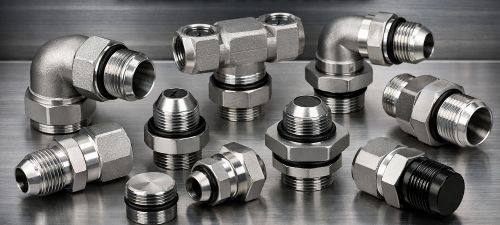
ORB (O-Ring Boss) is a straight-thread fitting that seals using an elastomeric O-ring rather than thread interference. ORB threads follow SAE J1926 and ISO 11926 standards and are commonly used in high-pressure hydraulic systems.
How ORB Sealing Works
Unlike tapered threads such as NPT, ORB fittings:
1. Use straight UN/UNF threads
2. Seal through O-ring compression inside a machined port
3. Do not rely on thread deformation for sealing
When tightened, the O-ring compresses against the port’s chamfer or spotface, creating a secure and leak-resistant seal.
Common Applications
ORB fittings are widely used in:
1. Hydraulic power units
2. Heavy construction equipment
3. Agricultural machinery
4. Industrial hydraulic systems
5. Automotive hydraulic lines
ORB Thread Standards and Specifications
SAE Standards
ORB threads are governed by:
➡️ SAE J1926 – Straight Thread O-Ring Boss Ports
➡️ ISO 11926 – International equivalent standard
➡️ UN/UNF thread standards – Unified thread system
Thread Type
➡️ Straight threads (NOT tapered)
➡️ Typically UNF (Unified National Fine) threads
➡️ 60° thread angle
Pressure Ratings
ORB fittings are suitable for high-pressure applications. Pressure capability depends on:
➡️ Thread size
➡️ Material (steel, stainless steel, brass)
➡️ O-ring material
➡️ Installation torque
Proper sizing and installation ensure maximum pressure performance.
ORB Thread Size and Dimension Chart
Below is a commonly referenced ORB thread size and dimension chart. Always verify measurements with a caliper and thread gauge.
|
Dash Size |
Thread Size |
Threads Per Inch (TPI) |
Major Diameter (in) |
|
-02 |
5/16-24 UNF |
24 |
0.3125 |
|
-04 |
7/16-20 UNF |
20 |
0.4375 |
|
-05 |
1/2-20 UNF |
20 |
0.5000 |
|
-06 |
9/16-18 UNF |
18 |
0.5625 |
|
-08 |
3/4-16 UNF |
16 |
0.7500 |
|
-10 |
7/8-14 UNF |
14 |
0.8750 |
|
-12 |
1-1/16-12 UN |
12 |
1.0625 |
|
-16 |
1-5/16-12 UN |
12 |
1.3125 |
|
-20 |
1-5/8-12 UN |
12 |
1.6250 |
|
-24 |
1-7/8-12 UN |
12 |
1.8750 |
The “dash size” corresponds to the tubing size in sixteenths of an inch.
Example: -08 = 8/16 = 1/2 inch nominal tube size.
How to Measure ORB Thread Size and Dimension
Correct identification prevents cross-threading and leakage. Follow these steps:
Tools Required
➡️ Digital caliper
➡️ Thread pitch gauge
➡️ ORB thread size and dimension chart
Step 1: Measure the Major Diameter
Use a caliper to measure the outside diameter of the male thread.
Step 2: Determine Threads Per Inch (TPI)
Use a thread pitch gauge to count threads per inch.
Step 3: Match with Chart
Compare your measurements to the ORB thread size and dimension chart to identify the correct dash size.
Step 4: Confirm It’s ORB
Verify:
➡️ Straight threads
➡️ Presence of O-ring on male fitting
➡️ Flat face with O-ring groove
ORB Thread Size vs Other Thread Types
Misidentifying thread types is a common mistake. Here’s how ORB compares:
ORB vs NPT
|
Feature |
ORB |
NPT |
|
Thread Type |
Straight |
Tapered |
|
Sealing Method |
O-ring |
Thread interference |
|
Sealant Needed |
No |
Yes |
|
Reusability |
High |
Limited |
Important: ORB and NPT are NOT interchangeable.
ORB vs JIC
1. ORB seals with O-ring compression
2. JIC seals with a 37° metal-to-metal flare
3. Threads may appear similar but are not interchangeable
ORB vs BSPP
1. ORB thread angle: 60°
2. BSPP thread angle: 55°
3. Different pitch and standards
4. Not compatible
ORB Port Dimensions and Installation Specifications
Proper port machining is essential.
Port Design Requirements
➡️ Counterbore depth
➡️ O-ring groove dimensions
➡️ Spotface surface finish
SAE J1926 provides precise port dimension specifications that must be followed for correct sealing.
Torque Specifications
Correct torque ensures O-ring compression without damage.
General guidelines (varies by manufacturer):
1. Small sizes (-04 to -06): lower torque range
2. Medium sizes (-08 to -12): moderate torque
3. Large sizes (-16 and above): higher torque
Always consult manufacturer torque charts for exact values.
Over-tightening can:
1. Crush the O-ring
2. Damage port threads
3. Cause premature leaks
Common ORB Thread Sizing Mistakes
1. Confusing ORB with NPT
2. Ignoring thread pitch measurement
3. Measuring minor diameter instead of major diameter
4. Forgetting to check for O-ring groove
5. Assuming all straight threads are ORB
Accurate measurement prevents costly downtime and rework.
Benefits of Using ORB Threads
✔ Leak-resistant O-ring seal
✔ High-pressure capability
✔ Reusable connections
✔ No need for thread sealant
✔ Reliable performance in vibration environments
These benefits make ORB fittings a preferred choice in hydraulic systems.
Frequently Asked Questions
1. What does ORB stand for?
ORB stands for O-Ring Boss.
2. Are ORB threads tapered?
No. ORB threads are straight UN/UNF threads.
3. Can ORB fittings be used in NPT ports?
No. They are not compatible due to different sealing methods and thread designs.
4. How do I quickly identify ORB thread size and dimension?
Measure major diameter, check TPI, and compare with a reliable ORB thread size and dimension chart.
5. Do ORB fittings require sealant?
No. The O-ring provides the seal.
Conclusion
Understanding the correct ORB thread size and dimension is critical for ensuring leak-free hydraulic connections and long-term system reliability. By using the proper measurement tools and referencing a detailed ORB thread size and dimension chart, you can confidently identify the correct fitting and avoid costly installation errors.
Whether you’re designing hydraulic systems, replacing fittings, or troubleshooting leaks, accurate thread identification is essential. Always verify thread size, pitch, and port specifications before installation to ensure optimal performance and safety.
Post time: Feb-13-2026