

In industrial environment, hydraulic and fluid transfer systems must deliver exceptional reliability, safety, and efficiency. Even a minor leak or loose connection can lead to equipment downtime, increased maintenance costs, and reduced productivity.
That’s why OEM Bite Type Fittings have become one of the most trusted connection solutions across industries.
Designed to create secure, leak-free connections under high pressure, OEM Bite Type Fittings are widely used in hydraulic systems, pneumatic applications, construction equipment, oil and gas operations, industrial automation, and heavy machinery. Their precision engineering, durability, and ease of installation make them an ideal choice for Original Equipment Manufacturers (OEMs) and maintenance professionals alike.
In this comprehensive guide, we’ll explore what OEM Bite Type Fittings are, how they work, their key benefits, common applications, installation best practices, maintenance tips, and how to select the right fitting for your specific application.
What Are OEM Bite Type Fittings?
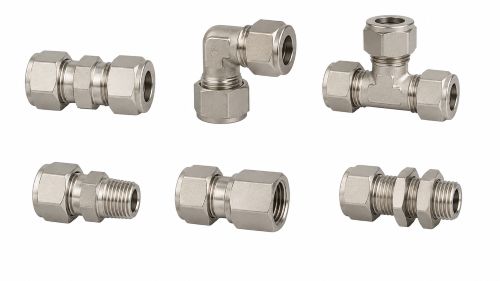
OEM Bite Type Fittings are mechanical tube fittings designed to connect tubing securely without welding or flaring. They use a specially designed ferrule that “bites” into the outer surface of the tube when the fitting is tightened. This creates a strong mechanical grip while simultaneously forming a leak-tight seal.
The term OEM (Original Equipment Manufacturer) indicates that these fittings are manufactured to meet the exact specifications and quality standards required by equipment manufacturers. OEM fittings ensure consistent performance, precise dimensions, and compatibility with hydraulic and pneumatic systems.
Main Components of OEM Bite Type Fittings
Every bite type fitting typically consists of four essential parts:
1. Fitting body
2. Nut
3. Ferrule (single or double)
4. Hydraulic or pneumatic tube
Together, these components create a durable connection capable of withstanding vibration, pressure fluctuations, and demanding operating conditions.
How OEM Bite Type Fittings Work
The operating principle of bite type fittings is simple yet highly effective.
As the nut is tightened onto the fitting body, the ferrule is compressed between the body and the tube. The ferrule then bites into the outer wall of the tube, forming a permanent mechanical grip. At the same time, metal-to-metal contact creates a reliable seal that prevents fluid leakage.
Unlike welded joints, bite type fittings do not require heat or specialized equipment, making installation quicker and easier while maintaining excellent sealing performance.
Basic Installation Process
1. Cut the tube squarely.
2. Remove all burrs and clean the tube.
3. Insert the tube fully into the fitting body.
4. Slide the ferrule and nut into position.
5. Tighten the nut according to the manufacturer’s recommended torque.
6. Inspect the connection and perform pressure testing before operation.
7. Proper installation ensures optimal sealing and long-term reliability.
Key Features of OEM Bite Type Fittings
OEM Bite Type Fittings are designed to meet the demanding requirements of industrial fluid systems.
Precision Engineering
Manufactured with tight dimensional tolerances, OEM fittings provide accurate assembly and consistent sealing performance.
High Pressure Capability
These fittings are engineered to operate safely under high hydraulic pressures, making them suitable for demanding industrial environments.
Leak-Free Sealing
The ferrule creates a secure metal-to-metal seal that minimizes the risk of leaks even under vibration and pressure cycling.
Corrosion Resistance
Available in stainless steel, carbon steel, brass, and specialty alloys, OEM Bite Type Fittings can withstand harsh operating environments.
Long Service Life
High-quality materials and precision manufacturing contribute to extended operational life with minimal maintenance.
Easy Installation
Since no welding or flaring is required, installation is faster and more cost-effective than many alternative connection methods.
Benefits of OEM Bite Type Fittings
Using OEM Bite Type Fittings offers numerous operational and economic advantages.
Improved Reliability
Leak-free hydraulic connections improve equipment performance and reduce unexpected failures.
Lower Maintenance Costs
Reliable fittings reduce fluid leakage, minimize repairs, and extend equipment service intervals.
Enhanced Safety
Properly installed fittings reduce the risk of hazardous fluid leaks, helping maintain a safer workplace.
Reduced Downtime
Reliable connections minimize unexpected shutdowns and improve production efficiency.
Excellent Vibration Resistance
The mechanical grip provided by the ferrule helps maintain secure connections even in heavy machinery exposed to constant vibration.
Long-Term Cost Savings
Although premium OEM fittings may have a higher initial cost, their durability and reliability reduce the total cost of ownership.
Common Applications of OEM Bite Type Fittings
OEM Bite Type Fittings are used across numerous industries due to their versatility and dependable performance.
Hydraulic Systems
Hydraulic cylinders, pumps, valves, and control systems rely on bite type fittings for secure fluid connections.
Pneumatic Systems
Compressed air systems benefit from reliable, leak-resistant tube connections.
Construction Equipment
Excavators, bulldozers, cranes, and loaders require durable hydraulic fittings capable of handling heavy-duty operation.
Oil and Gas Industry
High-pressure pipelines and hydraulic control systems use bite type fittings for dependable sealing.
Agricultural Machinery
Tractors, harvesters, sprayers, and irrigation equipment depend on reliable hydraulic components.
Industrial Automation
Manufacturing equipment and robotic systems require precision fluid control made possible by high-quality fittings.
Marine Industry
Corrosion-resistant stainless steel bite type fittings perform well in saltwater environments.
Power Generation
Hydraulic systems in power plants rely on dependable fluid connections to ensure operational stability.
Types of OEM Bite Type Fittings
OEM manufacturers produce various fitting configurations to accommodate different system layouts.
Common types include:
➡️ Straight Fittings
➡️ Elbow Fittings
➡️ Tee Fittings
➡️ Cross Fittings
➡️ Bulkhead Fittings
➡️ Male Connectors
➡️ Female Connectors
➡️ Reducers
Each fitting serves a specific purpose depending on tubing direction, space limitations, and connection requirements.
Materials Used in OEM Bite Type Fittings
Choosing the correct material significantly impacts fitting performance and lifespan.
Stainless Steel
Ideal for corrosive environments, chemical processing, marine applications, and food-grade systems.
Advantages:
➡️ Excellent corrosion resistance
➡️ High strength
➡️ Long service life
Carbon Steel
Commonly used in hydraulic systems where corrosion exposure is limited.
Advantages:
➡️ High pressure capability
➡️ Cost-effective
➡️ Durable
Brass
Suitable for low-pressure pneumatic systems and water applications.
Advantages:
➡️ Corrosion resistant
➡️ Easy to machine
➡️ Good thermal conductivity
Specialty Alloys
Industries with extreme temperatures or aggressive chemicals often require nickel-based or other specialized alloys.
How to Choose the Right OEM Bite Type Fittings
Selecting the correct fitting involves evaluating several important factors.
Operating Pressure
Ensure the fitting’s pressure rating exceeds the maximum system pressure.
Operating Temperature
Choose materials that can withstand the system’s temperature range.
Fluid Compatibility
Verify compatibility with hydraulic oil, water, chemicals, or gases being transported.
Material Selection
Consider corrosion resistance, environmental conditions, and expected service life.
Tube Size
Always match the fitting to the tube’s outside diameter and wall thickness.
Thread Type
Confirm compatibility with NPT, BSP, JIC, SAE, DIN, or other thread standards.
Industry Standards
Select fittings manufactured according to internationally recognized quality standards.
OEM Bite Type Fittings vs. Other Hydraulic Fittings
Understanding the differences between fitting types helps buyers make informed decisions.
|
Feature |
Bite Type |
Compression |
Flared |
|
Leak Resistance |
Excellent |
Good |
Very Good |
|
Pressure Rating |
High |
Medium |
High |
|
Installation |
Easy |
Easy |
Moderate |
|
Vibration Resistance |
Excellent |
Moderate |
Good |
|
Maintenance |
Low |
Moderate |
Low |
For most high-pressure hydraulic applications, bite-type fittings offer one of the best combinations of strength, reliability, and ease of installation.
Installation Best Practices
To maximize fitting performance:
1. Use clean, undamaged tubing.
2. Cut tubing squarely.
3. Remove burrs before assembly.
4. Insert the tube completely into the fitting body.
5. Follow the manufacturer’s tightening recommendations.
6. Avoid over-tightening.
7. Perform leak testing before placing the system into operation.
8. Correct installation is essential for long-term sealing performance.
Maintenance Tips
Routine maintenance extends the life of OEM Bite Type Fittings.
Recommended practices include:
1. Inspect fittings regularly for leaks.
2. Check for corrosion or mechanical damage.
3. Replace worn ferrules when necessary.
4. Keep hydraulic systems clean.
5. Verify fitting tightness during scheduled maintenance.
6. Replace damaged components immediately.
Preventive maintenance reduces downtime and improves equipment reliability.
Common Problems and Solutions
Hydraulic Leaks
Possible Causes
➡️ Loose fittings
➡️ Damaged ferrules
➡️ Improper installation
➡️ Tube scratches
Solutions
➡️ Retighten according to specifications.
➡️ Replace damaged components.
➡️ Reinstall using proper procedures.
➡️ Inspect tubing before assembly.
Corrosion
Use stainless steel fittings in corrosive environments and perform regular inspections.
Loose Connections
Ensure proper installation torque and inspect equipment exposed to continuous vibration.
Why OEM Quality Matters
Not all hydraulic fittings deliver the same level of performance.
High-quality OEM Bite Type Fittings provide:
1. Precision manufacturing
2. Consistent dimensional accuracy
3. Reliable sealing performance
4. Longer service life
5. Reduced maintenance costs
6. Better compatibility with OEM equipment
7. Improved operational safety
Investing in quality components helps prevent costly failures and extends equipment life.
Frequently Asked Questions
What are OEM Bite Type Fittings?
They are precision-engineered tube fittings that create secure, leak-proof connections by allowing a ferrule to grip the tube during installation.
How do Bite Type Fittings prevent leaks?
The ferrule forms a strong mechanical grip while creating a metal-to-metal seal that prevents fluid leakage.
Can Bite Type Fittings be reused?
The fitting body and nut can often be reused if they are undamaged, but ferrules should be inspected carefully and replaced when necessary to ensure proper sealing.
What materials are commonly available?
Stainless steel, carbon steel, brass, and specialty alloys are the most common options.
Which industries use OEM Bite Type Fittings?
Hydraulic equipment, construction machinery, agriculture, oil and gas, mining, marine, manufacturing, chemical processing, and industrial automation all rely on these fittings.
Conclusion
OEM Bite Type Fittings play a critical role in maintaining safe, efficient, and leak-free hydraulic and pneumatic systems. Their precision engineering, high-pressure capability, excellent vibration resistance, and long service life make them a preferred choice for OEM manufacturers and industrial operators worldwide.
Whether you’re designing new hydraulic equipment or replacing existing components, selecting high-quality OEM Bite Type Fittings ensures reliable performance, reduced maintenance, improved safety, and lower operating costs. By choosing the correct materials, following proper installation practices, and performing routine maintenance, businesses can maximize equipment efficiency and extend the lifespan of their fluid transfer systems.
If you’re looking for dependable hydraulic connection solutions, investing in premium OEM Bite Type Fittings is a smart decision that delivers lasting value and performance.
Post time: Jun-26-2026