

Hydraulic systems rely on precision, durability, and leak-free performance to operate efficiently. While major components like pumps and valves often get the spotlight, smaller parts like hydraulic NPT plugs play an equally critical role. These compact fittings are essential for sealing, protecting, and maintaining system integrity.
In this guide, you’ll learn what hydraulic NPT plugs are, how they work, their common uses, available sizes, and practical tips for choosing the right one for your application.
What Are Hydraulic NPT Plugs?
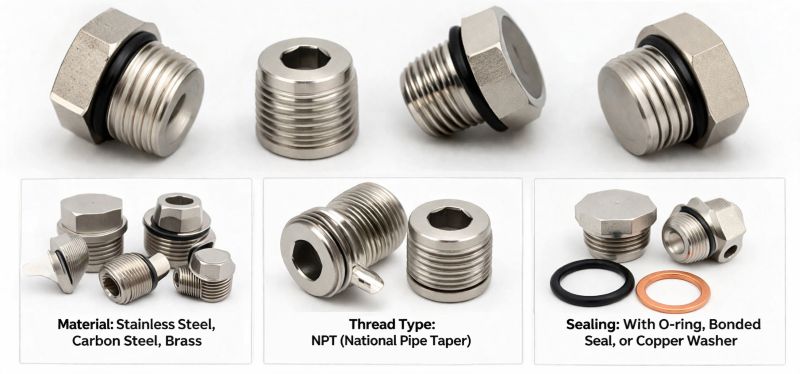
Hydraulic NPT plugs are threaded fittings used to seal the ends of pipes, ports, or openings in hydraulic systems. “NPT” stands for National Pipe Tapered, a widely used thread standard in North America for joining pipes and fittings.
Unlike straight threads, NPT threads are tapered. This means the diameter of the thread gradually decreases along its length, allowing the plug to form a tight, secure seal as it is screwed into a matching female port. This design helps prevent leaks without requiring additional sealing components, though sealants are often still used for extra protection.
In simple terms, a hydraulic NPT plug is a small but vital component that ensures fluids stay contained within the system.
How NPT Threads Work
The effectiveness of an NPT plug lies in its tapered thread design. As the plug is tightened into a threaded port, the taper causes the threads to compress against each other. This creates a mechanical seal that becomes tighter with torque.
Key characteristics of NPT threads include:
➡️ Tapered profile for interference sealing
➡️ Thread angle of 60 degrees
➡️ Self-sealing capability (enhanced with sealant)
It’s important to distinguish NPT from other thread types, such as BSP (British Standard Pipe). These are not interchangeable, and using the wrong type can result in leaks or damage.
Common Materials Used in Hydraulic NPT Plugs
Hydraulic NPT plugs are available in a variety of materials to suit different environments and pressure requirements:
1. Carbon Steel
➡️ High strength and durability
➡️ Suitable for high-pressure hydraulic systems
➡️ Often coated (e.g., zinc plating) for corrosion resistance
2. Stainless Steel
➡️ Excellent corrosion resistance
➡️ Ideal for harsh environments (marine, chemical exposure)
➡️ Slightly more expensive but longer-lasting
3. Brass
➡️ Good corrosion resistance
➡️ Easier to install due to softer material
➡️ Common in low- to medium-pressure applications
4. Plastic (e.g., Nylon)
➡️ Lightweight and corrosion-proof
➡️ Used in low-pressure or non-critical systems
➡️ Cost-effective option
Key Features of Hydraulic NPT Plugs
Hydraulic NPT plugs are designed with several important features that make them suitable for demanding applications:
1. Leak-resistant sealing due to tapered threads
2. High-pressure tolerance depending on material
3. Corrosion resistance for long-term reliability
4. Wide compatibility with hydraulic equipment
5. Reusability when properly installed and maintained
These features make them a dependable choice for sealing and protecting hydraulic systems.
Common Uses of Hydraulic NPT Plugs
Hydraulic NPT plugs are used across a wide range of industries and applications. Here are some of the most common uses:
1. Sealing Unused Ports
In hydraulic manifolds or equipment, unused ports must be securely sealed to prevent fluid leakage and contamination. NPT plugs provide a simple and effective solution.
2. Maintenance and Repairs
During maintenance, technicians often use NPT plugs to temporarily seal openings while components are being repaired or replaced.
3. Pressure Testing
NPT plugs are used to close off sections of a system during pressure testing, ensuring accurate results and safe operation.
4. Industrial and Mobile Equipment
You’ll find hydraulic NPT plugs in:
➡️ Construction machinery
➡️ Manufacturing equipment
➡️ Agricultural vehicles
➡️ Automotive systems
➡️ Oil and gas operations
Their versatility makes them a standard component in fluid power systems.
Hydraulic NPT Plug Sizes and Standards
Choosing the correct size is critical for proper sealing and performance.
Common NPT Sizes
Hydraulic NPT plugs come in a range of standard sizes, including:
➡️ 1/8 inch
➡️ 1/4 inch
➡️ 3/8 inch
➡️ 1/2 inch
➡️ 3/4 inch
➡️ 1 inch
These sizes refer to the nominal pipe size, not the actual diameter of the threads.
Understanding Thread Measurements
1. Nominal size: A standardized reference, not the true measurement
2. Thread pitch: The distance between threads
3. Taper angle: Ensures tight sealing
Industry Standards
NPT threads are defined by ANSI/ASME standards, ensuring compatibility across manufacturers and applications.
Types of Hydraulic NPT Plugs
Different designs are available depending on installation needs and accessibility:
1. Hex Head Plugs
➡️ Easy to install with a wrench
➡️ Common in external applications
2. Square Head Plugs
➡️ Traditional design
➡️ Suitable for heavy-duty use
3. Socket (Internal Hex) Plugs
➡️ Installed using an Allen key
➡️ Ideal for tight or flush spaces
4. Magnetic Plugs
➡️ Contain a magnet to capture metal debris
➡️ Useful in systems where contamination is a concern
How to Choose the Right Hydraulic NPT Plug
Selecting the right NPT plug ensures system safety, efficiency, and longevity. Here are the key factors to consider:
1. Application Requirements
➡️ Operating pressure
➡️ Temperature range
➡️ Type of fluid (oil, water, chemicals)
2. Material Compatibility
Choose a material that can withstand:
➡️ Corrosion
➡️ Chemical exposure
➡️ Mechanical stress
For example, stainless steel is ideal for harsh environments, while brass may suffice for lighter applications.
3. Size and Thread Matching
➡️ Always match the exact NPT size
➡️ Avoid mixing thread standards (e.g., NPT vs BSP)
➡️ Ensure proper fit to prevent leaks
4. Sealing Needs
Although NPT threads are self-sealing, using a sealant improves performance:
➡️ PTFE (Teflon) tape
➡️ Liquid thread sealant
5. Environmental Conditions
Consider exposure to:
➡️ Moisture
➡️ Chemicals
➡️ Extreme temperatures
Choosing the right plug for the environment prevents premature failure.
Installation Best Practices
Proper installation is key to achieving a leak-free seal:
➡️ Clean threads thoroughly before installation
➡️ Apply sealant evenly (if required)
➡️ Tighten correctly—snug but not excessive
➡️ Use appropriate tools to avoid damage
Over-tightening can crack fittings or distort threads, leading to leaks.
Common Mistakes to Avoid
Even experienced professionals can make errors when working with NPT plugs. Avoid these common mistakes:
1. Using incompatible thread types
2. Selecting the wrong size
3. Skipping thread sealant when needed
4. Over-tightening the plug
5. Ignoring material compatibility
These issues can compromise system performance and lead to costly repairs.
Maintenance and Inspection Tips
Regular inspection helps ensure long-term reliability:
1. Check for signs of leakage
2. Inspect threads for wear or damage
3. Replace corroded or worn plugs
4. Monitor system pressure and performance
Preventive maintenance reduces downtime and extends the life of your hydraulic system.
Frequently Asked Questions (FAQs)
What does NPT stand for?
NPT stands for National Pipe Tapered, a thread standard used for sealing pipe connections.
Are hydraulic NPT plugs reusable?
Yes, they can be reused if the threads are in good condition and properly maintained.
Do NPT plugs require sealant?
While they can seal on their own, using PTFE tape or thread sealant is recommended for a more secure seal.
Can NPT plugs handle high pressure?
Yes, especially when made from materials like carbon steel or stainless steel, but always ensure they meet your system’s pressure requirements.
Conclusion
Hydraulic NPT plugs may be small, but their role in maintaining a secure, leak-free system is significant. From sealing unused ports to supporting maintenance and testing, these fittings are essential across a wide range of industries.
By understanding their function, selecting the correct size and material, and following proper installation practices, you can ensure optimal performance and system safety. When it comes to hydraulic systems, even the smallest components make a big difference.
Post time: Mar-19-2026