

Hydraulic systems rely on precision-engineered components to deliver consistent performance under high pressure. Among these components, **NPT banjo hydraulic fittings** play a critical role in creating secure, leak-resistant connections while allowing fluid to flow efficiently through compact hydraulic assemblies. Whether you’re maintaining industrial machinery, designing a new hydraulic system, or replacing worn fittings, choosing the right NPT banjo fitting is essential for ensuring safety, reliability, and long-term performance.
This buyer’s guide explains what NPT banjo hydraulic fittings are, how they work, the different types available, and the key factors to consider before making a purchase.
What Are NPT Banjo Hydraulic Fittings?
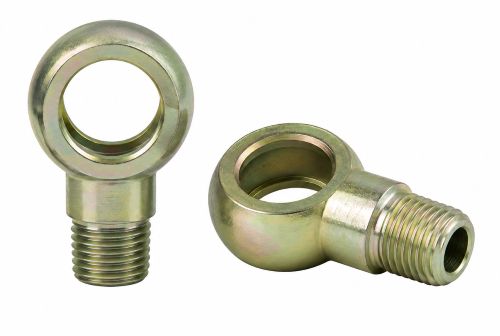
An **NPT banjo hydraulic fitting** is a specialized connector designed to join hydraulic hoses, tubes, or components in applications where space is limited. The fitting consists of a hollow, ring-shaped body (the banjo), a hollow banjo bolt, and sealing washers. Hydraulic fluid passes through the hollow bolt and into the fitting body, creating an efficient flow path.
“NPT” stands for **National Pipe Thread**, the standard tapered thread widely used throughout North America. The tapered thread design creates a tight mechanical seal when properly installed, helping reduce the risk of leaks in hydraulic systems.
Because the fitting can rotate into the desired position before the banjo bolt is tightened, it provides greater flexibility than many conventional hydraulic fittings.
Why Choose NPT Banjo Hydraulic Fittings?
Compact Installation
One of the primary advantages of banjo fittings is their compact profile. They are ideal for installations where traditional elbow fittings would require additional clearance or create hose routing challenges.
Improved Hose Routing
The rotating banjo design allows hoses to be positioned at optimal angles, minimizing sharp bends that can reduce hose life.
Reliable Sealing
When installed with the correct sealing washers and thread sealant (where applicable), NPT banjo fittings provide dependable leak protection even in demanding hydraulic environments.
Easy Maintenance
Because the fitting orientation can be adjusted before final tightening, maintenance technicians often find banjo fittings easier to install and replace than more rigid hydraulic connectors.
Common Applications
NPT banjo hydraulic fittings are used across numerous industries because of their versatility and durability.
Industrial Manufacturing
They are commonly found on hydraulic presses, injection molding equipment, machine tools, and automated production machinery.
Agricultural Equipment
Tractors, combines, sprayers, balers, and irrigation systems frequently use banjo fittings to connect hydraulic hoses in confined areas.
Construction Machinery
Excavators, bulldozers, skid steers, loaders, and cranes rely on hydraulic systems where compact fittings simplify hose routing.
Automotive Applications
Banjo fittings are widely used in hydraulic brake systems, fuel systems, power steering systems, and hydraulic clutch assemblies.
Mobile Hydraulic Equipment
Forklifts, aerial lifts, utility vehicles, and mobile service equipment also benefit from the flexibility offered by banjo fittings.
Types of NPT Banjo Hydraulic Fittings
Choosing the correct fitting style depends on your equipment layout and hydraulic routing requirements.
Straight Banjo Fittings
Straight fittings provide direct fluid flow and are best suited for installations with adequate clearance.
45-Degree Banjo Fittings
These fittings allow gradual hose direction changes, reducing stress on hydraulic hoses.
90-Degree Banjo Fittings
Ideal for tight installations, 90-degree banjo fittings help route hoses around obstacles while minimizing space requirements.
Adjustable Banjo Fittings
Some models allow precise positioning before tightening, making installation easier in complex hydraulic assemblies.
Single and Double Banjo Fittings
Single banjo fittings connect one hydraulic line, while double banjo fittings allow two hydraulic lines to share a single connection point.
Choosing the Right Material
Material selection has a major impact on durability, corrosion resistance, and system performance.
1. Carbon Steel
Carbon steel is one of the most commonly used materials for hydraulic fittings because it offers excellent strength and high-pressure performance at an economical price. Zinc-plated carbon steel also provides moderate corrosion resistance for general industrial environments.
Best for:
➡️ Industrial machinery
➡️ Construction equipment
➡️ Agricultural equipment
➡️ General hydraulic systems
2. Stainless Steel
Stainless steel banjo fittings offer exceptional corrosion resistance and long service life. They are ideal for harsh environments where moisture, chemicals, or saltwater exposure are common.
Best for:
➡️ Marine equipment
➡️ Chemical processing
➡️ Food and beverage production
➡️ Pharmaceutical facilities
➡️ Outdoor installations
3. Brass
Brass fittings resist corrosion well but are generally better suited for lower-pressure hydraulic or fluid transfer systems.
Best for:
➡️ Water systems
➡️ Low-pressure fluid applications
➡️ Pneumatic systems
Understanding NPT Thread Sizes
Selecting the correct thread size is one of the most important purchasing decisions.
Common NPT thread sizes include:
1. 1/8″ NPT
2. 1/4″ NPT
3. 3/8″ NPT
4. 1/2″ NPT
5. 3/4″ NPT
6. 1″ NPT
Because NPT threads are tapered, measuring them incorrectly is a common mistake. Always use thread gauges or consult the manufacturer’s specifications to verify compatibility.
Avoid guessing thread sizes, as mismatched threads can damage components and cause leaks.
Understanding Pressure Ratings
Every hydraulic fitting has a maximum working pressure. Choosing a fitting with an insufficient pressure rating can lead to premature failure and serious safety risks.
Pressure ratings are influenced by several factors:
➡️ Material strength
➡️ Wall thickness
➡️ Thread quality
➡️ Manufacturing precision
➡️ Operating temperature
➡️ Hydraulic fluid characteristics
Always select a fitting with a pressure rating that exceeds your system’s maximum operating pressure while maintaining an appropriate safety margin.
Key Factors to Consider Before Buying
1. Application Requirements
Consider where the fitting will be installed and the demands of the application.
Questions to ask include:
➡️ Is the equipment stationary or mobile?
➡️ Will vibration be present?
➡️ Is installation space limited?
2. Working Pressure
Choose fittings specifically designed for your hydraulic system’s pressure range.
3. Operating Temperature
Extreme temperatures affect both sealing materials and fitting performance. Verify the fitting’s operating temperature range before purchasing.
4. Hydraulic Fluid Compatibility
Different hydraulic fluids can react differently with metals and sealing materials. Confirm compatibility with:
➡️ Mineral oils
➡️ Synthetic hydraulic fluids
➡️ Water-glycol fluids
➡️ Biodegradable hydraulic oils
5. Thread Compatibility
Ensure every component uses compatible thread standards. NPT threads are not interchangeable with BSP, metric, or JIC threads without appropriate adapters.
6. Hose Size
The fitting must match the hydraulic hose diameter and flow requirements to avoid pressure loss or flow restrictions.
7. Corrosion Resistance
Outdoor equipment, marine applications, and chemical environments typically require stainless steel or specially coated fittings.
8. Manufacturer Quality
Purchase fittings from reputable manufacturers that maintain consistent machining tolerances, quality control procedures, and pressure testing.
NPT vs Other Hydraulic Thread Types
Understanding thread standards helps prevent costly installation errors.
1. NPT
➡️ Tapered thread
➡️ Mechanical sealing
➡️ Common in North America
2. BSP
➡️Parallel or tapered versions
➡️ Common throughout Europe and Asia
➡️ Different thread angle than NPT
3. JIC
➡️ Uses a 37-degree flare seal
➡️ Common in hydraulic systems
➡️ Easy to disconnect and reconnect
4. ORB (O-Ring Boss)
➡️ Straight thread
➡️ O-ring provides sealing
➡️ Excellent leak prevention
Each thread type serves a specific purpose. Always follow the equipment manufacturer’s thread specifications.
How to Identify High-Quality NPT Banjo Fittings
Not all hydraulic fittings are manufactured to the same standards.
Look for these quality indicators:
1. Precision-machined threads
2. Smooth surface finish
3. Burr-free internal passages
4. Accurate dimensions
5. Pressure-tested construction
6. High-quality plating or corrosion-resistant finish
7. Consistent manufacturing tolerances
Investing in higher-quality fittings often reduces maintenance costs and minimizes unexpected downtime.
Installation Tips
Proper installation is just as important as selecting the correct fitting.
Best Practices:
1. Clean all threads before installation.
2. Inspect sealing washers for damage.
3. Use the recommended thread sealant when required.
4. Position the banjo fitting before tightening.
5. Tighten according to the manufacturer’s torque specifications.
6. Pressure-test the system after installation.
Avoid overtightening, which can damage threads or crush sealing washers.
Maintenance Best Practices
Routine maintenance extends fitting life and improves hydraulic system reliability.
Inspect regularly for:
1. Fluid leaks
2. Loose connections
3. Corrosion
4. Thread damage
5. Worn sealing washers
6. Hose wear near the fitting
Replace damaged fittings immediately to avoid larger hydraulic failures.
Common Buying Mistakes to Avoid
Many hydraulic problems begin with incorrect fitting selection.
Common mistakes include:
1. Purchasing the wrong thread type
2. Ignoring pressure ratings
3. Selecting unsuitable materials
4. Reusing damaged sealing washers
5. Overtightening during installation
6. Buying solely based on price
7. Ignoring manufacturer recommendations
Taking the time to verify specifications before purchasing can prevent expensive repairs later.
Frequently Asked Questions
Are NPT and BSP banjo fittings interchangeable?
No. Although they may appear similar, NPT and BSP threads have different thread angles and dimensions. Using the wrong thread type can result in leaks or damaged components.
Do NPT banjo fittings require thread sealant?
In many applications, thread sealant or PTFE tape is recommended for NPT threads. Always follow the fitting manufacturer’s installation guidelines.
Can stainless steel replace carbon steel?
Yes, provided the fitting matches the required pressure rating and dimensions. Stainless steel offers superior corrosion resistance but may come at a higher cost.
How often should sealing washers be replaced?
Sealing washers should generally be replaced whenever the banjo fitting is removed or serviced to maintain a reliable seal.
Can banjo fittings be reused?
The fitting body and bolt can often be reused if they are undamaged and within specification. However, sealing washers should usually be replaced during reassembly.
Quick Buying Checklist
Before purchasing an NPT banjo hydraulic fitting, confirm the following:
1. Correct NPT thread size
2. Proper working pressure rating
3. Suitable fitting material
4. Hydraulic fluid compatibility
5. Correct banjo bolt dimensions
6. Required fitting angle (straight, 45°, or 90°)
7. Quality sealing washers
8. Corrosion-resistant finish if needed
9. Trusted manufacturer
10. Compliance with equipment specifications
Conclusion
Selecting the right **NPT banjo hydraulic fitting** is about more than simply matching thread sizes. You should evaluate the application’s pressure requirements, operating environment, material compatibility, and installation constraints to ensure reliable, long-lasting performance.
High-quality banjo fittings improve hydraulic efficiency, reduce the likelihood of leaks, simplify maintenance, and help protect valuable equipment from unnecessary downtime. By carefully considering thread type, material, pressure rating, and overall build quality, buyers can make informed decisions that support safer and more dependable hydraulic systems for years to come.
Whether you’re purchasing fittings for industrial machinery, agricultural equipment, construction vehicles, or mobile hydraulic systems, investing in the correct NPT banjo hydraulic fitting is a practical step toward maximizing system reliability and performance.
Post time: Jul-08-2026