

When selecting pipe fittings for hydraulic, pneumatic, or industrial systems, choosing the correct thread type is critical. Using the wrong fitting can result in leaks, reduced system efficiency, equipment damage, and costly downtime. Two thread standards that are frequently confused are NPSM and NPT fittings.
Although they may appear similar at first glance, NPSM and NPT threads are designed for different purposes and use different sealing methods. Understanding these differences can help engineers, maintenance professionals, and equipment operators make informed decisions when designing or servicing fluid systems.
In this guide, we’ll explain the differences between NPSM and NPT fittings, how they work, where they are used, and how to determine which option is best for your application.
What Are NPT Fittings?
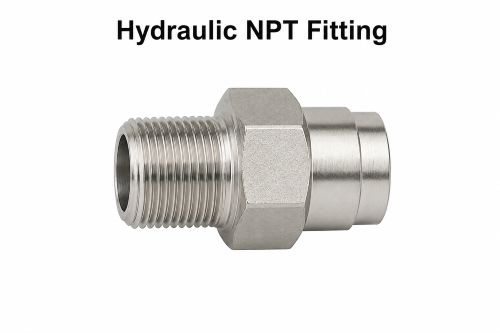
NPT stands for National Pipe Tapered, one of the most widely used pipe thread standards in North America. NPT fittings feature tapered threads that become narrower toward the end of the fitting.
As the male and female threads are tightened together, the taper causes the threads to compress against each other. This creates a mechanical seal that helps prevent fluid or gas leakage.
Key Characteristics of NPT Fittings
1. Tapered thread design
2. 60-degree thread angle
3. Creates a seal through thread interference
4. Commonly used with thread sealants or PTFE tape
5. Suitable for pressure applications
Because NPT fittings rely on thread deformation to create a seal, proper installation torque is essential. Overtightening can damage threads, while insufficient tightening may result in leaks.
Common Applications of NPT Fittings
NPT fittings are commonly found in:
1. Water distribution systems
2. Compressed air systems
3. Industrial process piping
4. Oil and gas equipment
5. Plumbing systems
6. Manufacturing facilities
Their ability to provide a pressure-tight seal makes them a preferred choice for many fluid and gas transfer applications.
What Are NPSM Fittings?
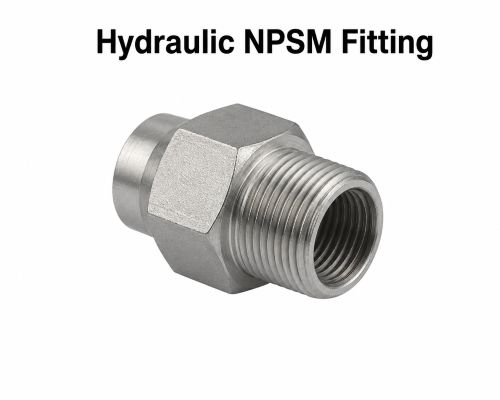
NPSM stands for National Pipe Straight Mechanical. Unlike NPT threads, NPSM threads are straight or parallel rather than tapered.
While NPSM threads can provide a secure mechanical connection, they are not designed to create a seal through thread engagement alone. Instead, they rely on an additional sealing mechanism such as an O-ring, gasket, or metal-to-metal sealing surface.
Key Characteristics of NPSM Fittings
1. Straight (parallel) thread design
2. 60-degree thread angle
3. Does not seal through thread interference
4. Requires a separate sealing component
5. Often used in hydraulic systems
Since the threads are not responsible for sealing, NPSM connections generally experience less thread wear and can be easier to assemble and disassemble.
Common Applications of NPSM Fittings
NPSM fittings are frequently used in:
➡️ Hydraulic cylinders
➡️ Pumps and motors
➡️ Hydraulic power units
➡️ Agricultural equipment
➡️ Construction machinery
➡️ Fluid transfer systems
These applications often use O-rings or gasket-based seals to ensure leak-free performance.
NPSM vs NPT: Quick Comparison
|
Feature |
NPT |
NPSM |
|
Thread Type |
Tapered |
Straight |
|
Thread Angle |
60° |
60° |
|
Sealing Method |
Thread interference |
O-ring, gasket, or sealing surface |
|
Requires Thread Sealant |
Usually |
Typically No |
|
Pressure Sealing |
Yes |
Depends on sealing element |
|
Common Uses |
Piping and plumbing |
Hydraulic equipment |
|
Interchangeable |
Generally No |
Generally No |
Key Differences Between NPSM and NPT Fittings
While both thread standards belong to the National Pipe Thread family, their differences significantly impact installation, sealing performance, and application suitability.
1. Thread Geometry
The most noticeable difference is the shape of the threads.
NPT Threads
NPT threads are tapered, meaning the diameter gradually decreases along the thread length. This taper allows the threads to wedge together during installation.
NPSM Threads
NPSM threads maintain a constant diameter from one end to the other. They are designed primarily for mechanical retention rather than sealing.
Why This Matters
Thread geometry directly influences how the fitting seals and how it should be installed. Selecting the wrong thread type can compromise system performance and safety.
2. Sealing Method
The sealing mechanism is one of the most important distinctions between these two thread standards.
How NPT Seals
NPT fittings create a seal through thread interference. As the tapered threads tighten together, they compress against one another to prevent leakage.
Most NPT installations also use:
➡️ PTFE thread tape
➡️ Pipe thread sealant
➡️ Thread sealing compounds
These products help fill small gaps between threads and improve leak resistance.
How NPSM Seals
NPSM threads do not create a seal themselves. Instead, sealing occurs through:
➡️ O-rings
➡️ Gaskets
➡️ Bonded seals
➡️ Metal-to-metal contact surfaces
The threads simply hold the connection together while the sealing component prevents fluid leakage.
3. Installation Requirements
Because of their different sealing methods, NPT and NPSM fittings require different installation approaches.
Installing NPT Fittings
Best practices include:
1. Applying appropriate thread sealant
2. Following recommended torque specifications
3. Avoiding overtightening
4. Inspecting threads for damage before assembly
Installing NPSM Fittings
Best practices include:
1. Inspecting O-rings or gaskets
2. Ensuring sealing surfaces are clean
3. Replacing worn sealing components
4. Tightening according to manufacturer recommendations
4. Pressure Performance
NPT fittings are specifically designed for pressure-tight connections and are commonly used in systems carrying liquids or gases under pressure.
NPSM fittings can also handle high pressures, but their performance depends largely on the quality and condition of the sealing element rather than the threads themselves.
For hydraulic systems, properly designed NPSM connections often provide excellent pressure-handling capabilities.
5. Maintenance Considerations
Maintenance requirements vary between the two thread types.
NPT Maintenance
Potential issues include:
➡️ Thread wear
➡️ Damaged sealing surfaces
➡️ Deteriorated thread sealant
➡️ Cross-threading
NPSM Maintenance
Common maintenance concerns include:
➡️ Worn O-rings
➡️ Damaged gaskets
➡️ Contaminated sealing surfaces
➡️ Improper seal installation
Regular inspection of sealing components is essential for long-term reliability.
Are NPSM and NPT Fittings Interchangeable?
This is one of the most frequently asked questions regarding pipe thread standards.
The Short Answer: No
Although NPSM and NPT threads share a similar thread angle and may appear compatible, they are not designed to be interchangeable.
Why They Sometimes Seem Compatible
In certain sizes, an NPSM fitting may partially thread into an NPT connection. However, this physical engagement does not guarantee proper sealing or mechanical integrity.
Risks of Mixing NPSM and NPT Fittings
Using incompatible threads can result in:
➡️ Fluid leaks
➡️ Thread damage
➡️ Premature component failure
➡️ Reduced pressure capability
➡️ Safety hazards
For reliable system performance, always use fittings that match the specified thread standard.
How to Identify NPSM vs NPT Threads
Correct identification is critical when replacing fittings or troubleshooting leaks.
Visual Inspection
NPT Threads
Look for:
➡️ Visible taper
➡️ Gradually changing diameter
➡️ Narrower thread end
NPSM Threads
Look for:
➡️ Uniform diameter
➡️ Parallel thread profile
➡️ Consistent thread spacing
Measuring the Threads
Using thread gauges and calipers can help determine:
➡️ Thread pitch
➡️ Major diameter
➡️ Presence of taper
Comparing measurements to thread specification charts is often the most reliable identification method.
Consult Manufacturer Documentation
Whenever possible, verify thread specifications using manufacturer drawings, catalogs, or technical manuals.
When Should You Use NPT Fittings?
NPT fittings are ideal when:
1. Thread-based sealing is required
2. Installing piping systems
3. Working with compressed air
4. Connecting gas lines
5. Following industry standards that specify NPT
Their self-sealing design makes them a practical solution for many industrial and commercial applications.
When Should You Use NPSM Fittings?
NPSM fittings are often the better choice when:
1. Equipment uses O-ring seals
2. Working with hydraulic components
3. Straight-thread connections are required
4. Manufacturer specifications call for NPSM threads
5. Frequent assembly and disassembly is expected
These fittings are particularly common in hydraulic machinery and fluid power systems.
Common Mistakes to Avoid
Mixing Thread Standards
Never assume two fittings are compatible simply because they appear similar.
Ignoring Seal Requirements
Using an NPSM fitting without the proper sealing component can lead to immediate leakage.
Overtightening Connections
Excessive torque can damage threads, deform sealing surfaces, and reduce system reliability.
Failing to Verify Specifications
Always confirm thread standards before ordering replacement parts or installing new fittings.
Frequently Asked Questions
Is NPSM the Same as NPT?
No. NPSM uses straight threads, while NPT uses tapered threads designed for thread-based sealing.
Can NPSM Threads Fit Into NPT Threads?
They may partially engage, but they are not intended to be used together and may not provide a reliable seal.
Which Thread Type Is Better?
Neither is universally better. The best choice depends on your application and the sealing method required.
Do NPT Fittings Need Thread Sealant?
In most applications, yes. Thread sealants or PTFE tape are commonly used to improve sealing performance.
Are NPSM Fittings Common in Hydraulic Systems?
Yes. Many hydraulic systems use NPSM threads because sealing is achieved through O-rings or dedicated sealing surfaces.
Conclusion
Although NPSM and NPT fittings may look similar, they serve different purposes and rely on different sealing methods. NPT fittings use tapered threads to create a seal through thread interference, while NPSM fittings use straight threads and depend on separate sealing components such as O-rings or gaskets.
Understanding these differences is essential for preventing leaks, maintaining system efficiency, and ensuring long-term equipment reliability. Before selecting or replacing a fitting, always verify the thread standard specified by the equipment manufacturer. Choosing the correct fitting today can save significant time, expense, and maintenance effort in the future.
Post time: Jun-23-2026