

Selecting the right fitting connection is essential for ensuring leak-free performance, system reliability, and long-term operational efficiency. Among the many connection types used in hydraulic, pneumatic, and fluid transfer systems, NPSM swivel adapters and NPT fittings are two of the most common options.
Although they may appear similar at first glance, these fittings utilize different thread designs and sealing mechanisms, making them suitable for different applications. Understanding their differences can help engineers, technicians, and system designers choose the most appropriate connection for their specific requirements.
In this guide, we’ll compare NPSM swivel adapters and NPT fittings in detail, including their design, functionality, advantages, limitations, and ideal applications.
What Are NPSM Swivel Adapters?
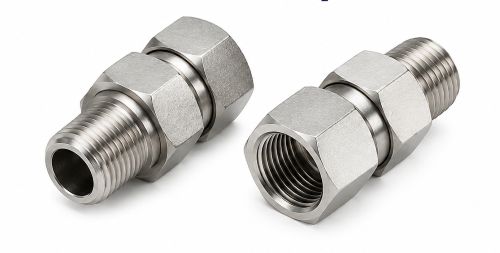
NPSM stands for National Pipe Straight Mechanical. NPSM swivel adapters utilize straight threads and rely on a mechanical sealing surface rather than the threads themselves to create a leak-tight connection.
Unlike fixed fittings, NPSM swivel adapters feature a rotating swivel nut that allows the connection to be tightened without twisting the hose or tubing. This design simplifies installation and reduces stress on connected components.
When the swivel nut is tightened, the adapter’s sealing surface mates against a corresponding seat on the fitting. The threads provide clamping force, while the actual seal is created at the sealing interface.
This separation of sealing and fastening functions contributes to reliable and repeatable performance.
Key Features of NPSM Swivel Adapters
1. Straight-thread design
2. Mechanical seat sealing
3. Swivel installation capability
4. Excellent reusability
5. installation stress
6. Improved alignment flexibility
Common Applications
NPSM swivel adapters are widely used in:
1. Hydraulic systems
2. Industrial machinery
3. Mobile equipment
4. Agricultural equipment
5. Fluid power applications
6. Process control systems
What Are NPT Fittings?
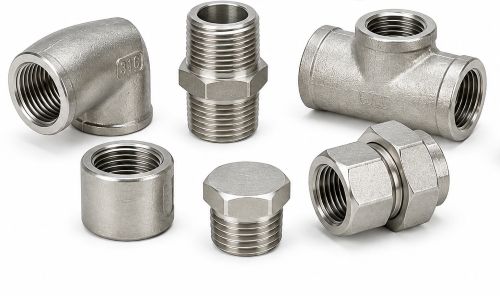
NPT stands for National Pipe Tapered. NPT fittings use tapered threads that become tighter as they are threaded together.
Unlike NPSM connections, NPT fittings create the seal directly through thread interference. As the male and female threads engage, they compress against each other, forming a pressure-tight seal.
To improve sealing effectiveness, thread sealants such as PTFE tape or pipe thread compounds are commonly used.
The tapered thread profile causes the threads to wedge together as the fitting is tightened. This creates friction and deformation between the mating threads, producing the seal.
Proper installation torque is essential because under-tightening can cause leaks, while over-tightening may damage the threads.
Key Features of NPT Fittings
1. Tapered-thread design
2. Thread-based sealing
3. Broad industry acceptance
4. Simple installation
5. -effective solution
6. Wide availability
Common Applications
NPT fittings are commonly found in:
1. Plumbing systems
2. Water distribution systems
3. air systems
4. Industrial piping
5. Gas transfer applications
6. General fluid systems
Understanding the Key Design Differences
While both connection types are used to join fluid system components, their engineering principles differ significantly.
1. Thread Design
NPSM Swivel Adapters
NPSM fittings use straight threads that do not provide sealing. Their primary purpose is to apply clamping force between sealing surfaces.
NPT Fittings
NPT fittings utilize tapered threads that serve both fastening and sealing functions.
2. Sealing Method
NPSM Swivel Adapters
The seal is created at a dedicated sealing seat. This design minimizes dependence on thread condition for sealing performance.
NPT Fittings
The seal is created through thread interference and often requires thread sealant to ensure leak-free operation.
3. Installation Characteristics
NPSM Swivel Adapters
➡️ Allows rotational adjustment
➡️ Easier alignment during assembly
➡️ Less stress on hoses and tubing
NPT Fittings
➡️ Fixed orientation after tightening
➡️ May require careful positioning
➡️ Limited adjustment capability
NPSM Swivel Adapters vs NPT Fittings: Side-by-Side Comparison
|
Feature |
NPSM Swivel Adapters |
NPT Fittings |
|
Thread Type |
Straight |
Tapered |
|
Sealing Method |
Mechanical seat seal |
Thread interference |
|
Swivel Capability |
Yes |
No |
|
Thread Sealant Required |
Typically No |
Usually Yes |
|
Installation Flexibility |
Excellent |
Moderate |
|
Reusability |
High |
Moderate |
|
Leak Resistance |
Excellent |
Good |
|
Alignment Ease |
Excellent |
Limited |
|
Maintenance |
Easier |
More involved |
|
Typical Use |
Hydraulic systems |
Plumbing and piping |
Advantages of NPSM Swivel Adapters
Superior Installation Flexibility
One of the biggest advantages of NPSM swivel adapters is their ability to rotate independently during installation. This makes alignment easier and prevents hoses from twisting.
Reliable Sealing Performance
Because sealing occurs at a dedicated sealing surface, NPSM connections often provide more consistent performance in demanding environments.
Reduced Thread Wear
The threads are not responsible for sealing, which helps reduce wear and damage during repeated assembly and disassembly.
Better Vibration Resistance
Many hydraulic systems experience vibration, shock loads, and movement. NPSM swivel adapters can better accommodate these conditions while maintaining connection integrity.
Easier Maintenance
Components can often be disconnected and reassembled without significantly affecting sealing performance.
Advantages of NPT Fittings
Widespread Availability
NPT fittings are among the most commonly used threaded connections worldwide, making them easy to source and replace.
Lower Initial Cost
In many applications, NPT fittings are less expensive than swivel adapter alternatives.
Simple Design
Their straightforward construction makes them suitable for many standard piping applications.
Industry Familiarity
Most technicians and installers are experienced with NPT connections, simplifying installation and maintenance procedures.
Limitations of NPSM Swivel Adapters
While NPSM swivel adapters offer many benefits, they are not ideal for every application.
Higher Upfront Cost
Their more complex design often results in a higher purchase price.
Sealing Surface Requirements
The sealing surfaces must be compatible and properly machined to ensure optimal performance.
Specialized Applications
NPSM connections are commonly used in hydraulic and fluid power systems but may be less common in general plumbing applications.
Limitations of NPT Fittings
Dependence on Thread Sealants
Most NPT installations require PTFE tape or thread compound to achieve reliable sealing.
Risk of Leaks
Improper tightening or damaged threads can compromise sealing effectiveness.
Thread Damage Over Time
Repeated installation and removal can wear the threads, potentially affecting future sealing performance.
Alignment Challenges
Since orientation depends on tightening position, achieving precise alignment can sometimes be difficult.
Which Connection Offers Better Leak Protection?
Leak prevention is often the primary concern when selecting a fitting connection.
1. NPSM Swivel Adapters
NPSM fittings generally provide more predictable sealing because the seal occurs at a dedicated mating surface rather than through thread deformation.
Advantages include:
➡️ Consistent sealing performance
➡️ Reduced dependence on thread condition
➡️ Better repeatability
➡️ Easier maintenance
2. NPT Fittings
NPT fittings can provide excellent sealing when properly installed. However, sealing effectiveness depends on:
➡️ Correct torque
➡️ Proper thread engagement
➡️ Suitable sealant application
➡️ Good thread condition
Overall Assessment
For high-pressure hydraulic applications and systems requiring frequent maintenance, NPSM swivel adapters often provide superior leak resistance.
For general-purpose piping and plumbing systems, NPT fittings remain a reliable and economical solution.
Choosing Between NPSM Swivel Adapters and NPT Fittings
When selecting a connection type, consider the following factors:
System Pressure
Higher-pressure systems often benefit from the dedicated sealing mechanism of NPSM swivel adapters.
Installation Requirements
If alignment flexibility is important, NPSM swivel adapters offer a significant advantage.
Maintenance Frequency
Systems requiring regular servicing may benefit from the reusability and ease of maintenance associated with NPSM connections.
Vibration Exposure
Hydraulic machinery and mobile equipment often experience vibration that favors swivel-style connections.
Budget Considerations
For cost-sensitive projects, NPT fittings may provide a practical solution.
Industry Standards
Always verify compatibility with industry standards and equipment manufacturer requirements.
Typical Applications for Each Connection Type
Best Uses for NPSM Swivel Adapters
1. Hydraulic power units
2. Industrial automation systems
3. Construction equipment
4. Agricultural machinery
5. Mobile hydraulic equipment
6. Fluid transfer systems
Best Uses for NPT Fittings
1. Water supply systems
2. Plumbing installations
3. Compressed air systems
4. General industrial piping
5. Utility systems
6. Low- to medium-pressure applications
Common Mistakes to Avoid
Mixing Thread Standards
Attempting to connect NPSM and NPT threads without proper adapters can result in leaks and connection failures.
Over-Tightening Connections
Excessive tightening can damage threads and sealing surfaces.
Using Incorrect Sealants
Always use sealants compatible with the application and fluid type.
Ignoring Manufacturer Specifications
Pressure ratings, torque values, and compatibility guidelines should always be followed.
Neglecting Inspection
Damaged threads or worn sealing surfaces can compromise performance.
Frequently Asked Questions
Can NPSM and NPT Threads Be Connected Together?
Generally, they should not be directly connected without the proper adapter because they utilize different thread profiles and sealing methods.
Do NPSM Swivel Adapters Require Thread Sealant?
In most cases, no. The seal is created at the mating seat rather than the threads.
Which Connection Type Is Better for Hydraulic Systems?
NPSM swivel adapters are often preferred due to their superior sealing reliability and installation flexibility.
Are NPT Fittings Reusable?
Yes, but repeated assembly and disassembly may eventually wear the threads and affect sealing performance.
How Can I Identify NPSM and NPT Threads?
NPSM threads are straight, while NPT threads are tapered. Specialized thread gauges can provide accurate identification.
Conclusion
Both NPSM swivel adapters and NPT fittings play important roles in fluid handling systems, but they are designed for different operating requirements.
NPSM swivel adapters excel in hydraulic applications where leak prevention, vibration resistance, and installation flexibility are critical. Their mechanical sealing method and swivel functionality provide dependable long-term performance.
NPT fittings remain a popular choice for plumbing, compressed air, and general piping systems due to their simplicity, widespread availability, and cost-effectiveness.
By understanding the differences between these two connection types, engineers and maintenance professionals can make informed decisions that improve system reliability, reduce downtime, and ensure safe, efficient operation.
Post time: Jun-10-2026