

Hydraulic systems are the backbone of countless industries, from construction and agriculture to manufacturing and transportation. These systems rely on high-pressure fluid power to operate heavy machinery and equipment efficiently. However, even the most advanced hydraulic system can suffer from poor performance, costly downtime, or safety hazards if its connections are not properly sealed.
One small but highly important component that helps maintain reliable hydraulic performance is the hydraulic male ORFS plug. While it may seem like a simple fitting, it plays a critical role in preventing leaks, maintaining pressure, and protecting hydraulic equipment in demanding environments.
In this article, we’ll explain what hydraulic male ORFS plugs are, how they work, and why they are essential for modern hydraulic systems.
Understanding Hydraulic Male ORFS Plugs
What Does ORFS Mean?
ORFS stands for O-Ring Face Seal, a sealing technology widely used in hydraulic systems that operate under high pressure. ORFS fittings were designed to provide a leak-free connection by using an elastomeric O-ring positioned on the face of the fitting.
Unlike traditional threaded connections that rely heavily on thread deformation or sealants, ORFS technology creates a strong seal by compressing the O-ring between two flat surfaces. This design significantly reduces the risk of leaks, even in systems exposed to vibration, pressure spikes, or harsh operating conditions.
Because of their reliability, ORFS fittings have become a preferred choice in many industrial and mobile hydraulic applications.
What Is a Hydraulic Male ORFS Plug?
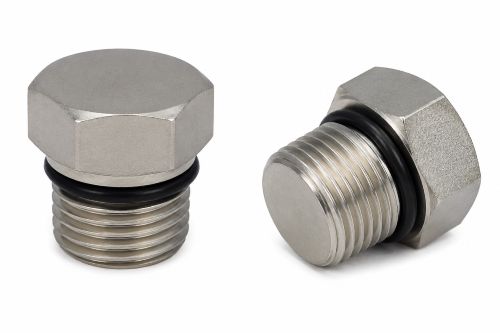
A hydraulic male ORFS plug is a fitting used to seal or close unused ports in hydraulic systems. It features male threads and an O-ring face seal that creates a tight and secure connection.
These plugs are commonly used for:
1. Closing off hydraulic ports
2. Preventing fluid leakage
3. Protecting system components during maintenance
4. Securing hydraulic lines during transport or storage
The main components of a hydraulic male ORFS plug include:
1. Male threaded body
2. Precision-machined sealing face
3. High-quality O-ring
4. Hex head for easy installation and removal
Although compact in size, these plugs are designed to withstand high-pressure hydraulic environments and provide dependable sealing performance.
How ORFS Sealing Technology Works
The effectiveness of ORFS plugs comes from their sealing mechanism. When the plug is tightened into the hydraulic port, the O-ring compresses against a flat sealing surface. This compression creates a leak-resistant seal that prevents hydraulic fluid from escaping.
This design offers several advantages over traditional fittings:
1. Better resistance to vibration
2. Reduced chance of loosening
3. Improved sealing under pressure
4. Less dependence on thread sealants
Because hydraulic systems often operate under extreme pressure, maintaining a reliable seal is essential for both performance and safety.
Why Hydraulic Male ORFS Plugs Are Important
1. Leak Prevention
One of the biggest challenges in hydraulic systems is fluid leakage. Even a small leak can reduce system efficiency, increase maintenance costs, and lead to equipment failure.
Hydraulic male ORFS plugs are specifically engineered to minimize leaks. The O-ring face seal provides a tight connection that remains effective even under high-pressure conditions.
Leak prevention offers several important benefits:
➡️ Improved hydraulic efficiency
➡️ Reduced fluid waste
➡️ Lower maintenance expenses
➡️ Cleaner working environments
For industries that rely heavily on hydraulic power, leak-free performance is critical.
2. Improved Safety
Hydraulic fluid leaks can create serious safety hazards. Escaping fluid under pressure may injure operators, damage nearby components, or create slippery working conditions.
By providing a secure seal, ORFS plugs help maintain safer hydraulic operations. Reliable sealing reduces the risk of sudden fluid release and protects both workers and machinery.
In industries such as construction, mining, and manufacturing, safety is always a top priority. High-quality ORFS plugs contribute to a safer and more dependable hydraulic system.
3. Enhanced Equipment Performance
Hydraulic systems depend on consistent pressure to operate correctly. Leaks or weak connections can reduce system pressure, causing machinery to lose power or perform inefficiently.
Hydraulic male ORFS plugs help maintain stable pressure levels by securely sealing unused ports and connections. This leads to:
1. Better machine performance
2. Increased operational efficiency
3. downtime
4. Longer equipment lifespan
Reliable hydraulic connections can significantly improve overall productivity.
4. Environmental Protection
Hydraulic fluid leaks are not only costly but can also harm the environment. Fluid spills may contaminate soil, water, and surrounding work areas.
Using ORFS plugs helps minimize environmental risks by reducing fluid leakage. Many industries now prioritize environmentally responsible practices, and leak prevention is an important part of achieving those goals.
In some industries, proper hydraulic sealing also supports compliance with environmental and workplace safety regulations.
Common Applications of Hydraulic Male ORFS Plugs
Hydraulic male ORFS plugs are widely used across many industries due to their reliability and high-pressure performance.
Construction Equipment
These plugs are commonly found in:
➡️ Excavators
➡️ Bulldozers
➡️ Backhoes
➡️ Wheel loaders
Construction machinery operates in harsh conditions where vibration and pressure fluctuations are common. ORFS technology helps maintain secure hydraulic connections in these demanding environments.
Agricultural Machinery
Modern farming equipment relies heavily on hydraulics for efficient operation. ORFS plugs are frequently used in:
➡️ Tractors
➡️ Harvesters
➡️ Sprayers
➡️ Irrigation systems
Reliable hydraulic sealing helps reduce downtime during critical farming operations.
Industrial Manufacturing
Manufacturing facilities use hydraulic systems in:
1. Hydraulic presses
2. Injection molding machines
3. Automated production equipment
4. Material handling systems
Leak-free hydraulic connections are essential for maintaining productivity and precision in industrial operations.
Transportation and Heavy Vehicles
Hydraulic systems are also critical in:
➡️ Heavy-duty trucks
➡️ Mining equipment
➡️ Marine systems
➡️ Industrial lifting equipment
ORFS plugs help ensure consistent hydraulic performance in high-demand transportation applications.
Key Features of Hydraulic Male ORFS Plugs
High-Pressure Capability
Hydraulic ORFS plugs are designed to withstand high operating pressures commonly found in hydraulic systems. Their strong sealing performance makes them suitable for demanding industrial applications.
Corrosion Resistance
These plugs are often manufactured from durable materials such as:
➡️ Carbon steel
➡️ Stainless steel
➡️ Brass
Many also feature protective coatings that improve resistance to corrosion and wear.
Reliable Sealing Performance
Precision machining and high-quality O-rings ensure dependable sealing performance. Properly installed ORFS plugs can maintain leak-free operation for extended periods.
Easy Installation
The simple design of ORFS plugs allows for quick installation and removal. This helps reduce maintenance time and improves service efficiency.
ORFS Plugs vs. Other Hydraulic Fittings
ORFS vs. JIC Fittings
JIC fittings use a metal-to-metal flare seal, while ORFS fittings use an O-ring face seal. Although both are commonly used, ORFS fittings generally provide better leak resistance, especially in high-vibration environments.
ORFS vs. NPT Fittings
NPT fittings rely on tapered threads for sealing, often requiring thread sealants or tape. ORFS fittings create a more reliable seal using the O-ring, reducing the chance of leakage and installation errors.
How to Choose the Right Hydraulic Male ORFS Plug
Selecting the correct ORFS plug is important for maintaining system performance and reliability.
Consider the following factors:
Pressure Rating
Choose a plug rated for the operating pressure of your hydraulic system.
Material Compatibility
Select materials suitable for the operating environment and hydraulic fluid type.
Thread Size
Ensure the plug matches the thread size and specifications of the hydraulic port.
Quality Standards
Look for products that meet recognized SAE or ISO standards for hydraulic fittings.
Using high-quality components helps improve system reliability and reduce maintenance issues.
Maintenance Tips for Hydraulic ORFS Plugs
Proper maintenance can extend the lifespan of hydraulic fittings and improve system performance.
Inspect Regularly
Check plugs and O-rings for:
➡️ Wear
➡️ Corrosion
➡️ Cracks
➡️ Damage
Replace Damaged O-Rings
A worn or damaged O-ring can compromise sealing performance and lead to leaks.
Avoid Overtightening
Excessive tightening may damage threads or deform sealing surfaces.
Keep Components Clean
Contamination can affect sealing performance and damage hydraulic systems.
Routine inspection and maintenance help ensure long-term reliability.
Conclusion
Hydraulic male ORFS plugs may be small components, but they perform a vital function in hydraulic systems. Their O-ring face seal design provides excellent leak prevention, reliable pressure retention, and improved safety in demanding industrial environments.
From construction equipment and agricultural machinery to industrial manufacturing systems, ORFS plugs help maintain efficient and dependable hydraulic performance.
By choosing high-quality hydraulic male ORFS plugs and maintaining them properly, businesses can reduce downtime, improve safety, and extend the lifespan of their hydraulic equipment.
Post time: May-25-2026