

In fluid and gas systems like those in cars, hydraulics, and refrigeration, tight, leak-free connections are very important. One common and reliable option is the inverted flare fitting, known for handling pressure well and resisting vibration.
A common source of confusion is the difference between male and female fittings. Although they connect to each other, they have different designs and roles.
Understanding these differences helps ensure proper installation, better performance, and safety. This guide explains how male and female inverted flare fittings work and how to choose the right one.
What Are Inverted Flare Fittings?
Inverted flare fittings, also known as 45-degree flare fittings, are a type of compression fitting used to connect tubing in fluid systems. They are especially common in automotive brake lines and fuel systems.
How They Work
These fittings create a seal through metal-to-metal contact. The tubing is flared outward (typically using a double flare technique), forming a cone shape that mates with a corresponding seat in the fitting. When tightened, the connection forms a tight seal capable of withstanding high pressure and vibration.
Key Characteristics
1. Flare Angle: 45 degrees (SAE standard)
2. Sealing Method: Metal-to-metal contact
3. Common Materials: Brass, stainless steel, carbon steel
4. Applications: Brake systems, fuel lines, refrigeration, hydraulics
Advantages
1. Excellent leak resistance
2. Strong vibration tolerance
3. Reusable connections
4. No need for additional sealing materials like tape or O-rings
What Are Male Inverted Flare Fittings?
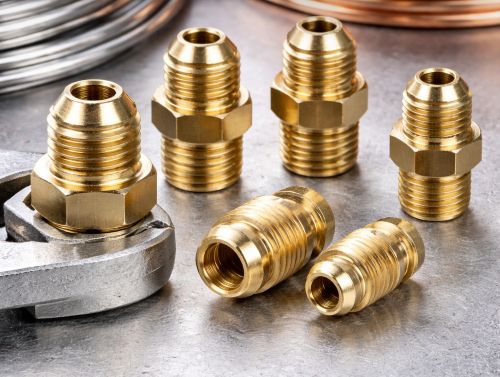
Male inverted flare fittings are connectors with external threads and a conical (flared) sealing surface. They are designed to fit into female fittings and form a tight seal when tightened.
Key Features
1. External (outside) threading
2. A protruding cone-shaped seat
3. Designed to insert into a female fitting
4. Often used with a flare nut attached to tubing
How They Function
When connected, the male fitting’s conical surface presses against the flared end of the tubing (or female seat), forming a secure, leak-proof seal.
Common Applications
1. Automotive brake lines
2. Fuel delivery systems
3. Hydraulic tubing connections
4. Industrial fluid systems
What Are Female Inverted Flare Fittings?
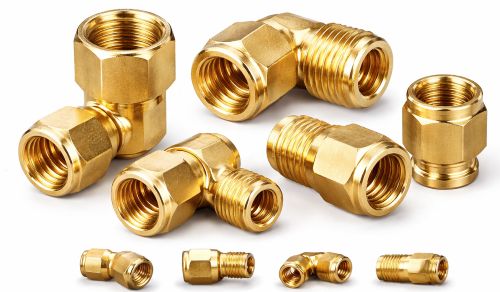
Female inverted flare fittings feature internal threads and an inverted (concave) seat designed to receive the male fitting.
Key Features
1. Internal (inside) threading
2. Inverted seat to accept the male cone
3. Acts as the receiving end of the connection
4. Often found in ports, adapters, or fixed components
How They Function
The female fitting receives the male fitting and provides the internal seat that helps create the seal when the connection is tightened.
Common Applications
1. Equipment ports
2. Hydraulic adapters
3. Couplings and connectors
4. Automotive system components
Male vs Female Inverted Flare Fittings: Key Differences
Understanding the structural and functional differences between these two types is essential for correct usage.
Structural Differences
1. Male fittings have external threads and a protruding cone
2. Female fittings have internal threads and a recessed seat
Functional Differences
1. The male fitting inserts into the female fitting
2. The seal is formed where the cone meets the inverted seat
Visual Identification Tips
1. If the threads are on the outside → it’s a male fitting
2. If the threads are on the inside → it’s a female fitting
3. Look for the cone (male) vs recessed seat (female)
Comparison Table
|
Feature |
Male Fitting |
Female Fitting |
|---|---|---|
|
Threads |
External |
Internal |
|
Connection Role |
Inserts into female |
Receives male |
|
Seal Surface |
Cone (protruding) |
Inverted (recessed) |
|
Common Location |
Tubing end |
Ports/adapters |
How Male and Female Fittings Work Together
Male and female inverted flare fittings are designed to create a tight, vibration-resistant seal when used together.
Step-by-Step Connection Process
1. Prepare the Tube – The tube is cut cleanly and flared using a flaring tool (typically a double flare for strength).
2. Insert the Male Fitting – The male fitting aligns with the female fitting or flared tube end.
3. Engage Threads – The male threads are screwed into the female threads.
4. Tighten the Connection – As the connection tightens, the cone presses into the inverted seat, forming a seal.
Why the 45° Angle Matters
The standardized 45-degree angle ensures:
➡️ Consistent sealing performance
➡️ Compatibility across components
➡️ Even distribution of pressure
Common Applications of Inverted Flare Fittings
These fittings are used in a wide range of industries due to their reliability.
Automotive Systems
1. Brake lines (most common use)
2. Fuel systems
3. Transmission lines
Hydraulic Systems
1. Medium-pressure hydraulic lines
2. Industrial machinery
Refrigeration and HVAC
1. Refrigerant lines
2. Cooling systems
Industrial Equipment
1. Fluid transfer systems
2. Pneumatic and hydraulic assemblies
How to Choose the Right Fitting
Selecting the correct inverted flare fitting is essential for safety and performance.
1. Thread Type and Size
Ensure compatibility with SAE standards and match:
➡️ Thread diameter
➡️ Thread pitch
Using mismatched threads can cause leaks or damage.
2. Material Selection
➡️ Brass: Corrosion-resistant, good for general use
➡️ Stainless Steel: High strength and corrosion resistance
➡️ Carbon Steel: Durable and cost-effective
3. Pressure and Temperature Ratings
Always choose fittings that can handle your system’s:
➡️ Maximum pressure
➡️ Operating temperature
4. Compatibility
Avoid mixing different fitting standards such as:
➡️ SAE vs JIC
➡️ Metric vs imperial
Even small differences can lead to failure.
Installation Tips and Best Practices
Proper installation is key to ensuring a leak-free connection.
Best Practices
1. Use a proper flaring tool for accurate tube flares
2. Ensure tubing is clean and free of burrs
3. Align fittings correctly before tightening
4. Tighten to recommended torque (avoid overtightening)
5. Do not use thread sealant on flare seats
Post-Installation Checks
1. Inspect for leaks under pressure
2. Re-tighten if necessary (but carefully)
3. Replace damaged components immediately
Common Problems and Troubleshooting
Even reliable fittings can fail if not handled properly.
1. Leaks
Cause: Improper flaring or damaged seat
Solution: Re-flare the tube or replace fitting
2. Cross-Threading
Cause: Misaligned threads during installation
Solution: Start threading by hand before tightening
3. Over-Tightening
Cause: Excessive force damaging the flare
Solution: Use proper torque guidelines
4. Incorrect Sizing
Cause: Mismatched fittings
Solution: Verify size and standards before installation
Advantages of Using Inverted Flare Fittings
1. Strong and reliable sealing mechanism
2. High resistance to vibration and pressure
3. Reusable and easy to maintain
4. Widely standardized and available
5. Ideal for safety-critical systems like brakes
Frequently Asked Questions (FAQs)
What is the difference between inverted flare and double flare?
An inverted flare refers to the fitting style, while a double flare refers to the tube preparation method. Double flaring strengthens the tube end and is commonly used with inverted flare fittings.
Can male and female inverted flare fittings be reused?
Yes, as long as the sealing surfaces and threads are not damaged.
Are inverted flare fittings suitable for high pressure?
They are suitable for medium to high pressure, but always check the specific rating of the fitting material and design.
What tools are needed for installation?
➡️ Tube cutter
➡️ Flaring tool (for 45° double flare)
➡️ Wrench or torque tool
Conclusion
Male and female inverted flare fittings are essential components in many fluid systems, offering a reliable, leak-resistant connection method. While they are designed to work together, understanding their differences is key to proper installation and system performance.
Male fittings feature external threads and a cone-shaped seat, while female fittings have internal threads and an inverted seat. Together, they form a tight, durable seal that can withstand pressure and vibration in demanding environments.
Whether you’re working on automotive brake lines, hydraulic systems, or industrial equipment, choosing the right fitting and installing it correctly can make all the difference in safety and efficiency.
Post time: Mar-25-2026