

In the world of heavy machinery, hydraulic systems are the backbone of performance and reliability. Whether you’re operating construction equipment, agricultural machines, or industrial systems, every connection matters. That’s where JIC fittings for heavy machinery come into play. Known for their durability and leak-resistant design, these fittings are widely used across demanding applications.
This complete buyer’s guide will help you understand what JIC fittings are, why they matter, and how to choose the right ones for your specific needs.
What Are JIC Fittings?
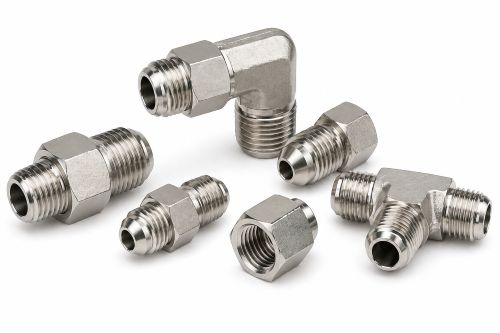
JIC stands for Joint Industry Council, a standard that defines hydraulic fittings with a 37-degree flare seating surface. These fittings create a metal-to-metal seal, ensuring a secure and reliable connection.
Common materials used in JIC fittings for heavy machinery include:
1. Carbon steel (for strength and affordability)
2. Stainless steel (for corrosion resistance)
3. Brass (for lighter-duty applications)
Their simple yet effective design allows them to perform well under high pressure while remaining easy to install and maintain.
Why JIC Fittings Are Ideal for Heavy Machinery
Heavy machinery operates in extreme conditions, and hydraulic components must withstand high pressure, vibration, and environmental stress.
Here’s why JIC fittings for heavy machinery are a preferred choice:
1. High-pressure capability: Made to manage rigorous hydraulic systems
2. Leak-resistant seal: 37-degree flare ensures tight connections
3. Durability: Resistant to wear, corrosion, and harsh environments
4. Ease of use: Simple installation and reusability
5. Versatility: Compatible with a wide range of equipment
Types of JIC Fittings for Heavy Machinery
Understanding the different types helps you select the right fitting for your application:
1. Male JIC fittings: External threads with a flare seat
2. Female JIC fittings: Internal threads with a matching flare
3. Straight fittings: Direct connections for simple layouts
4. Elbow fittings (45° and 90°): Ideal for tight spaces or directional changes
5. Tee and cross fittings: Allow multiple line connections
6. Bulkhead fittings: Used for passing through panels
7. Adapters and connectors: Enable compatibility between different systems
Key Factors to Consider When Buying JIC Fittings for Heavy Machinery
1. Material Selection
Choosing the right material is critical:
➡️ Carbon steel for general heavy-duty use
➡️ Stainless steel for corrosive environments
➡️ Brass for low-pressure or less demanding systems
2. Pressure Ratings
Always match the fitting’s pressure rating (PSI) with your system requirements. Underrated fittings can lead to failure and safety risks.
3. Size and Thread Compatibility
Ensure the fitting size and thread type match your existing system. JIC fittings follow standardized sizing, but proper verification is essential.
4. Application Requirements
Consider where and how the fittings will be used:
➡️ Construction equipment
➡️ Agricultural machinery
➡️ Mining operations
Exposure to heat, moisture, or chemicals
5. Quality Standards and Certifications
Look for fittings that meet recognized standards such as SAE or ISO. Certified products ensure safety, reliability, and performance.
How to Choose the Right JIC Fittings for Heavy Machinery
Selecting the right fitting doesn’t have to be complicated. Follow these steps:
1. Identify your system’s pressure and temperature requirements
2. Determine the correct size and thread type
3. Consider the surroundings when selecting the right material.
4. Review manufacturer specifications and compatibility
5. Avoid mixing incompatible fitting types
A careful selection process reduces downtime and prevents costly failures.
Installation Best Practices
Proper installation is key to maximizing performance:
1. Use the correct tools for tightening
2. Follow recommended torque specifications
3. Avoid over-tightening, which can damage the flare
4. Make sure every part is spotless and debris-free.
5. Inspect connections after installation
Correct installation ensures a secure seal and long-lasting performance.
Maintenance and Inspection Tips
Routine maintenance extends the life of JIC fittings for heavy machinery:
1. Inspect regularly for leaks or corrosion
2. Check for cracks or worn threads
3. Replace damaged fittings तुरंत (immediately)
4. Keep connections clean and properly tightened
Preventive maintenance minimizes unexpected breakdowns and improves system efficiency.
Common Applications of JIC Fittings for Heavy Machinery
These fittings are widely used across industries, including:
1. Construction: Excavators, bulldozers, loaders
2. Agriculture: Tractors, harvesters, sprayers
3. Mining: Drilling and material handling equipment
4. Industrial systems: Hydraulic presses and machinery
Their adaptability makes them a go-to solution for many hydraulic applications.
Advantages vs. Limitations of JIC Fittings
Advantages
1. Reusable and easy to maintain
2. Strong, reliable sealing performance
3. Widely available and standardized
Limitations
1. May require additional support in high-vibration environments
2. Installation must be precise to avoid leaks
Comparing JIC Fittings with Other Hydraulic Fittings
Understanding alternatives can help you make a better decision:
1. JIC vs. ORFS (O-Ring Face Seal): ORFS offers superior leak prevention in extreme conditions, but JIC is more versatile and easier to reuse
2. JIC vs. NPT fittings: NPT relies on thread sealing, while JIC uses a flare seal for better reliability
JIC fittings strike a balance between performance, cost, and ease of use.
Cost Considerations
The cost of JIC fittings for heavy machinery varies based on:
1. Material (stainless steel is more expensive than carbon steel)
2. Size and complexity
3. Brand and certification
While cheaper options may seem attractive, investing in high-quality fittings reduces long-term maintenance and replacement costs.
Tips for Buying from Reliable Suppliers
To ensure quality and reliability:
1. Choose suppliers with a strong reputation
2. Verify certifications and standards compliance
3. Look for warranties or technical support
4. Consider bulk purchasing for cost savings
Reliable suppliers provide consistent quality and peace of mind.
Frequently Asked Questions (FAQs)
Are JIC fittings reusable?
Yes, they are designed to be reused if they are in good condition.
How do I identify JIC fittings?
They typically have a 37-degree flare seating surface and standardized threads.
Can JIC fittings handle high pressure?
Yes, they are suitable for high-pressure hydraulic systems when properly rated.
What is the difference between JIC and AN fittings?
They are similar in design, but AN fittings are typically used in aerospace applications with tighter tolerances.
Conclusion
Choosing the right JIC fittings for heavy machinery is essential for maintaining safe, efficient, and reliable hydraulic systems. By understanding the different types, materials, and selection criteria, you can make informed decisions that reduce downtime and improve performance.
Prioritize quality, ensure compatibility, and follow proper installation and maintenance practices to get the most out of your investment.
Post time: Apr-27-2026